Inside the revolution.
The Five Days adds illustrated scene studies from the prison escape to the final address, expandable FX and physical-action galleries, dialogue analysis and a guide to Troy Howarth and Nathaniel Thompson’s commentary.
INDEPENDENT DARIO ARGENTO RESEARCH
The beautiful.
The unsettling.
The art of looking closer.

LOOK.
THEN LOOK AGAIN.
The Five Days adds illustrated scene studies from the prison escape to the final address, expandable FX and physical-action galleries, dialogue analysis and a guide to Troy Howarth and Nathaniel Thompson’s commentary.
Twenty-four new illustrated scene studies follow the film from the first overheard conversation to the final call. Four expandable FX galleries trace the station, darkroom, Bianca and lift-shaft sequences. A dialogue study compares the English and Italian versions, and a Jones–Newman commentary guide develops the…
The Dark Glasses dossier now follows the complete story through twenty-four illustrated scene studies. Six expandable FX sequences trace the wire attacks, collision, roadside violence, snakes and Nerea’s intervention. The backstage guide adds Asia Argento’s account of retrieving Ferrini’s paper script, Pastorelli on the hospital…
01 / THE FILM GALLERY
Twenty-six films and television works.
Discover the images, people and stories.

An art gallery, an uncertain memory, and the problem of believing your own eyes.
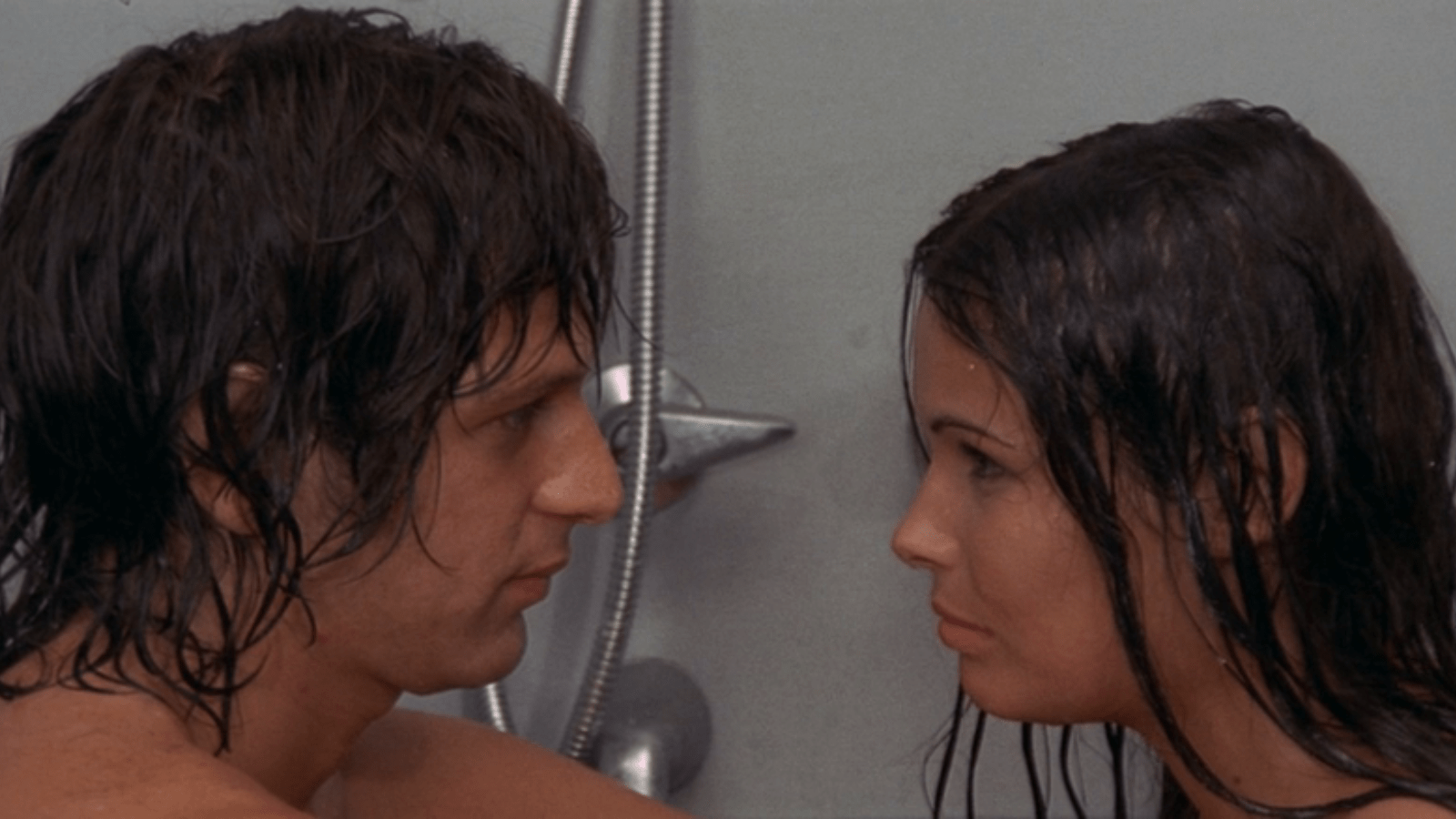
A drummer, a staged crime and an image whose authority depends on what it leaves outside the frame.
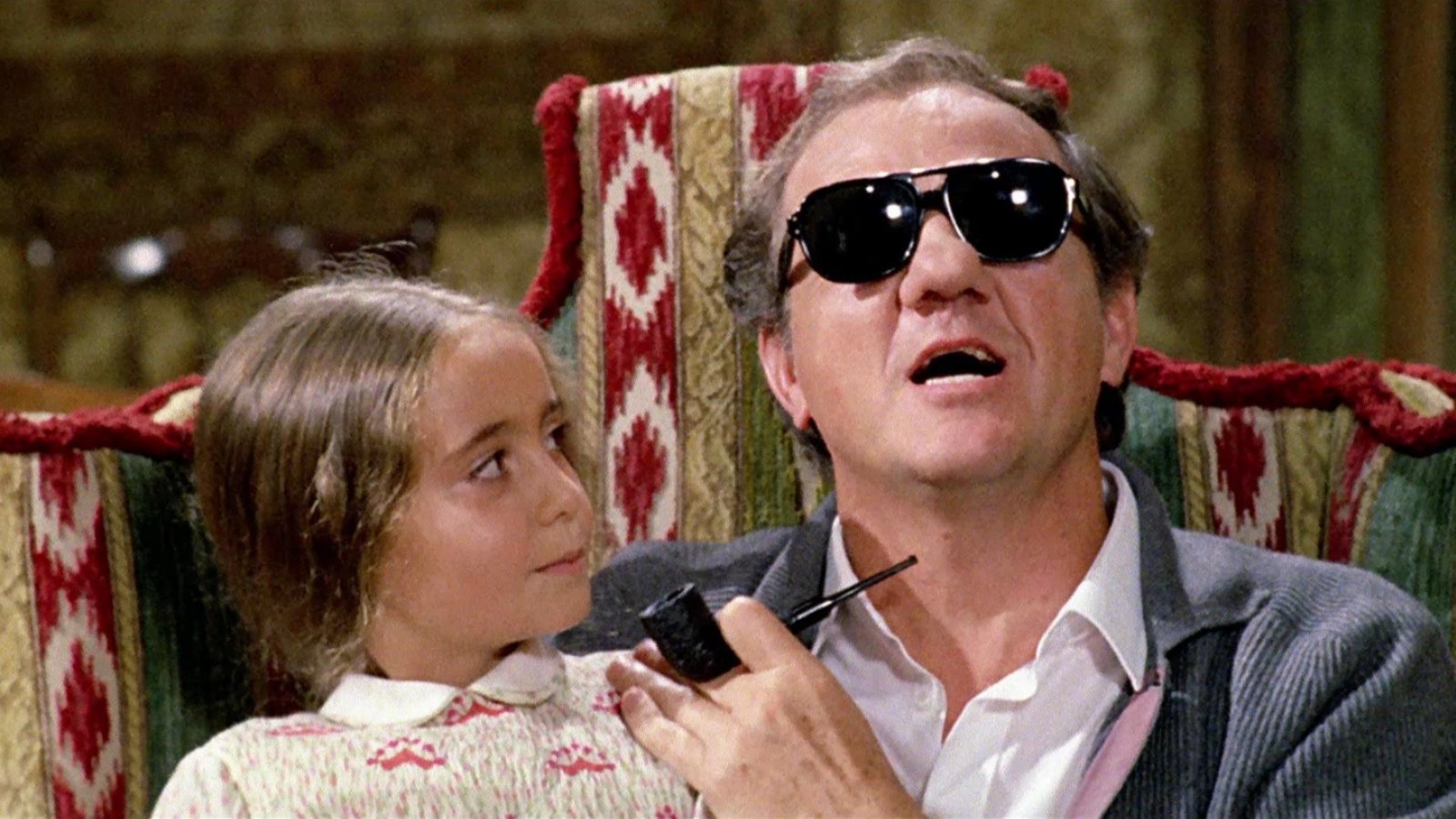
A puzzle-maker and a reporter combine observations around a genetics institute that promises its own explanations.
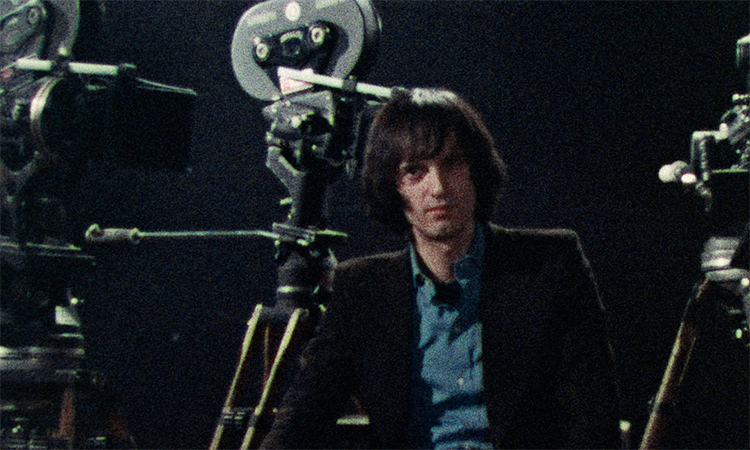
Argento enters the television home as a host, while The Tram turns an everyday journey into a problem of observation.
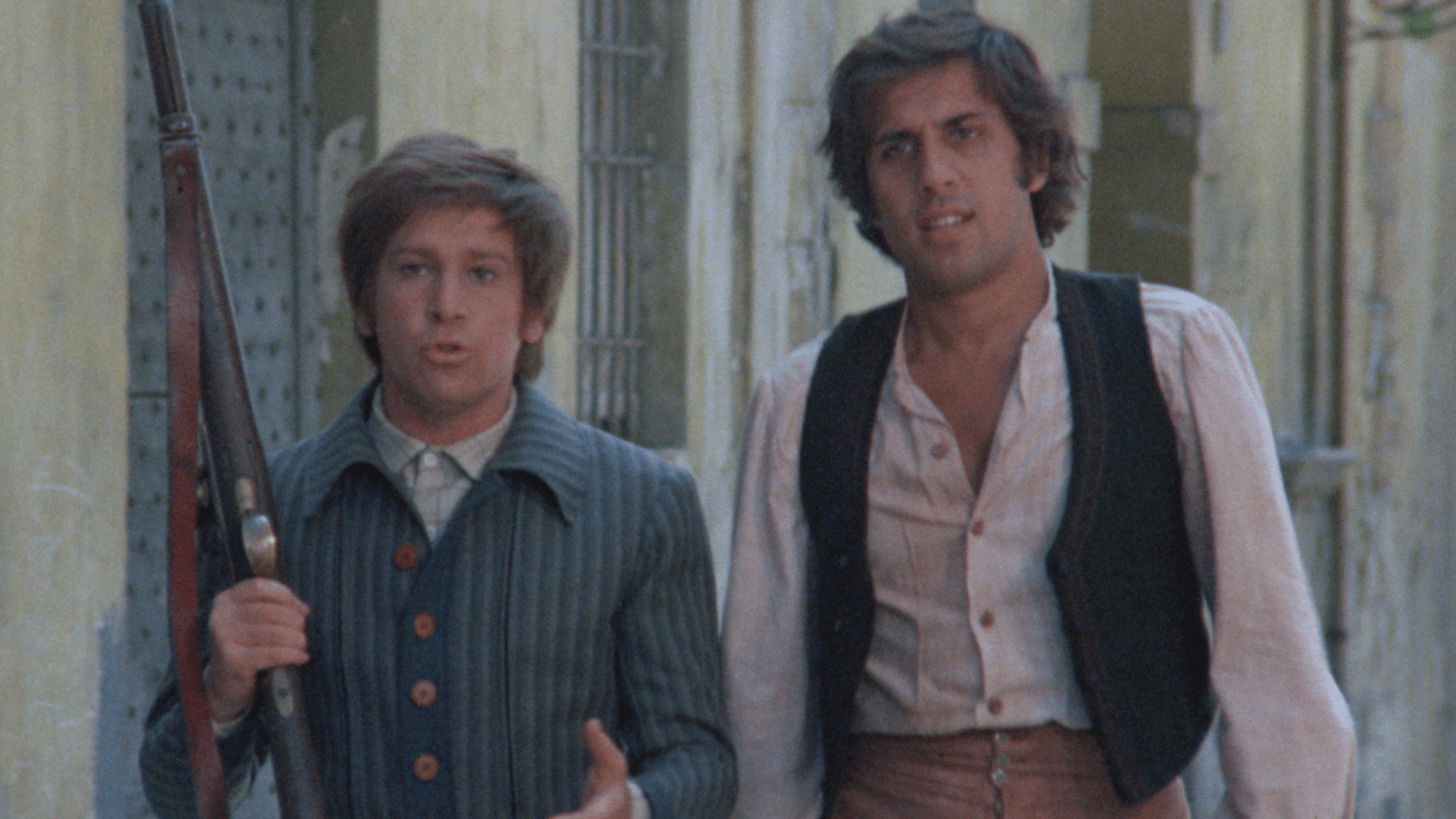
A thief and a baker encounter the distance between patriotic language and the people asked to pay for it.
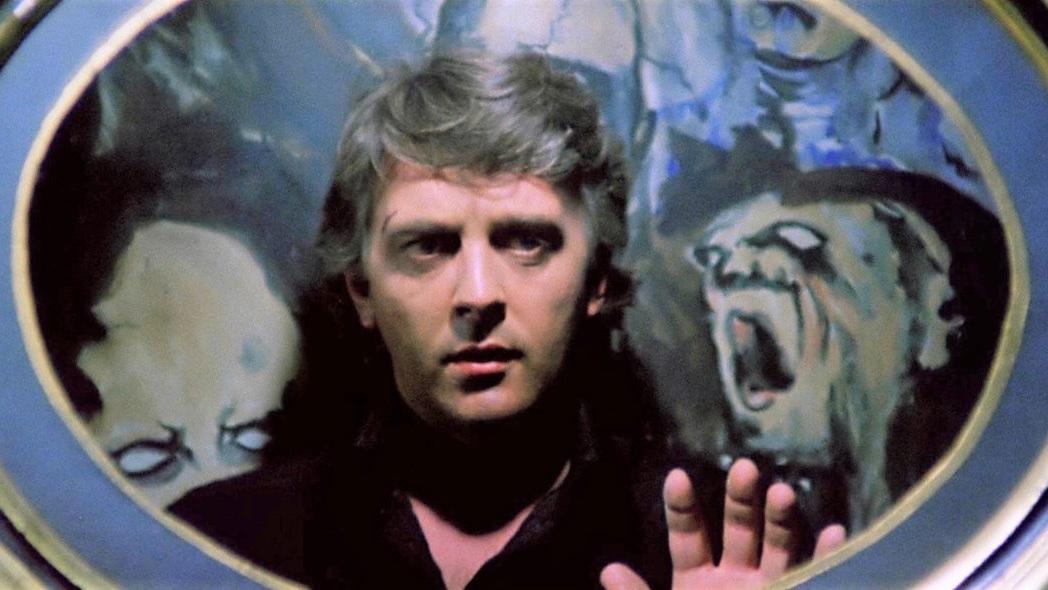
Memory, collaboration, and a film whose different versions change the research.
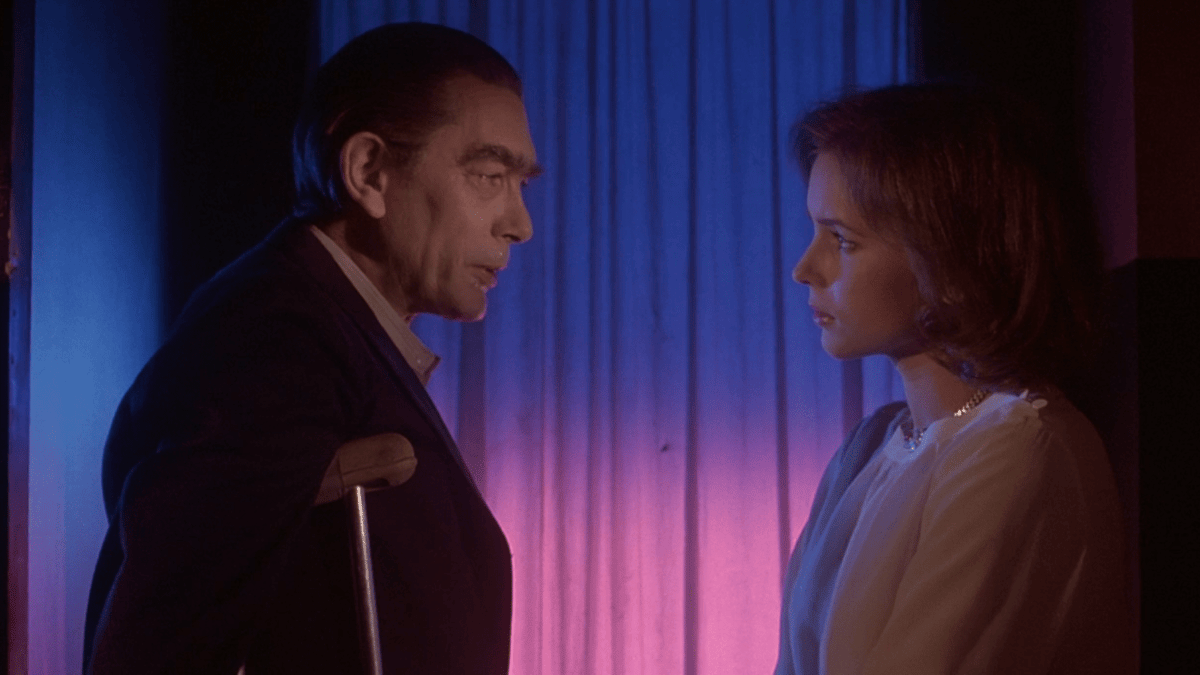
Architecture, correspondence and Keith Emerson’s encounter with Argento’s supernatural world.

A novelist, his readers, and violence in a world that seems unusually exposed.

Insects, institutional disbelief, and the specialist work that makes the impossible visible.
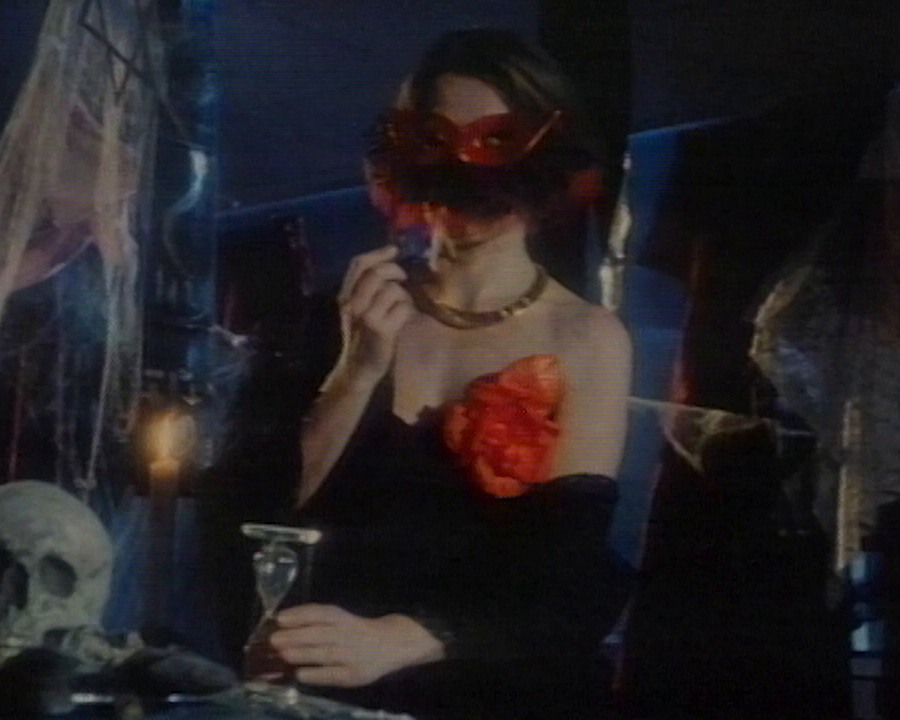
Fifteen taxi mysteries, illustrated scene studies, five interviews and a trail from working screenplay to finished image.
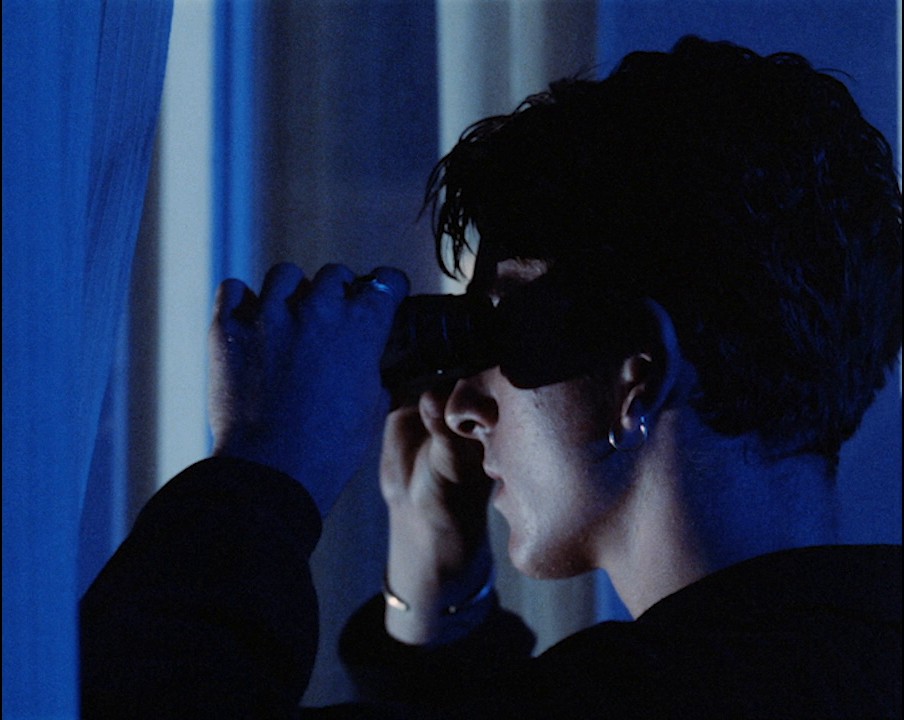
Short nightmares, a recognisable host and the unstable boundary between televised explanation and televised shock.

Performance, looking, and the difference between a film’s story and the frame that carries it.
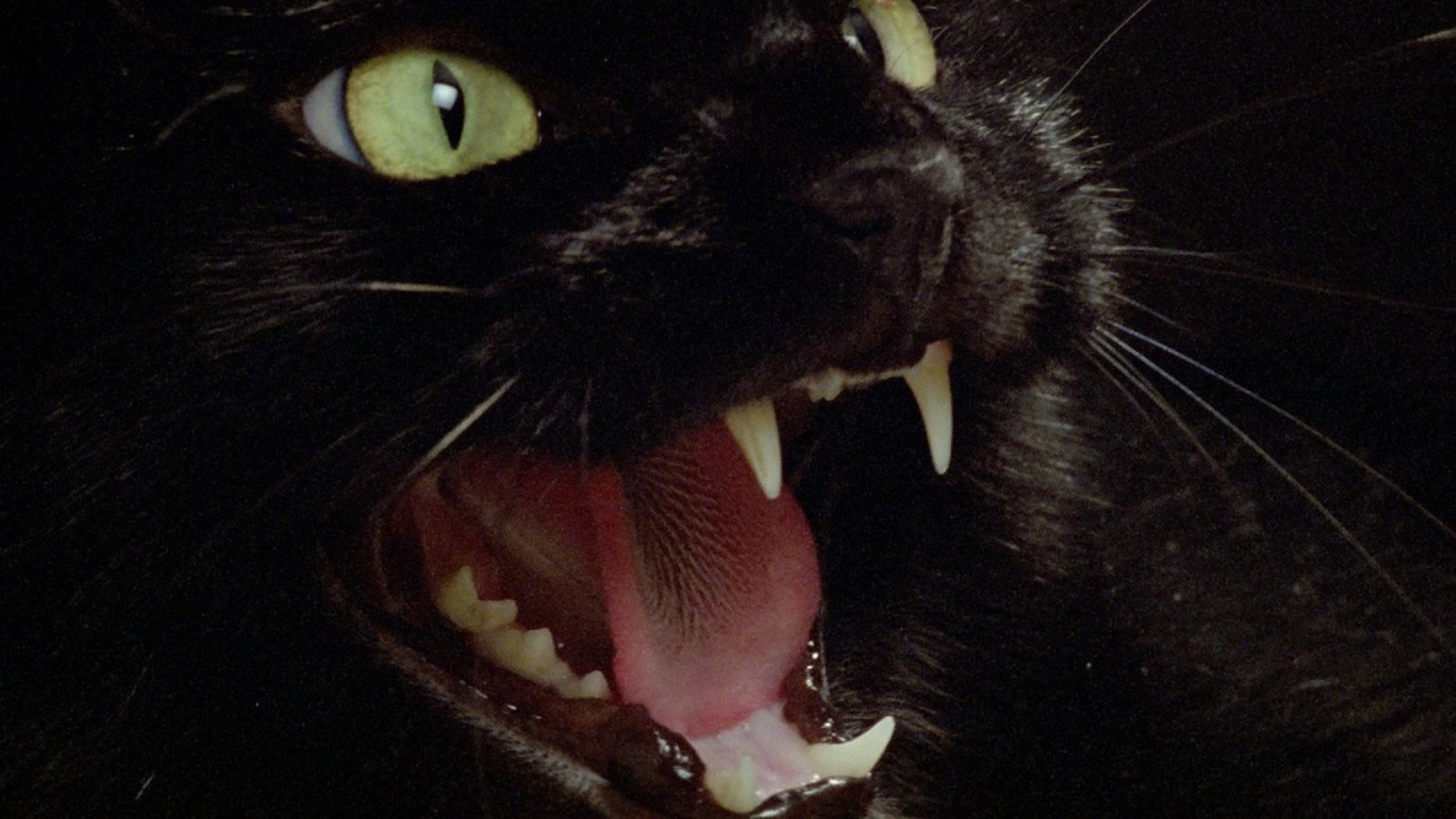
Argento’s The Black Cat turns Poe’s confession into a problem of photography, violence and control over appearances.
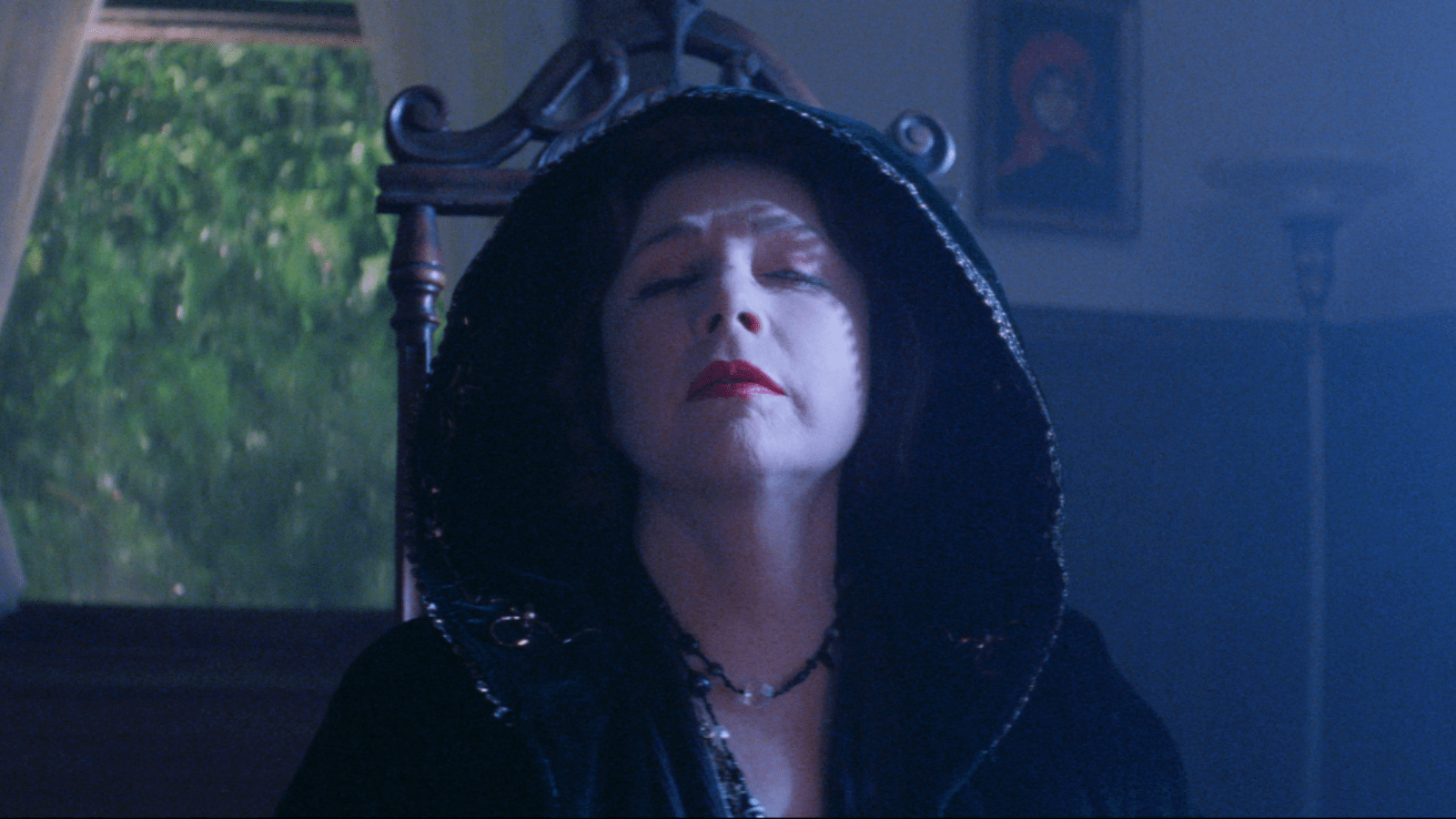
A young witness, an American setting and a mystery in which care and authority demand separate scrutiny.
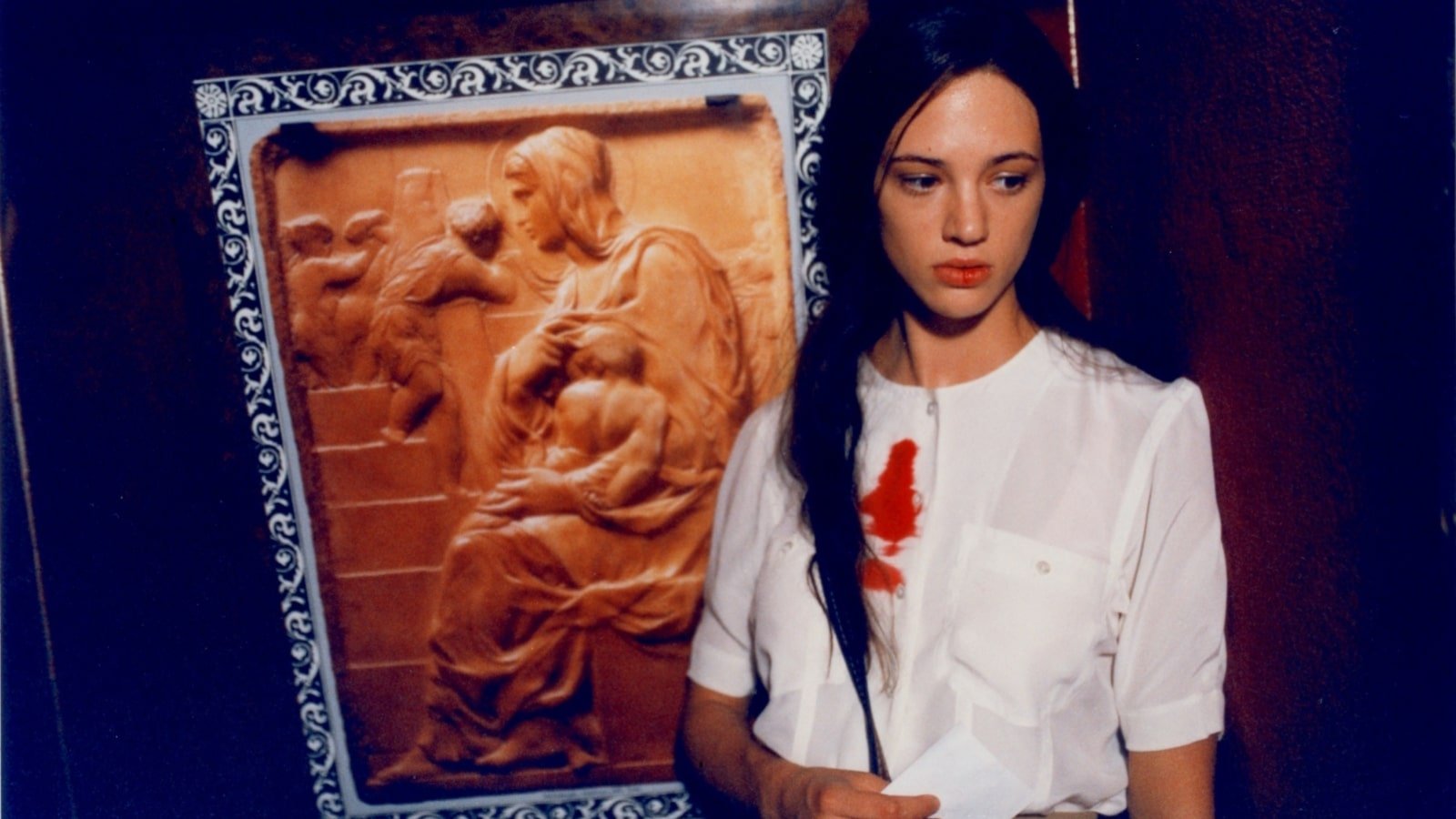
Art, professional identity and violence: an investigation into the dangerous space between a picture and its viewer.
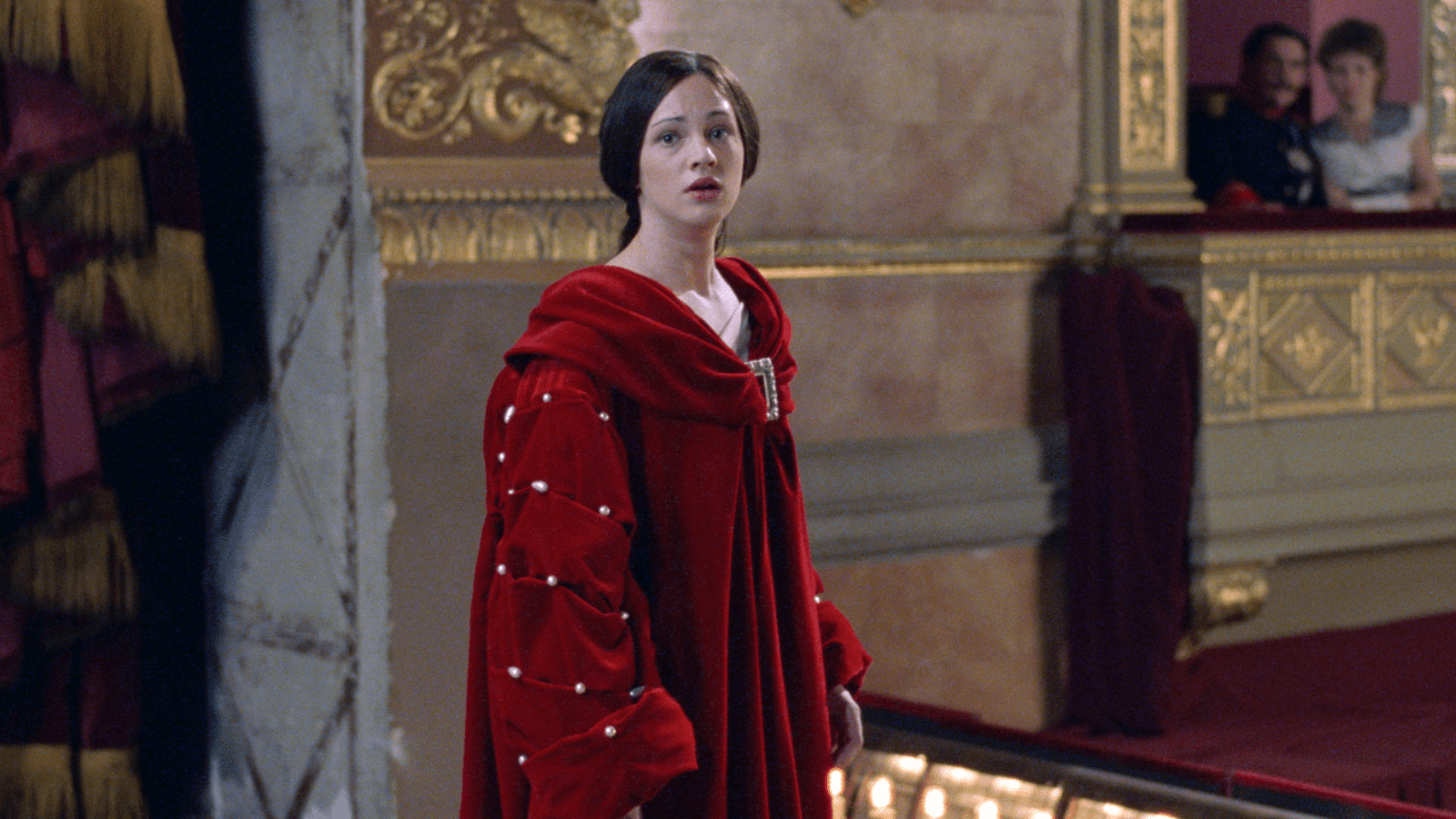
Leroux’s theatre, an outwardly handsome Phantom and the unstable relationship between beauty, performance and possession.
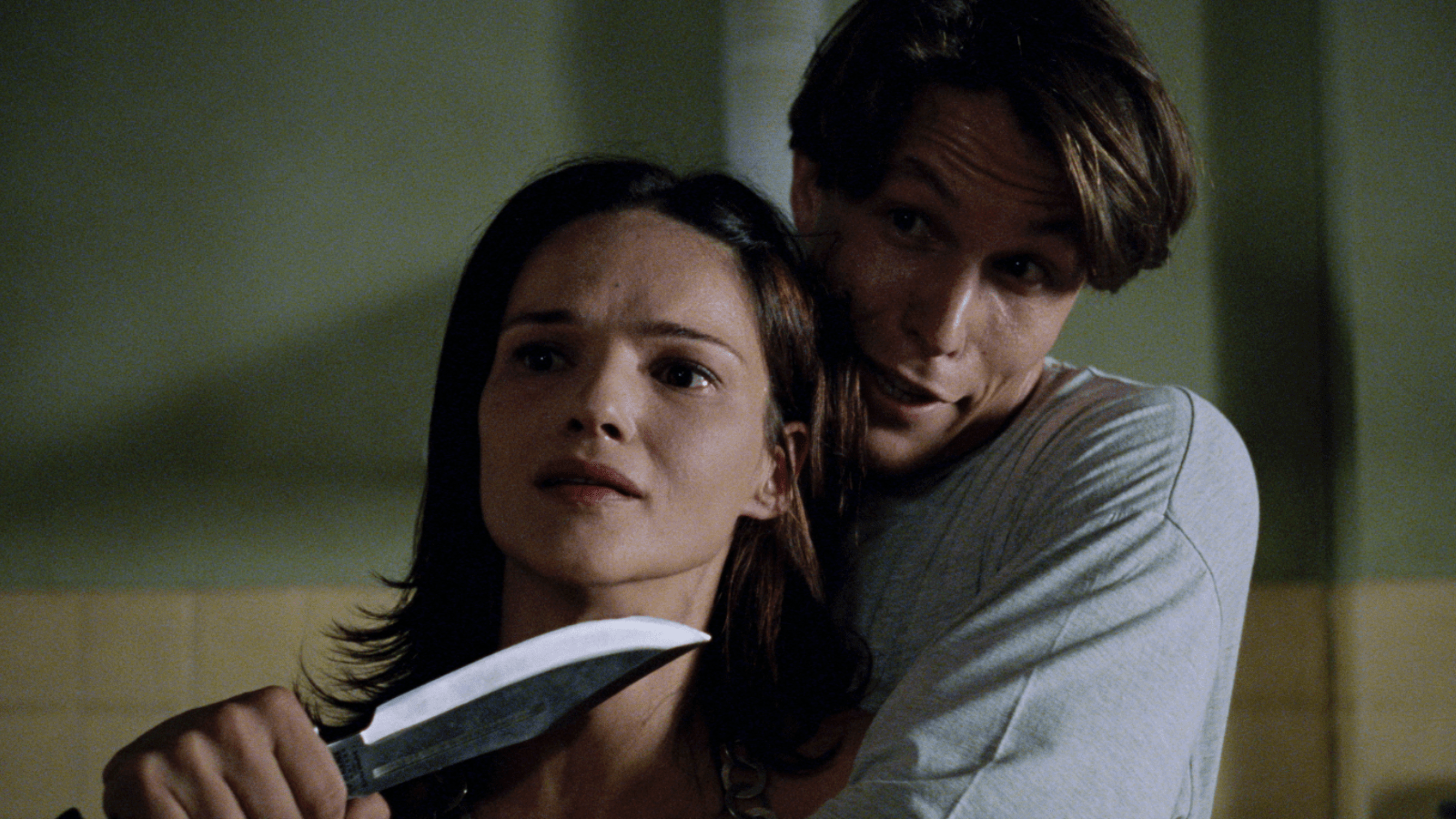
Memory, inherited suspicion and the work of returning: Moretti’s old investigation becomes a new film’s unfinished business.

A police investigation becomes an imposed online game, making access to an image a form of power.
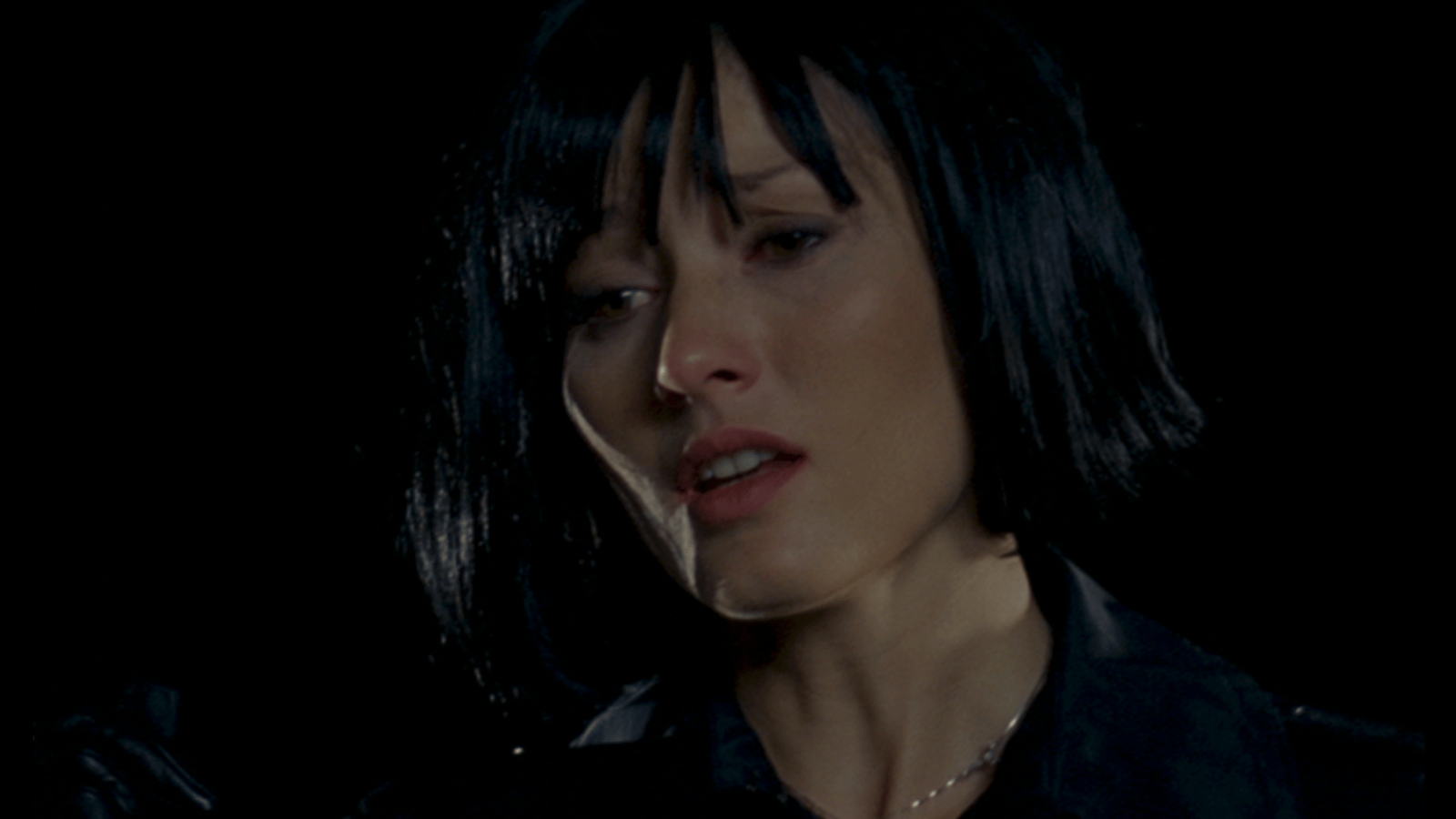
A film student reads his neighbours through familiar thrillers, turning cinephilia into a risky theory of the world.
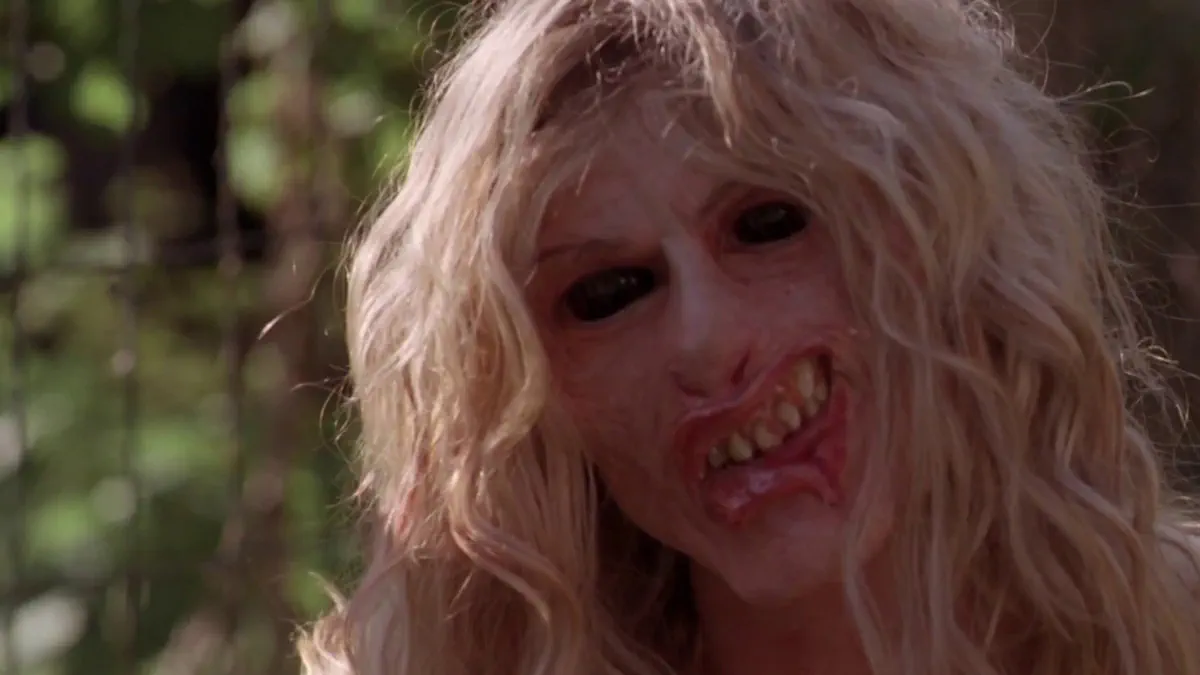
Carrie Anne Fleming’s performance complicates a tale of protection, appetite and the person who believes he is in control.
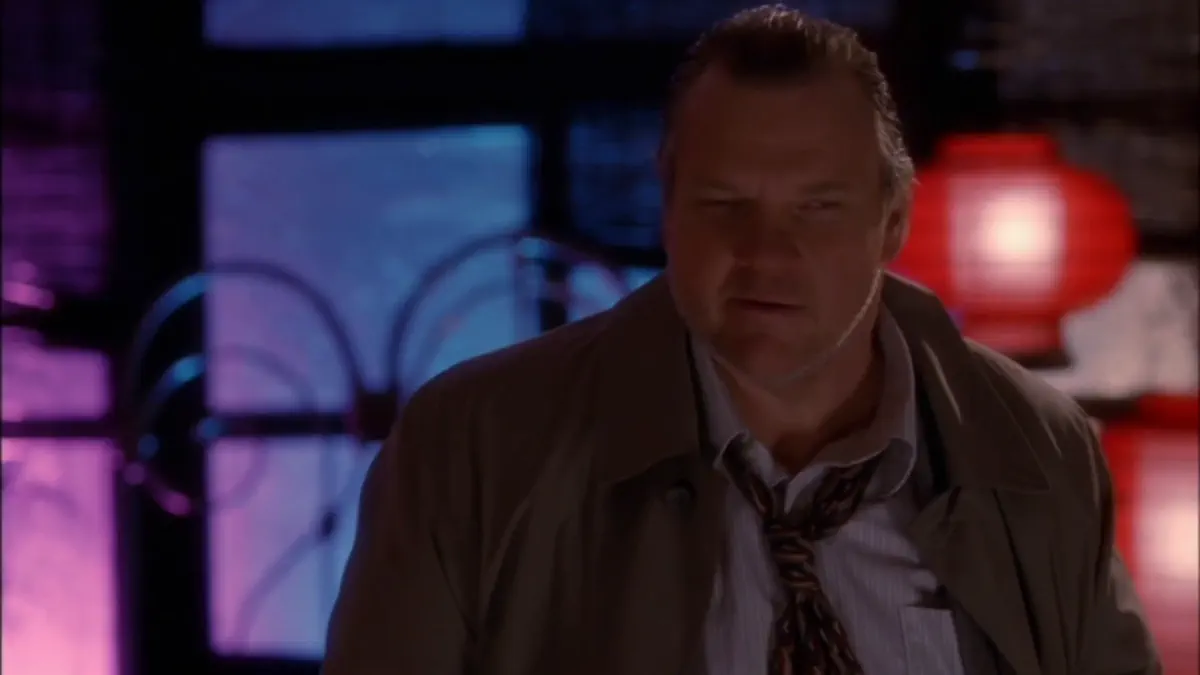
A coveted fur coat turns possession into a bodily problem, in a film whose director resisted a simple moral label.
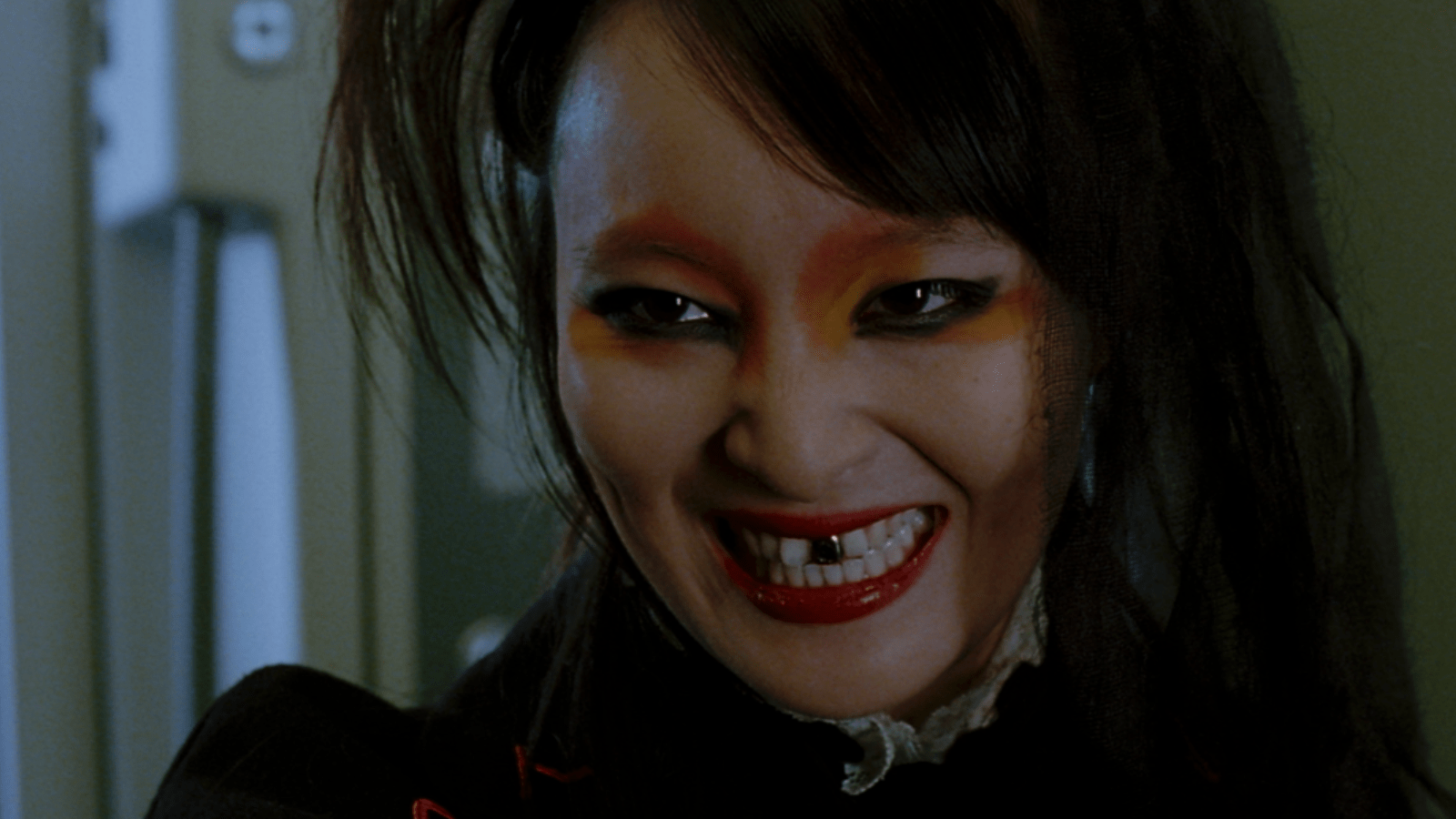
An ancient object, a museum and a catastrophe that takes the Three Mothers beyond the enclosed institution.
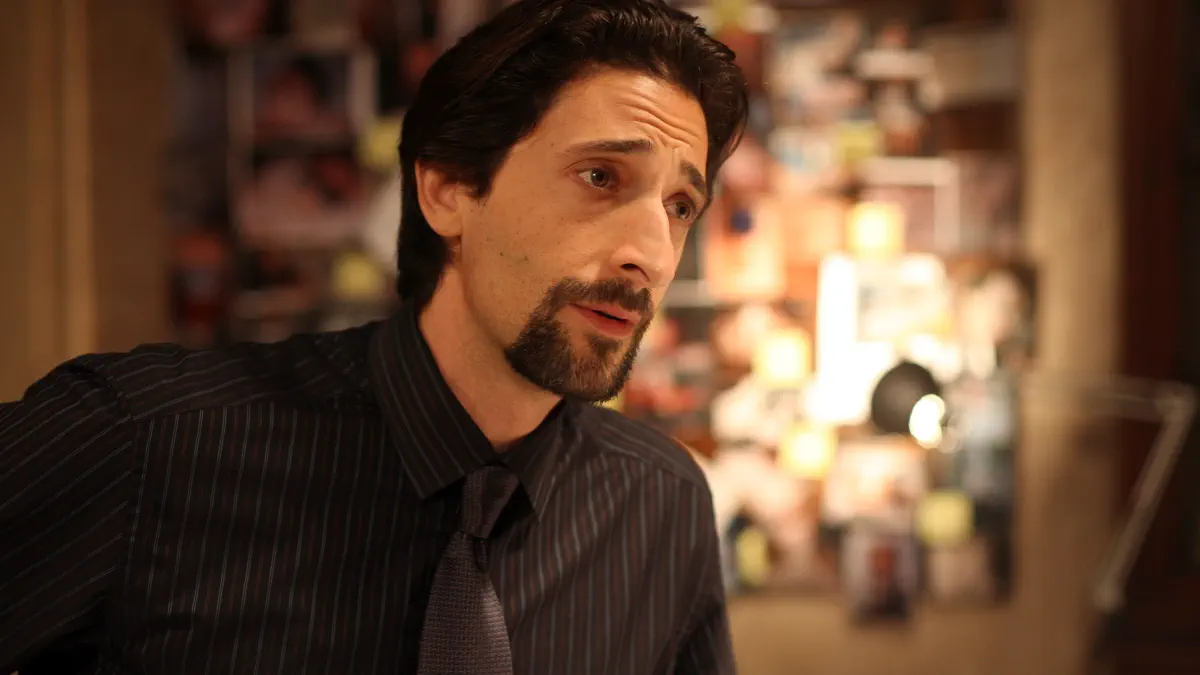
A missing sister, a detective and a title that turns Argento’s own reputation into part of the puzzle.
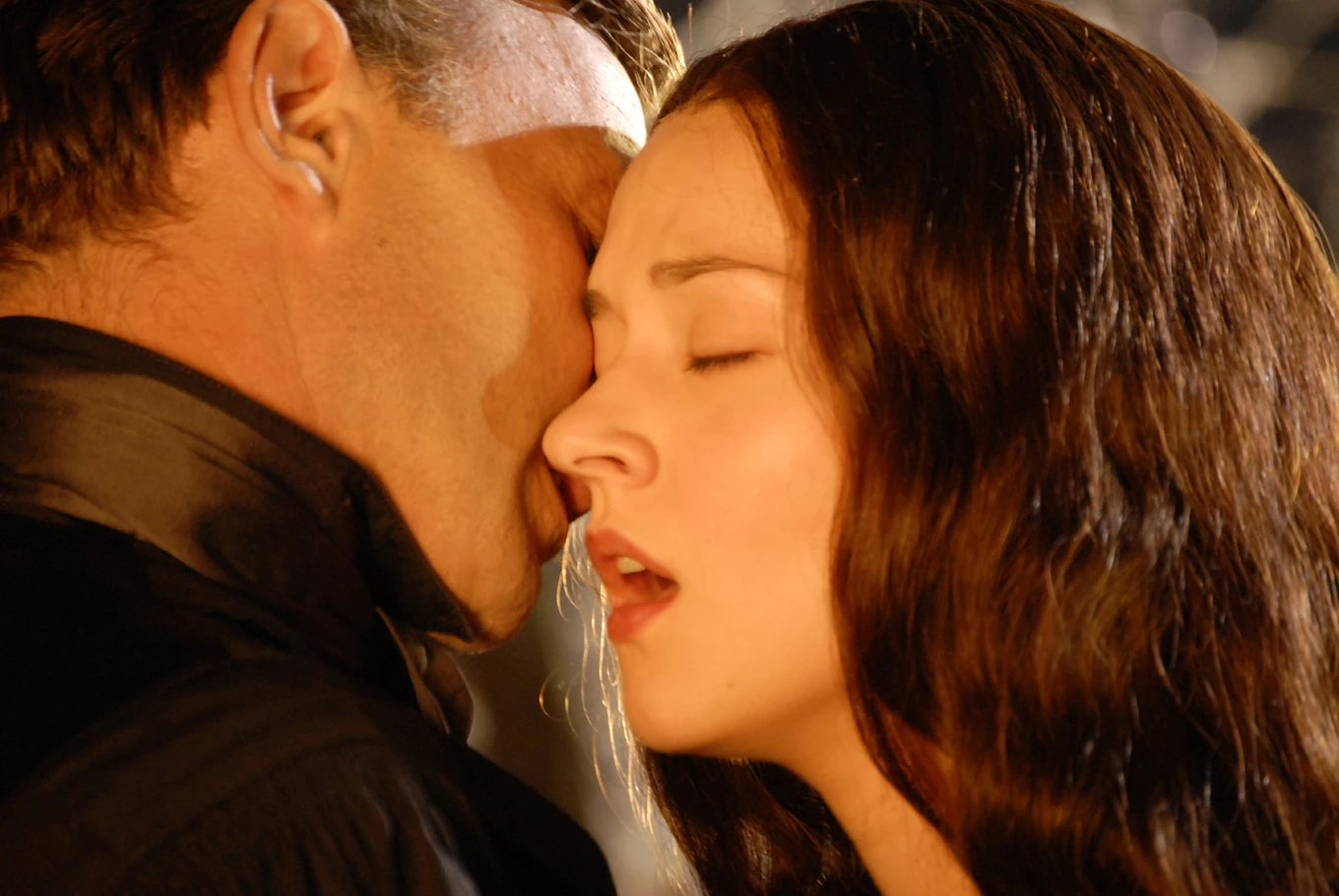
An old vampire, a new spatial experiment, and another meeting between Argento and Luciano Tovoli.
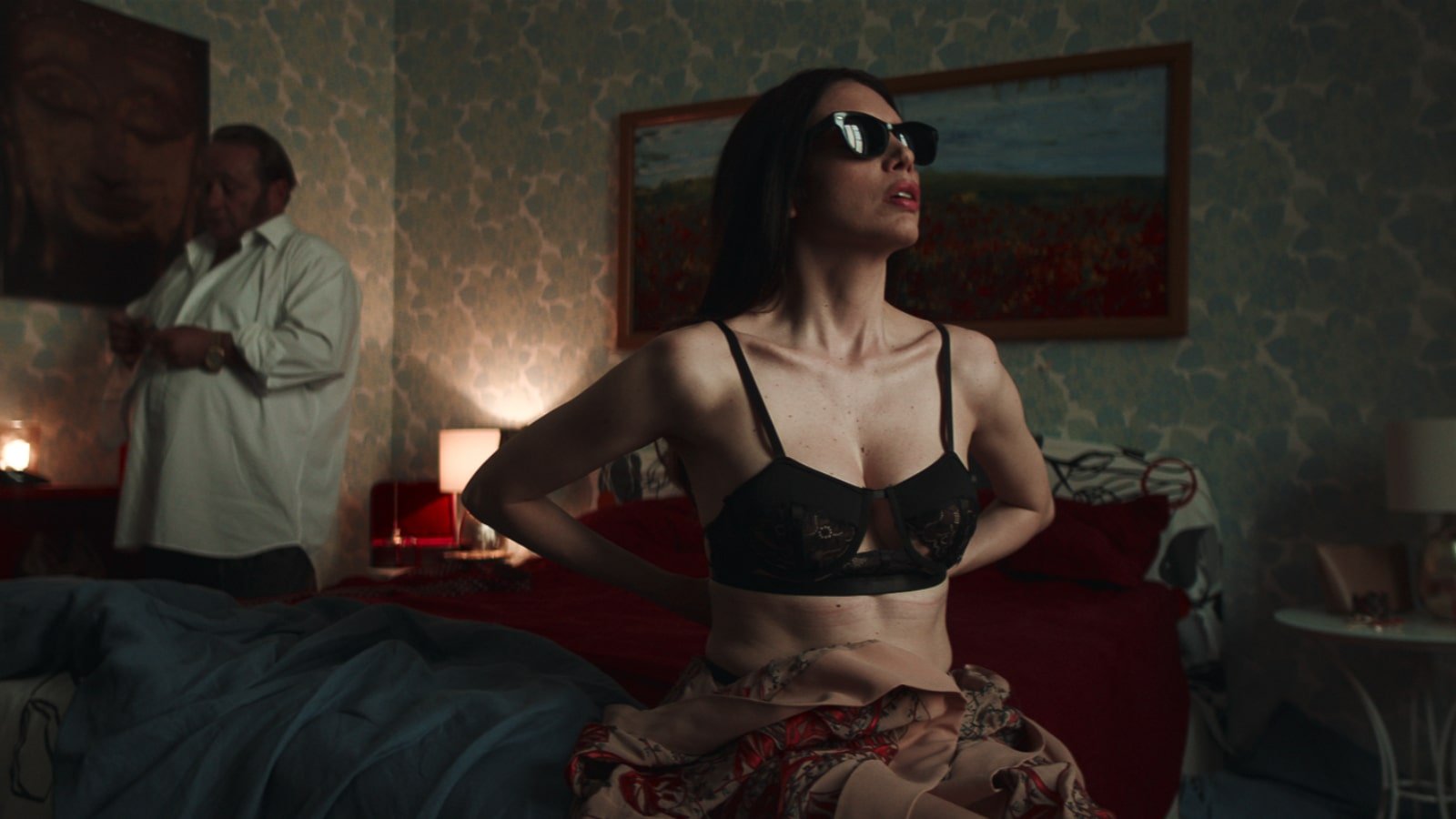
Diana and Chin face a shared danger: a late thriller in which identifying the killer is only one kind of knowledge.
Twenty-six film and television dossiers bring Argento’s cinema into focus, from the early gialli to his latest films. Explore the complete film index →
A selected chronology, not a complete filmography. Sources: Museo Nazionale del Cinema and BFI.
02 / ANATOMY OF AN IMAGE
Set design, light, and the laboratory.
Follow the choices behind the colour.
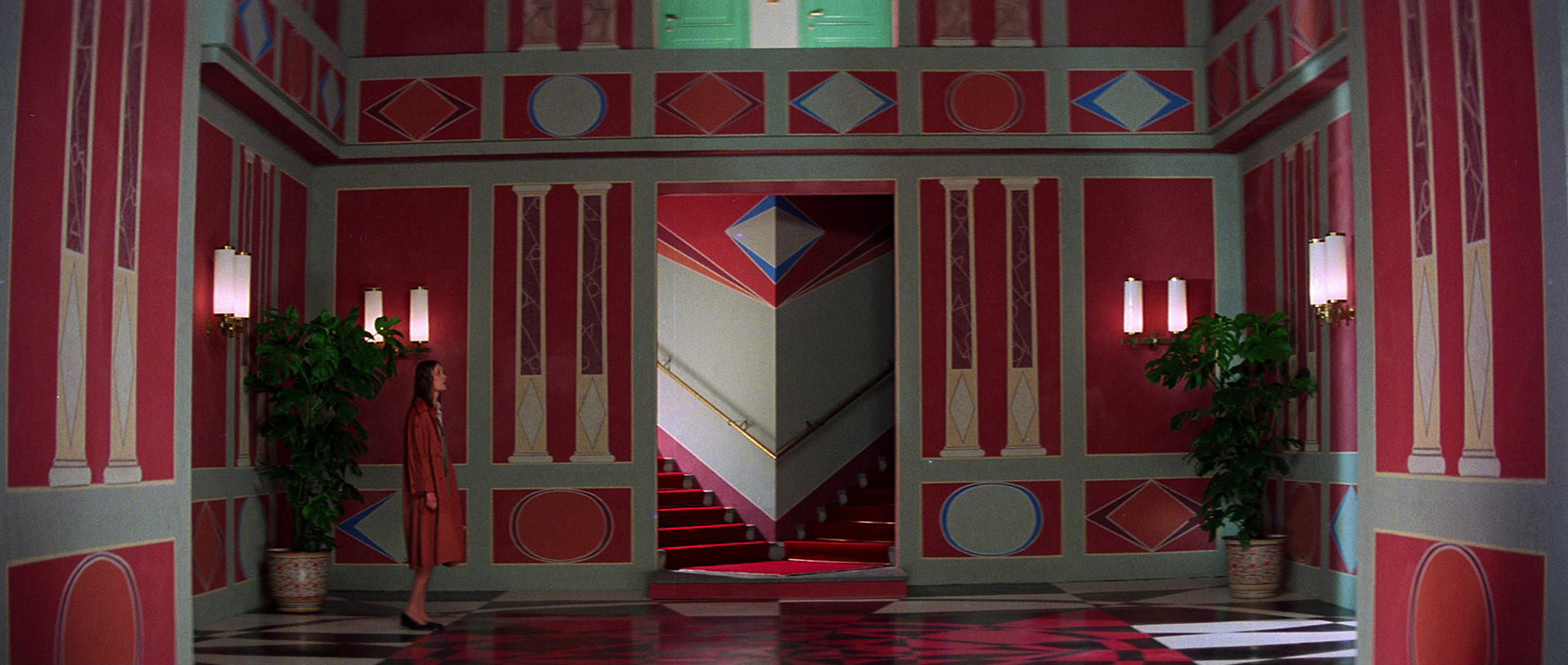
I / WRITING & DESIGN
Daria Nicolodi co-wrote the film with Argento. Tovoli’s production account places Giuseppe Bassan’s sets within the collaboration that shaped its visual world.
Explore writing and authorship →II / LIGHT & PRINTING
Coloured light, fabric and paper, mirrors, exposure, and dye-transfer printing all enter Tovoli’s explanation. The look was constructed across several departments.
Explore the construction of colour →III / EDITIONS
Restoration sources, colour supervision, presentation format, and sound mixes belong in the same record. Synapse’s edition specifications give us concrete starting points.
Compare editions and formats →Our Suspiria dossier brings together production accounts, visual studies, documents, film credits and a searchable research register. Explore the academy from its first red doorway to the people and processes behind its world.
ENTER THE FULL DOSSIER →03 / THE COLLECTION
Posters, pressbooks, lobby cards, soundtrack sleeves, and production designs are part of the films’ material history. Explore their designs, histories and place in the collection.
Own a piece of Argento cinema. Explore artist prints, theatrical posters, Japanese programmes, VHS and LaserDisc through our affiliated stores, Rare Prints & Posters and Rare VHS & LaserDiscs. EXPLORE THE SHOP → · DISCOVER THE COLLECTION →
EXHIBITION REFERENCE / TURIN
Museo Nazionale del Cinema
6 April 2022 – 15 May 2023
Photographs, production objects, archives, collectors, and first-person film accounts.
EXPLORE THE MUSEUM’S RECORD ↗Explore the Museo Nazionale del Cinema’s exhibition record for another route through Argento’s films, collaborators and production objects.
04 / THE PEOPLE BEHIND THE IMAGE
Follow the people across films.
Discover the craft behind the films.
05 / THE READING ROOM
Four expanded essays across the films.
Follow the people, the images and the evidence.
ABOUT ARGENTOCHROME
Argentochrome brings Dario Argento’s cinema into focus: twenty-six film and television dossiers, six collaborator studies and four Reading Room essays. Discover the people behind the images, follow the history of the films and find a piece for your own collection. About Argentochrome →
Corrections, contributions and enquiries: argentochrome@rareprintsandposters.com