01 / FRIDAY EVENING / RAI DUE
A nightmare inside a larger evening
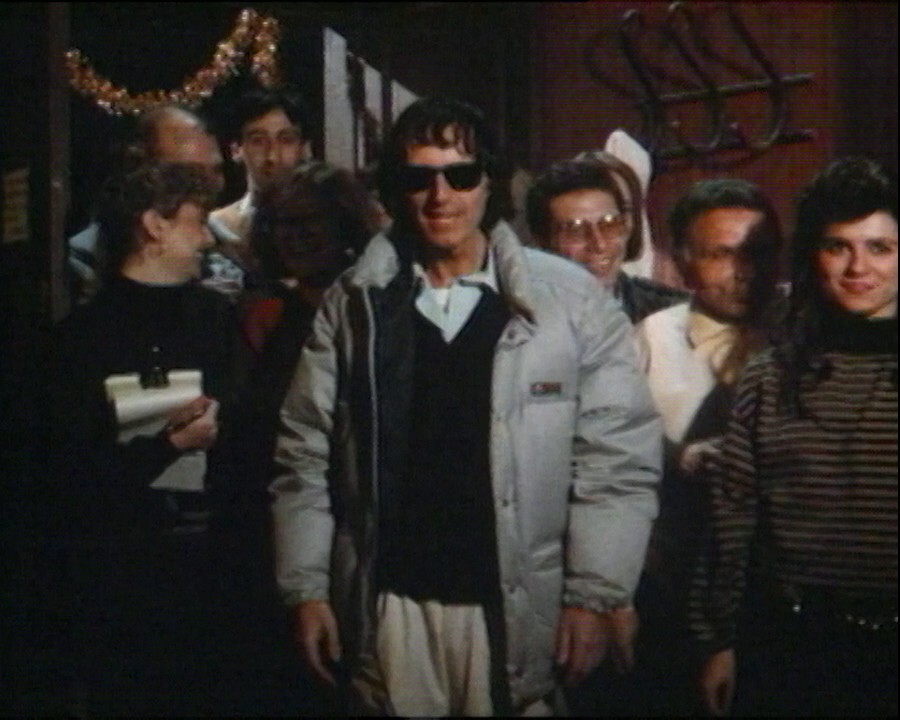
The original television page of l’Unità for Friday 2 October 1987 lists Giallo, with Enzo Tortora, at 20:30 on Rai Due. Its preview places Argento’s imagination beside crime reporting, mystery and a fiction whose ending the audience must guess. The page has been visually inspected. It establishes the announced launch context, rather than an individual nightmare’s exact transmission time. Launch-day listing and preview, page 20 ↗
That mixture matters. The same evening could invite viewers to understand a crime, solve a fictional puzzle and surrender to a disturbing image. A short nightmare occupied a different contract with its audience from a quiz: its force need not depend on supplying enough evidence for a fair solution. It could end at the point when explanation became least comforting.
In a 2011 written interview, programme writers Laura Grimaldi and Marco Tropea recall an ensemble of contributors, with Oreste del Buono involved in the writing team. Grimaldi remembers Argento arriving with his effects and managing his own space. Tropea distinguishes their mystery-writing work from the programme’s other components. The writers’ retrospective testimony ↗
This is a useful limit on the possessive title. Argento’s name organises the nightmares, but it does not make every part of Giallo his work. Nor should the series be confused with his later feature Giallo. The television setting supplies both collaborators and a rhythm of interruption: an individual short belongs to a programme that continues after it.
02 / THE NINE-TITLE WORKING INDEX
What belongs to the collection?
Davinotti’s programme history catalogues nine nightmares and distinguishes them from Turno di notte / Night Shift, the longer mysteries directed by Luigi Cozzi and Lamberto Bava. The following is a working index in that source’s order, not a reconstructed broadcast schedule or a transcription of opening titles. Catalogue and programme distinctions ↗
The index brings the nine shorts together. The illustrated guide above follows their scenes and effects; the chapters below retain the programme history and earlier source research.
A collection also needs boundaries. Severin places Night Shift on its third disc and Nightmares on its fourth, with Giallo Argento as a separate supplement. Publisher’s disc contents ↗ Those distinctions prevent studio material, quizzes and individual shorts from being counted interchangeably.
03 / LA FINESTRA SUL CORTILE
The screen teaches the viewer to look
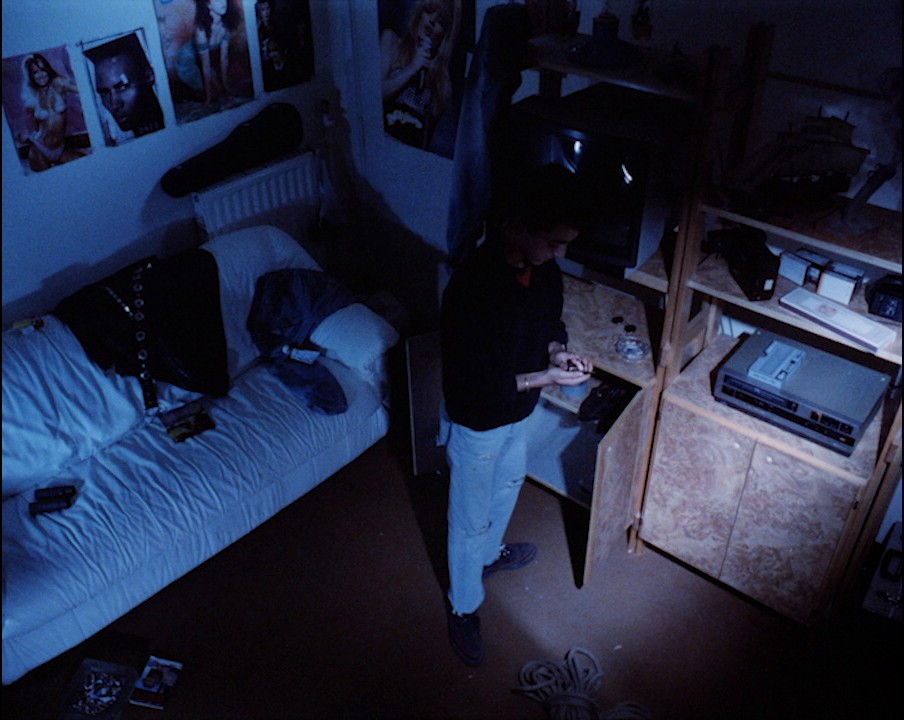
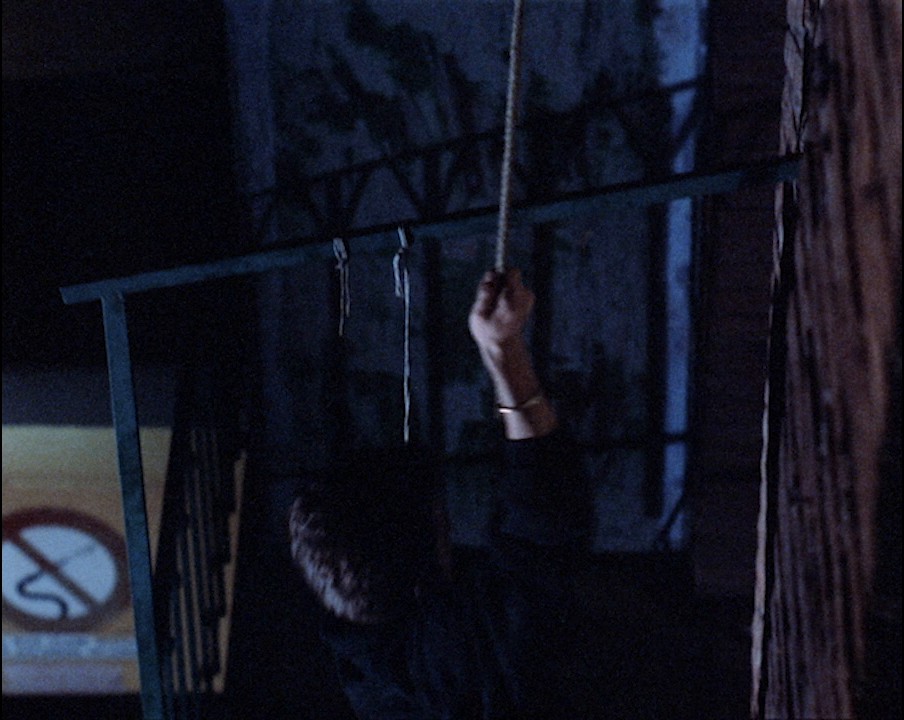
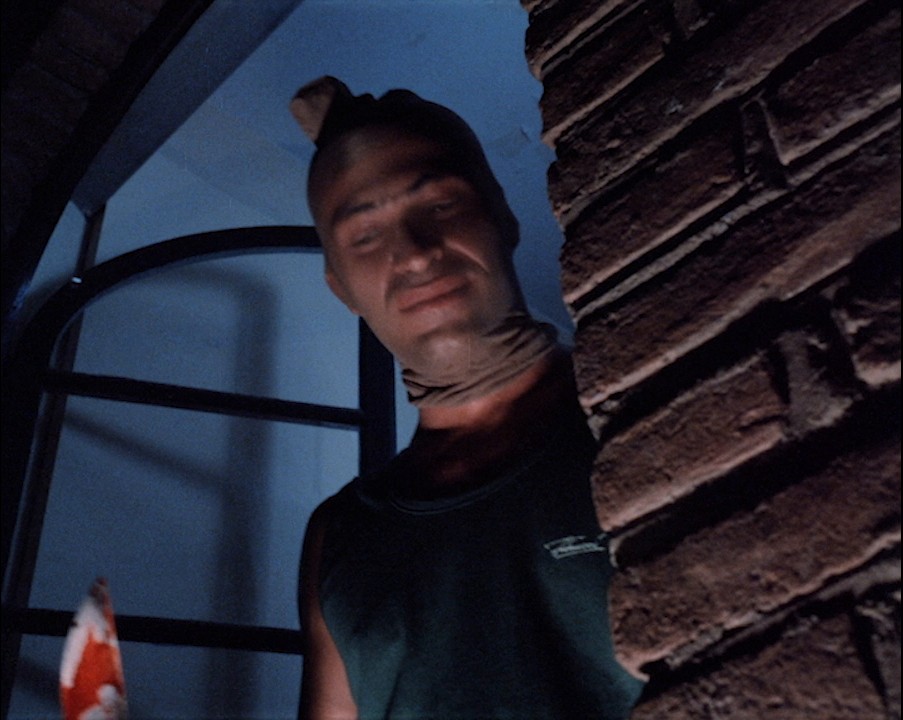
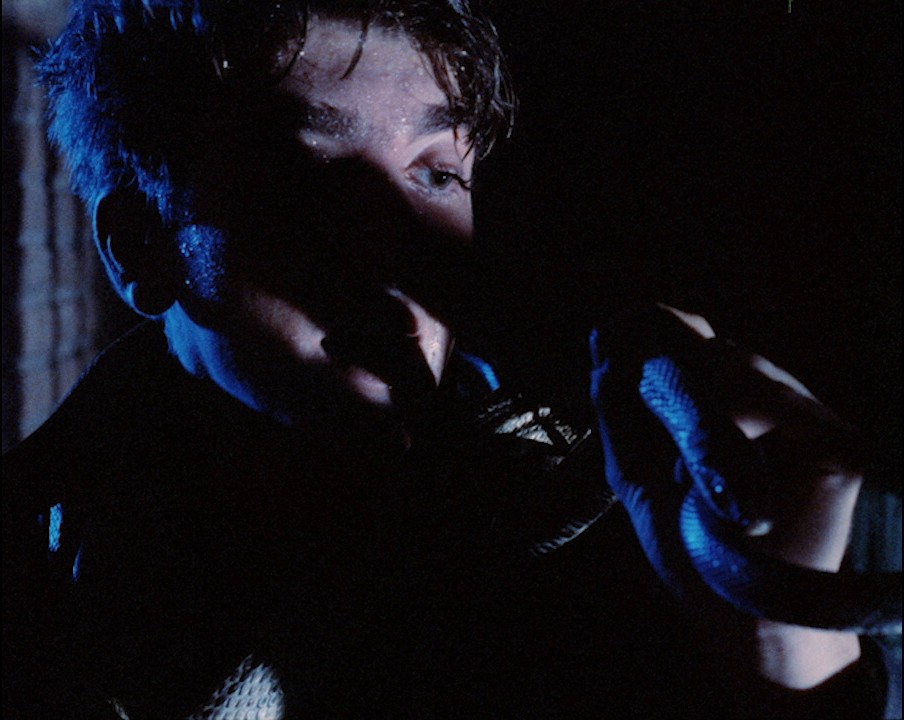
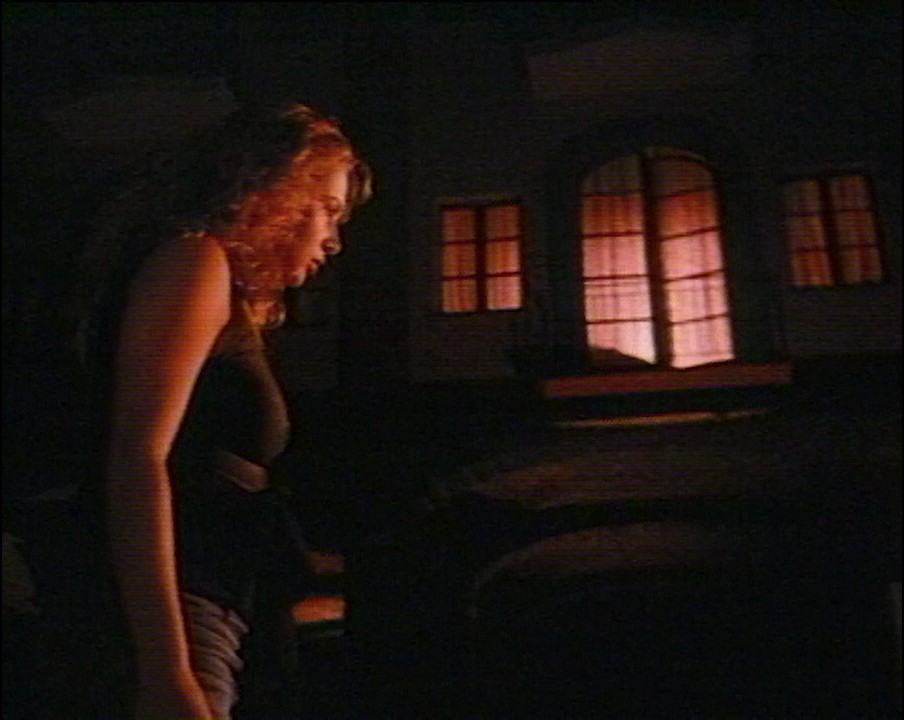
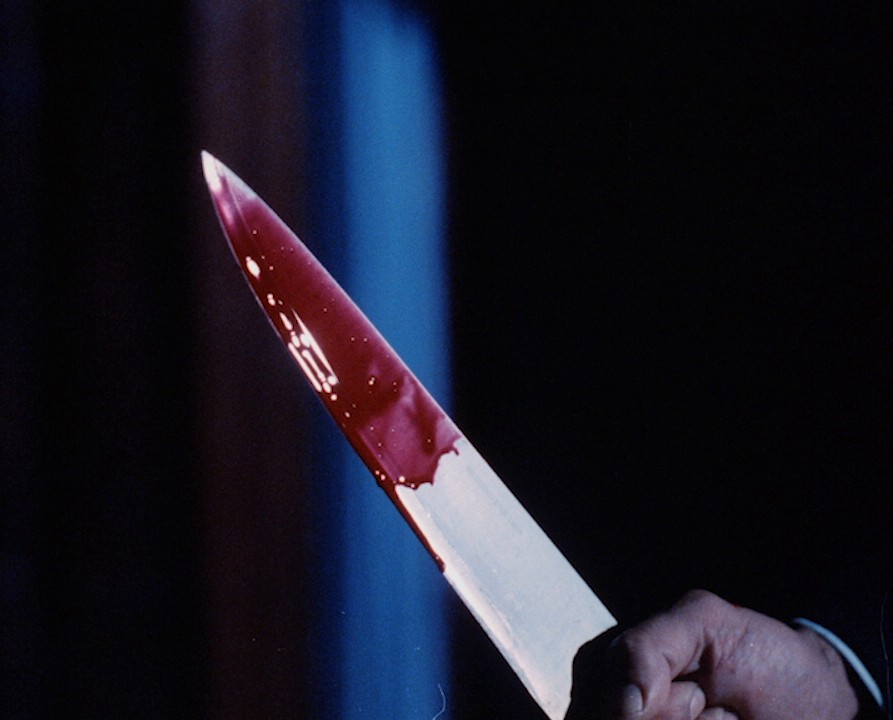
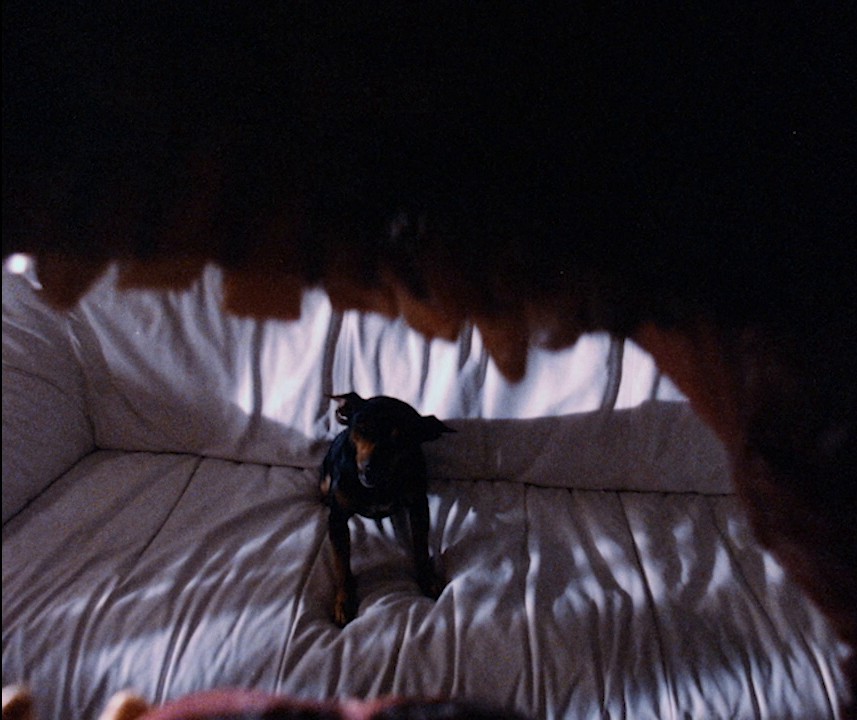
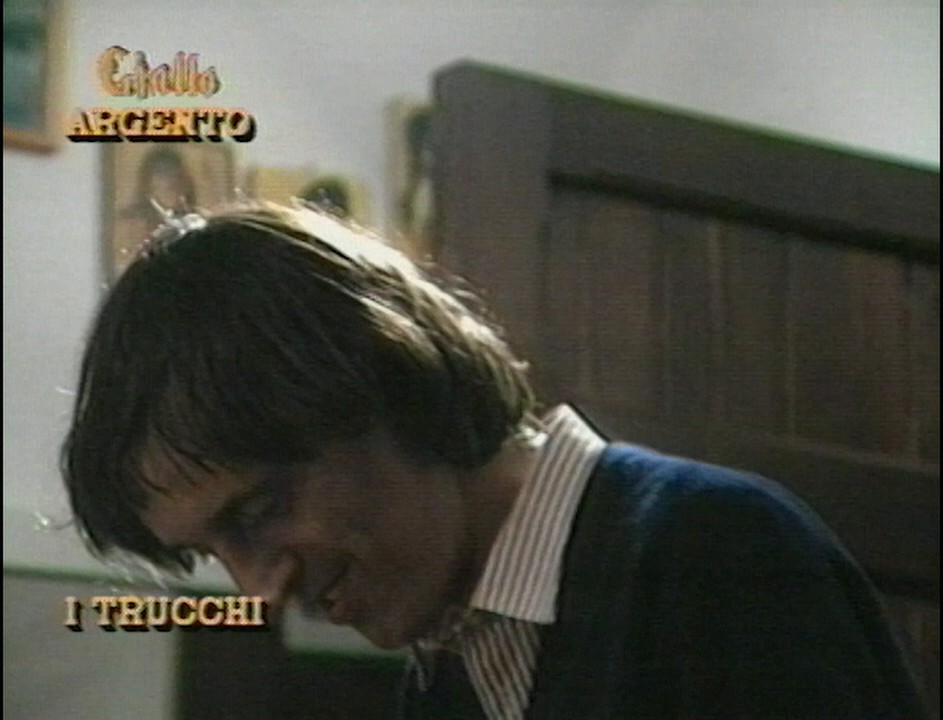
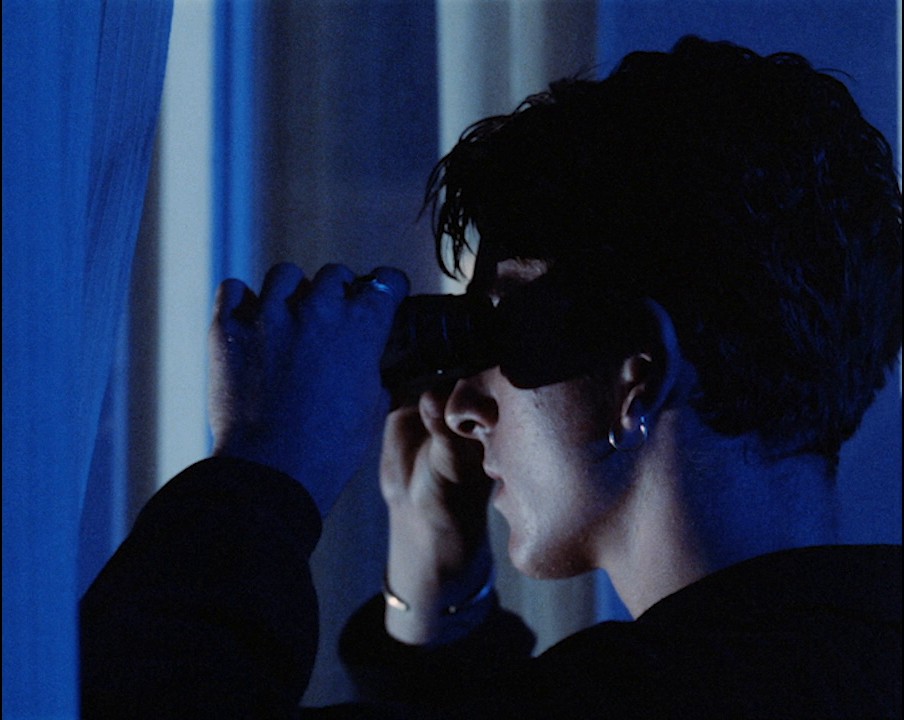
Davinotti’s account describes a young man watching Hitchcock’s Rear Window, then witnessing a murder across the way. When he goes to investigate, snakes attack him upstairs. The documented premise and ending ↗ The direct scene study above follows the bedroom, the crossing and the return of the snakes in the short itself.
The premise places one act of viewing inside another. A television spectator watches someone who is himself watching a film, then encounters a situation that appears to answer it. Cinema becomes a model for interpreting the world beyond the screen. The question is whether recognising the model makes the observer any safer.
Crossing the space between observation and investigation changes the spectator’s role. What seemed available at a distance becomes a physical risk. The nightmare does not need the elaborate reconstruction of a feature-length mystery: the transition from looking to entering can supply its organising movement.
The comparison also gives this miniature a place beside The Bird with the Crystal Plumage and Do You Like Hitchcock?. Across these dossiers, a useful shared question is what spectators think an image permits them to know. Here, the Hitchcock reference is already part of the documented situation; claims of matching shots would require direct comparison.
04 / IL VERME / NOSTALGIA PUNK
A domestic space becomes a bodily emergency
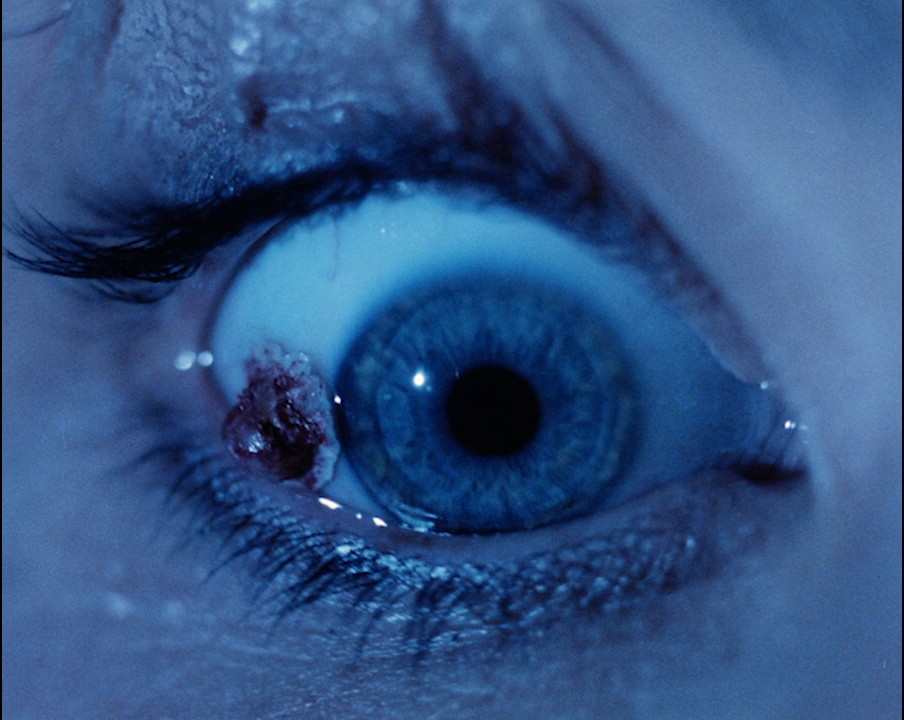
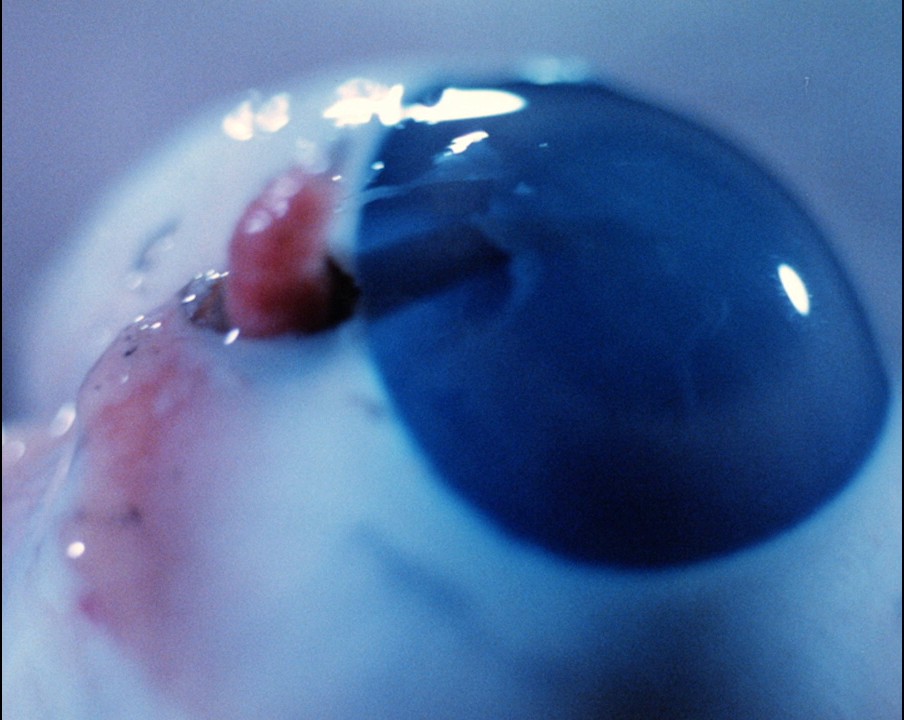
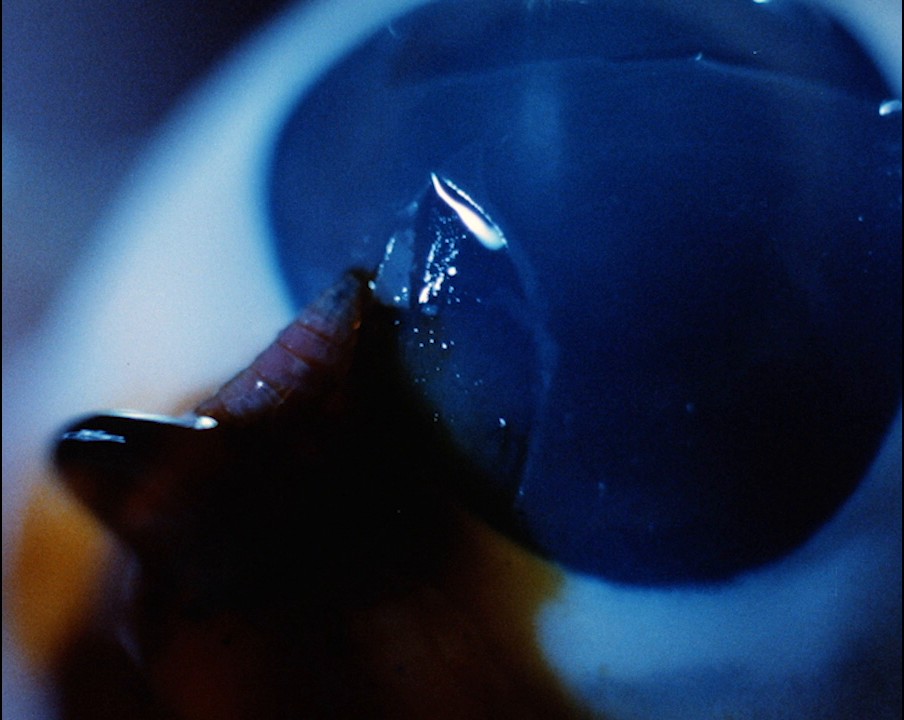
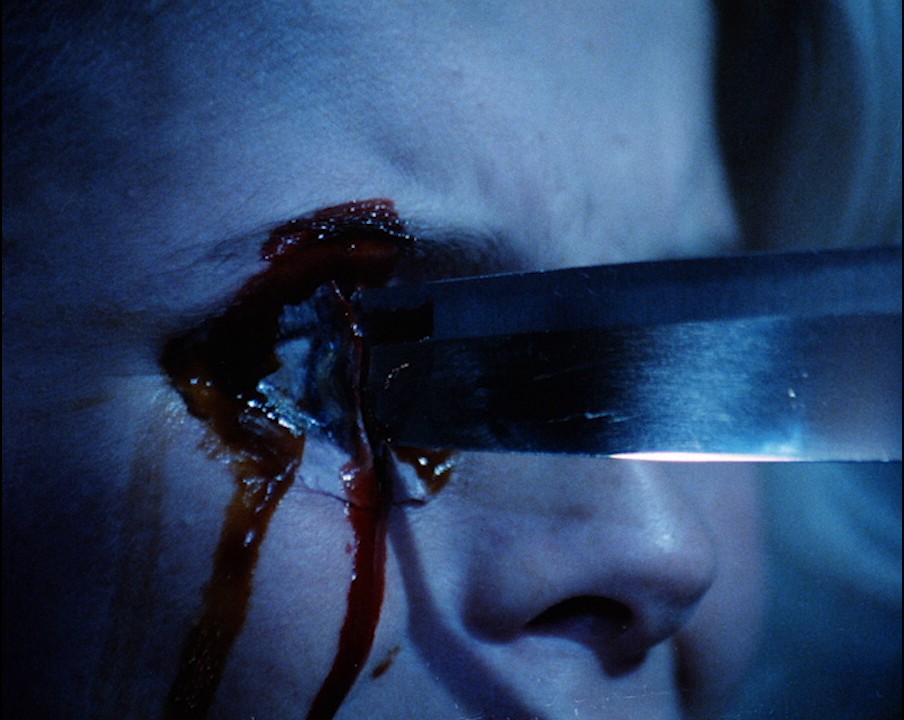
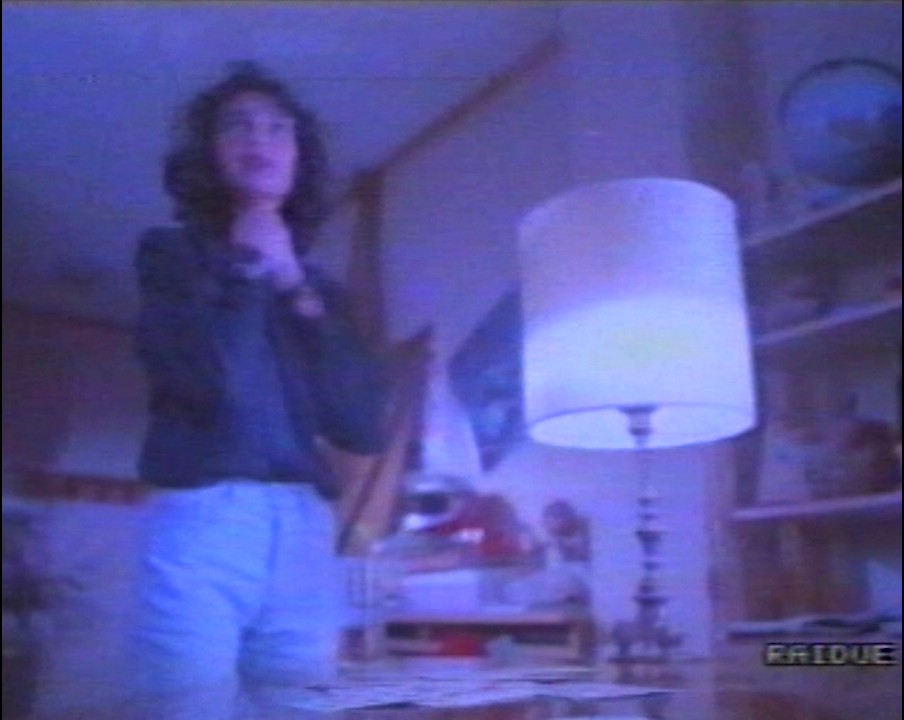
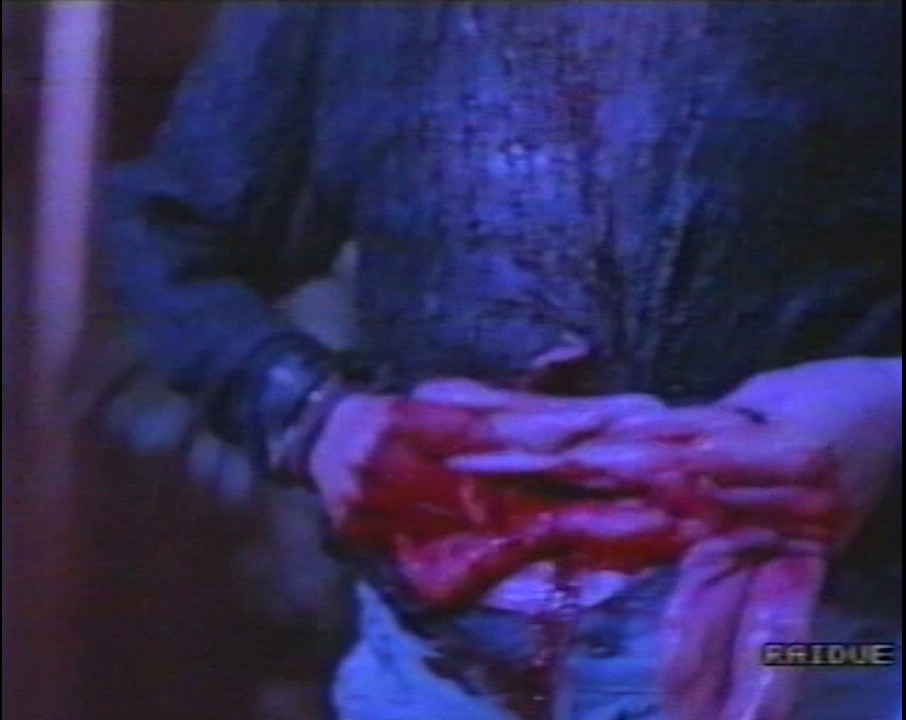
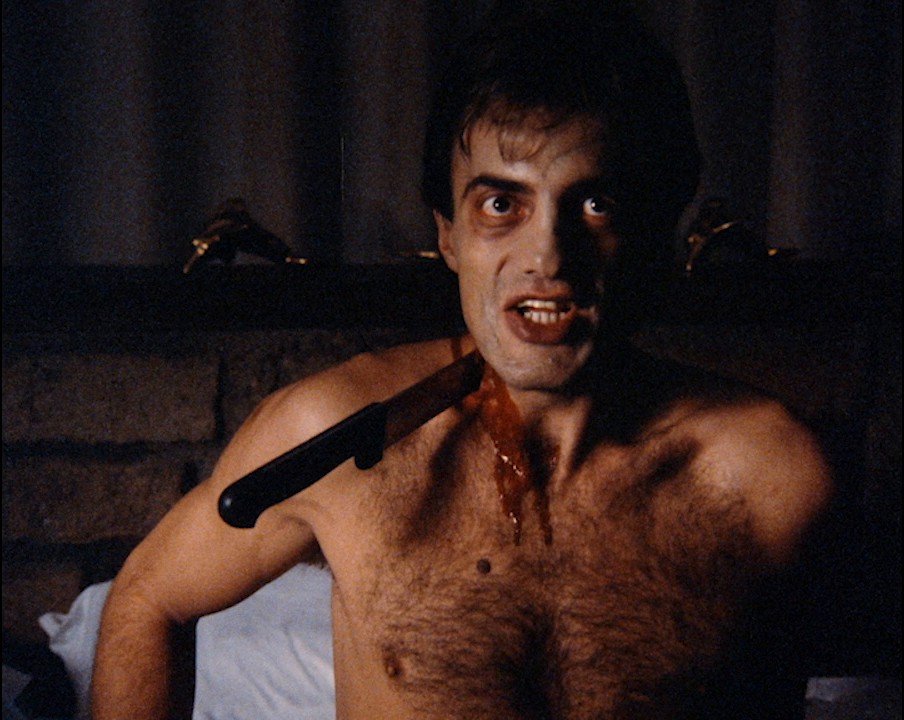
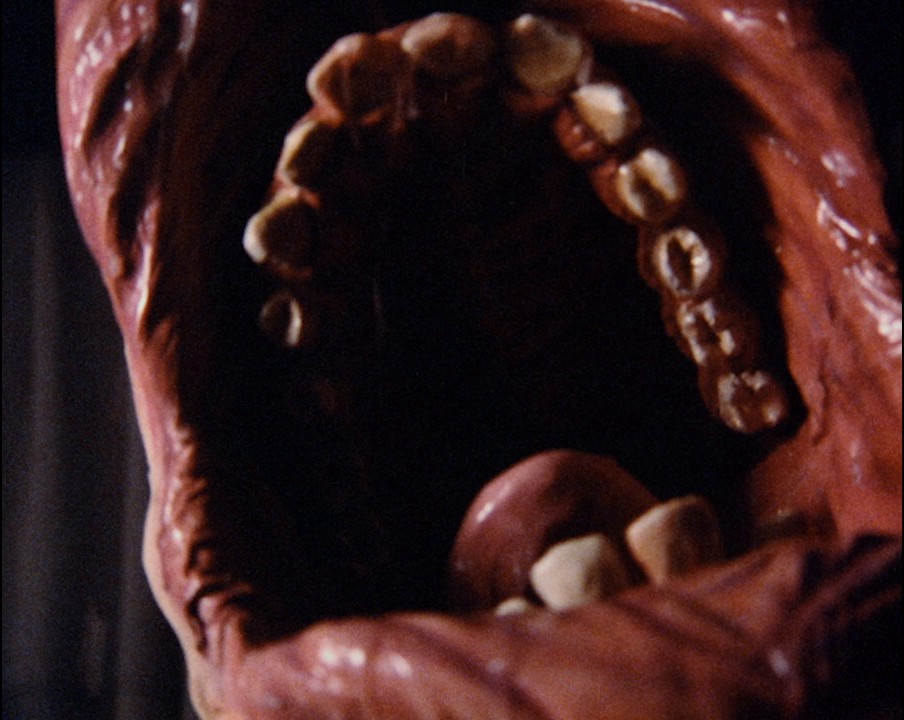
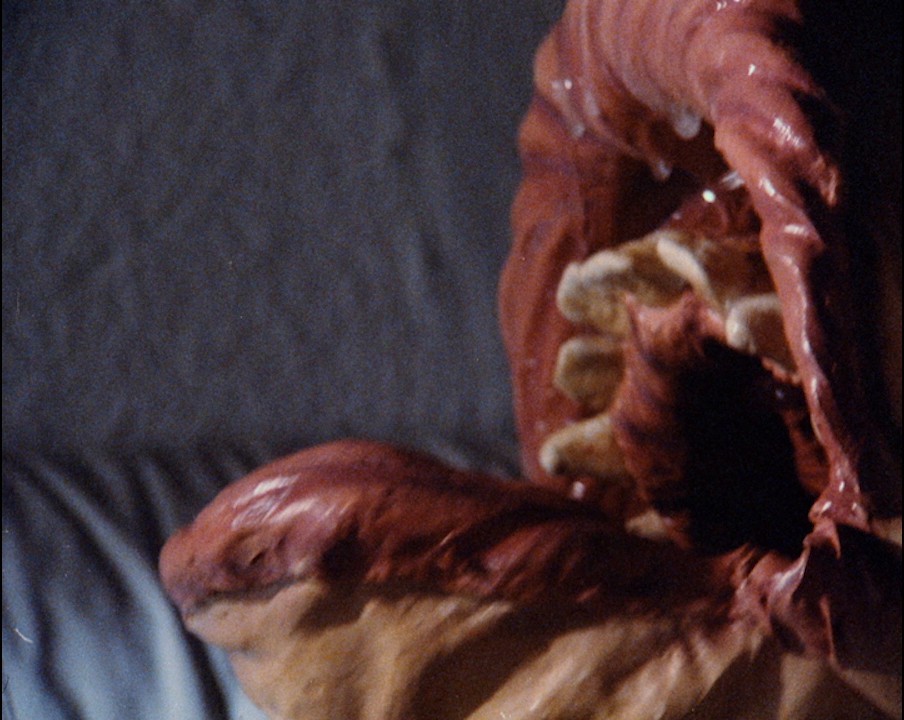
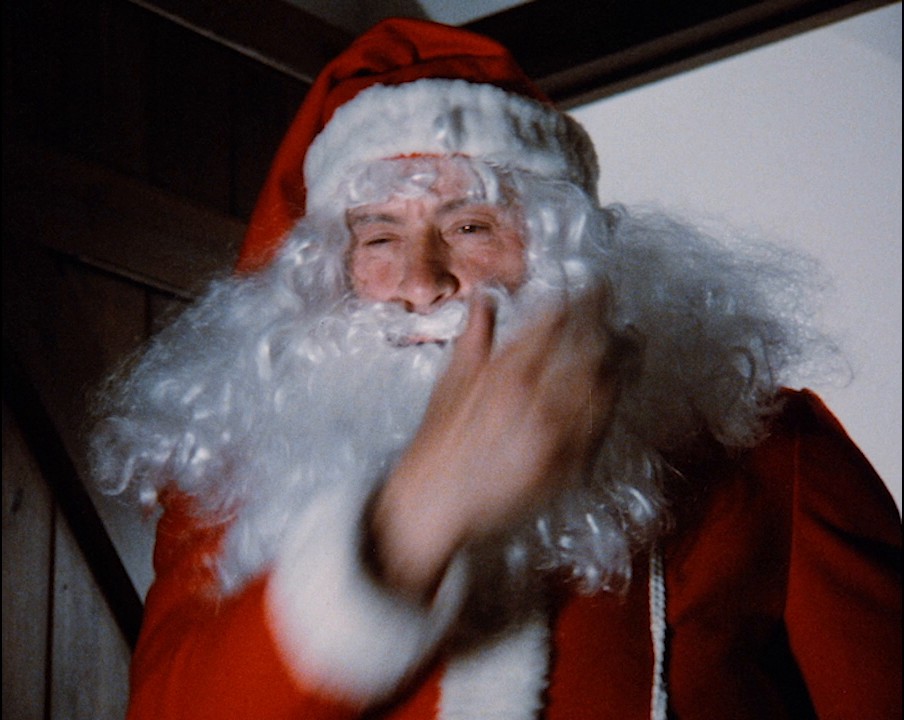
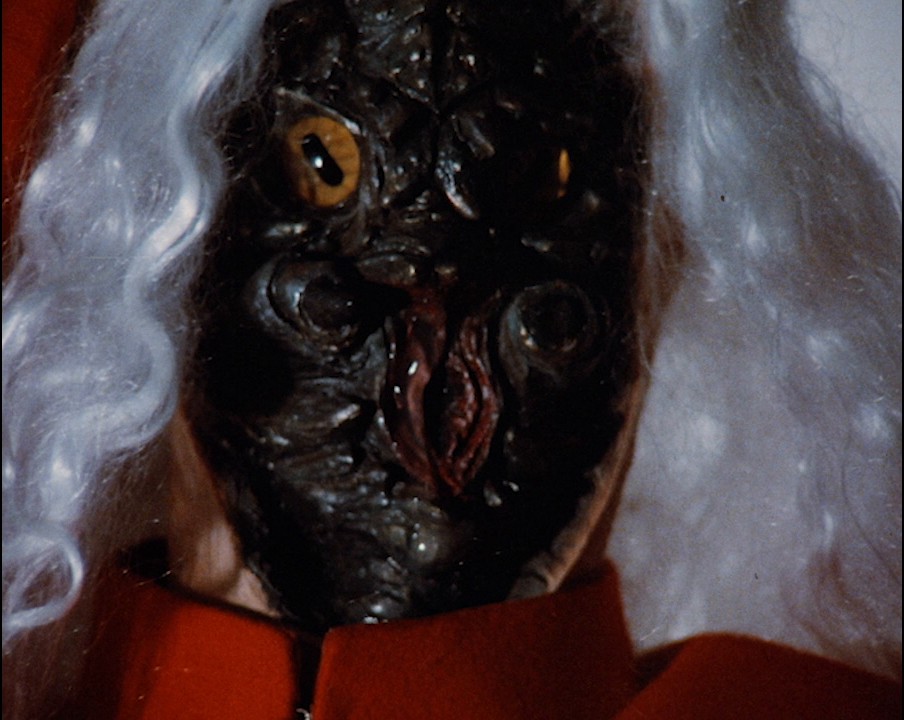
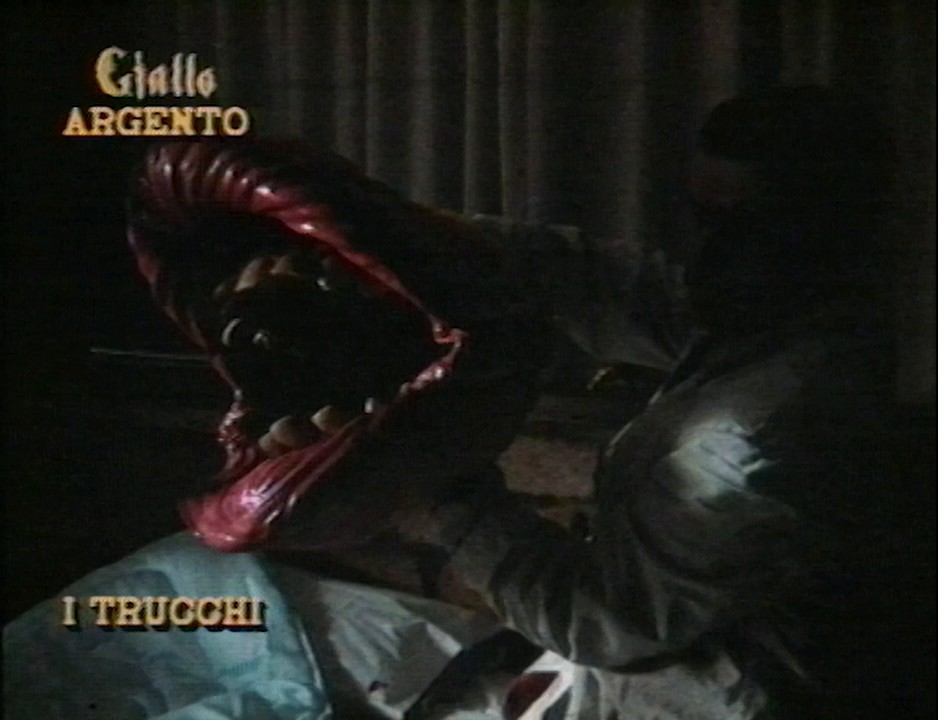
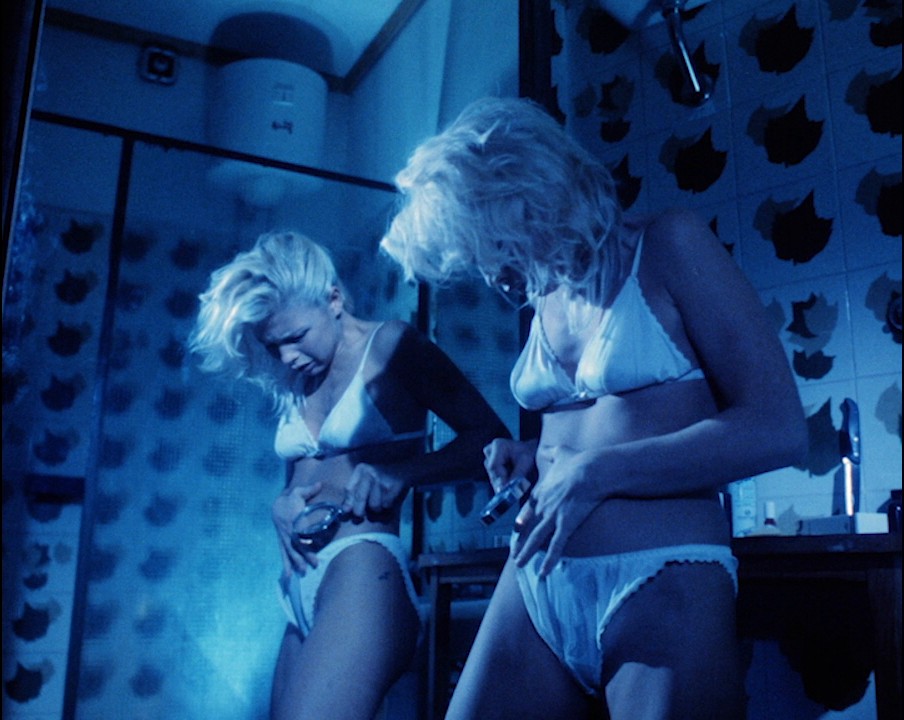
Accounts of Il verme describe a televised warning about infection, a girl and her cat, and a worm emerging at her eye. Episode accounts ↗ The movement is from information received at home to a feared invasion of the body. A public announcement becomes personally, horribly applicable.
This makes television more than a container for the short. Within the documented premise, it delivers the warning through which the character understands danger. A familiar source of information can therefore intensify rather than contain fear. The distance between a report about something happening elsewhere and an event happening to oneself collapses.
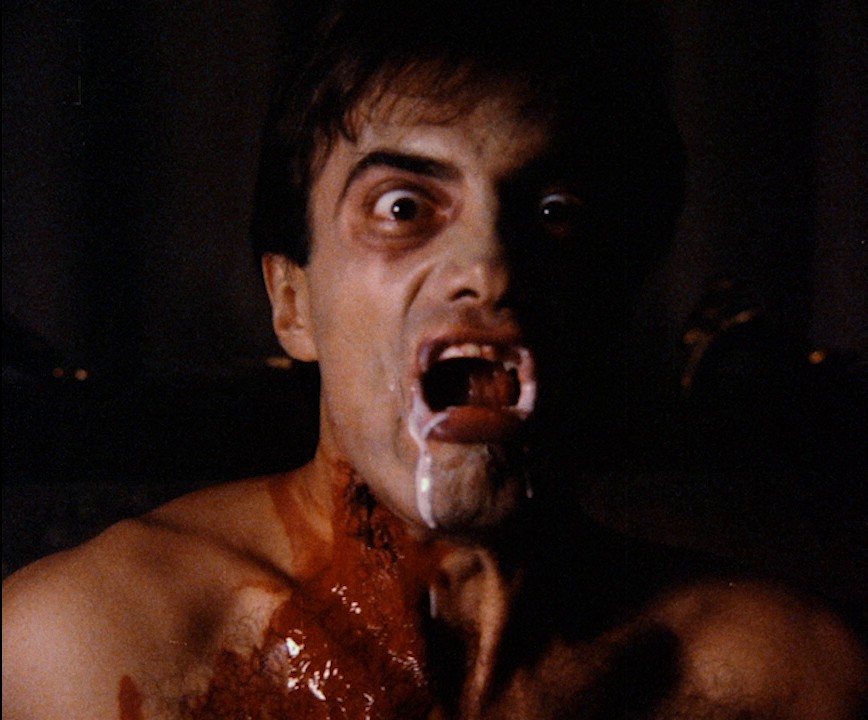
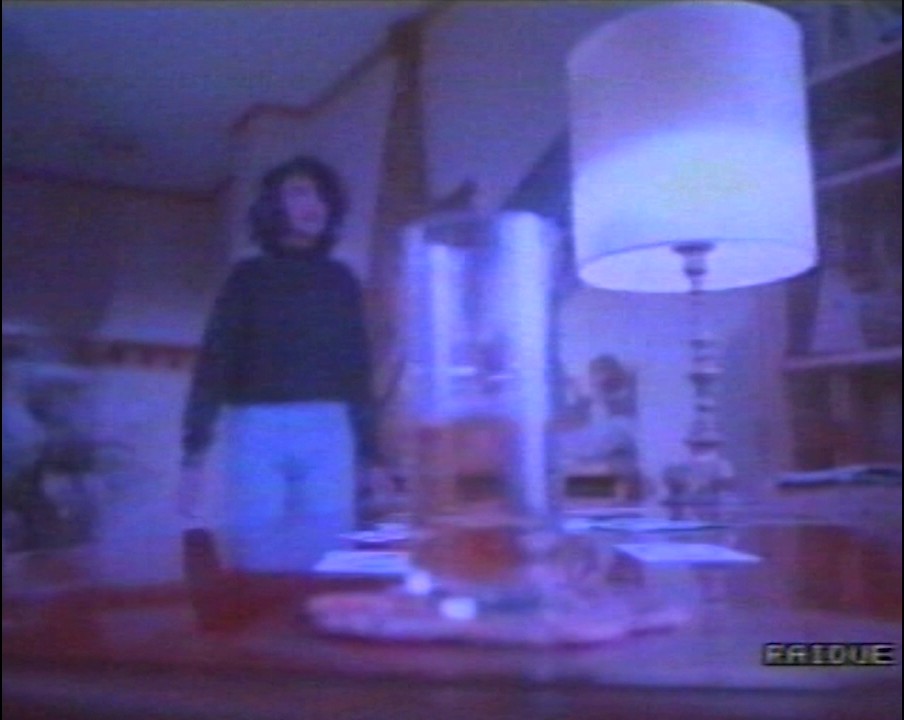
In Nostalgia punk, Davinotti describes an encounter with a fortune-teller leading to poisoned water and destructive bodily consequences. The review also reports viewer complaints and pressure from RAI to curb the gore. Synopsis and retrospective controversy claim ↗
The two premises move along different routes. Infection can spread without an individual antagonist; the fortune-teller story makes harm retaliatory. Both turn an apparently manageable situation into an emergency that exceeds ordinary remedies. Their brevity concentrates that reversal. It also makes the balance between character and spectacle an especially sharp critical question: how much of a person’s experience survives when the short is remembered chiefly for the injury?
The later review’s censorship account deserves preservation without inflation. It is evidence that a controversy is reported in the short’s reception history. It is not enough to establish how many people complained, the wording of any instruction, or which subsequent creative decisions it caused.
06 / THE HOST AND THE WORKSHOP
Knowing the trick need not end the fear
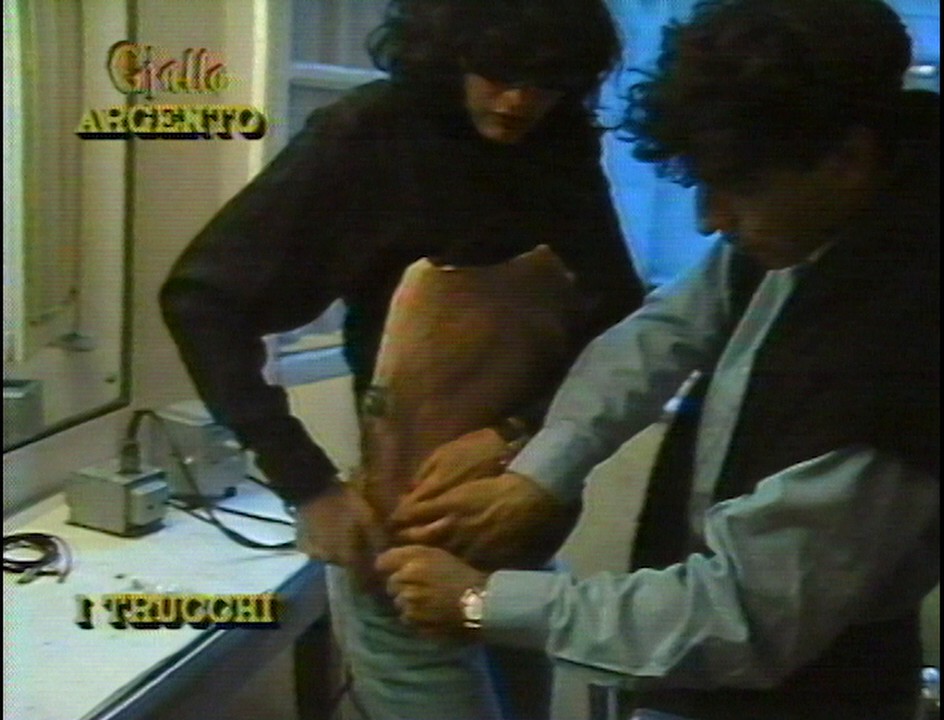
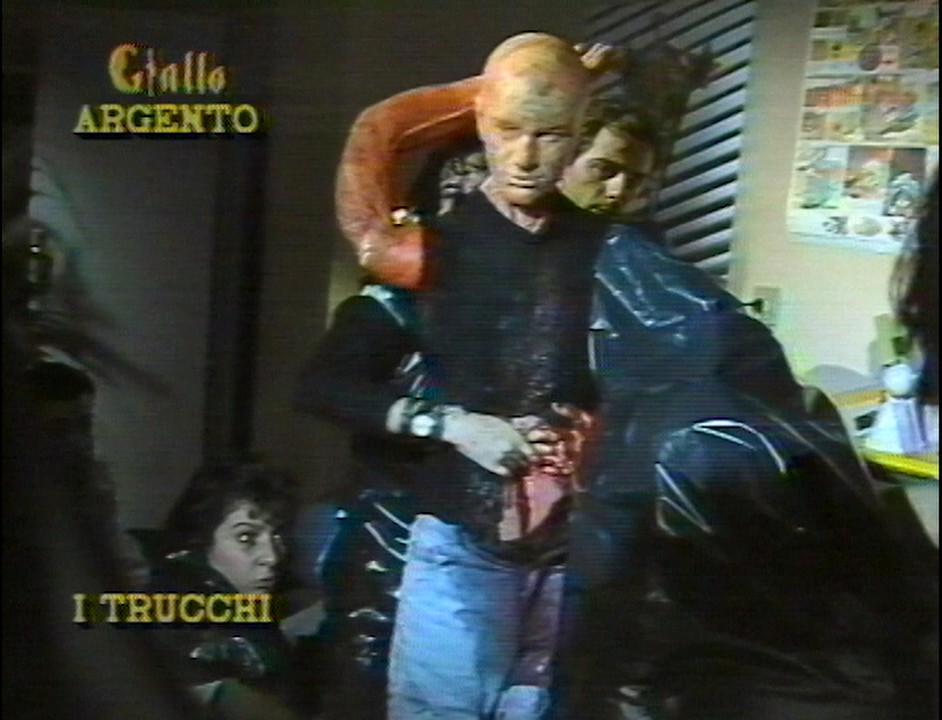
RAI Teche’s description of a surviving Giallo excerpt identifies Argento demonstrating effects from Phenomena and Tenebre, followed by an interview with Anthony Perkins. Broadcaster’s archive description ↗
Demonstration and fiction ask for different kinds of attention. An effect presented as a mechanism can invite curiosity about fabrication. An effect inside a story can make the viewer anticipate injury. Explaining the first does not necessarily cancel the second: knowledge of how a screen event might be made can coexist with discomfort at what it depicts.
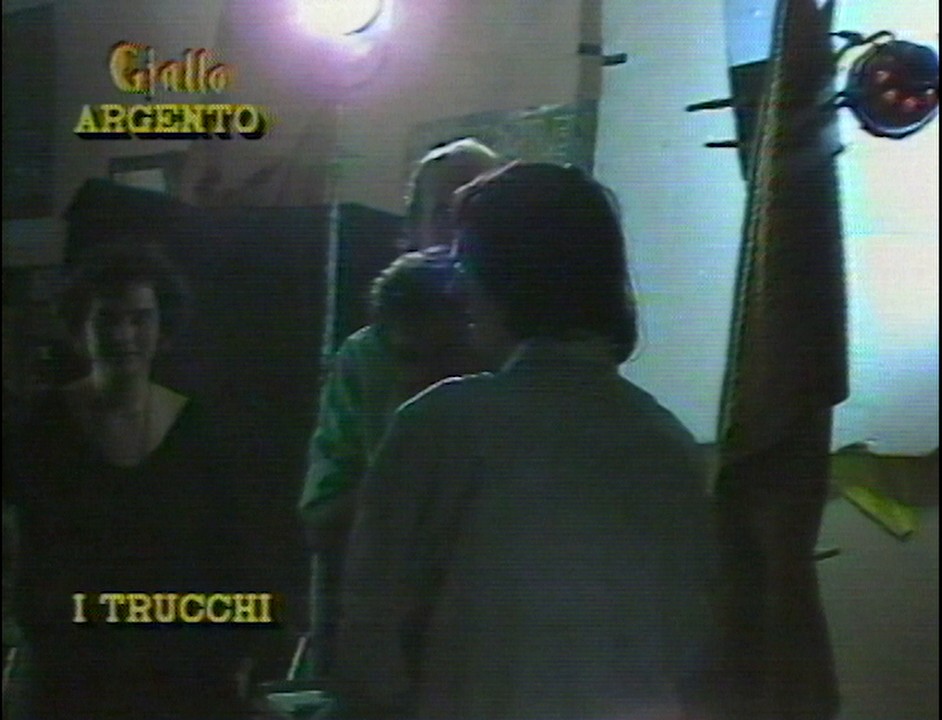
The programme history also identifies Coralina Cataldi Tassoni alongside Argento in his television space. The collaborative studio context ↗ Her presence belongs in this account even where the collection’s title gives priority to the director. A television personality is produced through exchanges, appearances and demonstrations as well as through an individual name.
The most productive comparison with Door into Darkness concerns the host’s changing function. A presenter can open a story; a demonstrator can open the process by which stories produce sensations. These roles make authorship visible in different ways. Neither role supplies, on its own, a complete account of the craftspeople behind the effects.
07 / BORROWED MUSIC / VERSION QUESTIONS
A familiar cue carries a memory
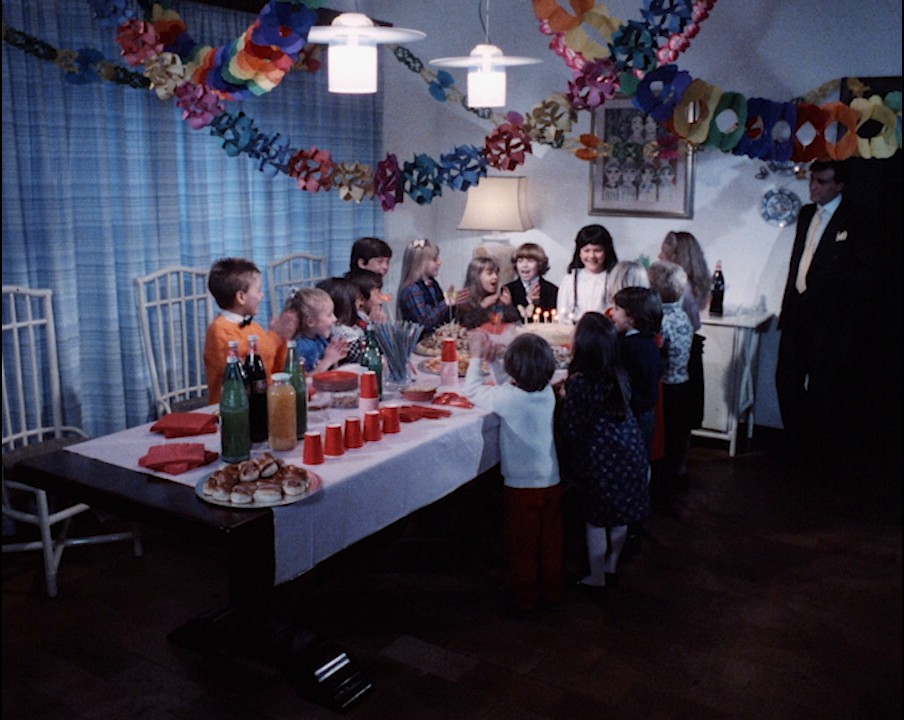
Davinotti’s review identifies reused music including Simon Boswell’s The Maggots, Ennio Morricone’s Piume di cristallo in La strega, Claudio Simonetti’s Opera and Goblin’s Jennifer. These are the critic’s identifications, not results of our listening. The published musical account ↗
Reuse gives a very short work access to a longer musical memory. For a listener who recognises a cue, its earlier association may arrive before the new story has had time to establish much context. For someone who does not recognise it, the same recording still has its immediate dramatic function. Recognition and effect should not be treated as identical experiences.
That distinction matters especially when a series gathers material under a filmmaker’s name. A returning cue can make different productions feel connected, but the composer and recording remain specific contributions. Identifying the earlier film is only the beginning of proper attribution.
A later user report on the Il verme page alleges a music replacement in the Severin edition. It is retained as a comparison lead, not a verified alteration. Edition-specific listening lead ↗ The useful next step is a matched comparison of named copies, rather than a single soundtrack list assumed to describe every presentation. No cue positions, mix differences or dialogue-to-music balances are asserted here.
08 / FROM BROADCAST SEGMENT TO COLLECTED WORK
The collection changes the frame
Two reports from Locarno in August 2014 place Gli incubi di Dario Argento in the festival context alongside The Bird with the Crystal Plumage. Marco Triolo’s Film.it report also records Argento discussing dreams, imagination and his relationship with his darker material. Film.it, 10 August 2014 ↗ RaiNews, 11 August 2014 ↗
A festival presentation lets television miniatures be approached as works within a career. The original programme’s surrounding flow becomes less immediately available, while comparison with the features becomes easier. The change is valuable, but it can also encourage viewers to forget the public-service broadcaster, studio contributors and mixed entertainment format that first gave the shorts their setting.
Severin describes Nightmares as scanned from rediscovered film elements and distinguishes this from broadcast-master material used for other Giallo content. Its listing assigns 100 minutes to the Giallo Argento supplement and 594 minutes to the overall collection; neither is a runtime for the nine shorts. Source-material and running-time scopes ↗
The modern package reproduced above is another frame. An illustrated Argento sits between skeletons; Cozzi and Bava are named along the lower edge. This is visibly collection artwork, not a 1987 still. Its concentration on a recognisable filmmaker makes the set approachable while the smaller names remind us that the collection extends beyond his individual directing work.
A collector report specifically questions the source of Nostalgia punk. The unresolved presentation lead ↗ The inspected presentation has a visibly softer, broadcast-marked image than several neighbouring shorts. That observation does not establish the provenance of the element or settle the collector’s claim.
09 / THE TELEVISION EXPERIMENT
A short work can sustain a substantial history
The useful account now has several connected levels: the launch evening, the working catalogue, recurring situations, the host’s explanatory role, reported musical reuse and the movement into festivals and a modern collection. Together they show why these shorts deserve attention beyond their place as footnotes between features.
Their interest lies partly in the proximity of incompatible promises. A mystery invites understanding; a nightmare can deny it. A demonstration exposes a mechanism; a fiction asks us to feel its consequences. A director welcomes someone into the world of film; a story can make that invitation threatening. The scene studies and workshop passages above develop these connections through the films and the surviving programme material.
The source trail preserves the distinction between an original newspaper page, a broadcaster’s description, writers’ later recollections, criticism and a publisher’s release claims. They keep the record open without presenting the current dossier as unfinished navigation or requiring exhaustive audiovisual work before readers can explore it.
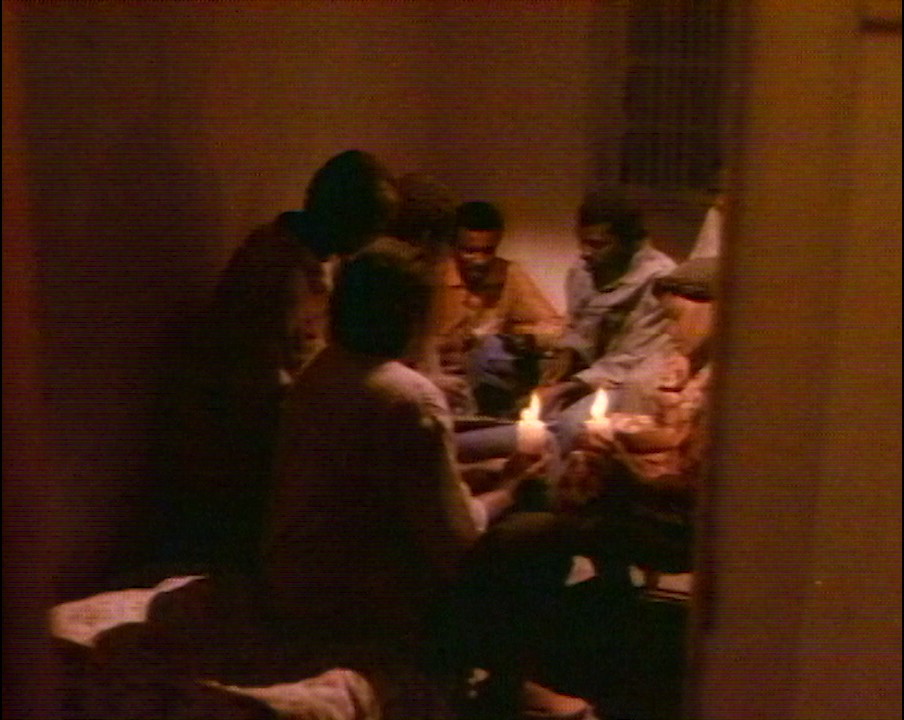 Riti notturni
 Il verme
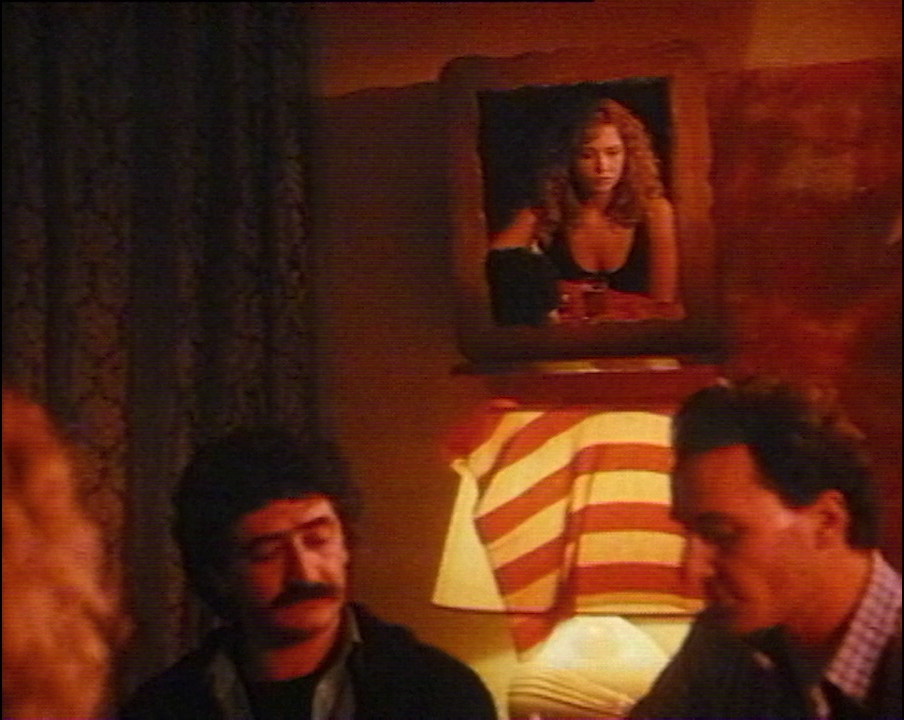 Amare e morire
 Nostalgia punk
 La strega
 Addormentarsi
 Sammy
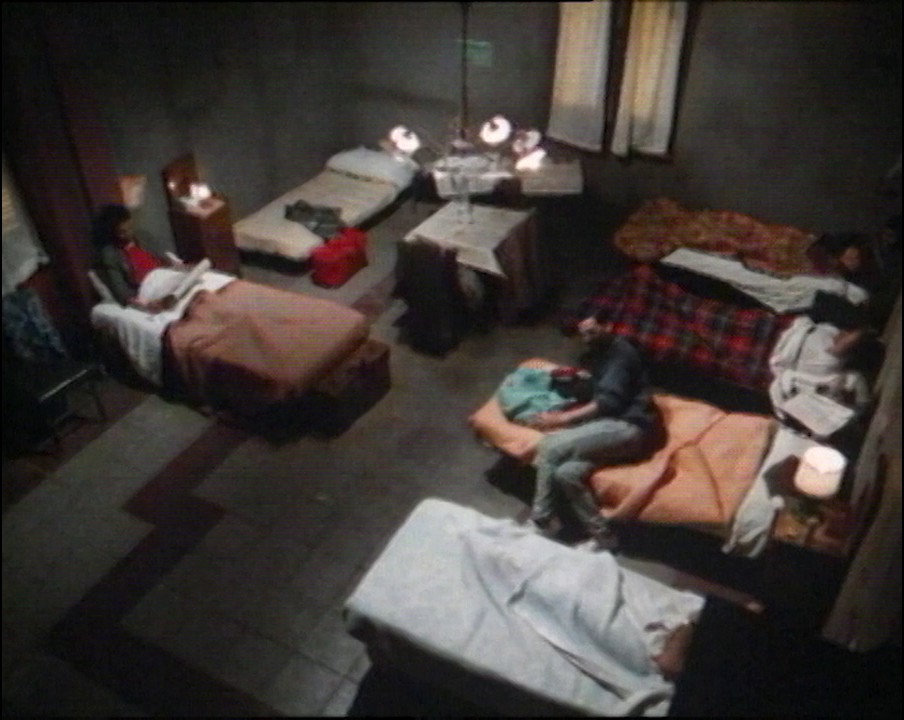 L’incubo di chi voleva interpretare l’incubo di Dario Argento