01 / ARGENTO, TOVOLI & STEREOSCOPIC SPACE
The invitation is to enter
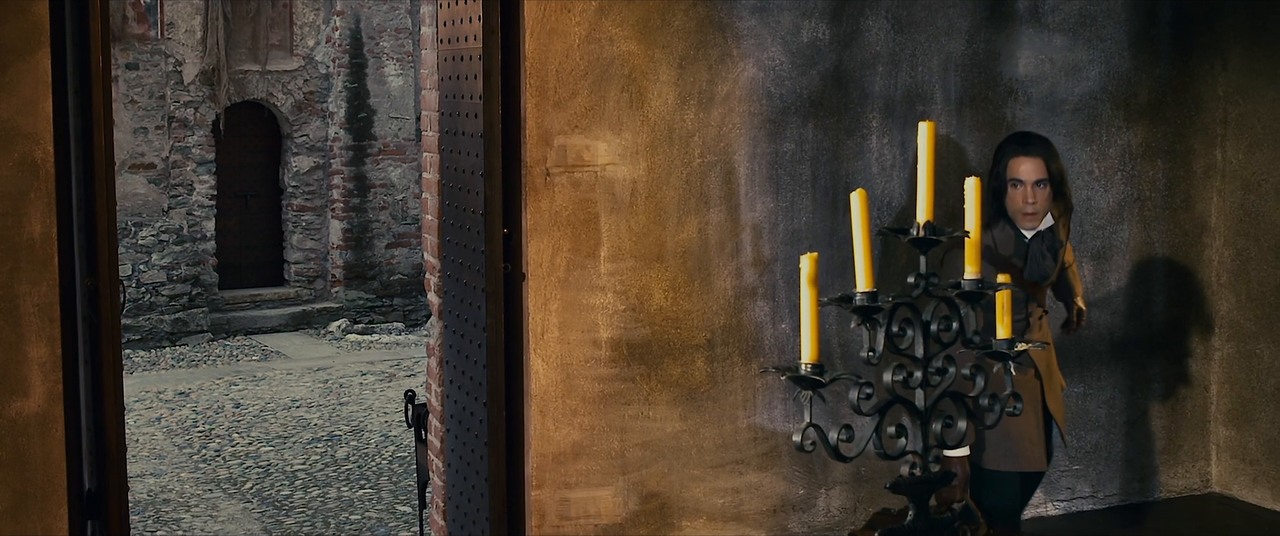
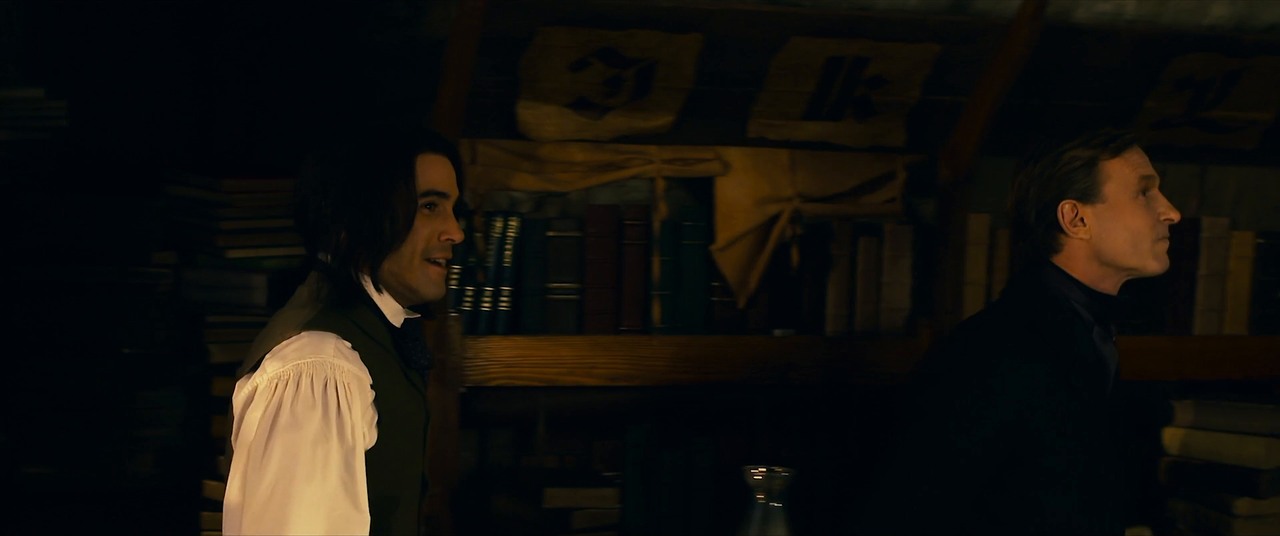
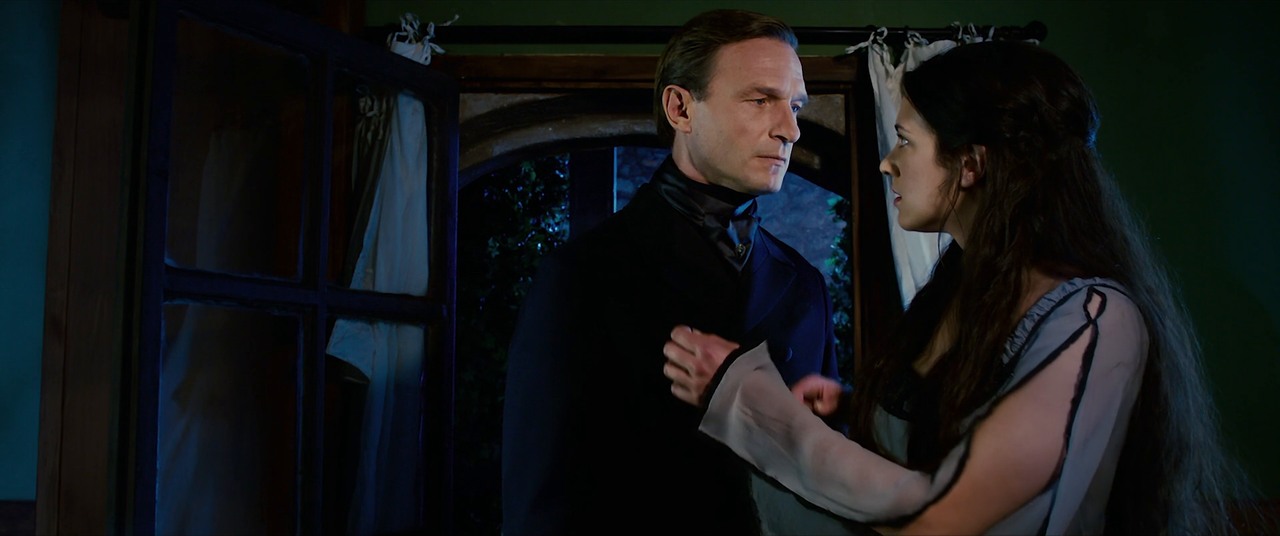
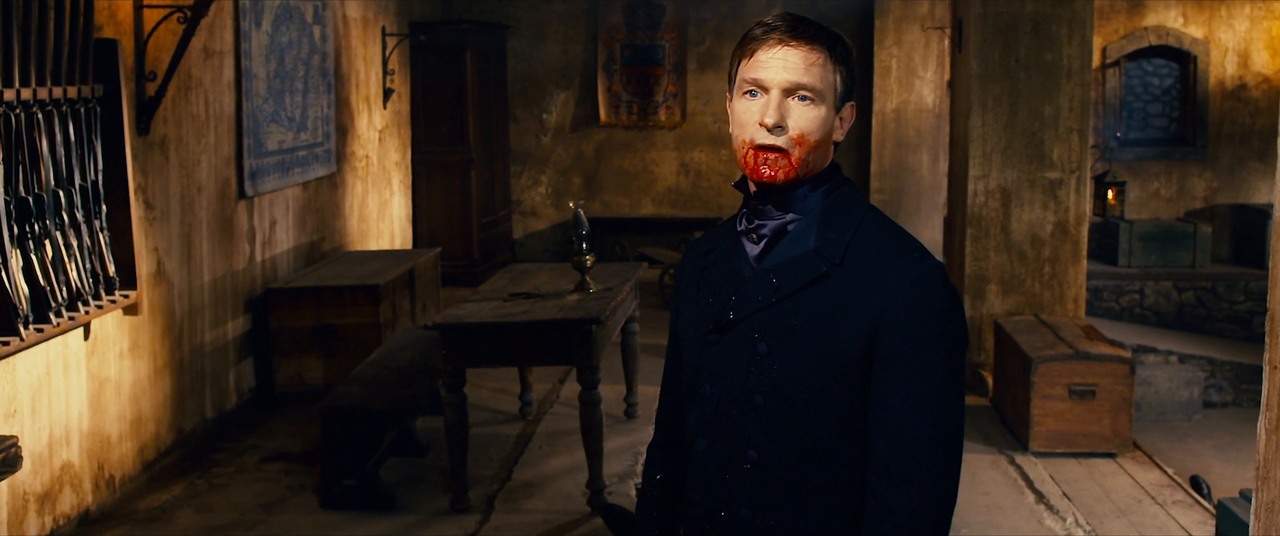
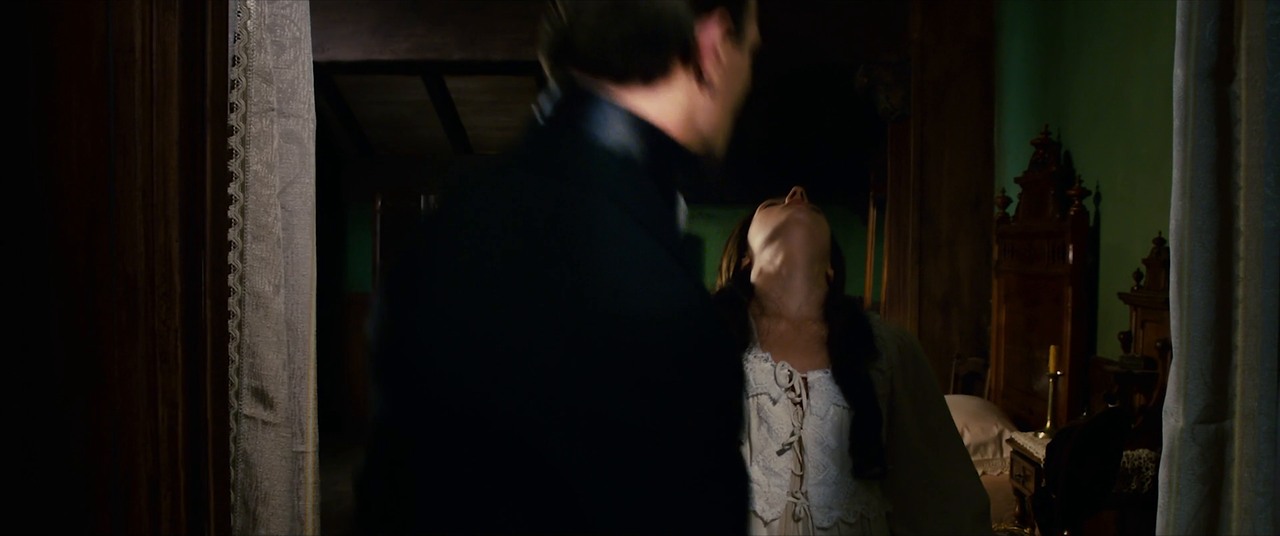
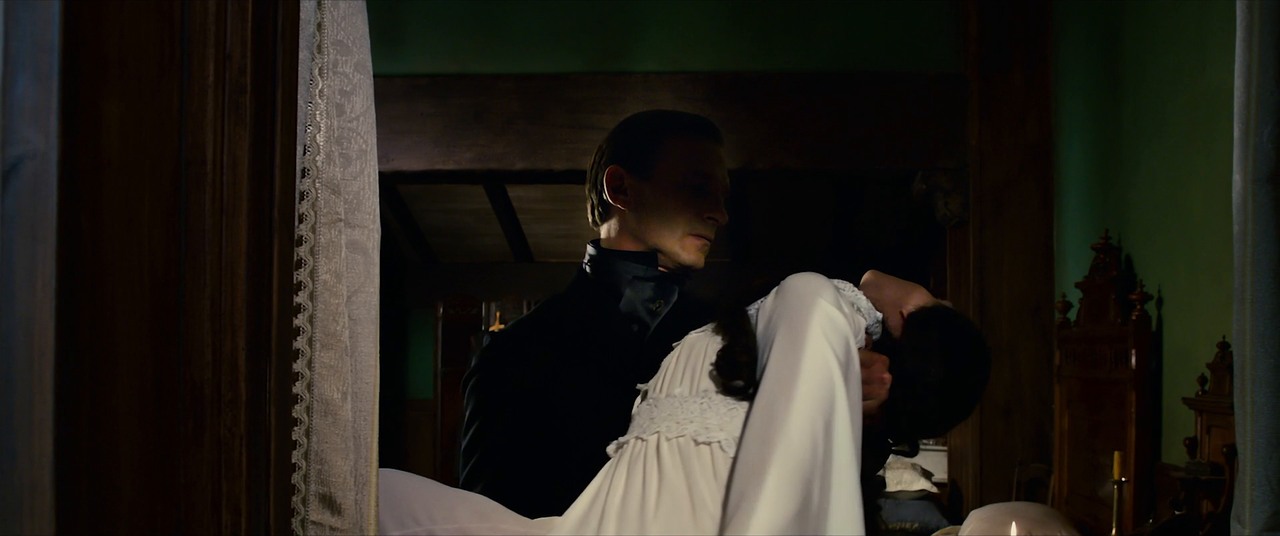
A vampire can threaten from the far end of a room. He does not need to reach out of the screen. That distinction opens a more useful approach to Dracula 3D than simply counting its conspicuous effects: what happens when the distance between people becomes part of the attraction?
In Peter Sobczynski’s 2013 interview, Argento describes wanting audiences to feel inside the image rather than assailed by objects coming out of it. He connects the planning of distances to Dial M for Murder, where furniture and objects articulate a room. Argento on depth and Hitchcock ↗
Luciano Tovoli’s later account makes the question more precise. He finds stereoscopy interesting because it gives weight to elements that conventional focus might subordinate, including details outside sharp focus. Tovoli on space and attention ↗ A room can become more physically insistent without becoming easier to read. The spectator must negotiate what matters within it.
For a story of invitations, thresholds and unwanted proximity, this is a potentially expressive choice. Dracula’s hospitality promises access while arranging captivity. Depth might make that arrangement palpable: a person can appear available to approach and yet remain difficult to reach. It establishes the question and the makers’ stated intentions, then places them beside responses that disagree about the result.
02 / STOKER, HARKER & MINA
Who gets to organise the evidence?
In chapter II of Bram Stoker’s 1897 novel, Jonathan Harker comes to Dracula as a newly qualified solicitor helping with the purchase of an English estate. The Count’s library is filled with information about England. His questions about speech, law and everyday life make study part of a larger preparation to enter and master another society. By chapter III, Harker’s professional visit has become imprisonment, with even his correspondence subject to control. Stoker, chapters II–III ↗
The published premise of Argento’s film makes Harker a librarian arriving in Transylvania in 1893. The Cannes synopsis ↗ That change keeps books close to the encounter while altering the visitor’s job. In the novel, a legal transaction helps the predator travel outward. In this adaptation’s premise, employment draws the visitor inward. Knowledge is connected to access in both cases, but the arrangement of dependence changes.
Mina provides an equally productive comparison. In chapter XVII, she helps turn scattered accounts into usable collective evidence, transcribing Seward’s phonograph records and organising material so others can compare it. Her work changes who can know what. Stoker, chapter XVII ↗ This is a practical role in the investigation, not merely an emotional reason for other characters to act.
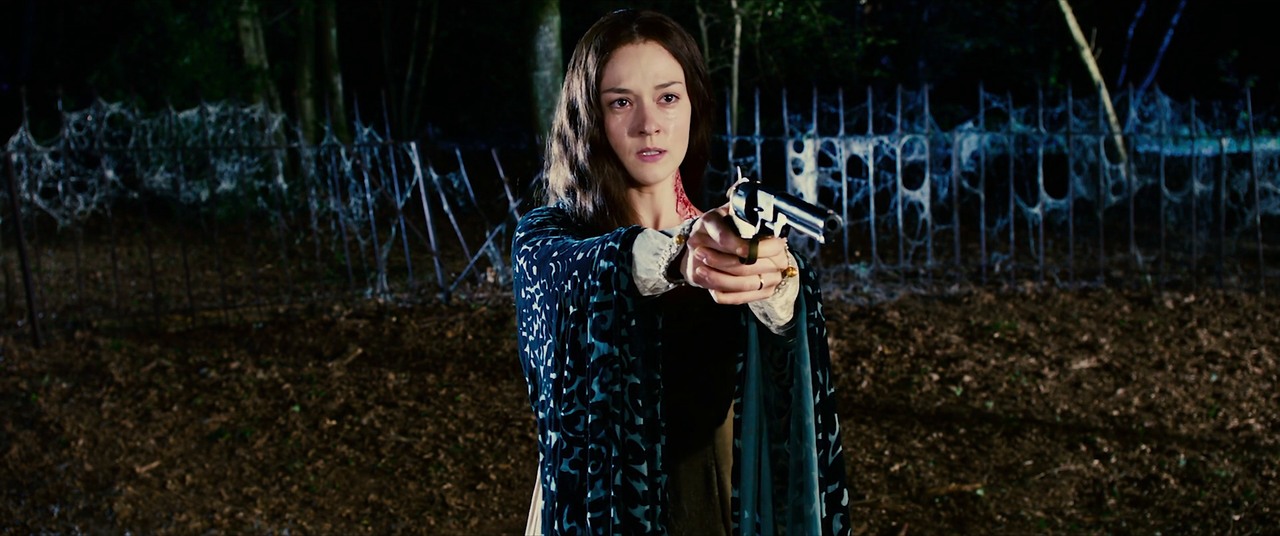
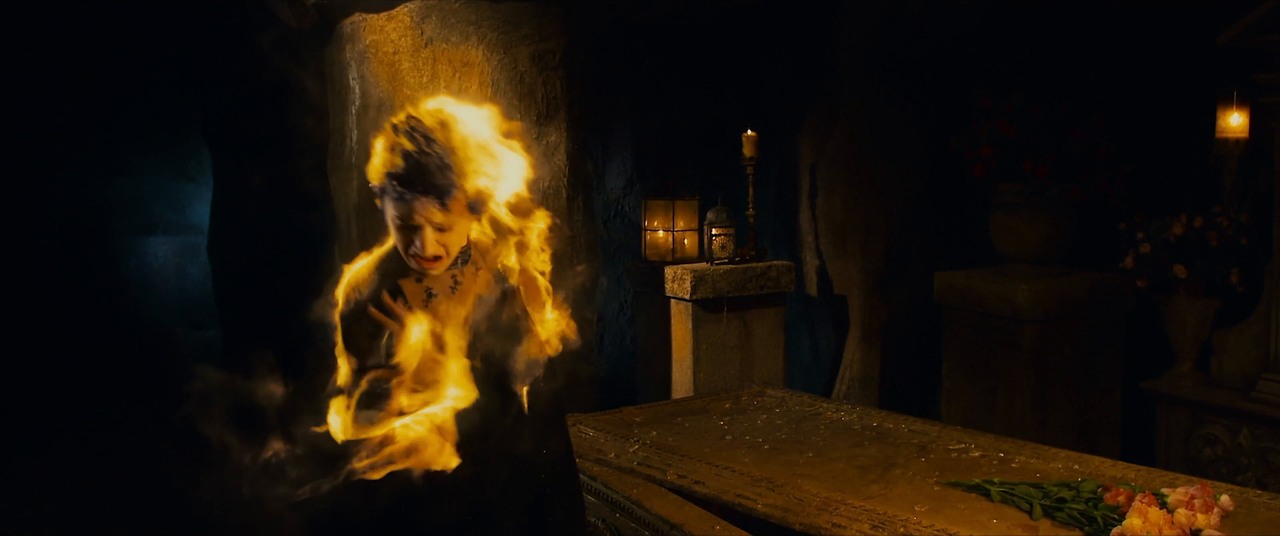
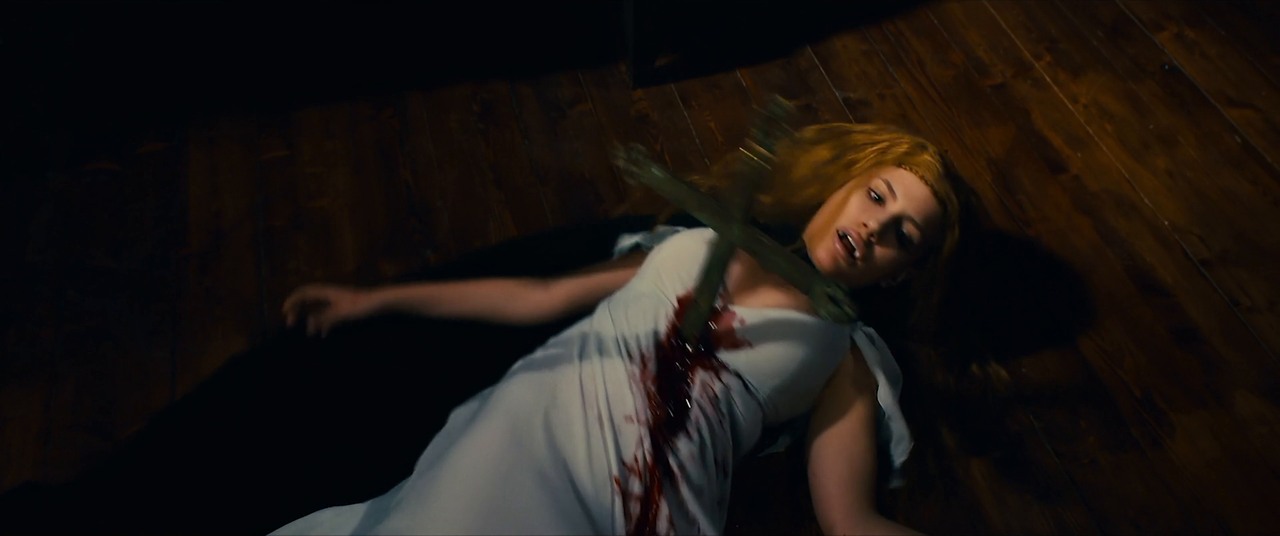
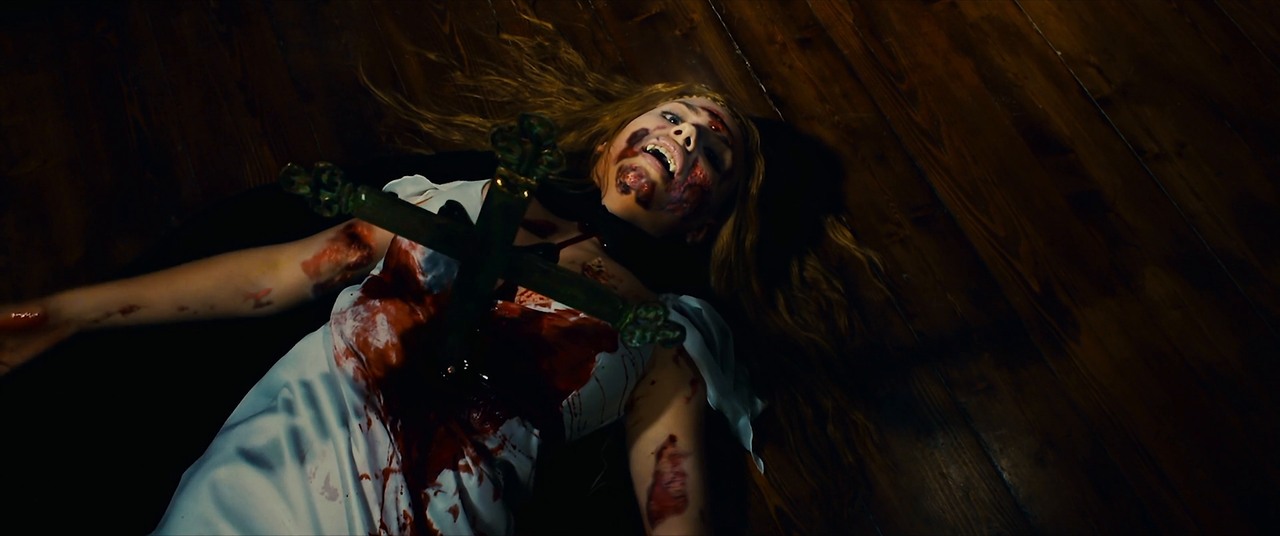
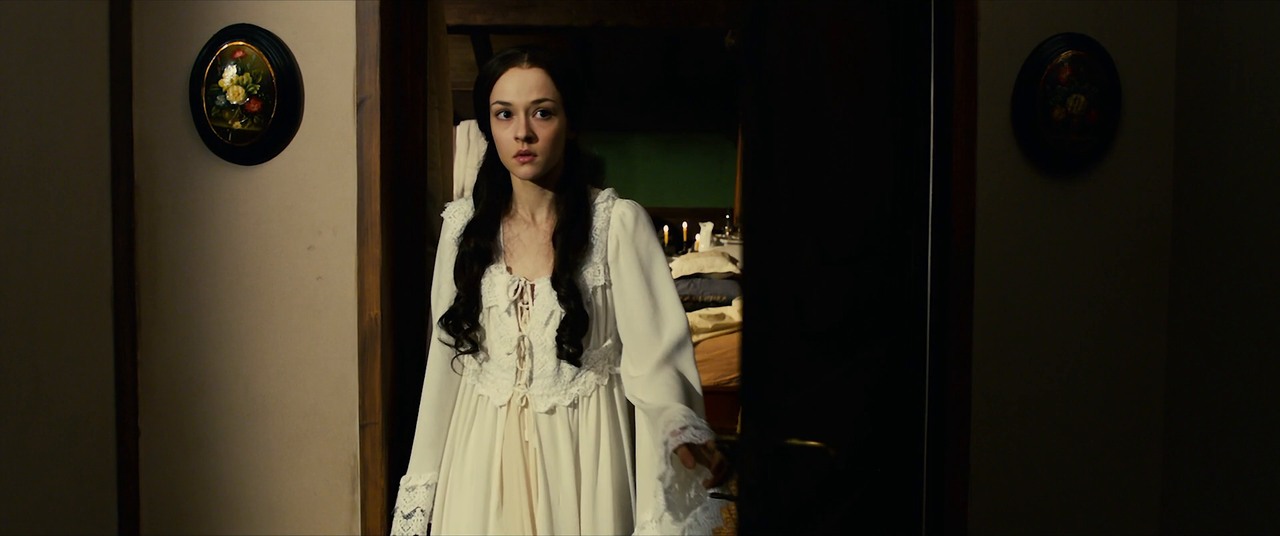
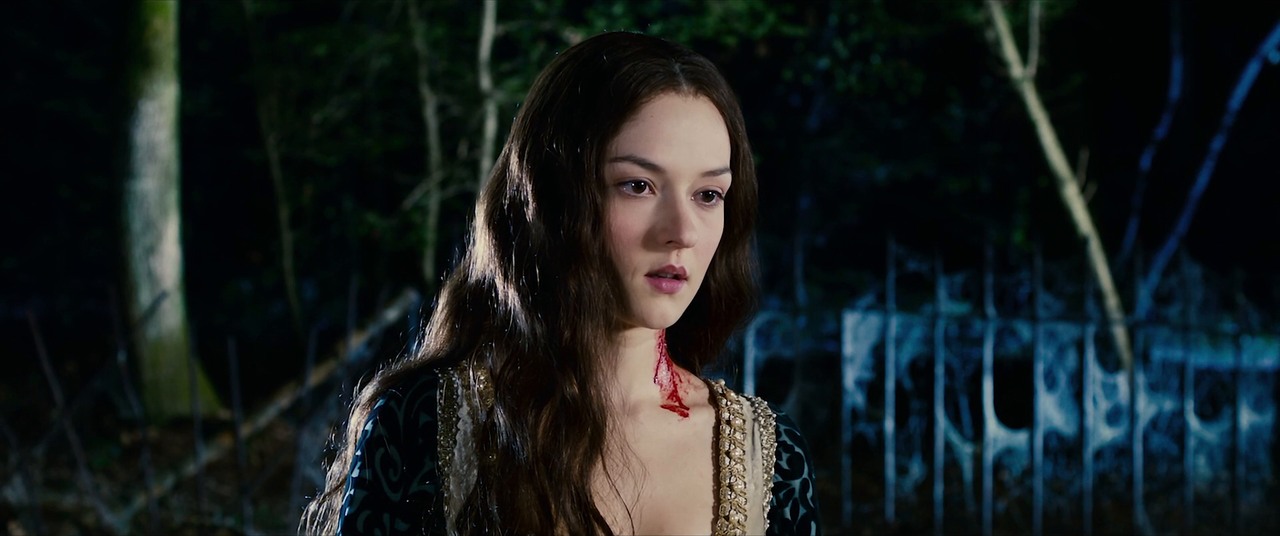
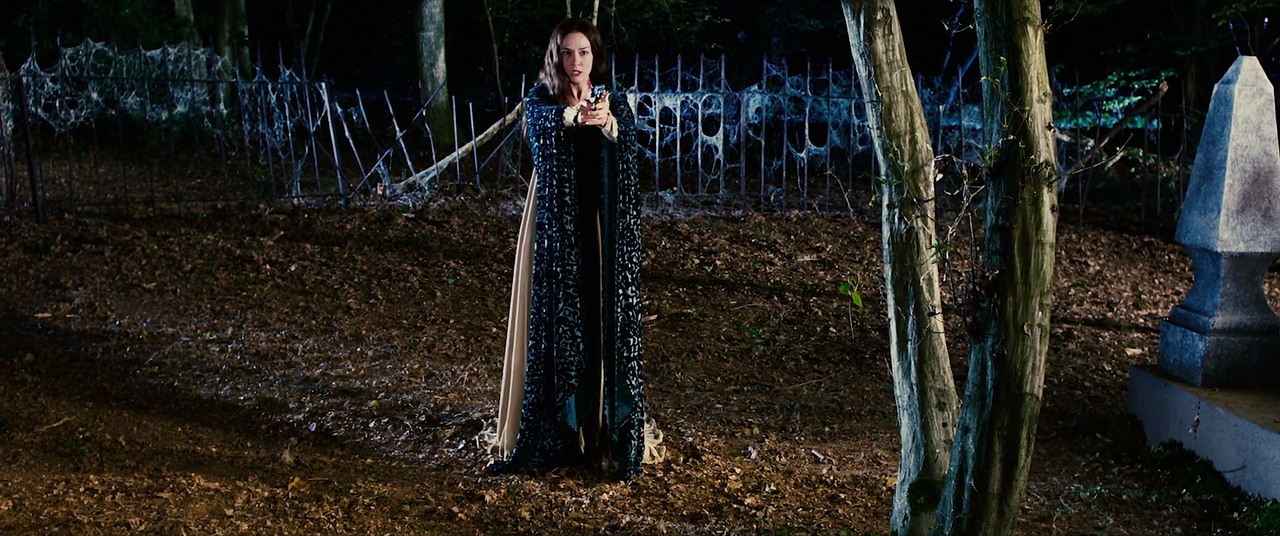
The film’s distributor synopsis instead foregrounds Dracula’s belief that Mina is the reincarnation of his long-dead love, Dolingen. The adaptation’s romantic premise ↗ The useful question is what this does to her position. A woman who assembles other people’s stories and a woman whom someone claims to recognise from his own past occupy very different relations to narrative authority. The contrast does not prove that the film removes all of Mina’s agency. The final confrontation gives this comparison a concrete image: Mina stands apart from the Count, holding the weapon herself.
03 / ROMANCE, POSSESSION & THE CAST
An old love can become a new claim
Argento’s brief Sky interview presents a Dracula capable of romantic attachment, while his longer conversation with Olivier Rossignot acknowledges extensive changes to Stoker and emphasises the character’s sentimental dimension. The 2012 account ↗ The 2013 account ↗ His attraction to the figure is not confined to the mechanics of a faithful adaptation.
Romance complicates the monster without automatically absolving him. If Dracula believes he has found someone he lost centuries ago, he also risks denying the person before him a present of her own. Recognition becomes possession when his memory is treated as more authoritative than her wishes.
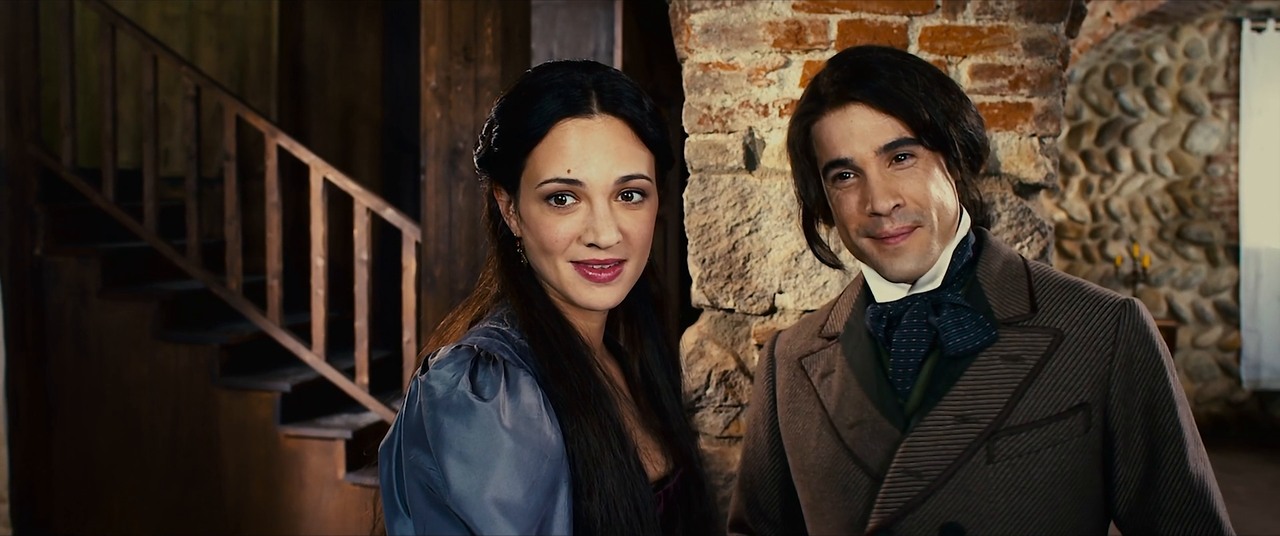
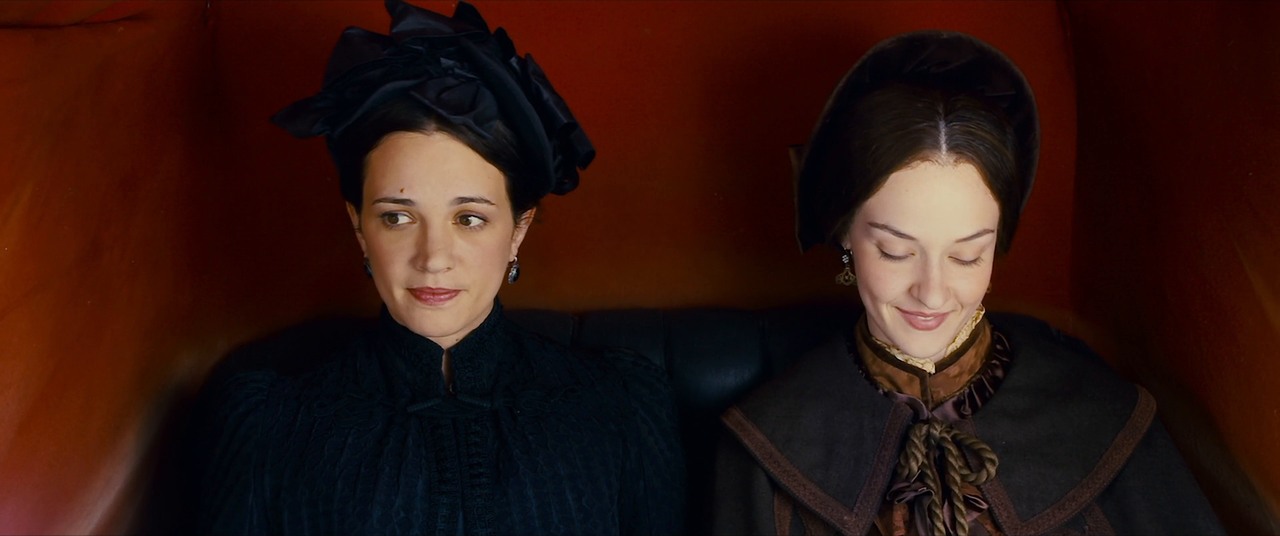
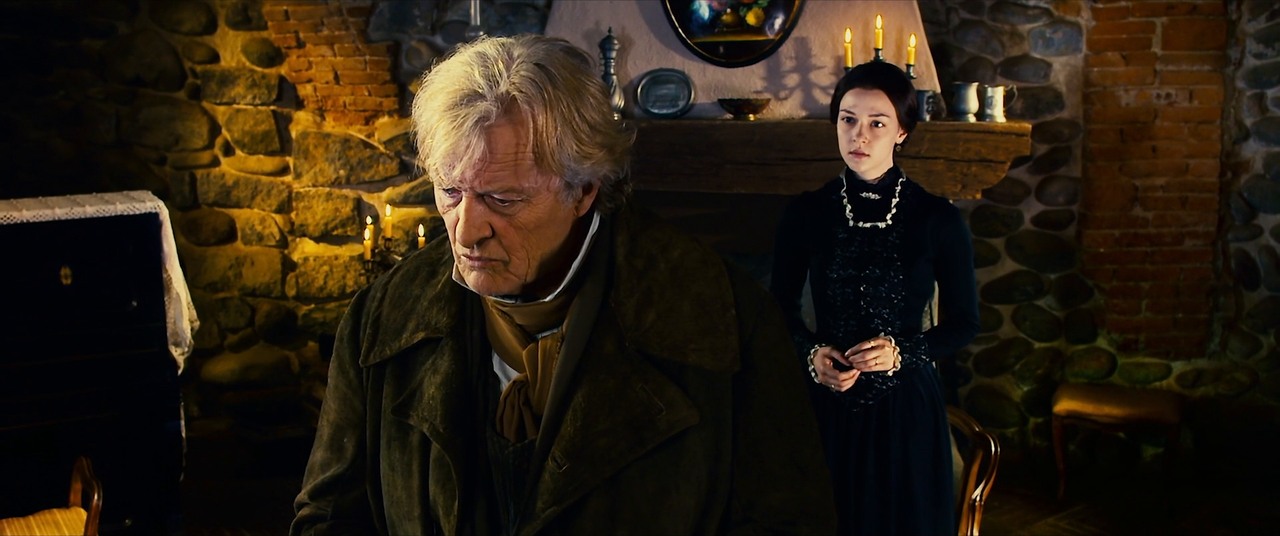
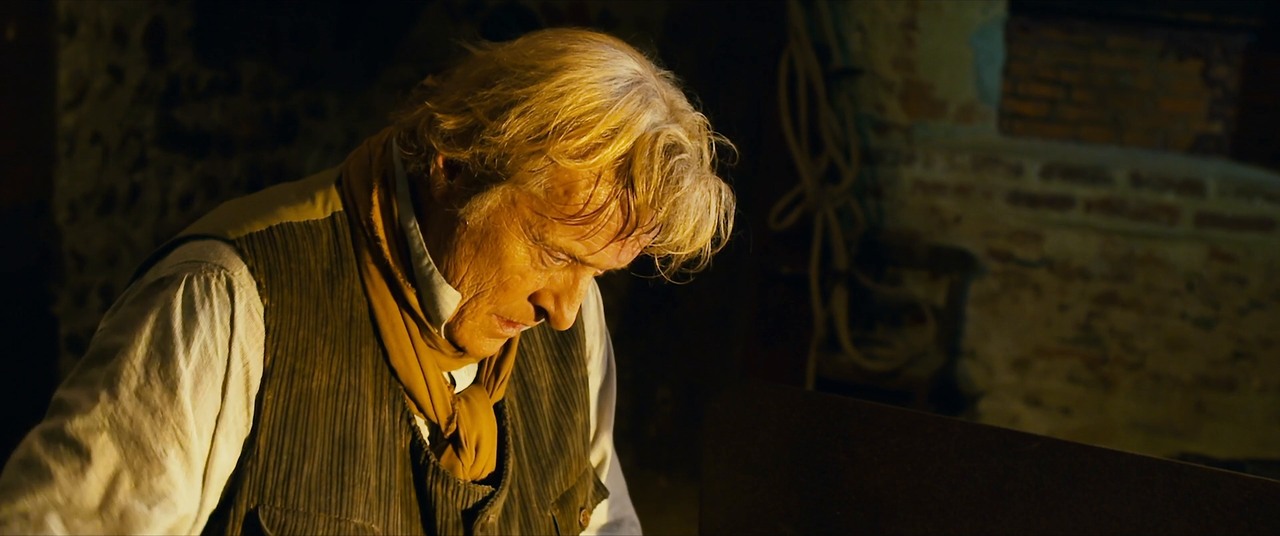
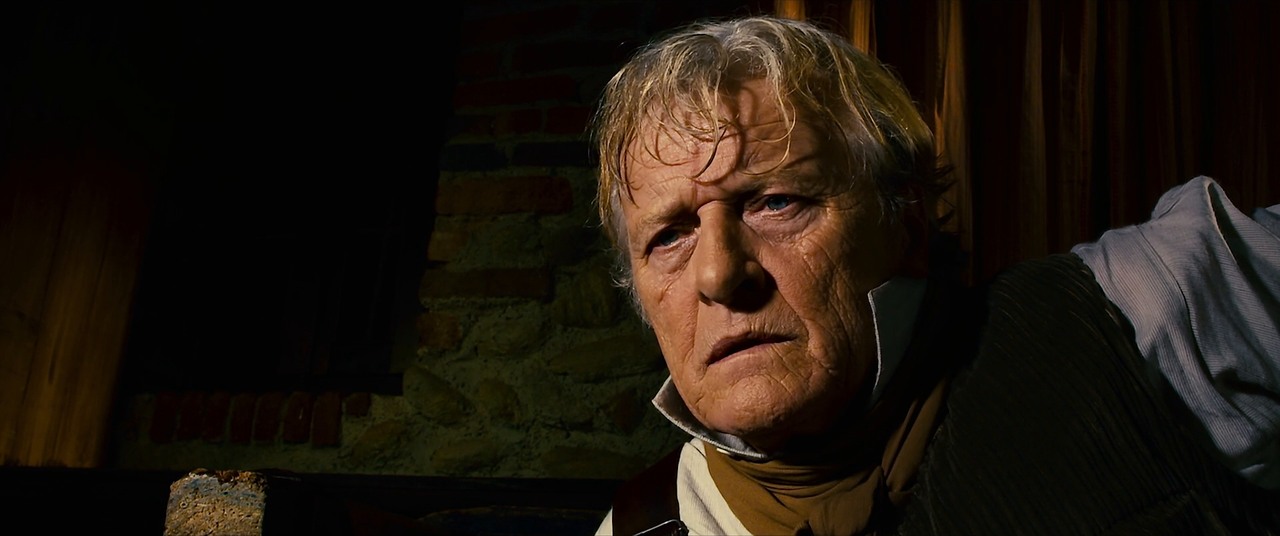
Thomas Kretschmann plays Dracula, Marta Gastini is Mina, Asia Argento is Lucy, Unax Ugalde is Jonathan and Rutger Hauer is Van Helsing. The principal cast ↗ These roles distribute desire, vulnerability and resistance across an ensemble. The Count’s fascination is only one perspective on the relationship. Mina’s response, Lucy’s involvement and Jonathan’s predicament deserve attention alongside his account of himself.
The casting also brings a remembered cinema into the encounter. Argento had already worked with Kretschmann on The Stendhal Syndrome; in the Rossignot interview he speaks of his admiration for Hauer. His acknowledged affection for Christopher Lee’s Dracula supplies another point of reference. Argento on actors and predecessors ↗ These connections explain a field of associations, not a set of performances we can declare equivalent. The later critical disagreement about Hauer is especially useful because it shows how differently a familiar presence can register.
04 / READING THE CANNES PHOTOGRAPH
The room disappears between two faces
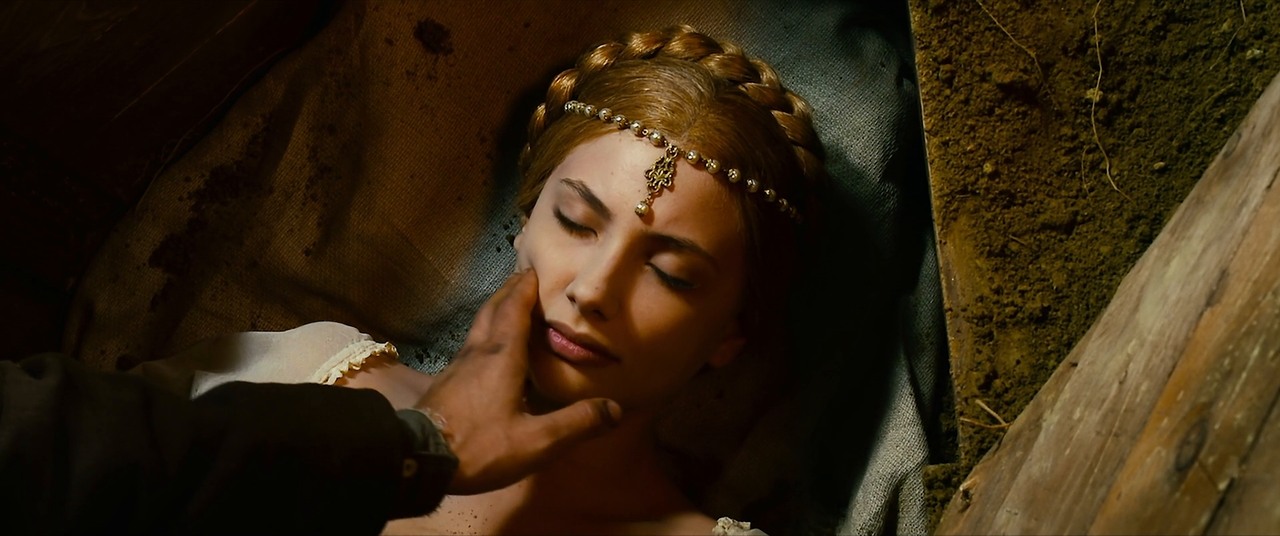
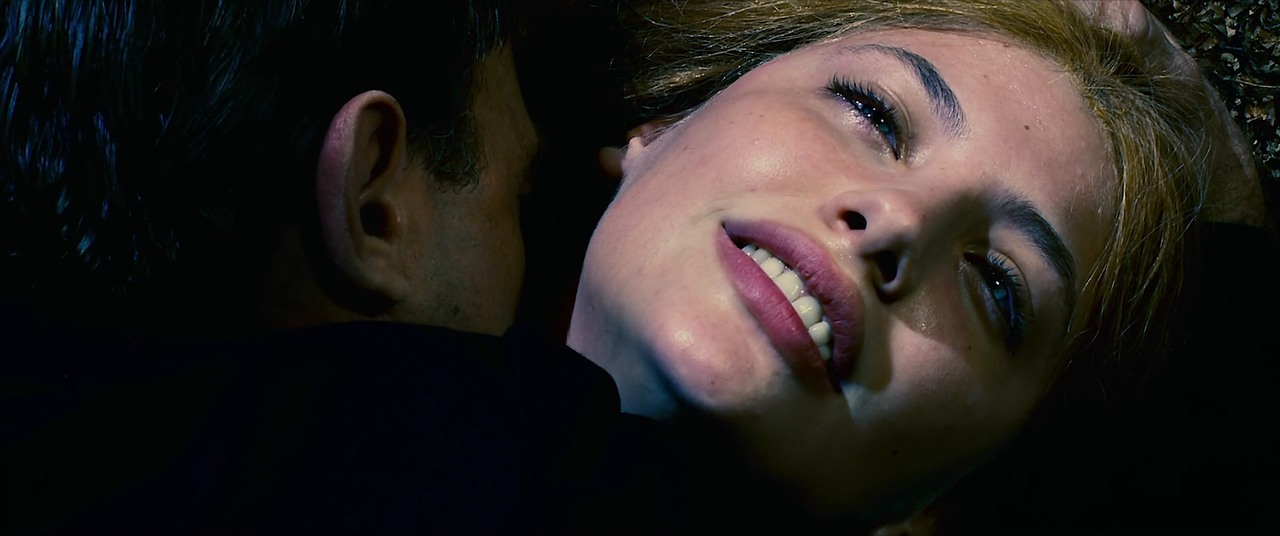
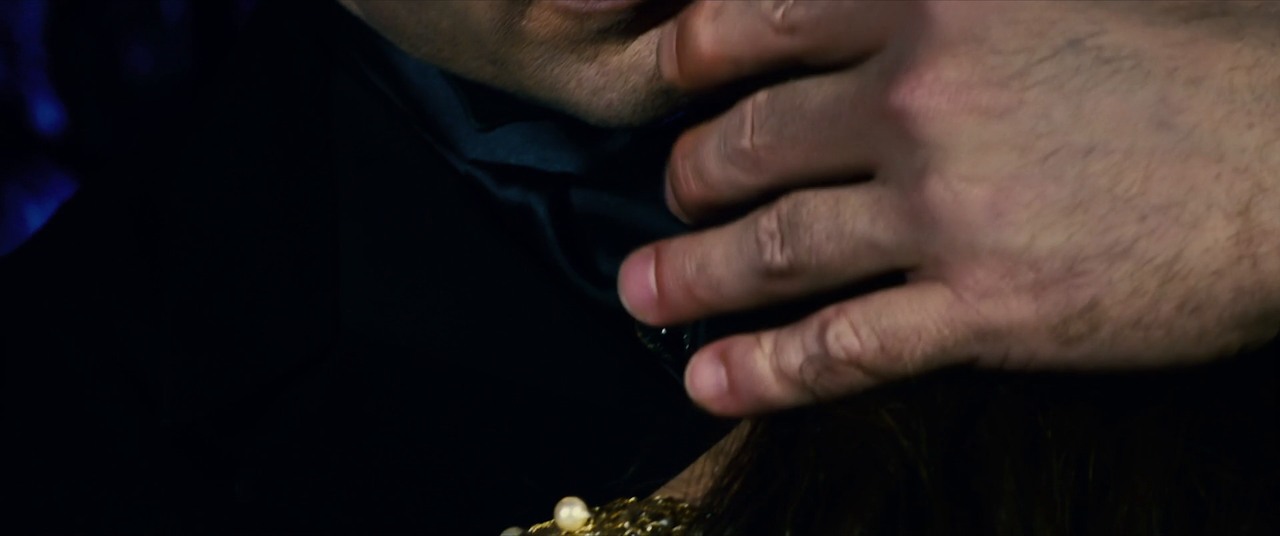
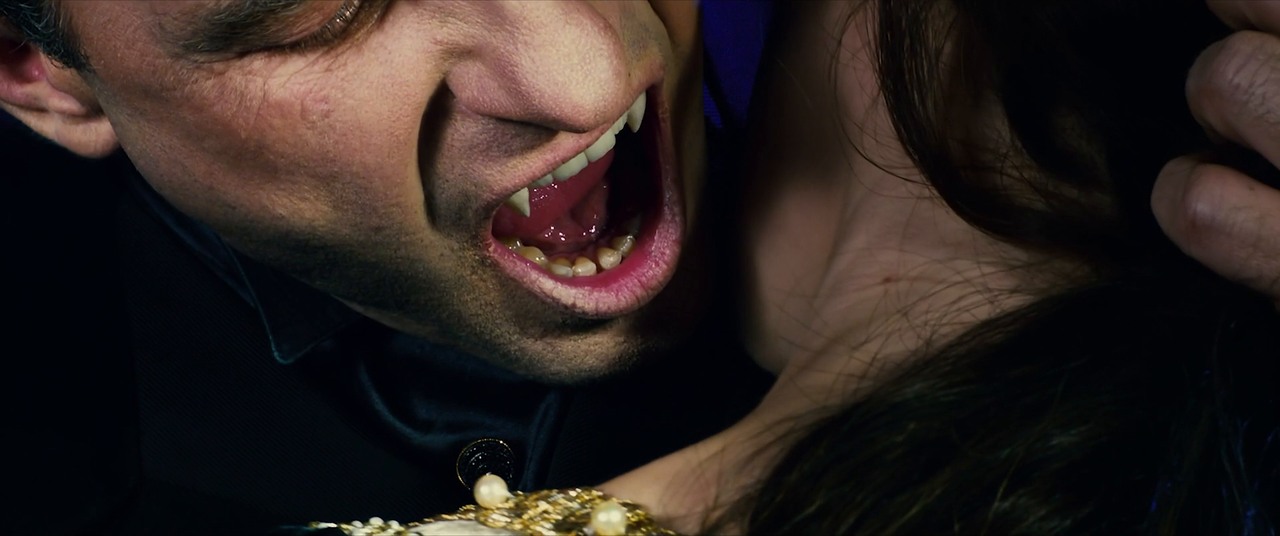
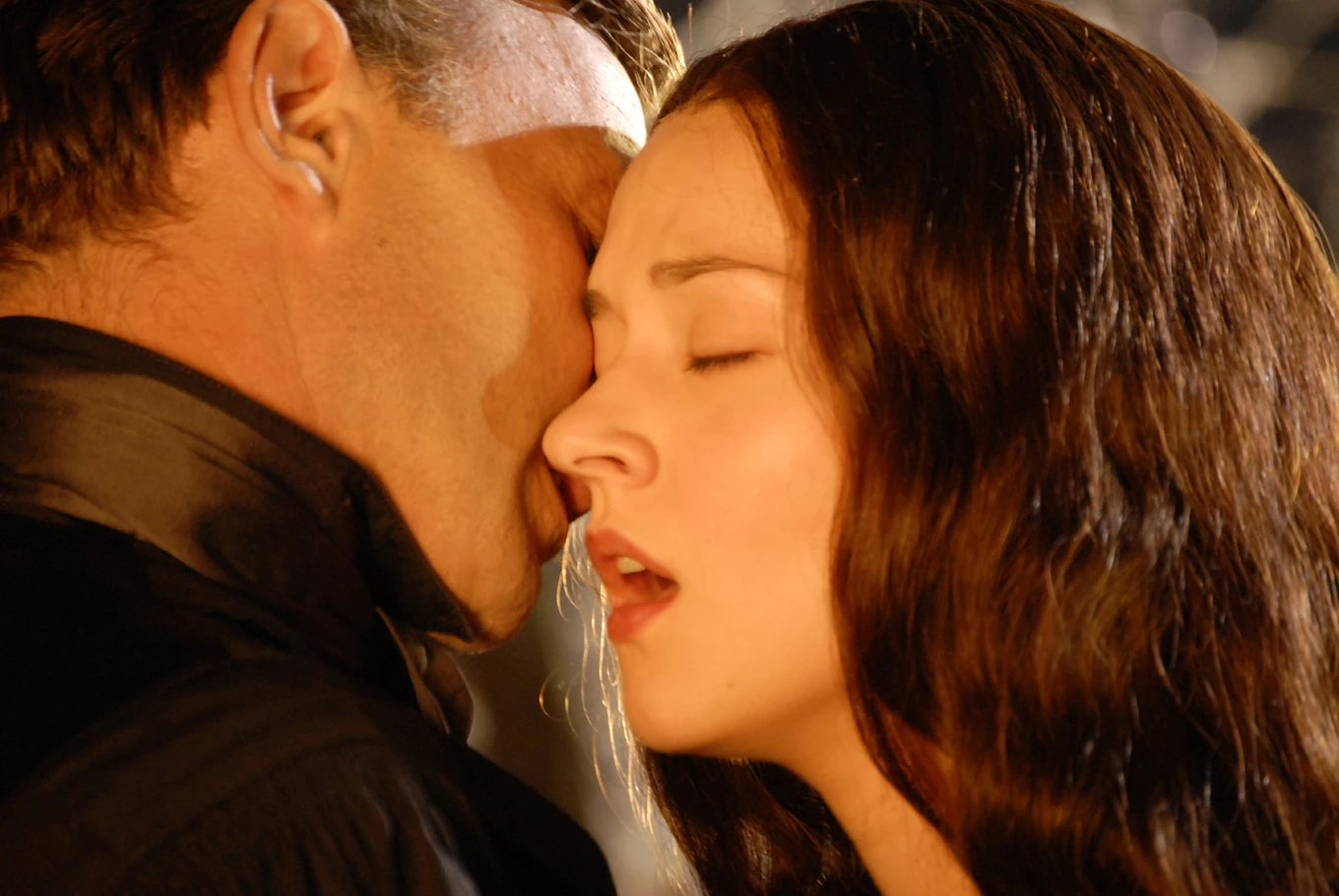
The official Cannes photograph places Kretschmann close to Gastini, his face entering from the left toward hers. Her eyes are closed and her lips parted. Warm light gives both faces a tactile presence, while the surroundings offer little information. The image makes closeness immediately legible and the larger situation difficult to reconstruct.
This is a different kind of attraction from a spacious view of a castle. There is scarcely a room here to explore. Faces and the small interval between them dominate the composition. The publicity image therefore gives the film’s romantic proposition a compact visual form: proximity can look like tenderness before the story tells us what it costs.
Her closed eyes also leave the viewer without an answering gaze. That absence should not be turned into a diagnosis of consent, sleep or fear from a single photograph. It is enough to notice how the image distributes visible information. One face approaches; the other remains available to our inspection without looking back.
The existing 1360 × 910 Cannes reproduction is retained locally with its full composition and without alteration. Official gallery provenance ↗ It is a promotional photograph. Its warmth and intimacy can be discussed directly; a lens, lighting plan, timecode or depth effect cannot be established from it.
05 / PIEDMONT, THE SET & THE DIGITAL BODY
Several crafts build the same impossible space
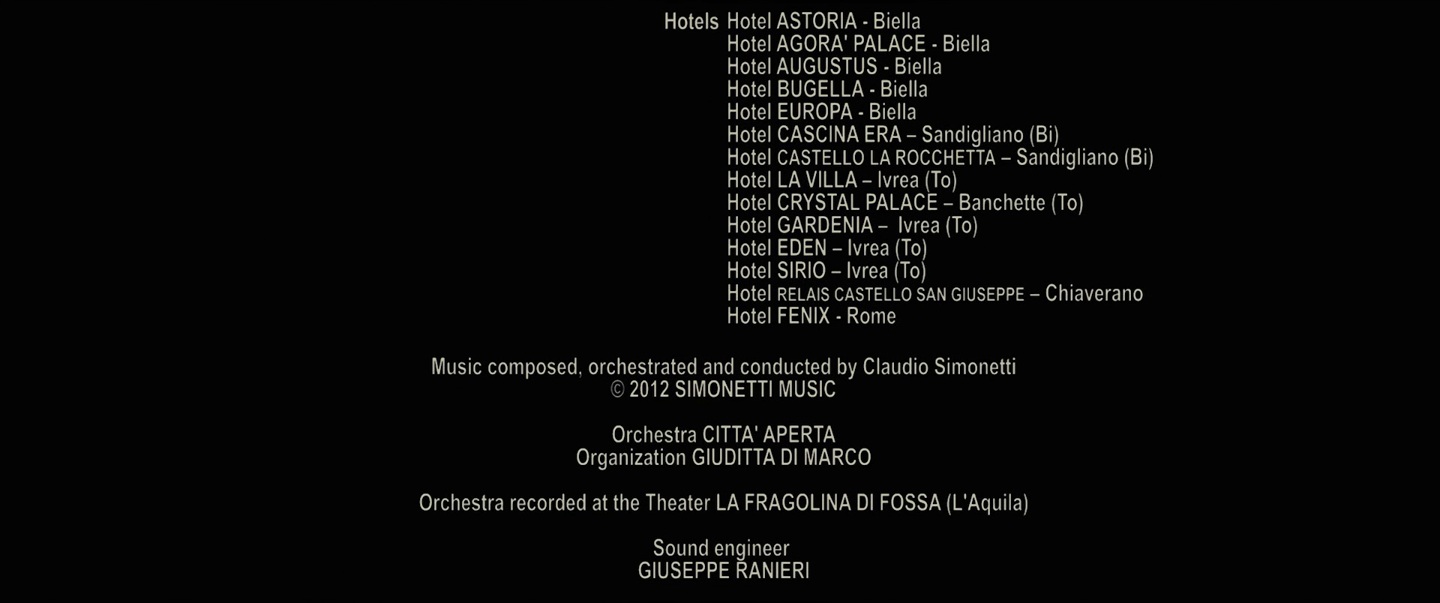
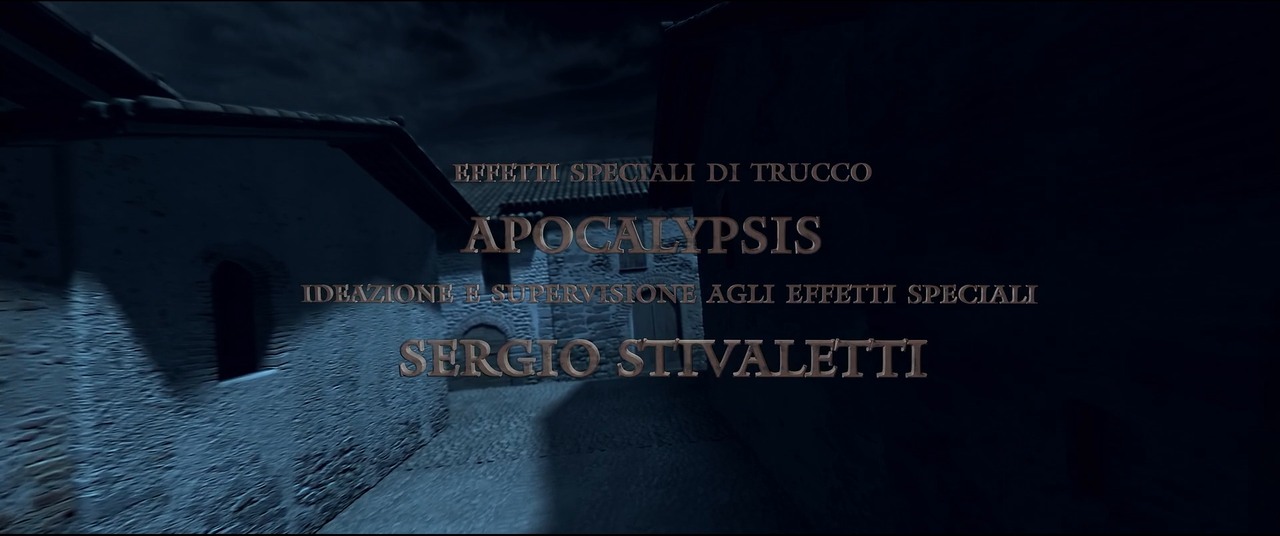
The regional production record separates Tovoli’s photography, Antonello Geleng’s production design, Claudio Cosentino’s scenography and Monica Celeste’s costumes. It also identifies stereographic work, digital effects and Sergio Stivaletti’s makeup effects. The regional crew record ↗ These distinctions matter when a film’s artificiality is treated as though it came from a single decision.
The Cannes press kit describes eight weeks of preparation, nine of shooting and eight months of postproduction. Its production account places location work in Piedmont and technical work in Lazio, with digital effects and stereoscopic finishing extending the process beyond the shoot. Its technical credits name Jean Antoine Delille as stereographer and ARRI ALEXA and Sony F3 cameras. Press kit, PDF pages 10 and 12 ↗ These are supplied production records, not our inspection of camera reports.
A convincing depth arrangement depends on more than a camera. A costume separates a figure from a wall; a set gives that figure a route; a digital element has to occupy a compatible space. Editing then determines how long the spectator has to understand those relationships. The credits give us a way to ask about this shared work without assigning every result to the director or every creature to one effects artist.
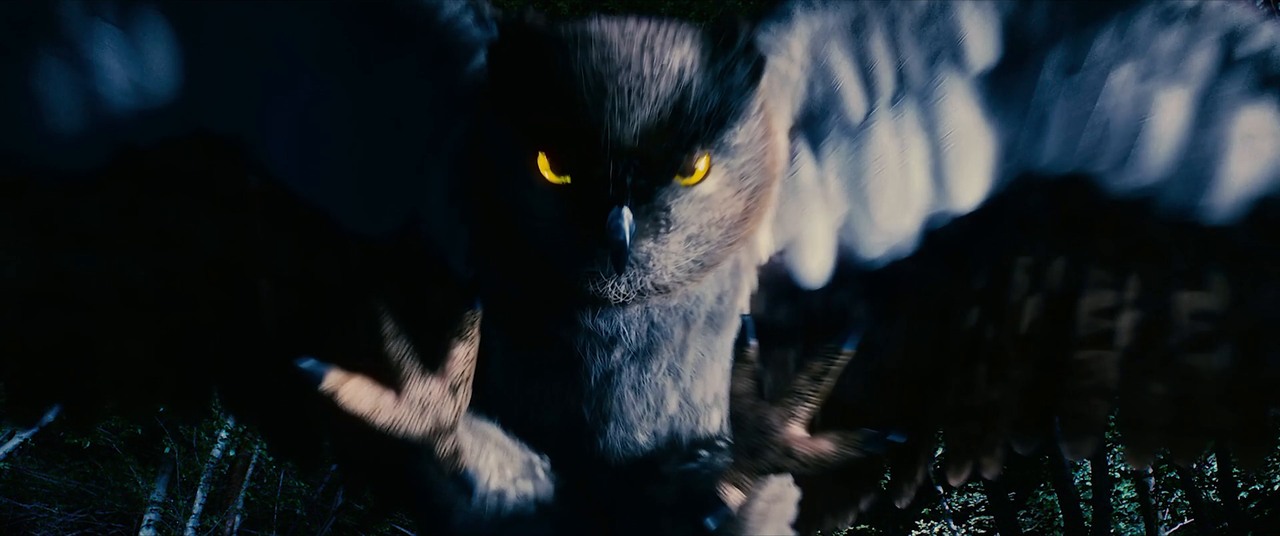
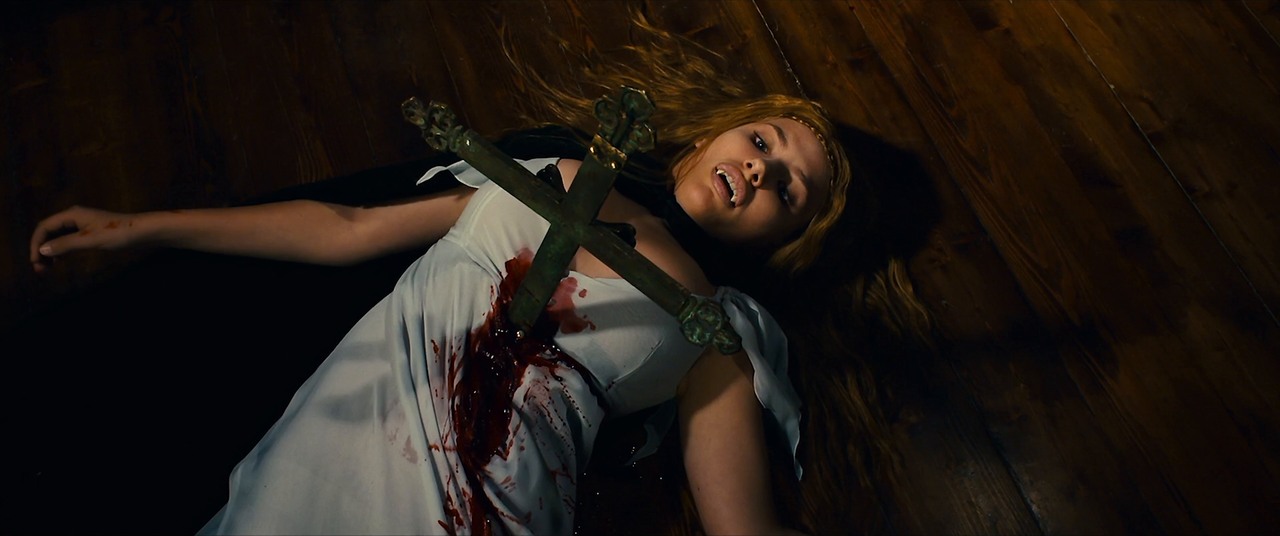
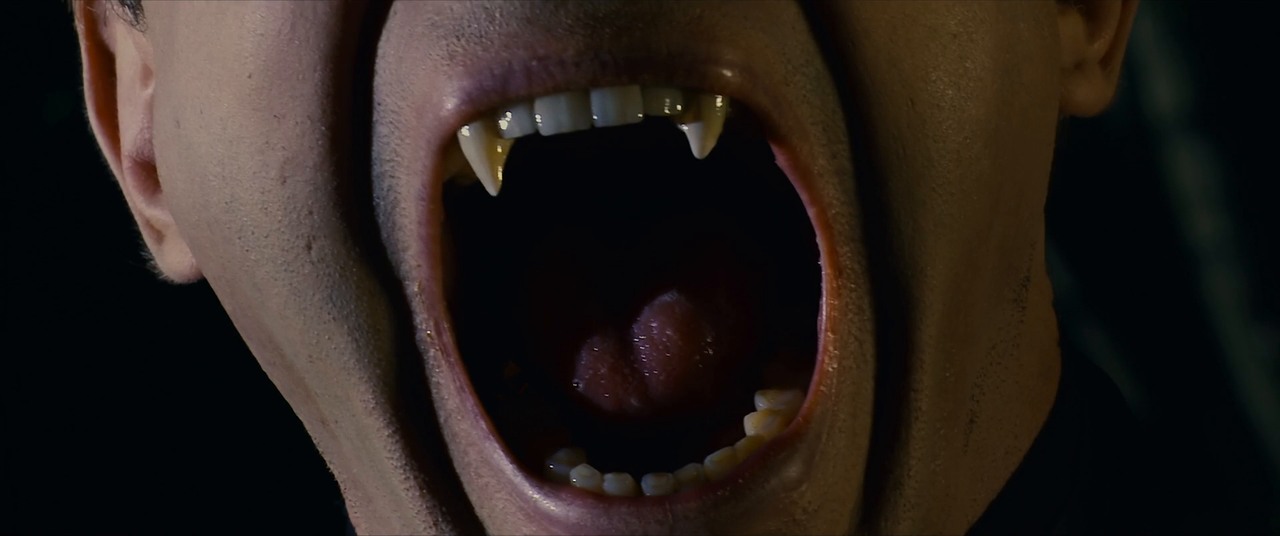
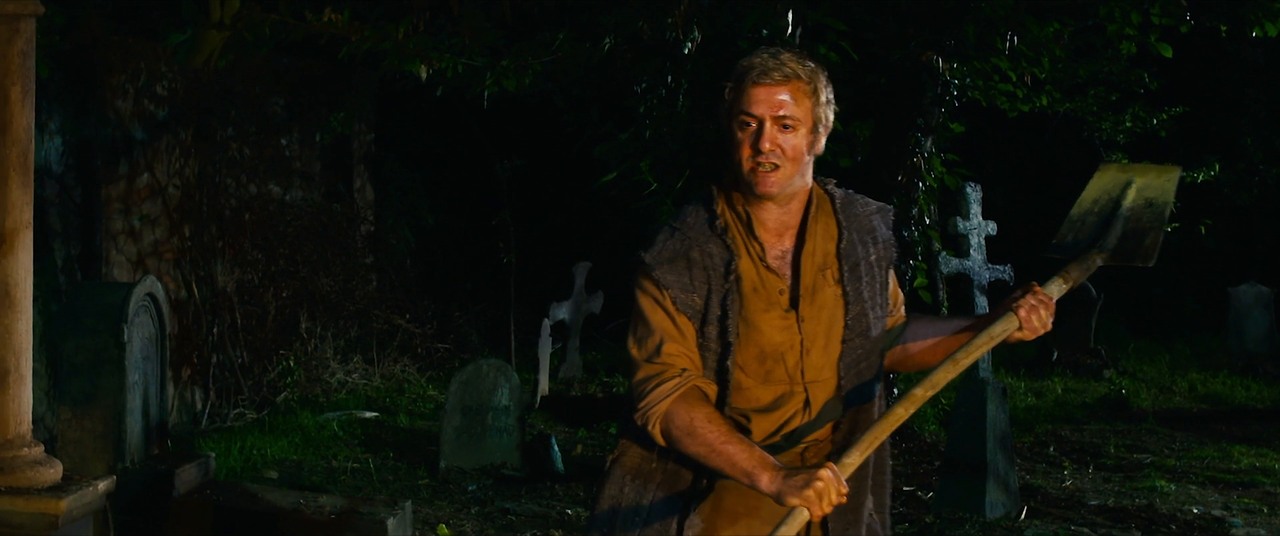
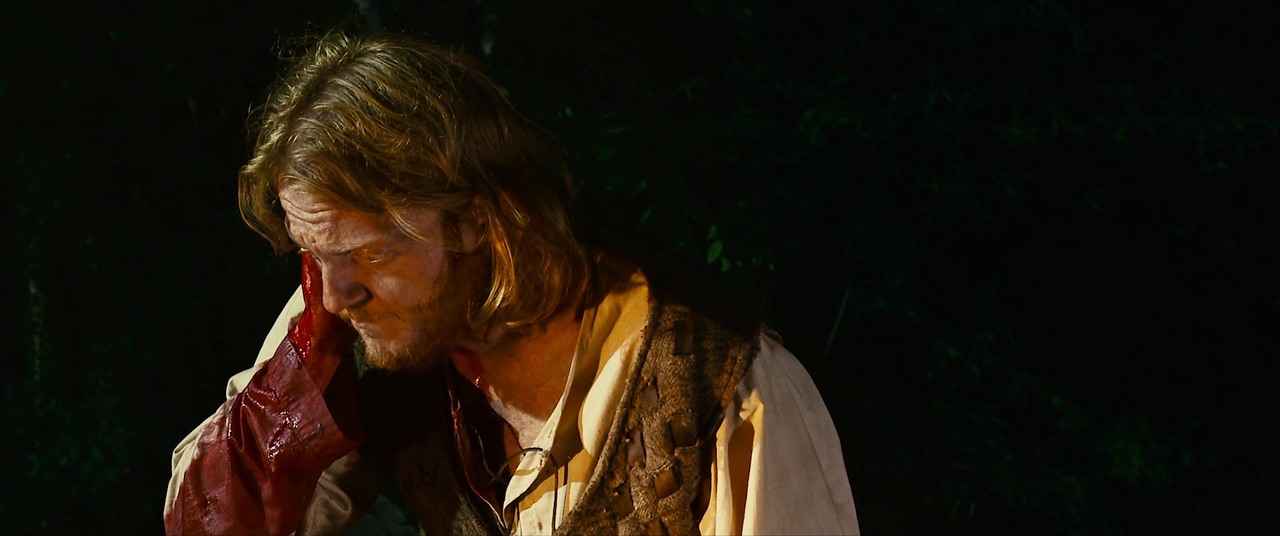
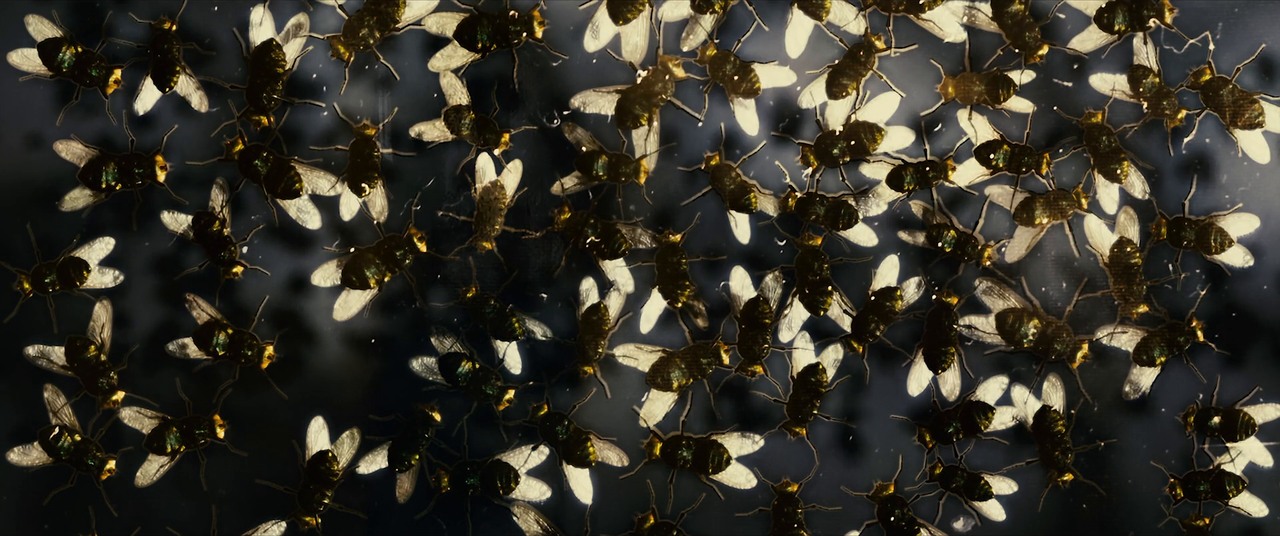
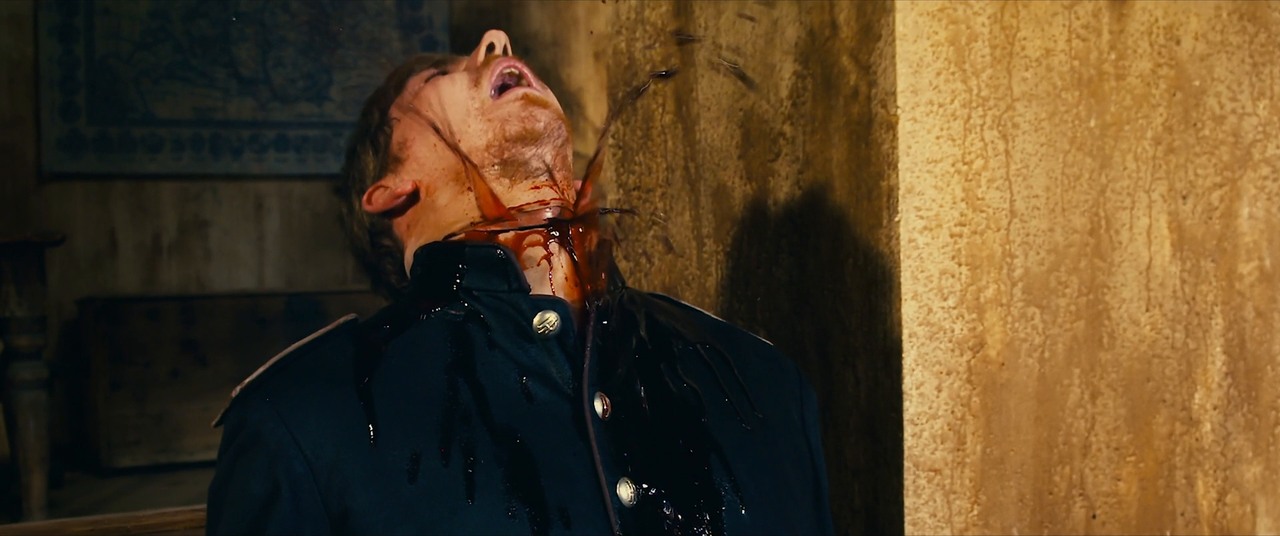
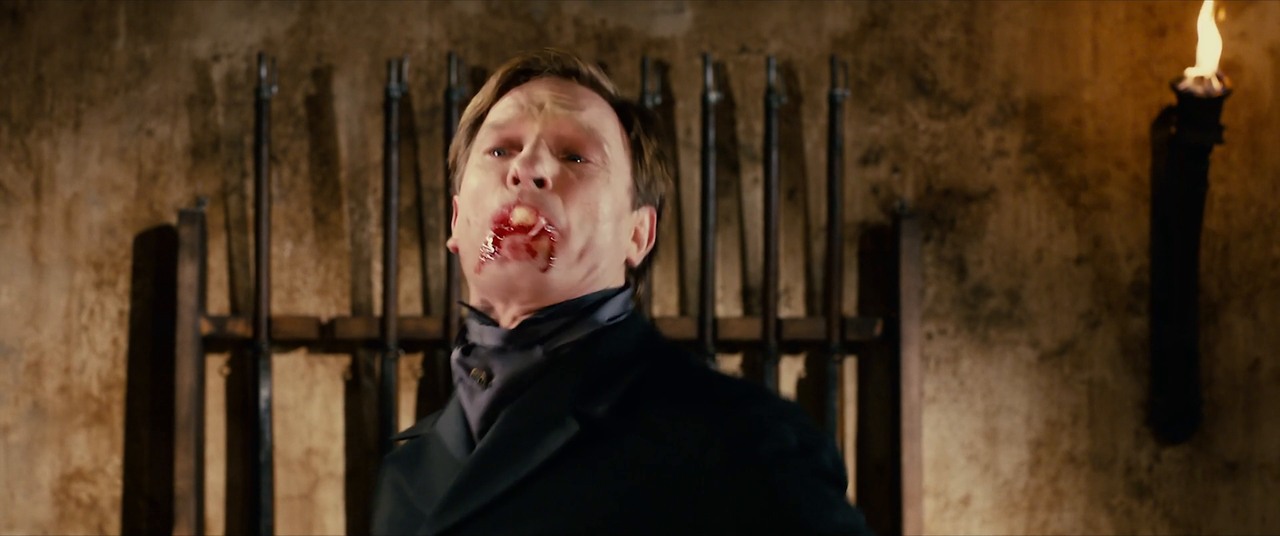
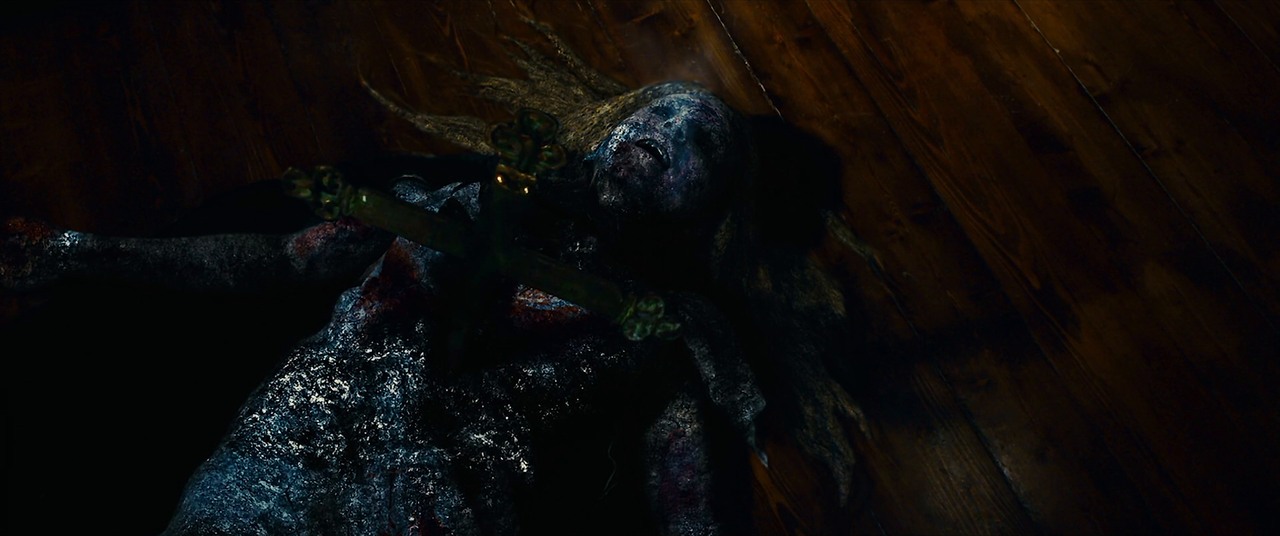
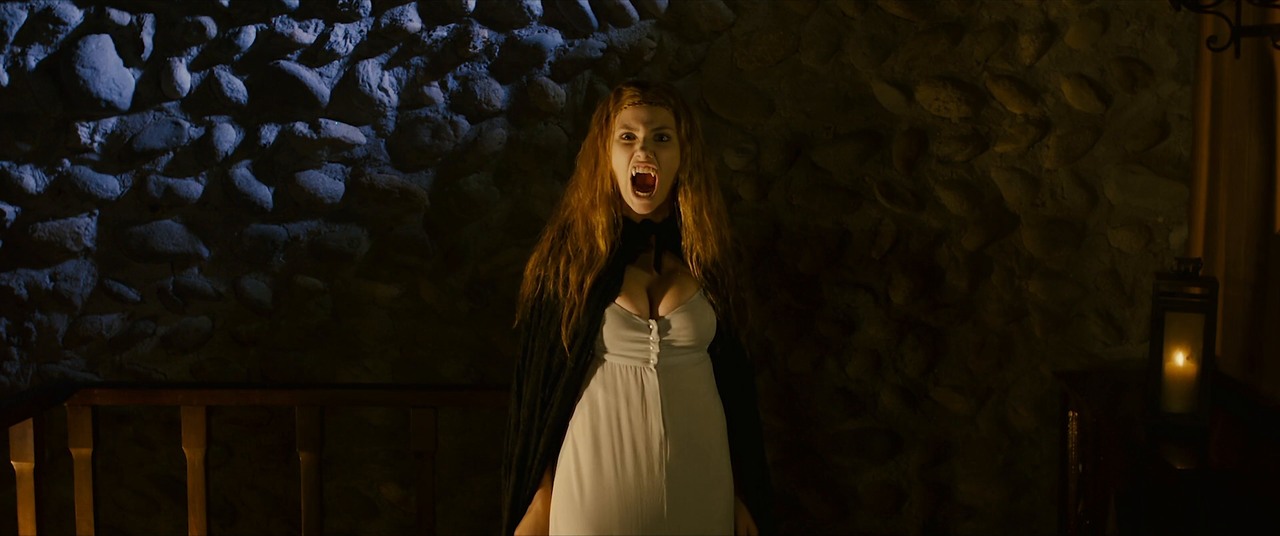
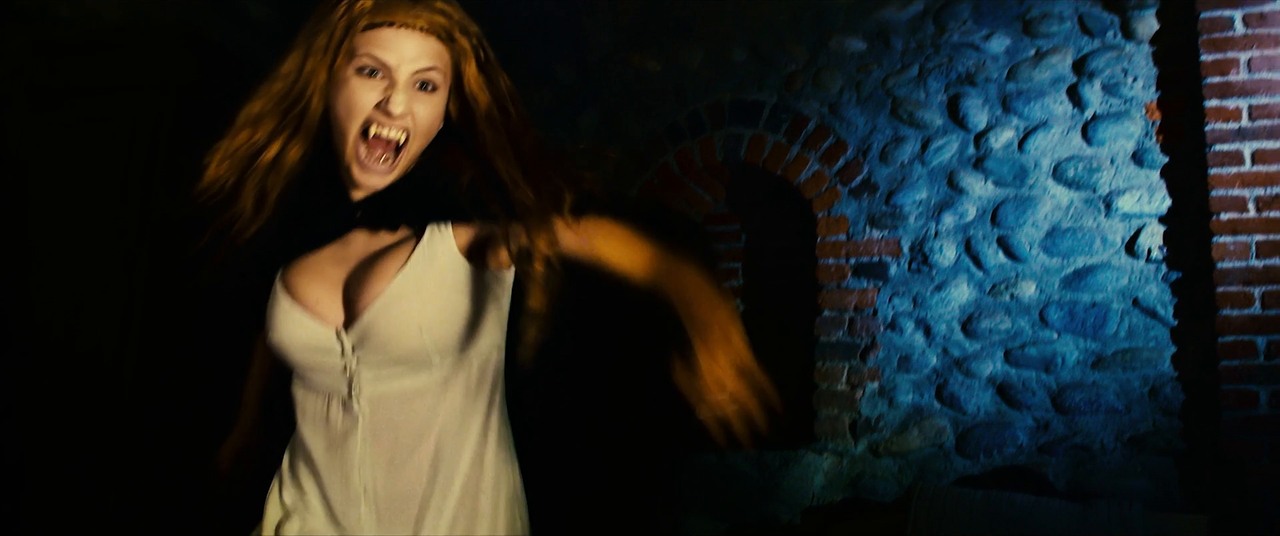
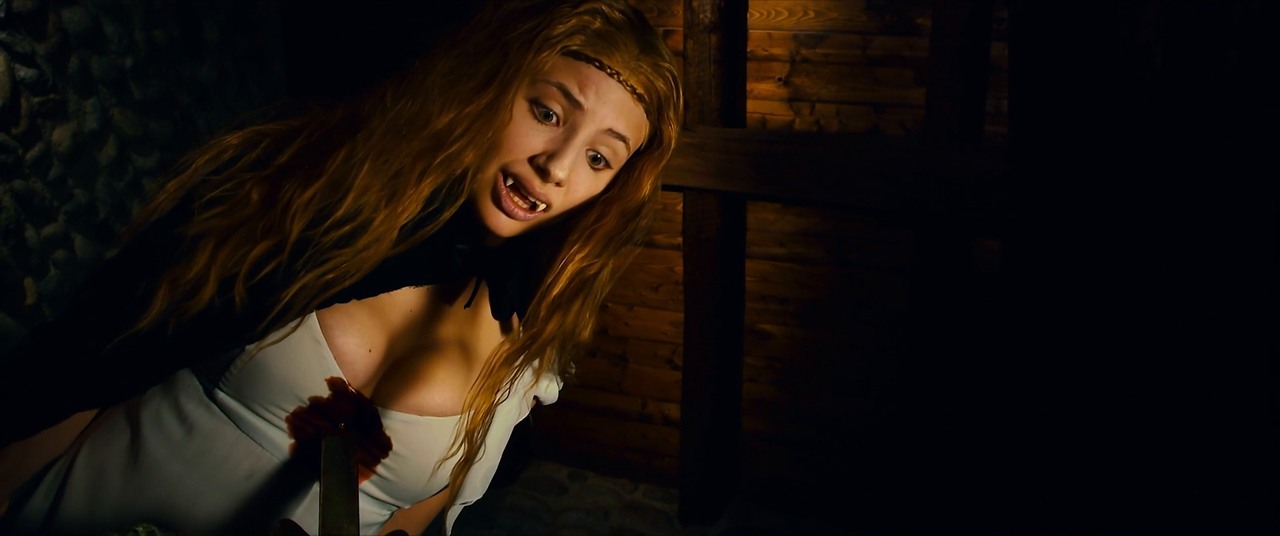
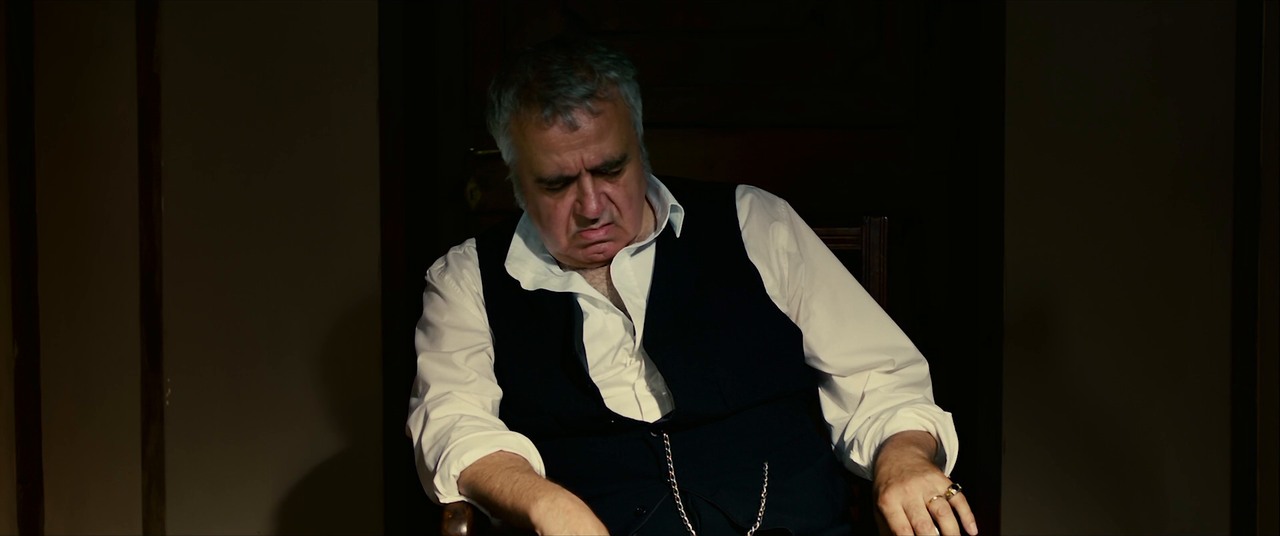
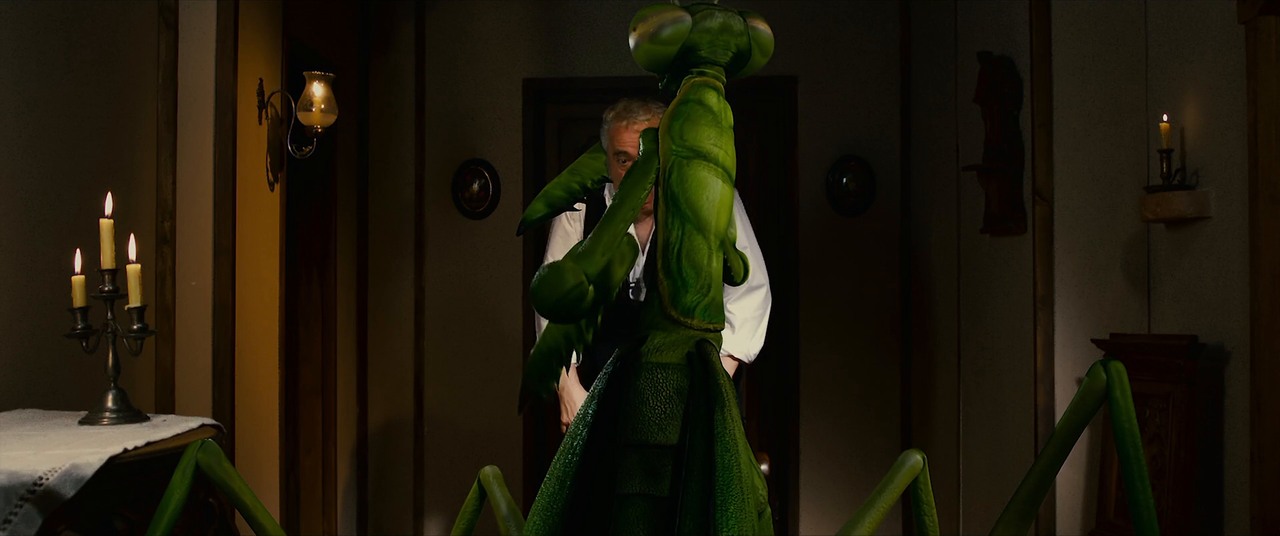
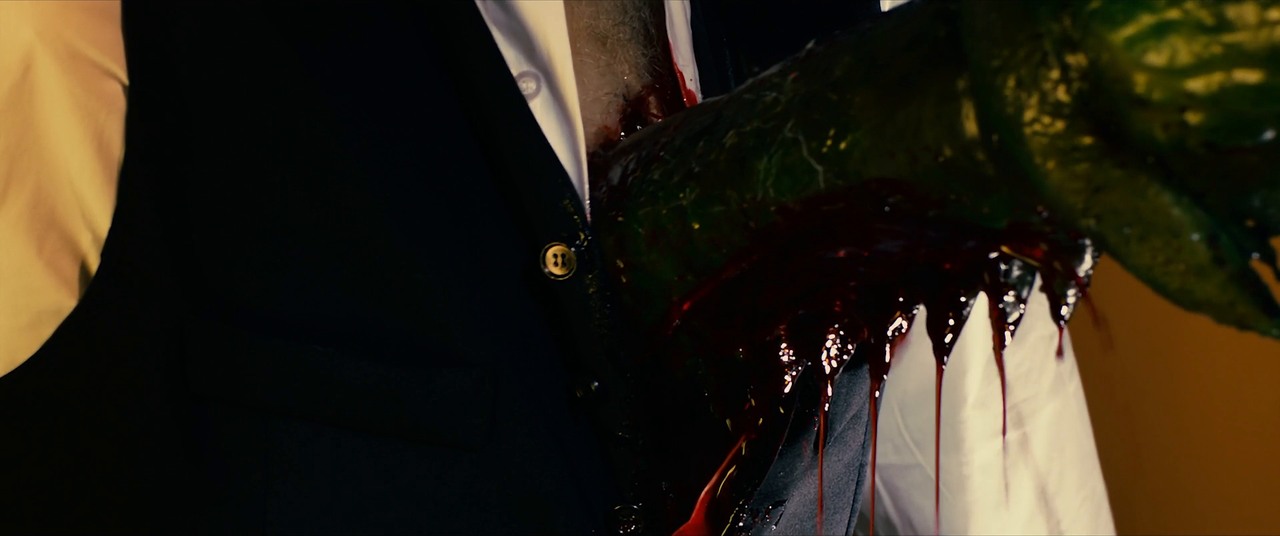
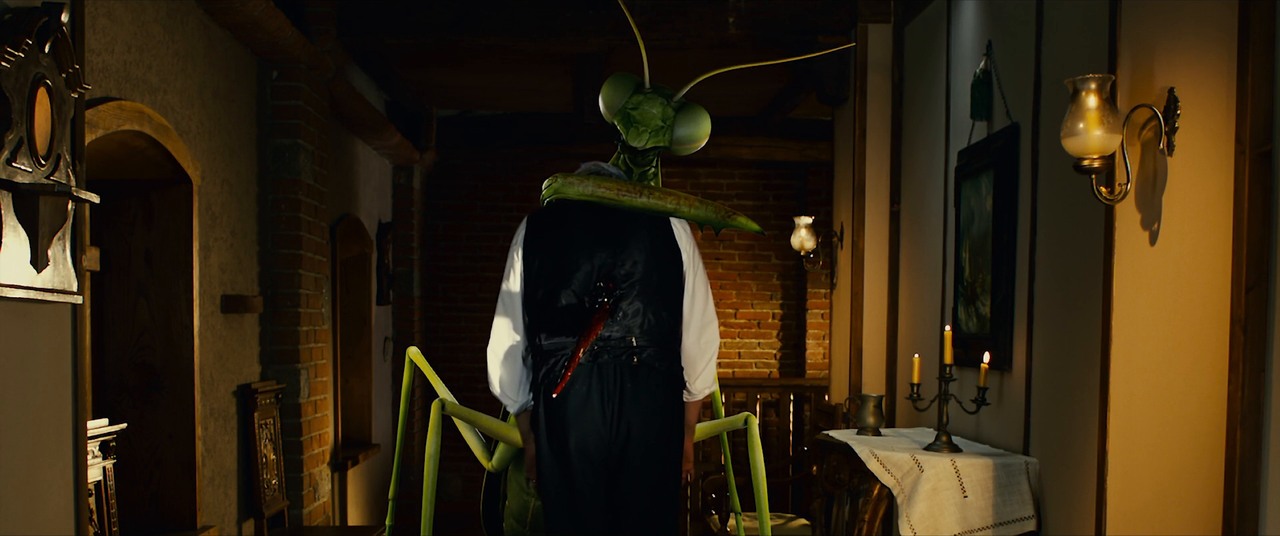
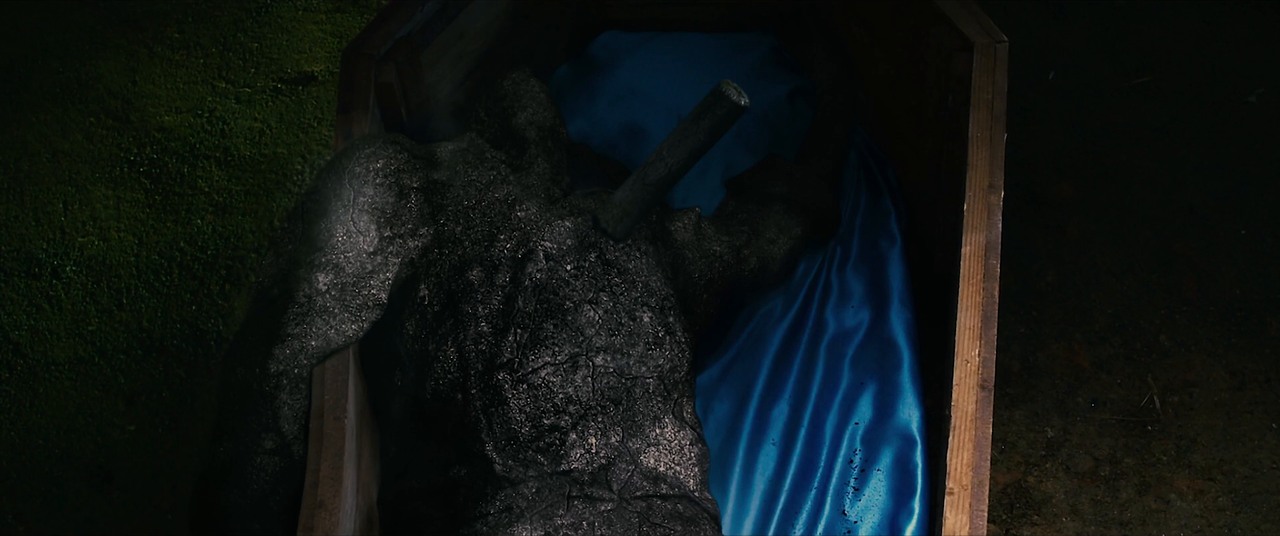
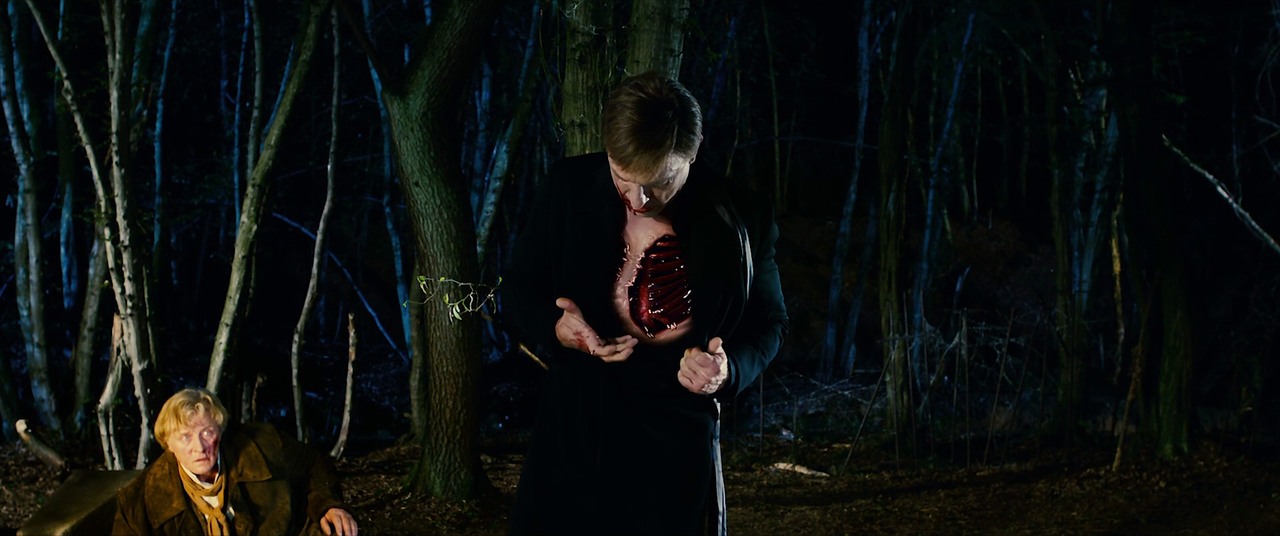
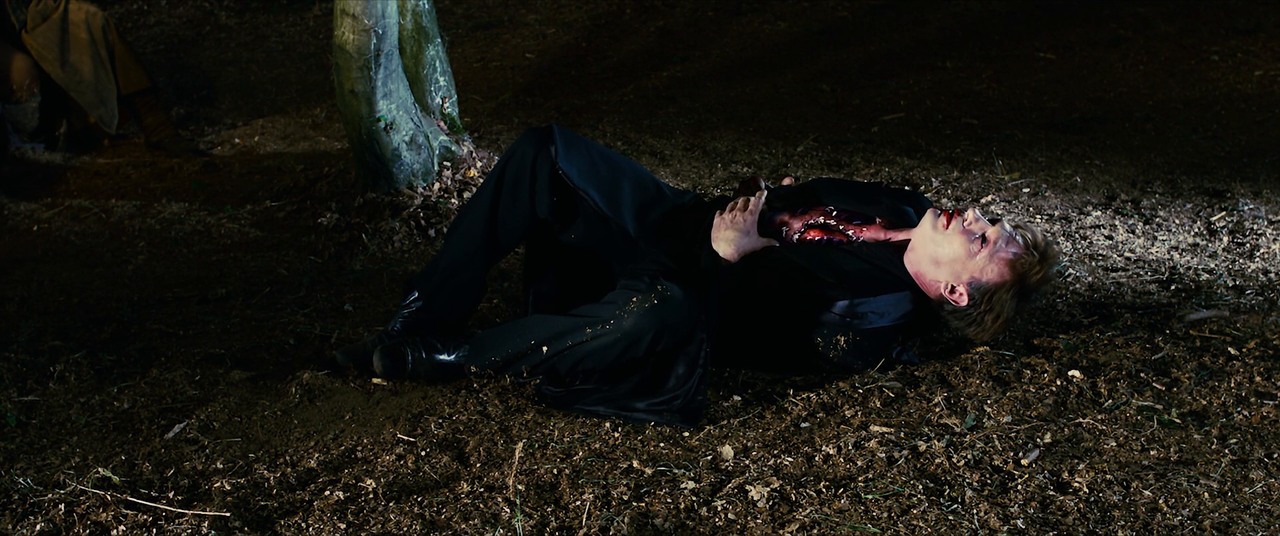
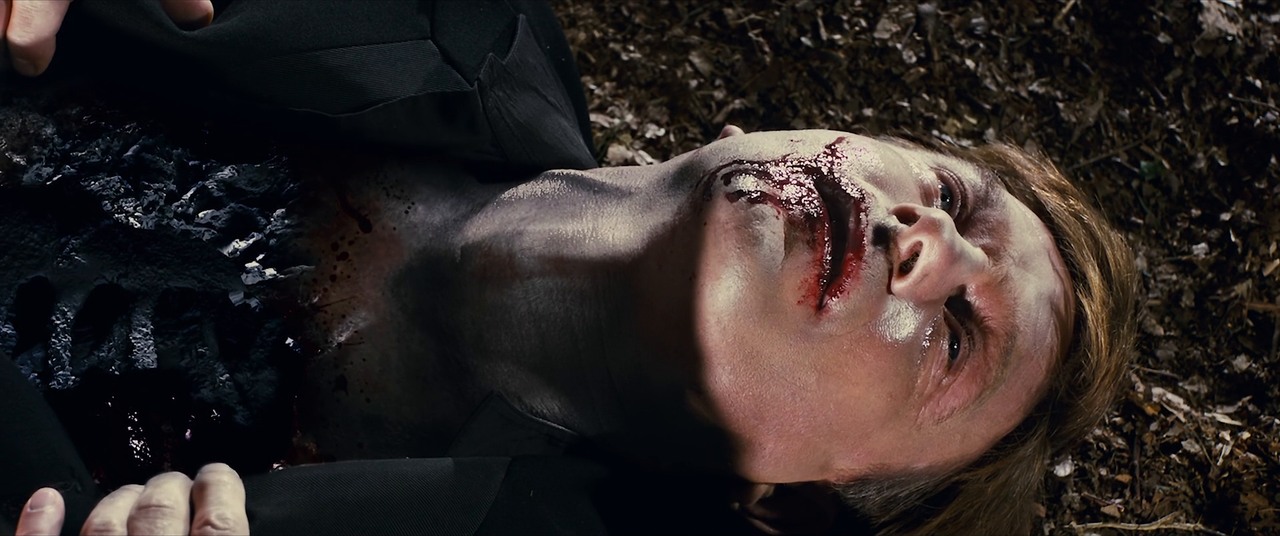
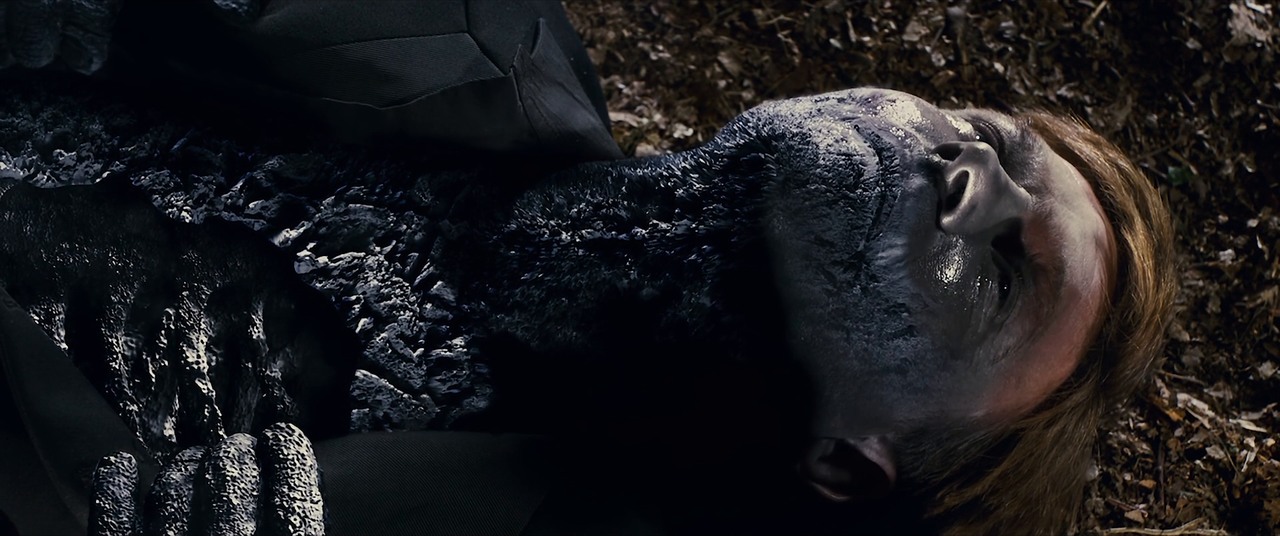
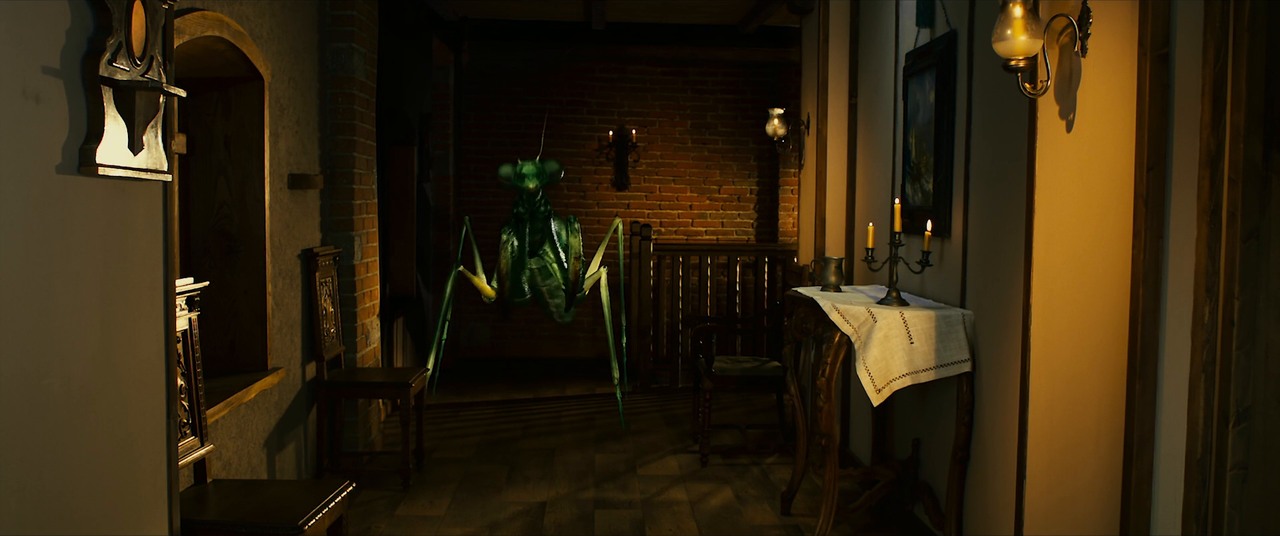
Argento describes expanding Dracula’s transformations to include a fly, a mantis and rats. His account of the creature forms ↗ This offers a particularly sharp test of the project: a recognisable actor becomes an overtly manufactured body. The resulting shift may feel uncanny, playful or implausible. The critical responses help locate that disagreement; they do not identify which individual made each effect. The eight sequence galleries now follow the visible effects, while the screen-credit study distinguishes the contributing departments. The credits alone do not allocate individual shots to artists.
06 / SIMONETTI, THE SCORE & ITS SEPARATE RELEASE
The album offers another route into the castle
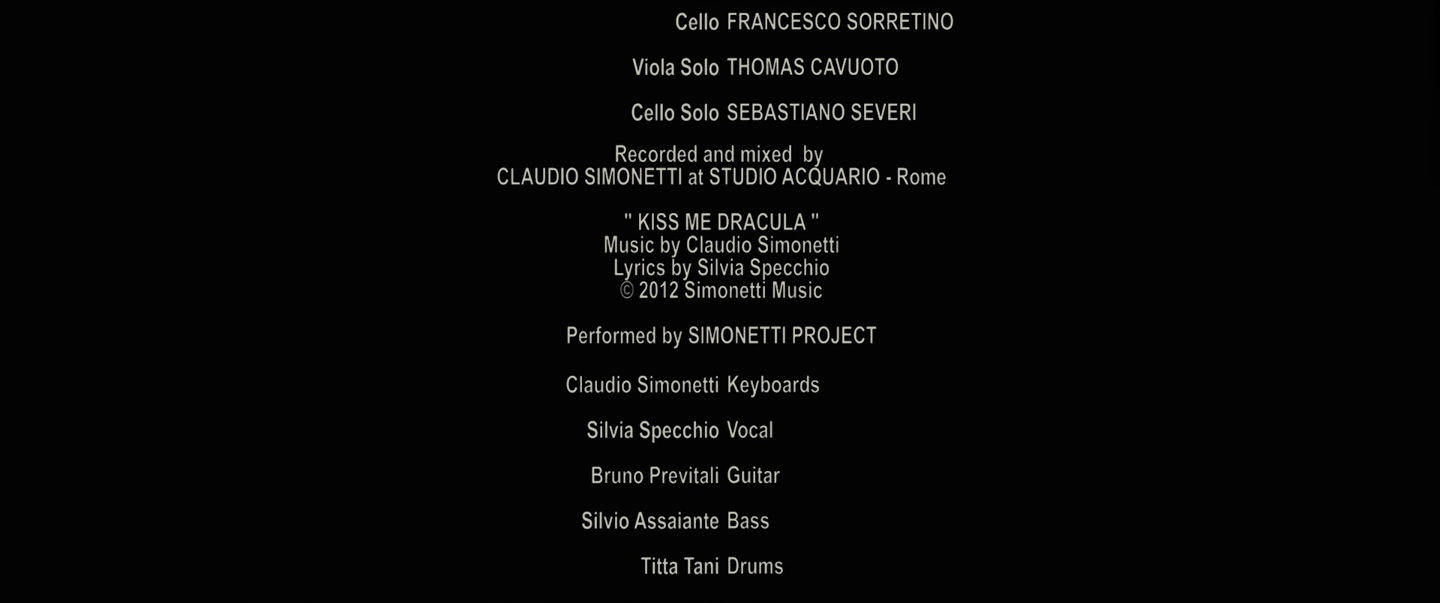
Claudio Simonetti’s soundtrack has a life outside the film. The official distributor lists the Deep Red album DR008 for 28 August 2012. Its track sequence begins with Kiss Me Dracula and Dracula Suite, and includes character and situation titles such as Mina, Dracula in Love and Van Helsing. The album’s release and track record ↗
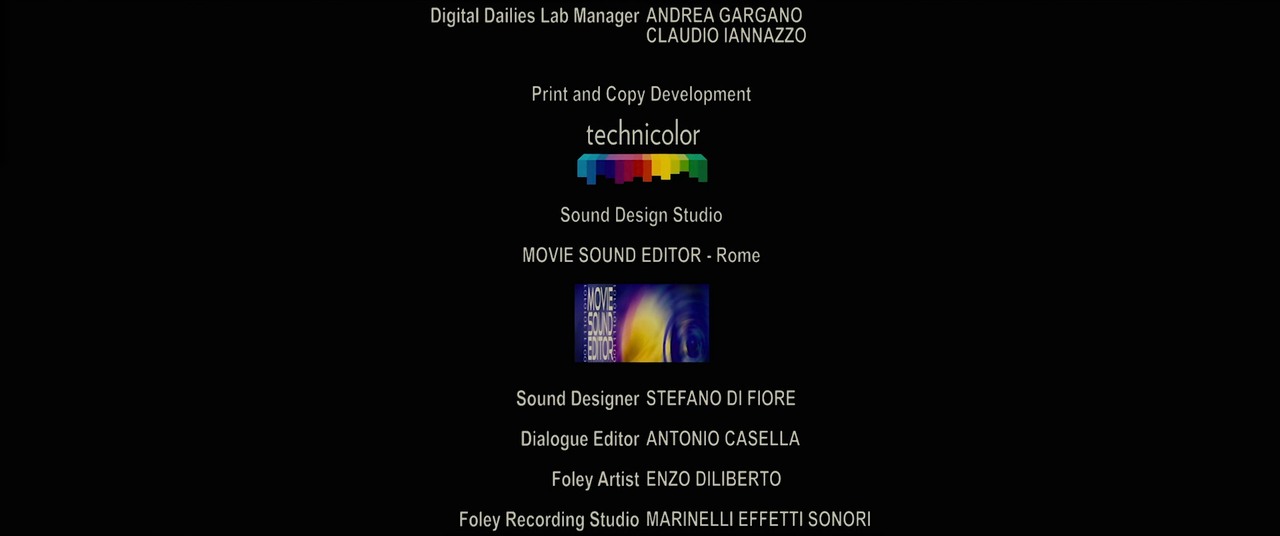
The press kit credits the Città Aperta orchestra and separately names Stefano Di Fiore for sound design. Press kit, PDF page 12 ↗ Composition, instrumental performance and the organisation of effects and voices are related but distinct activities. A discussion of “the soundtrack” can obscure those differences if it treats every audible choice as part of the score.
Marco Minniti’s Cannes review hears Simonetti’s contribution as part of the film’s deliberately old-fashioned gothic character. A contemporary response to the music ↗ That is an attributed listening judgment. It suggests a useful tension between a new image technology and a musical appeal to an older horror vocabulary, without supplying our own account of timbre, synchronisation or mix balance.
The music and sound-production guide adds Simonetti’s own account of his Hammer reference, the orchestra’s recording credits, the contributors to Kiss Me Dracula and the dialogue and Foley teams. The Count’s confession also makes music a metaphor within the dialogue. A direct listening comparison of the romantic encounter, transformations and Van Helsing’s arrival remains a useful next step for the score’s placement in the mix.
07 / TWO CANNES RESPONSES
Brightness can illuminate or disperse attention
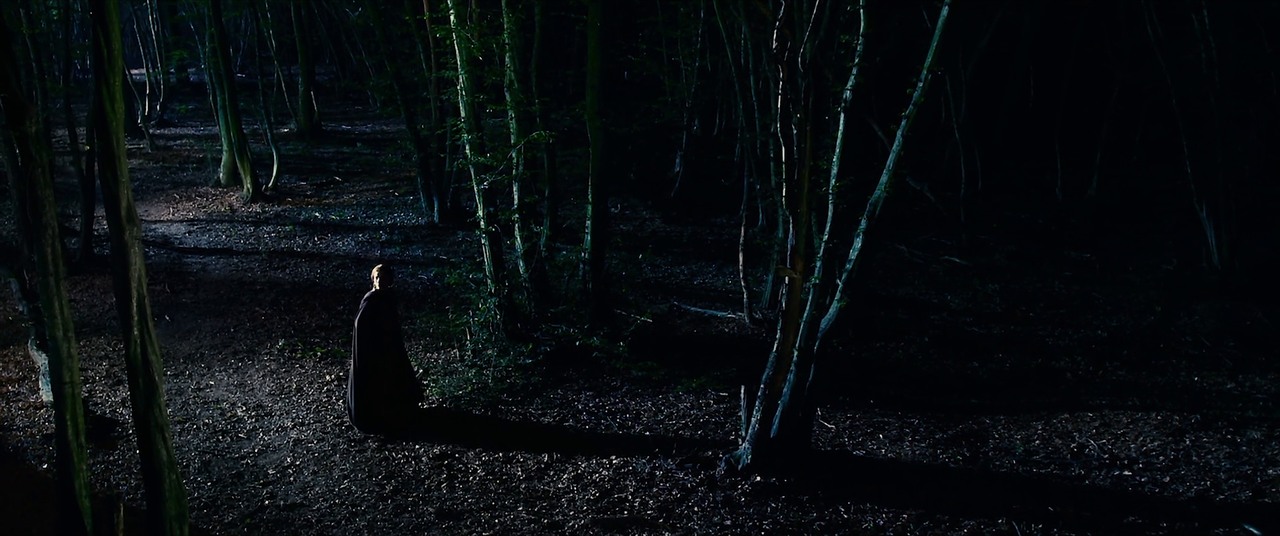
Craig Skinner’s Cannes review finds the bright imagery and conspicuous depth distracting, while allowing that the opening forest initially benefits from the format. His response becomes sharply negative about the effects and the use of space. Skinner, 28 May 2012 ↗ The concern is not simply that the film is too colourful. It is that available detail can compete with a clear centre of attention.
Marco Minniti’s review is more receptive to the artificial, pictorial world and its Hammer associations. He considers 3D dispensable but sometimes imaginatively used, while criticising weaknesses in the writing and effects. Minniti, 20 May 2012 ↗ Artificiality, in this reading, can be an aesthetic choice without making every execution successful.
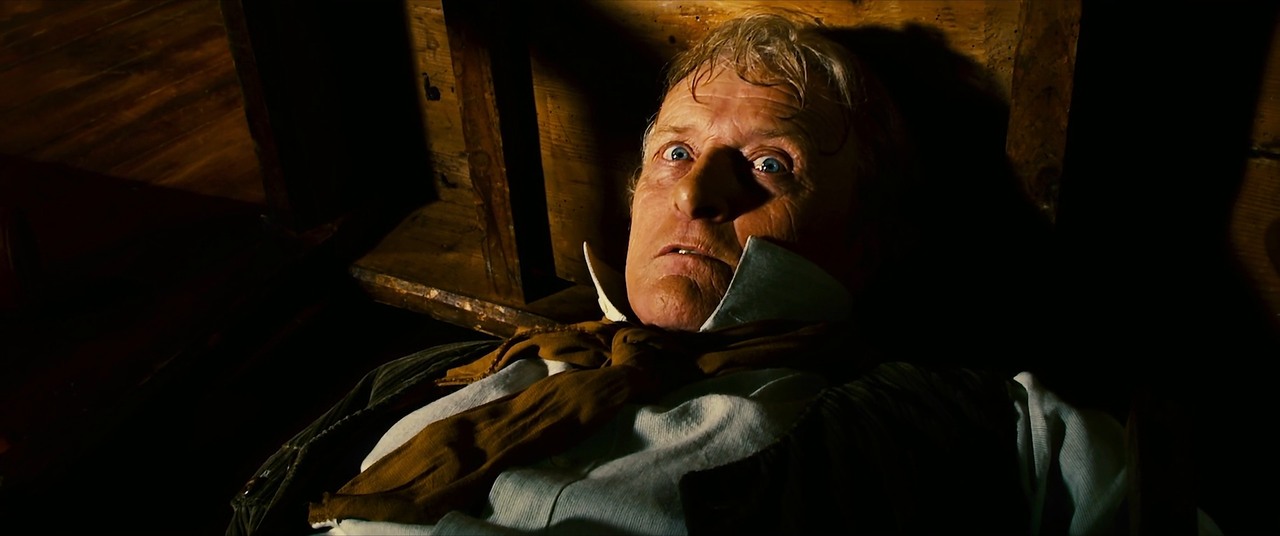
Their responses to Hauer also diverge: Skinner finds the performance disengaged, whereas Minniti appreciates its irony. Skinner on Van Helsing ↗ Minniti on Van Helsing ↗ A familiar actor can seem to bring economical authority or insufficient commitment to a role. The difference is worth keeping visible rather than manufacturing a consensus.
Placed beside Argento and Tovoli’s accounts, these reviews turn a verdict into a set of testable questions. Does the depth organise looking or scatter it? Does stylisation intensify the fable or weaken physical conviction? Does a performance acknowledge the tradition with wit or retreat into it? The makers explain what interested them; the critics describe different experiences of the outcome. Neither kind of evidence can substitute for the other, and two reviews cannot represent an entire reception history.
08 / CANNES, CINEMAS & HOME VIDEO
A duration is a record before it is a difference
Cannes presented Dario Argento Dracula in its 2012 Midnight Screenings programme, out of competition. The regional record dates the Italian theatrical release to 22 November 2012. Festival record ↗ Italian release record ↗ These are separate events in the film’s circulation, not competing production dates.
MPI markets the home-video edition as Argento’s Dracula. Its 110-minute listing differs from the Cannes and regional 106-minute records, and its year field differs from the film’s 2012 festival history. The distributor’s Blu-ray entry ↗ The dossier retains 2012 as the film year. It does not silently turn the later catalogue field into a second production.
Nor does a four-minute discrepancy demonstrate a longer cut. A proper comparison needs an identified carrier, language, playback rate and actual start and end points. Rounding, packaging information and different materials are possible avenues to check, not established explanations. Likewise, watching a 2D presentation would not be enough to settle an argument specifically about stereoscopic depth.
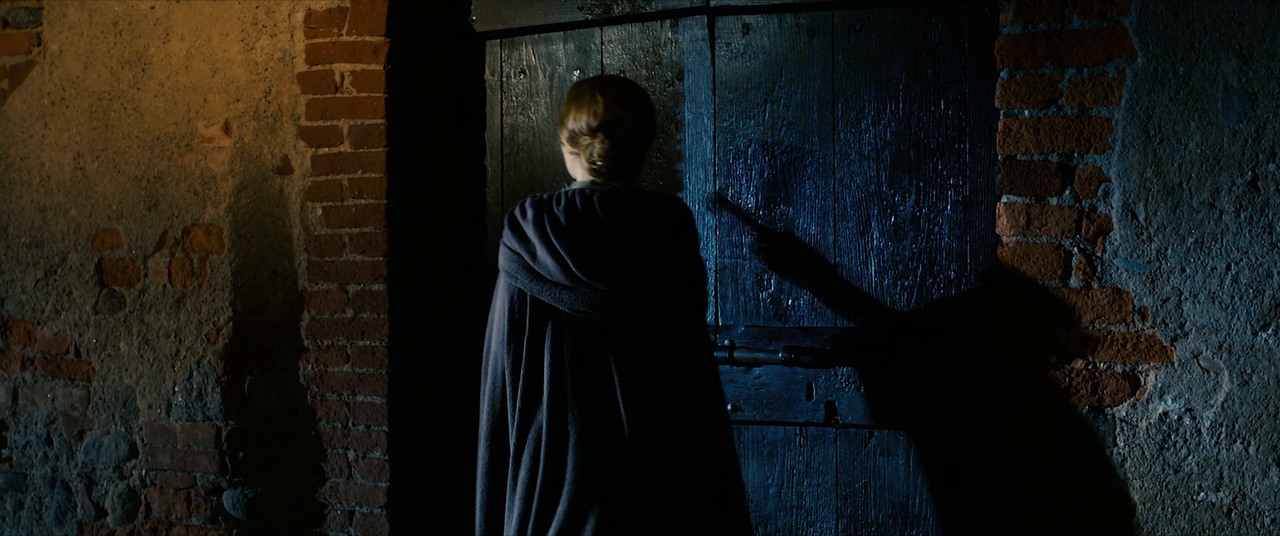
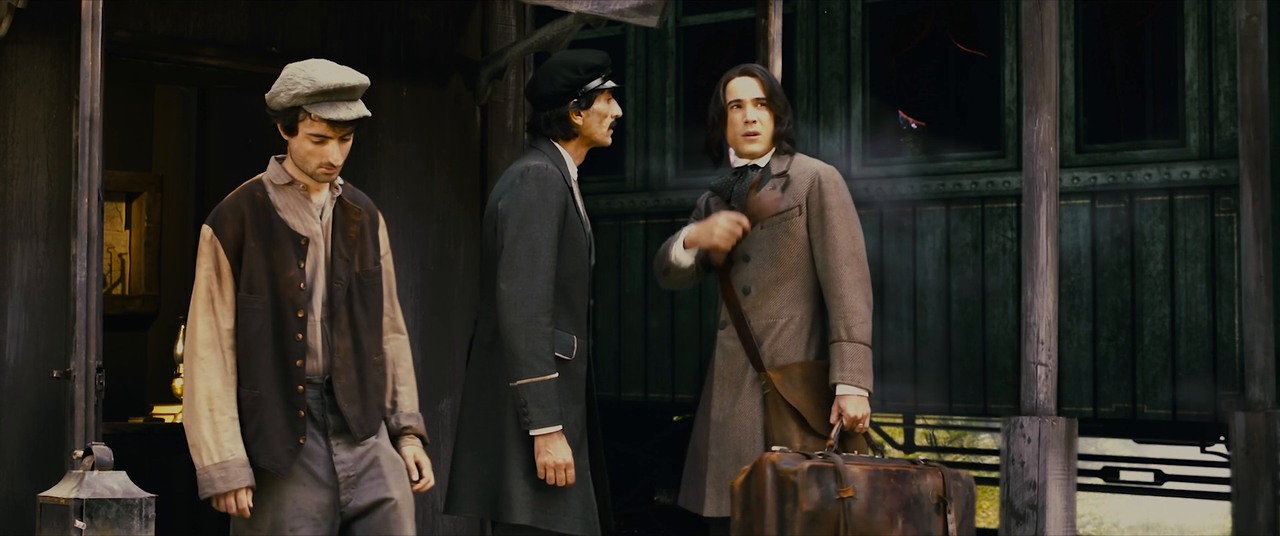
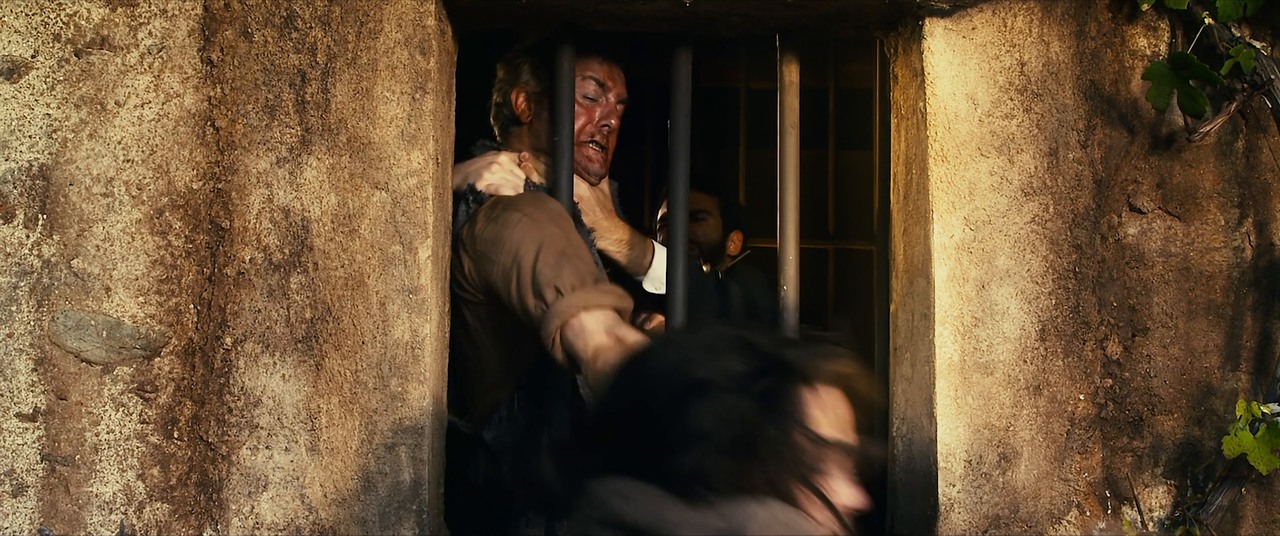
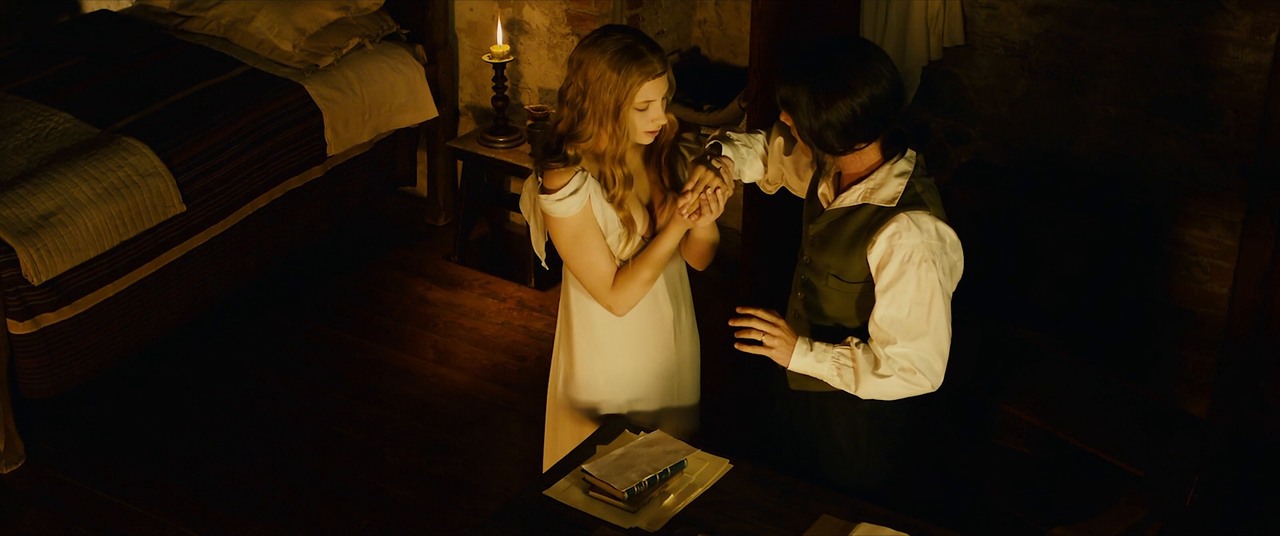
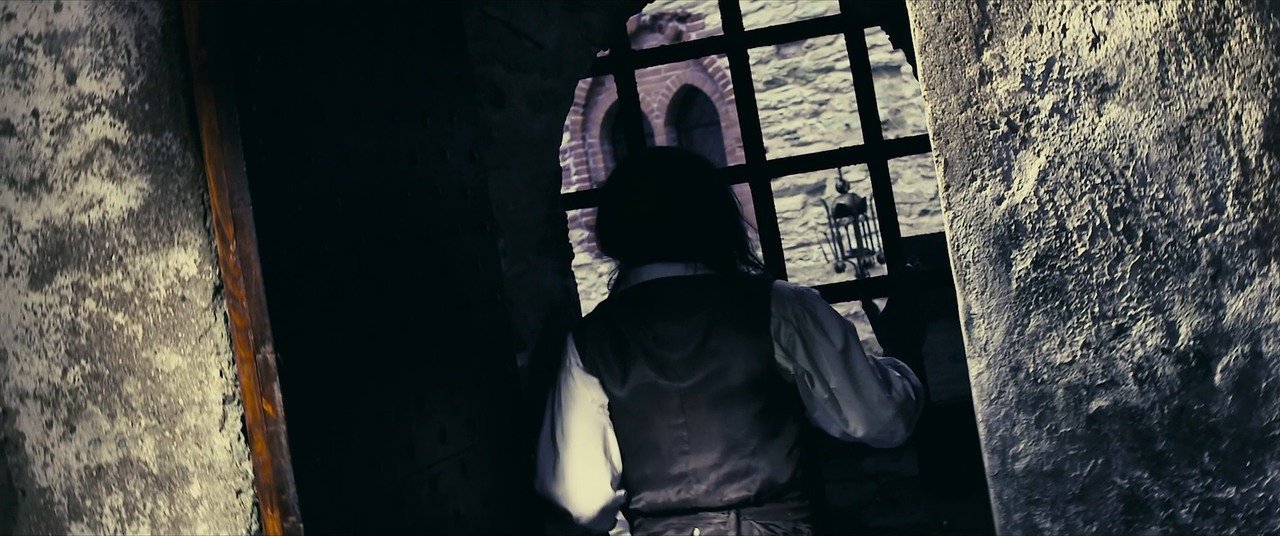
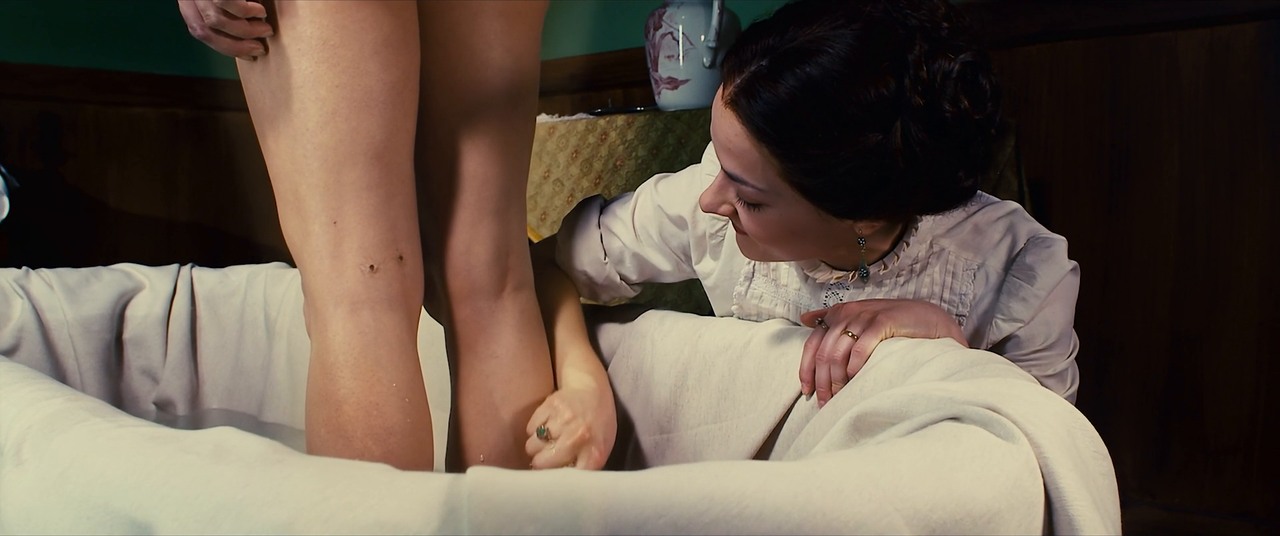
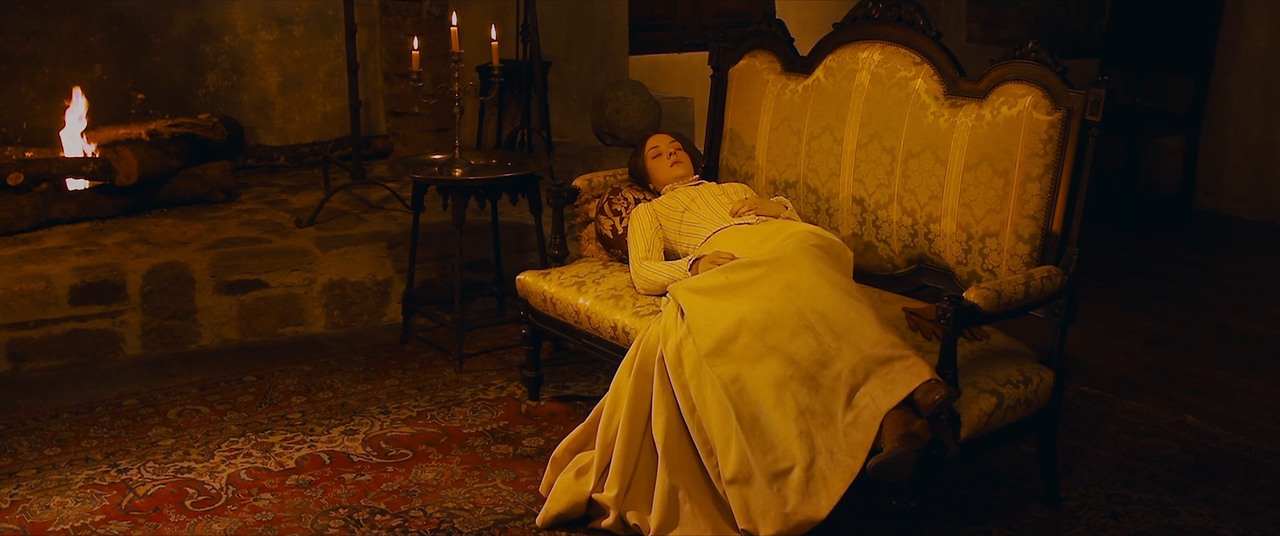
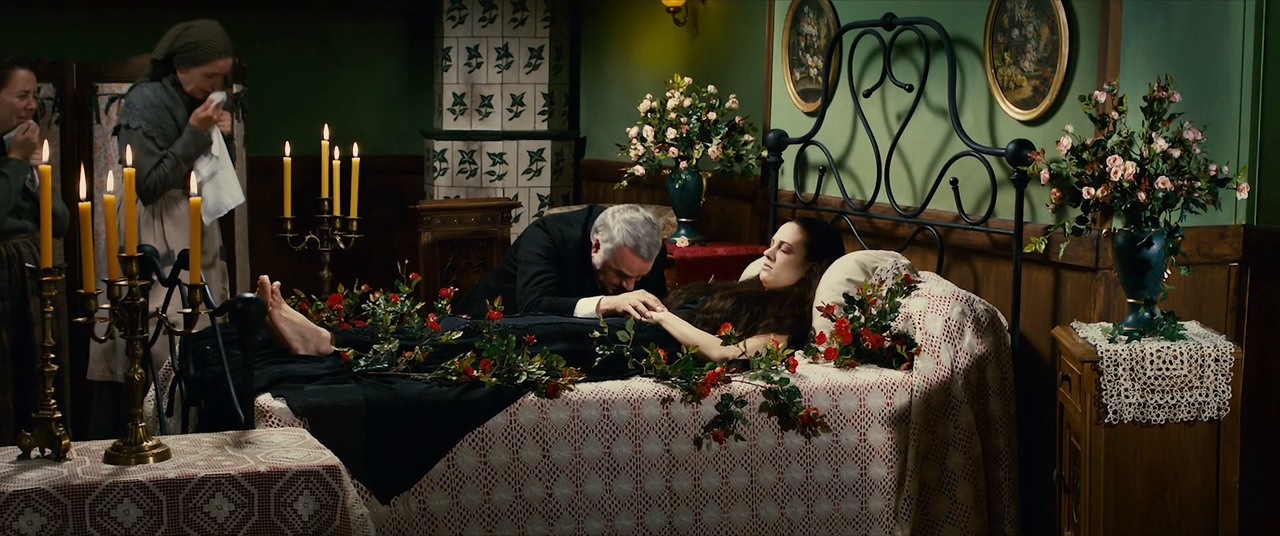
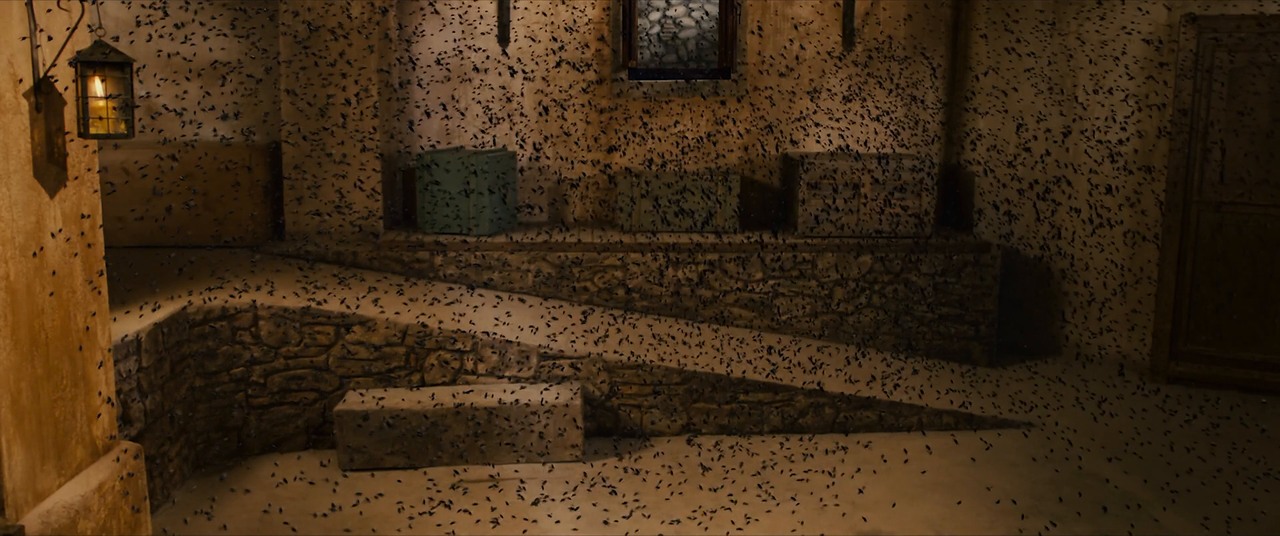
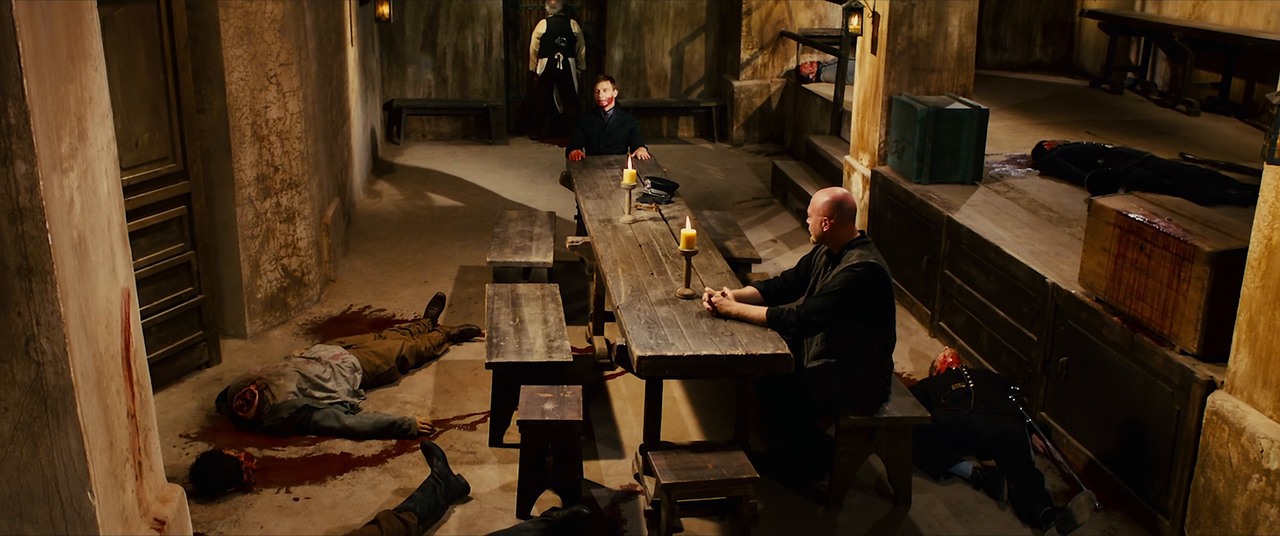
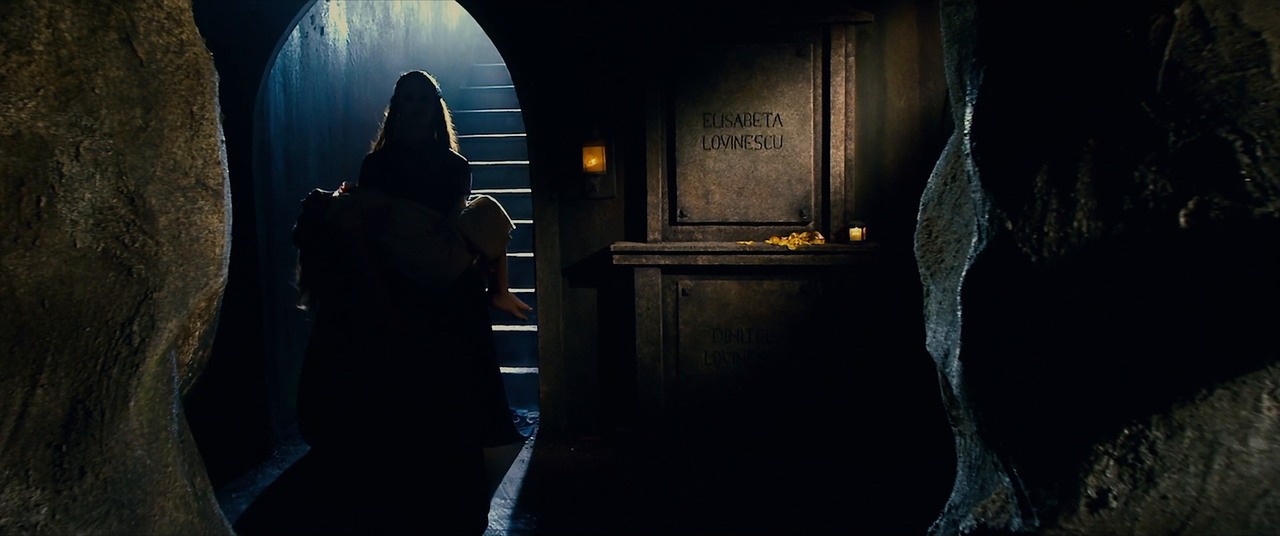
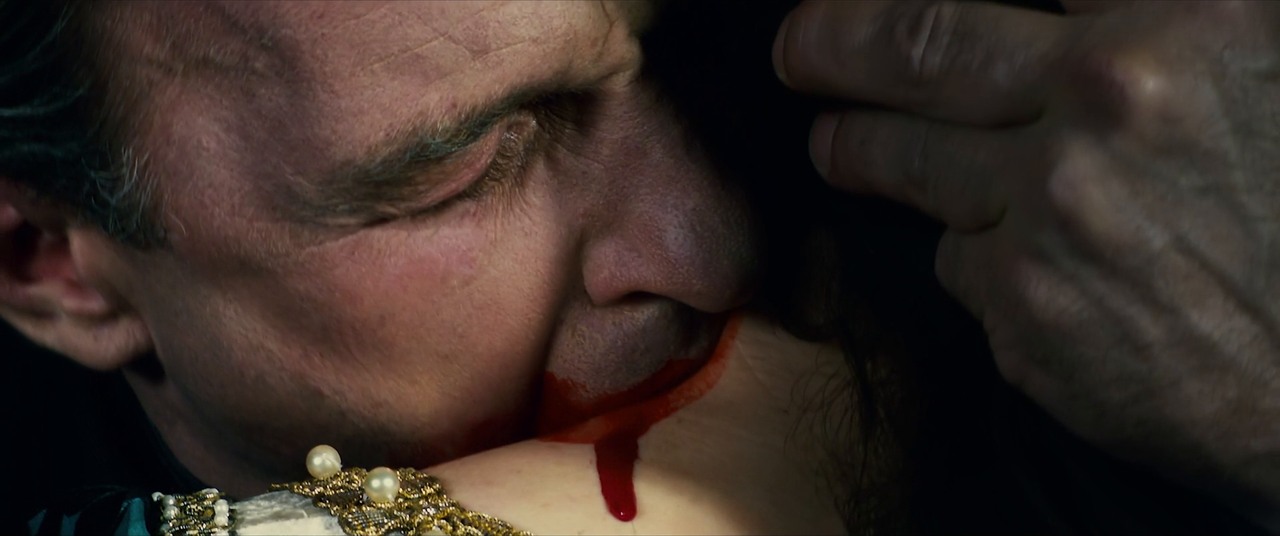
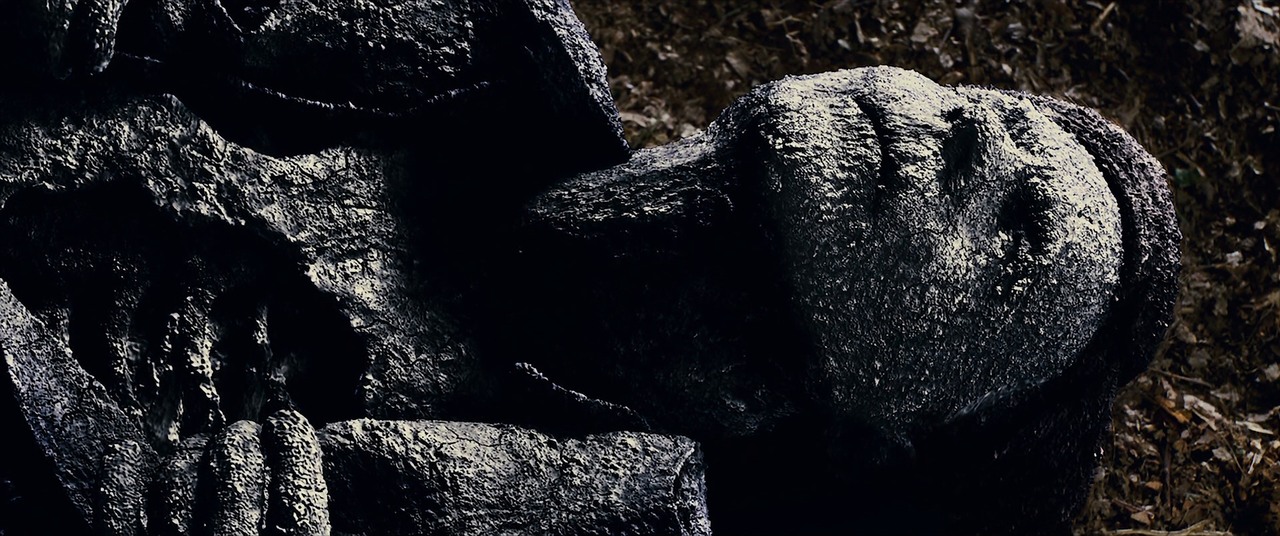
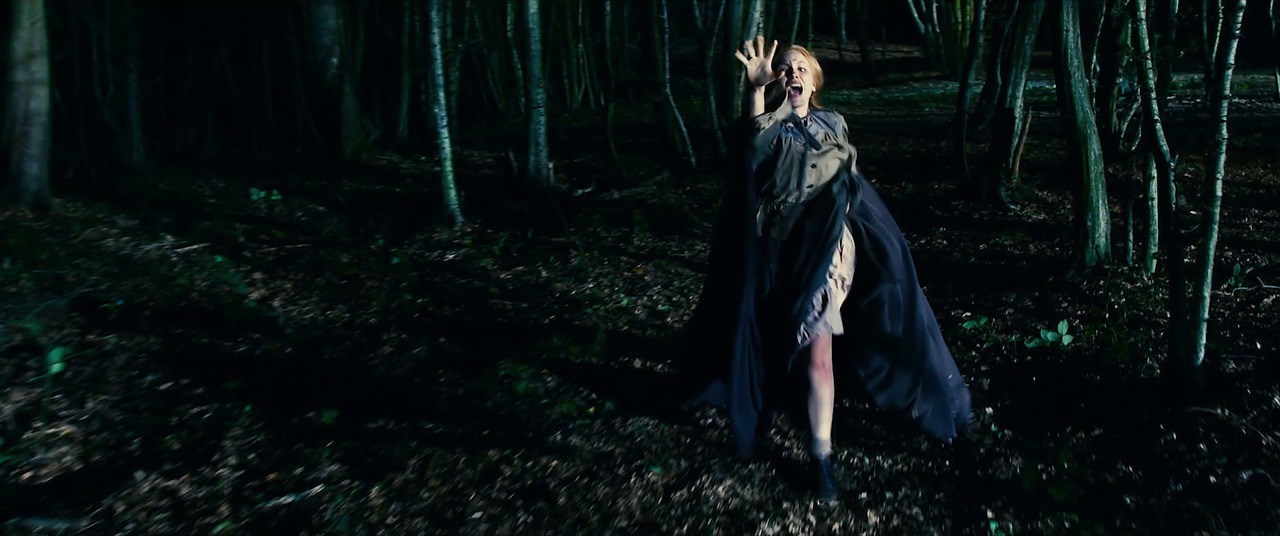
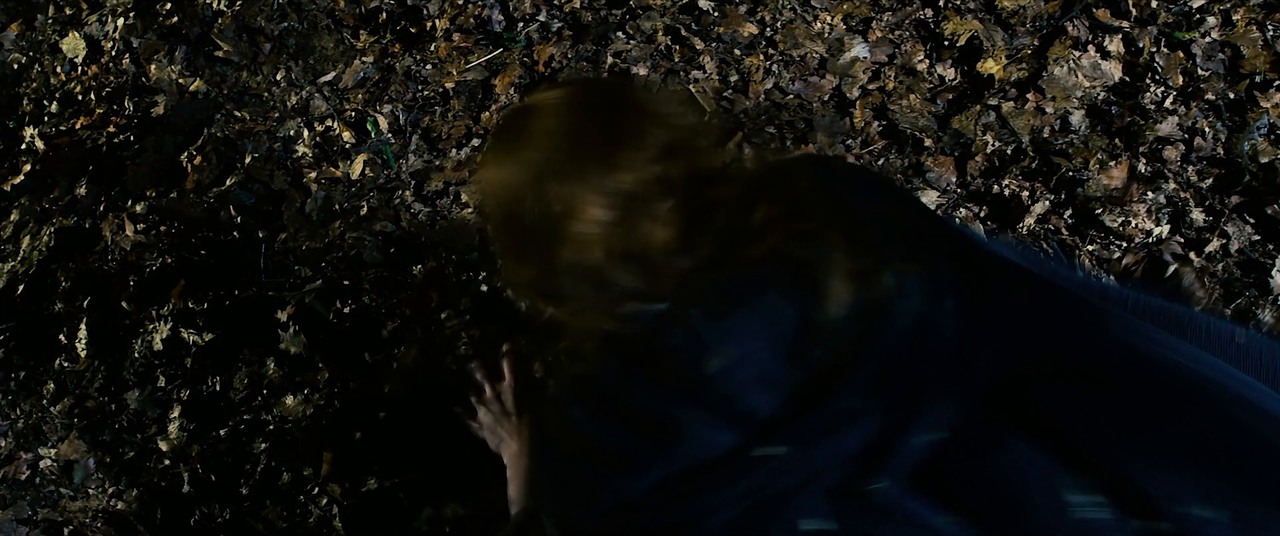
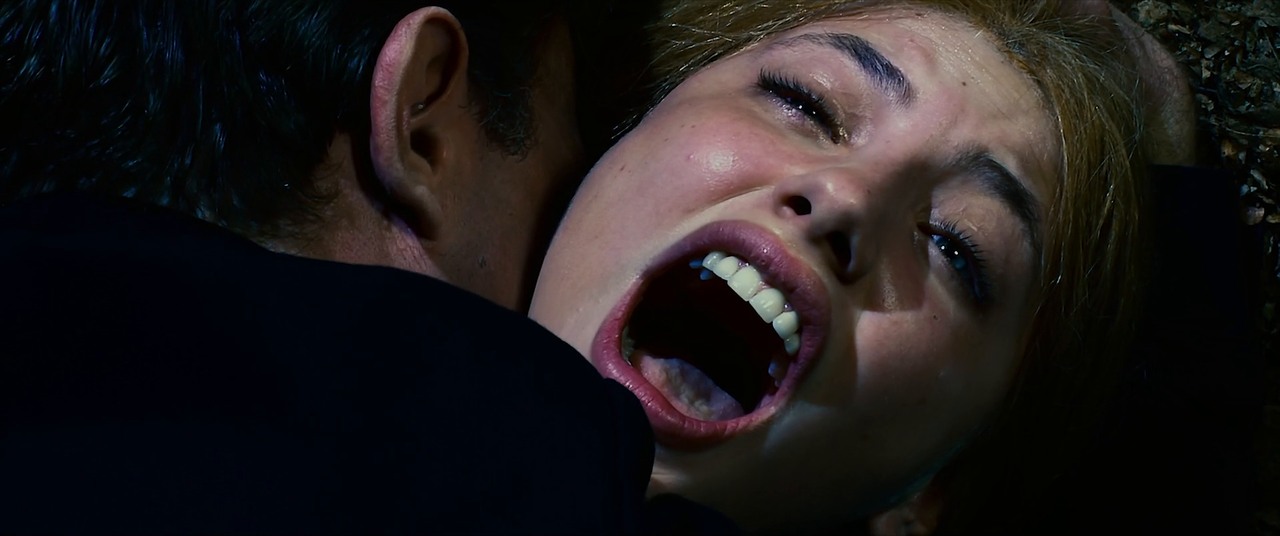
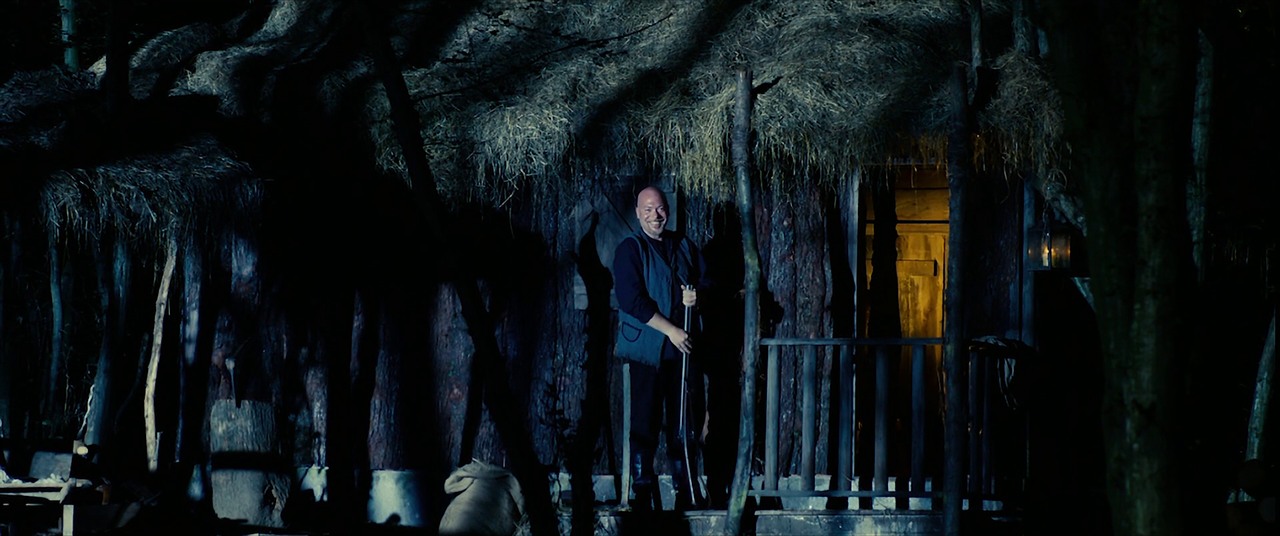
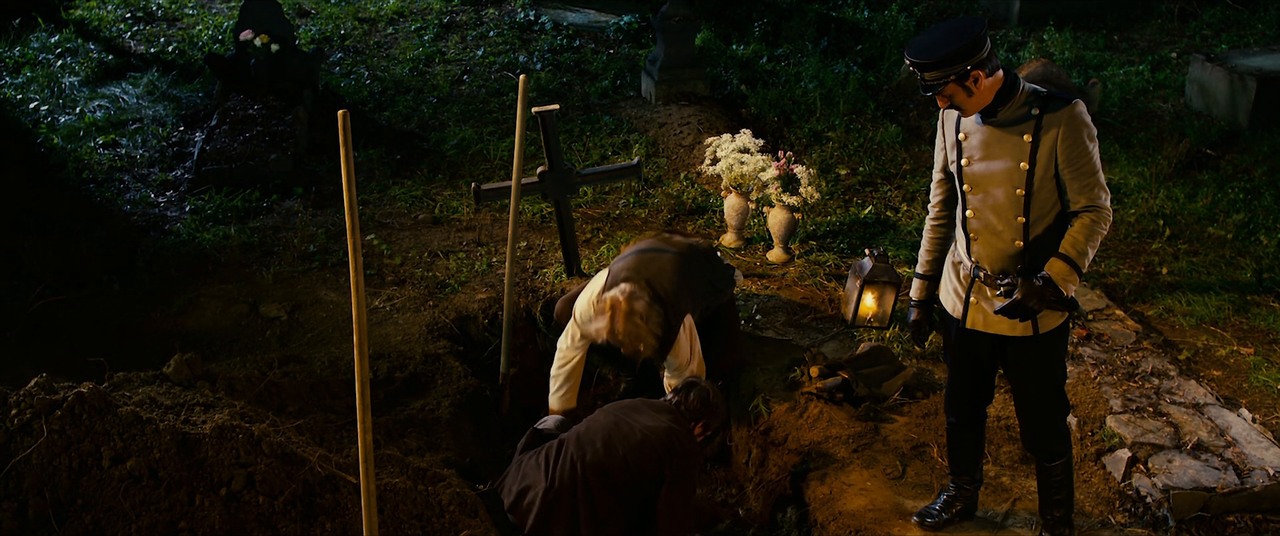
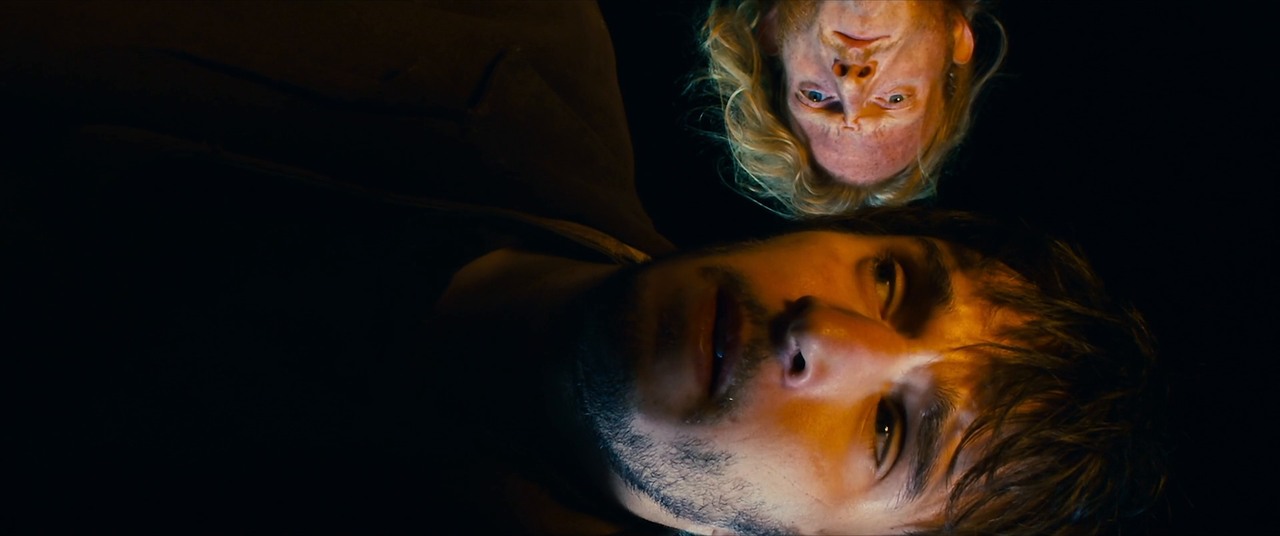
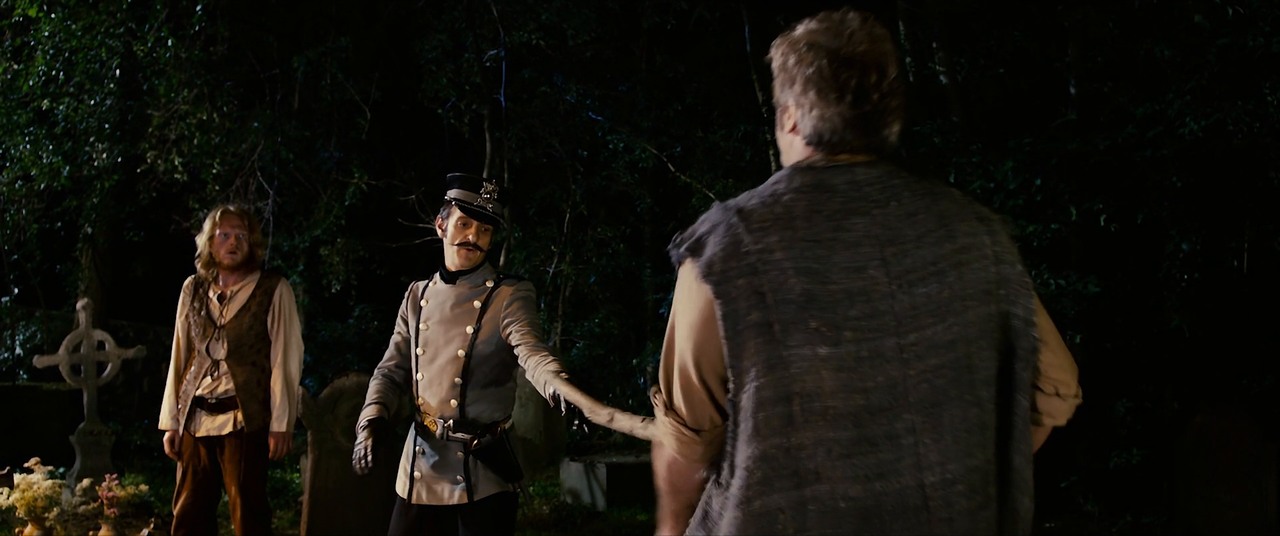
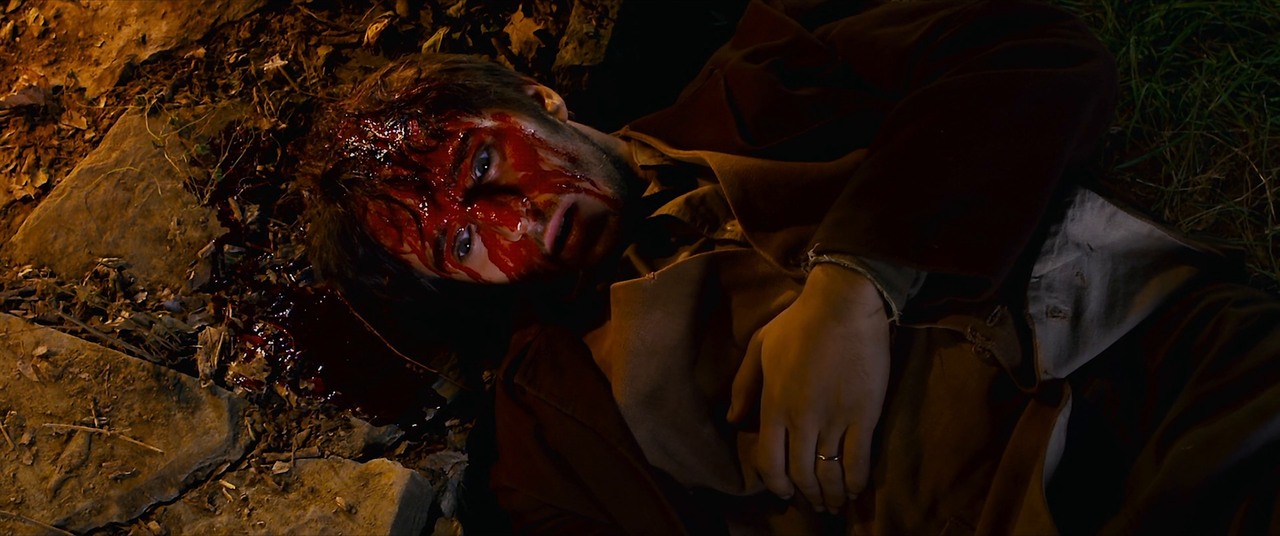
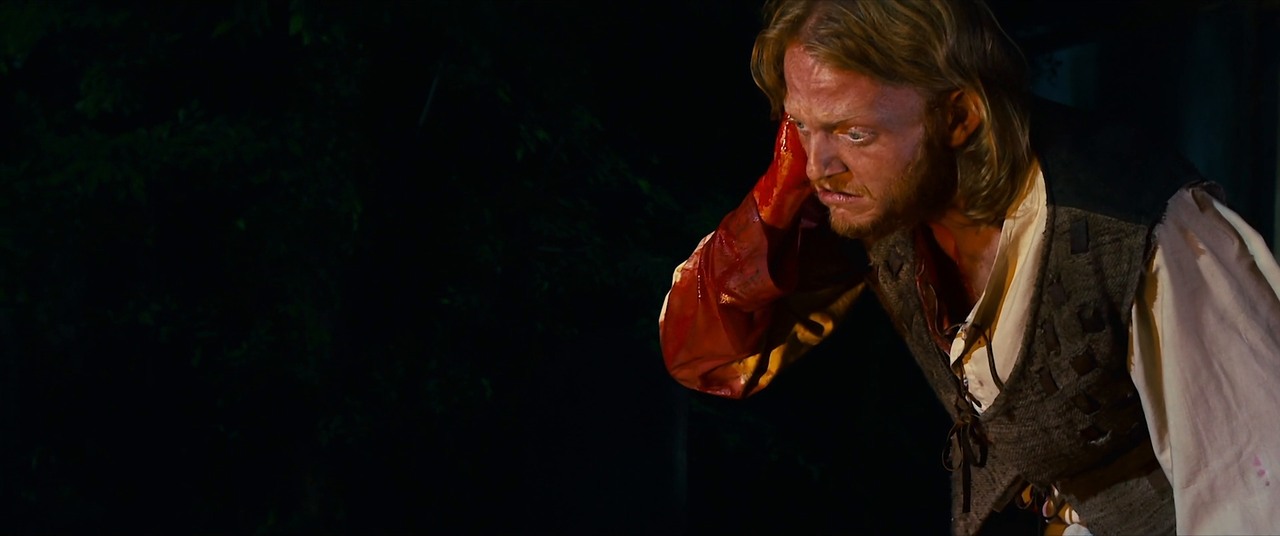
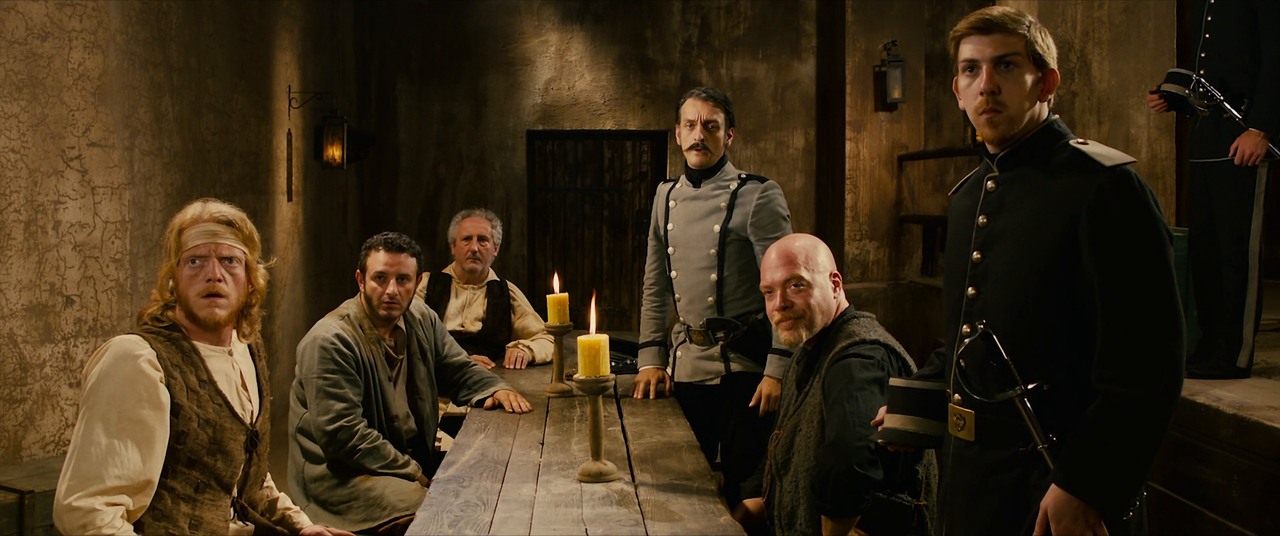
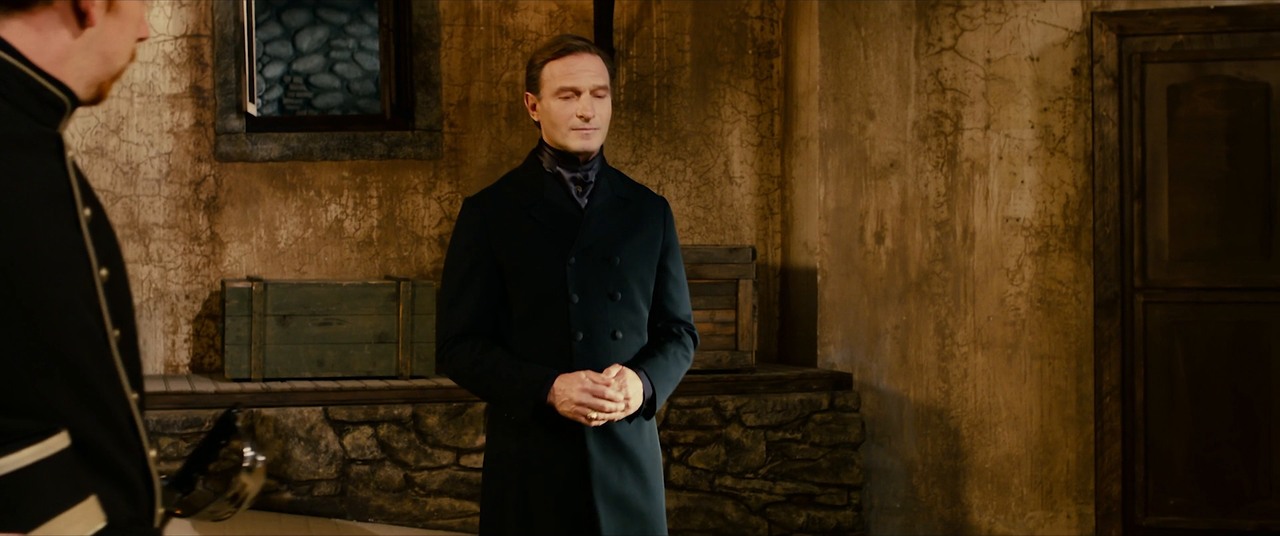
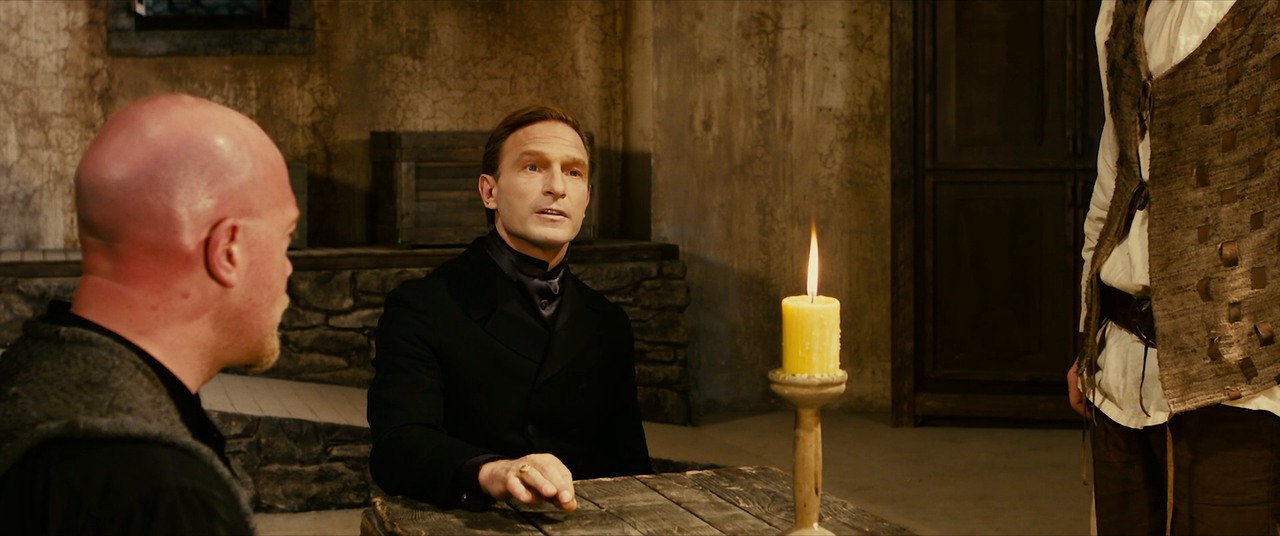
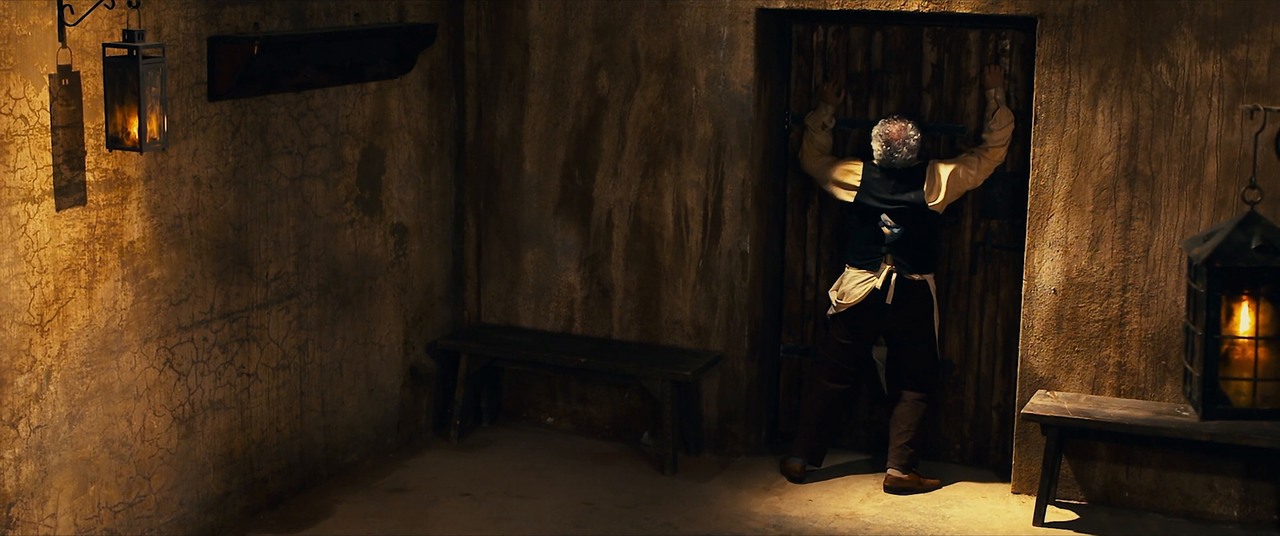
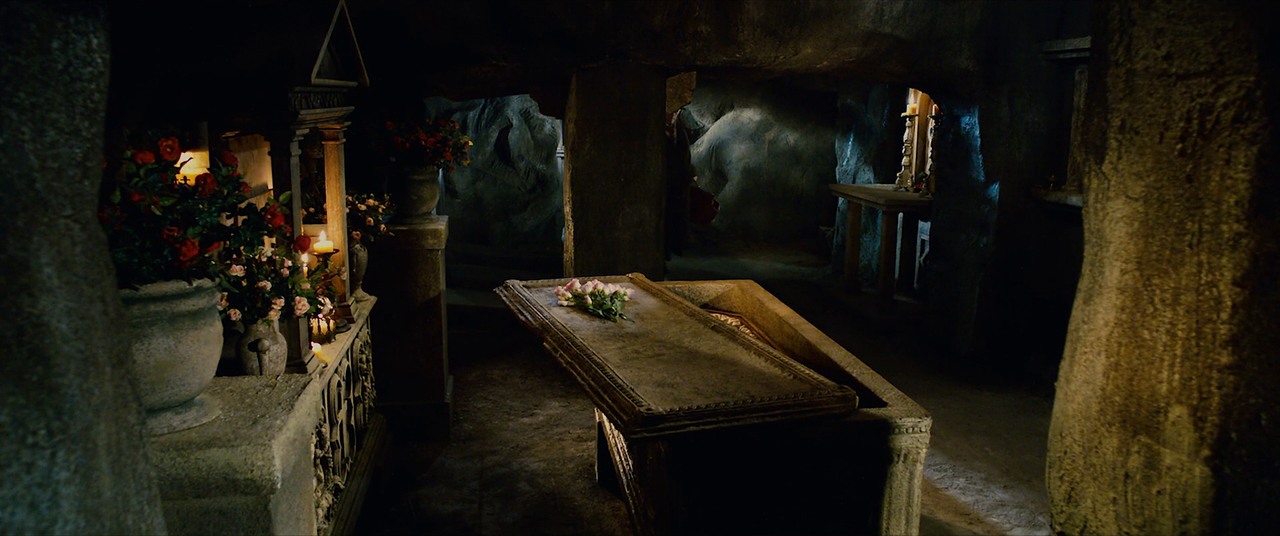
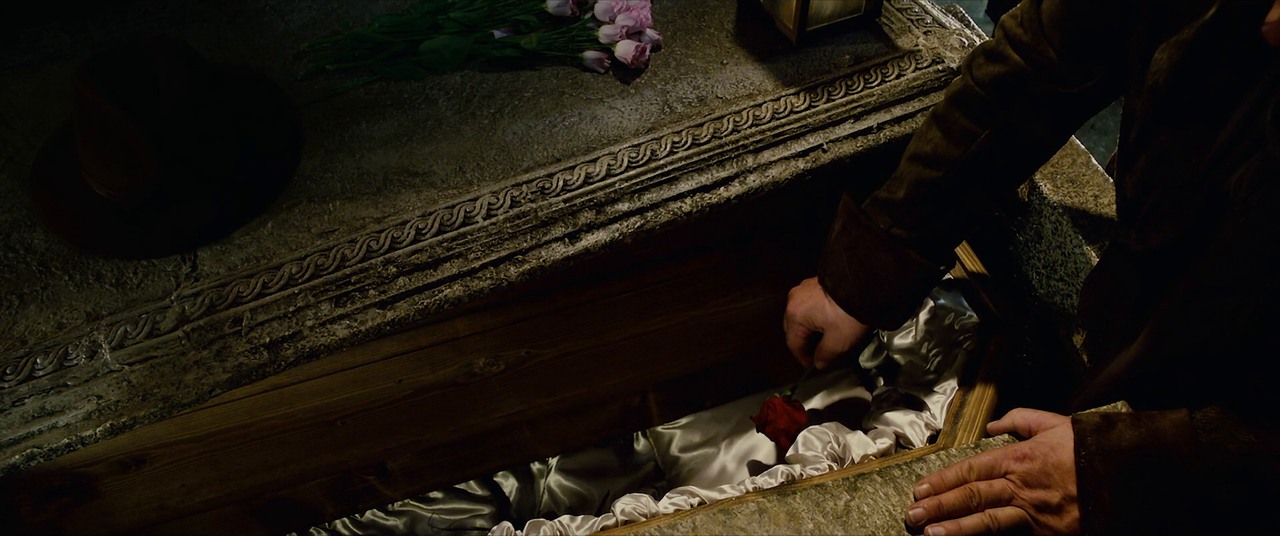
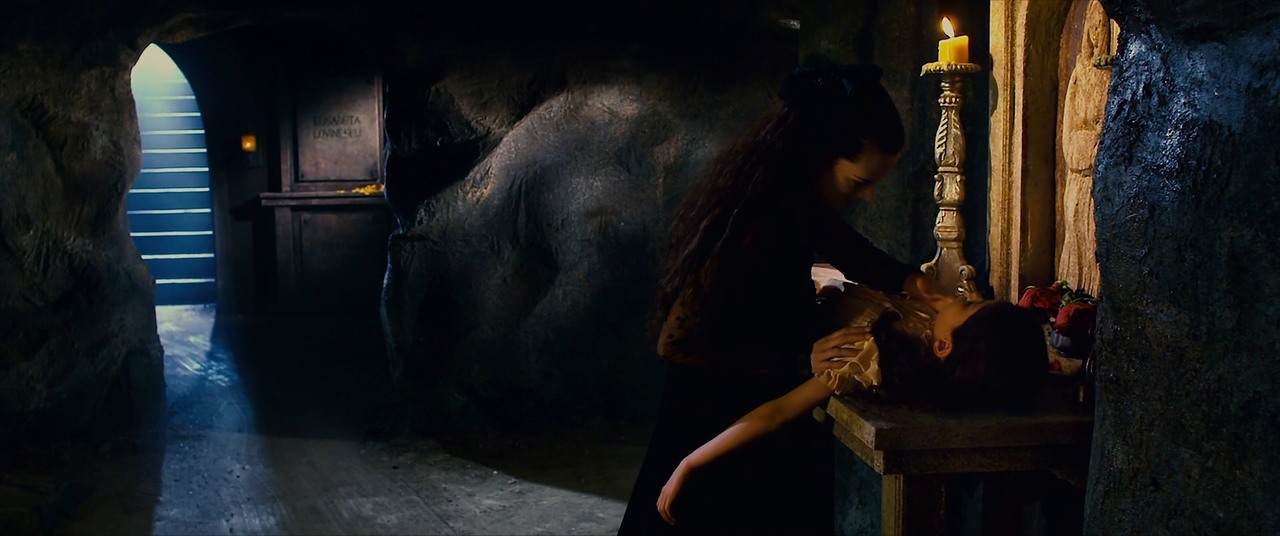
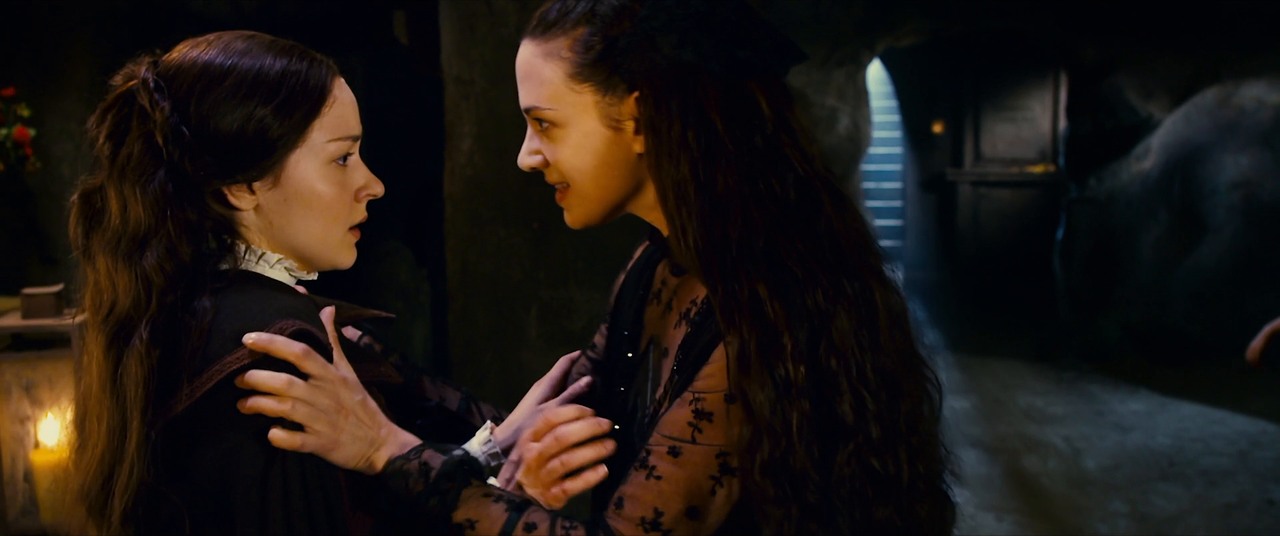
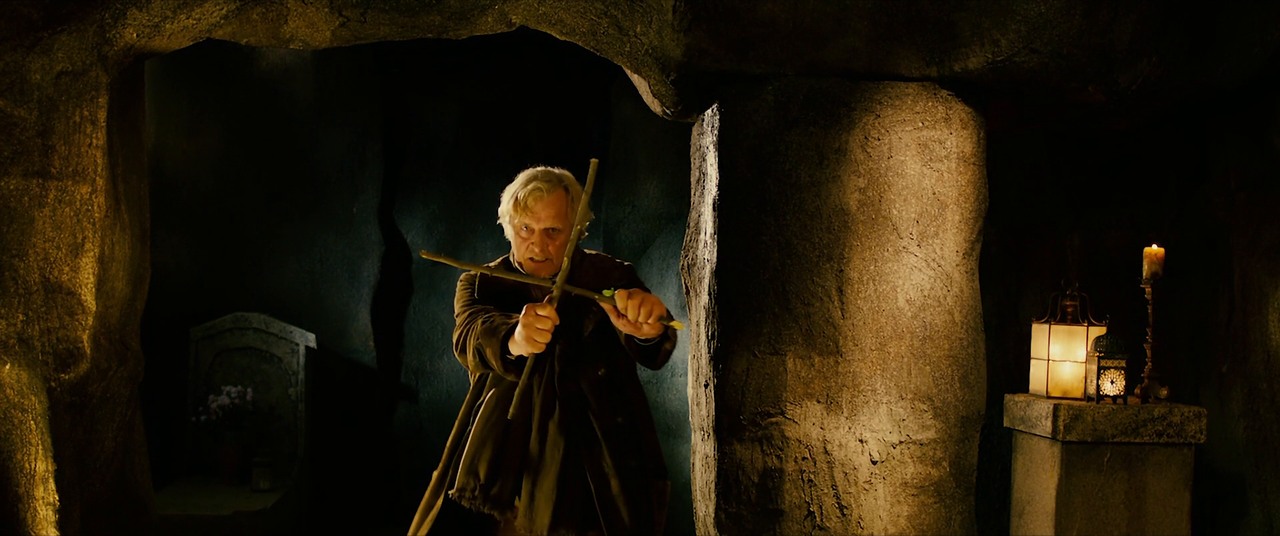
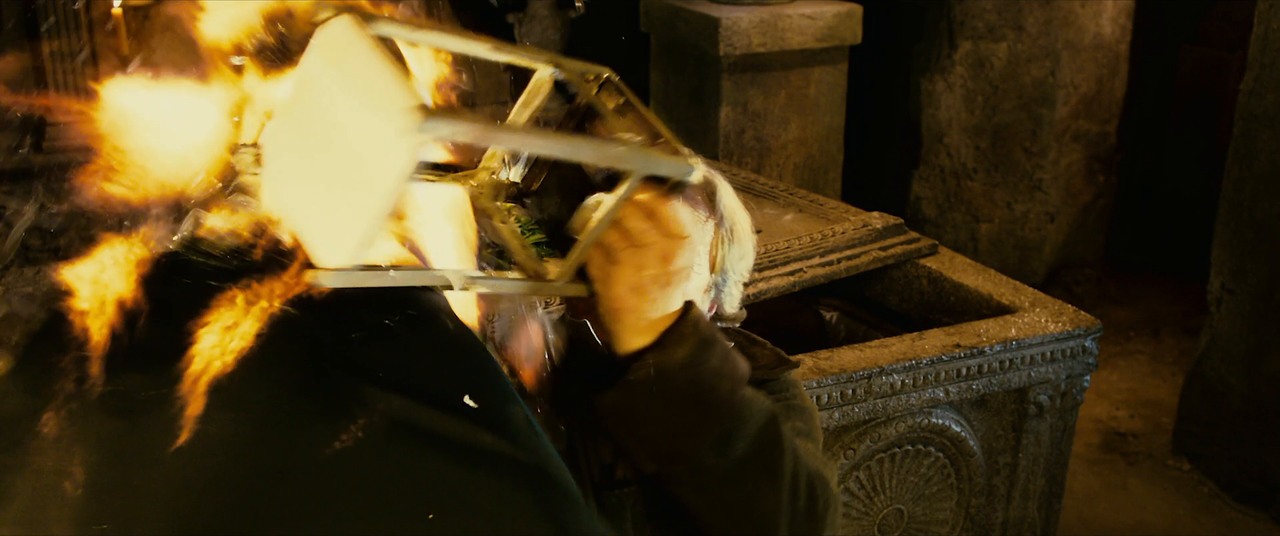
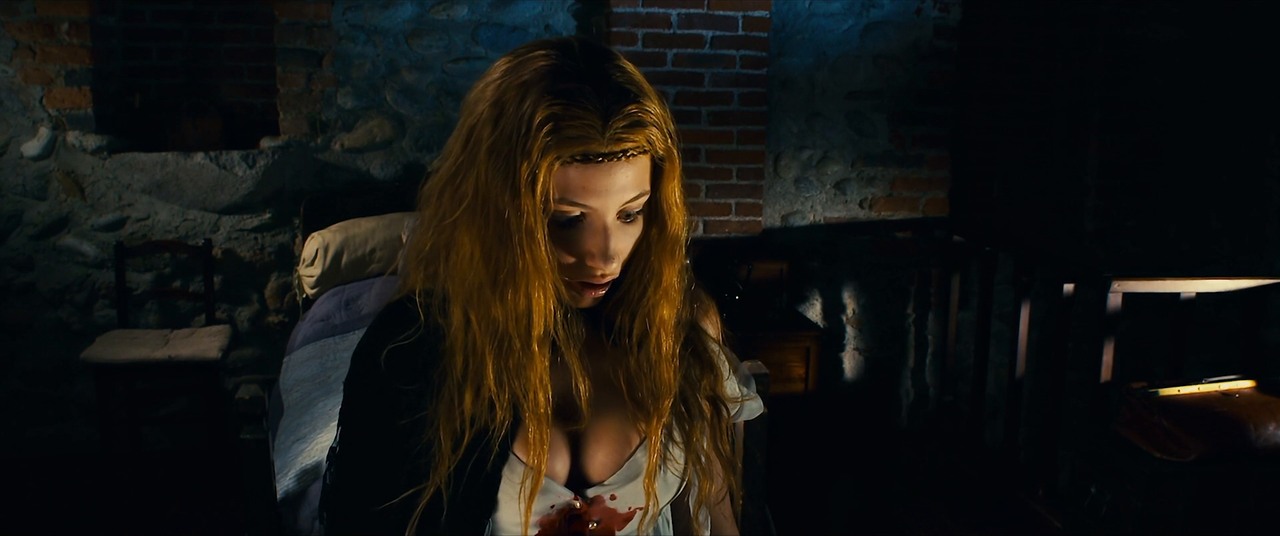
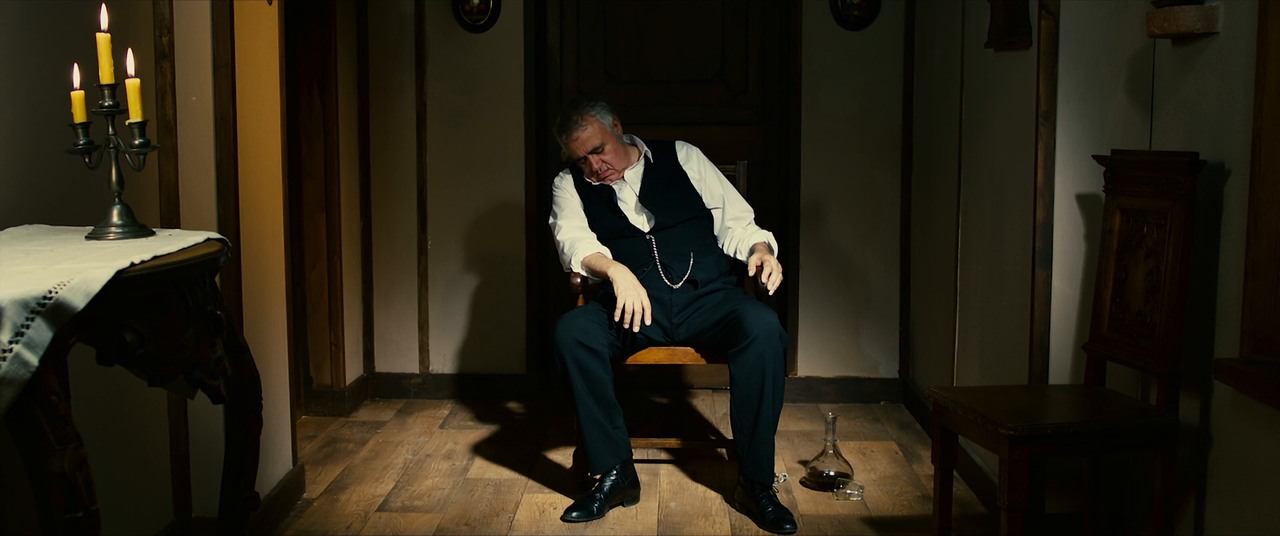
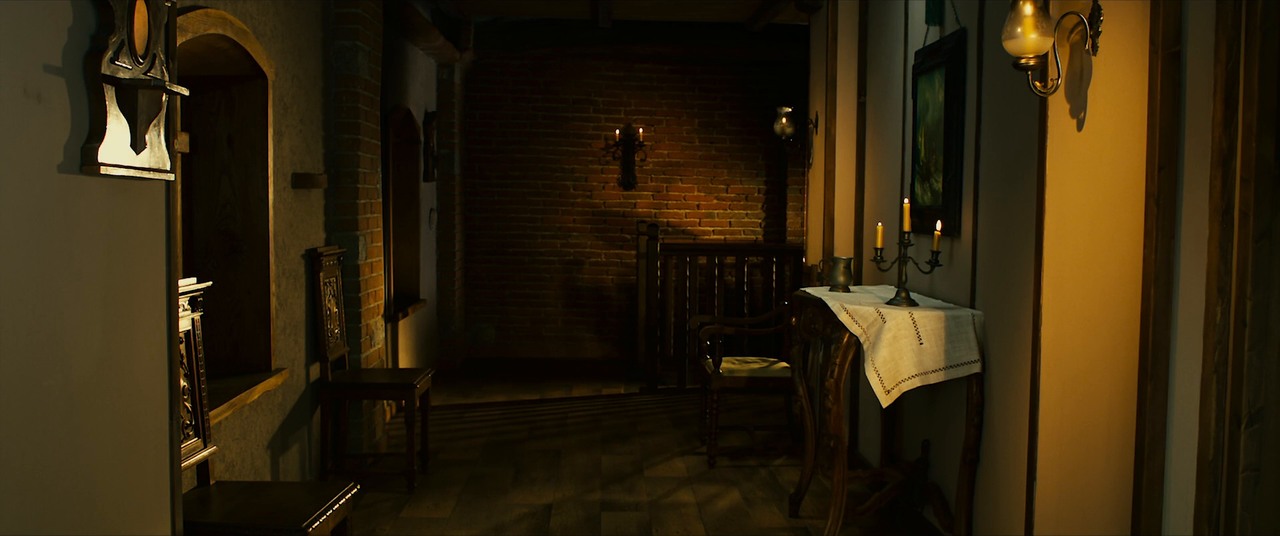
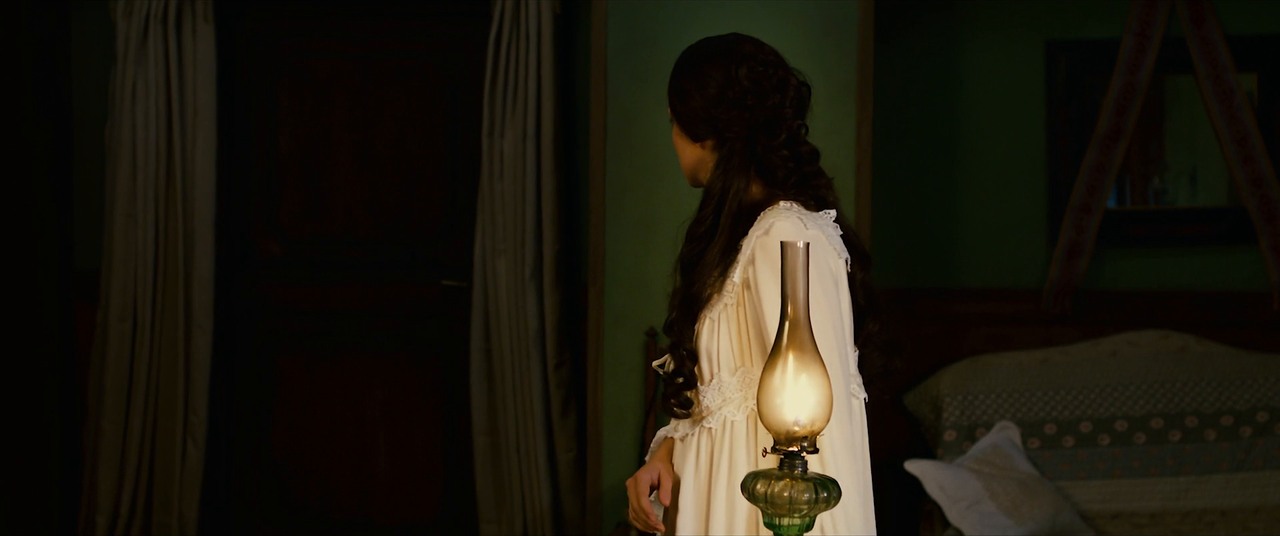
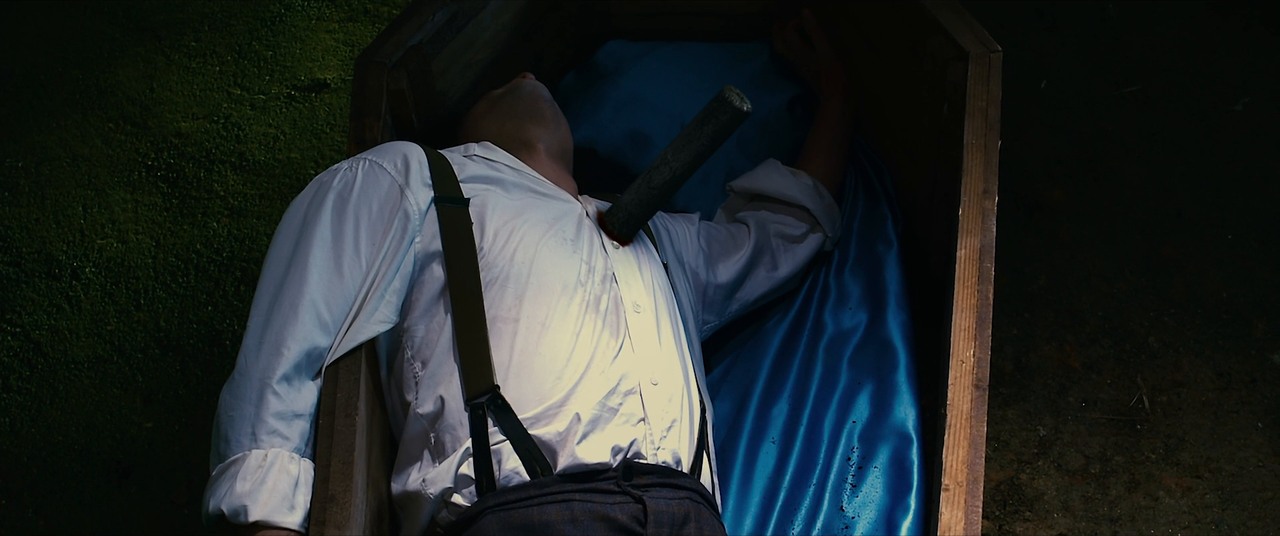
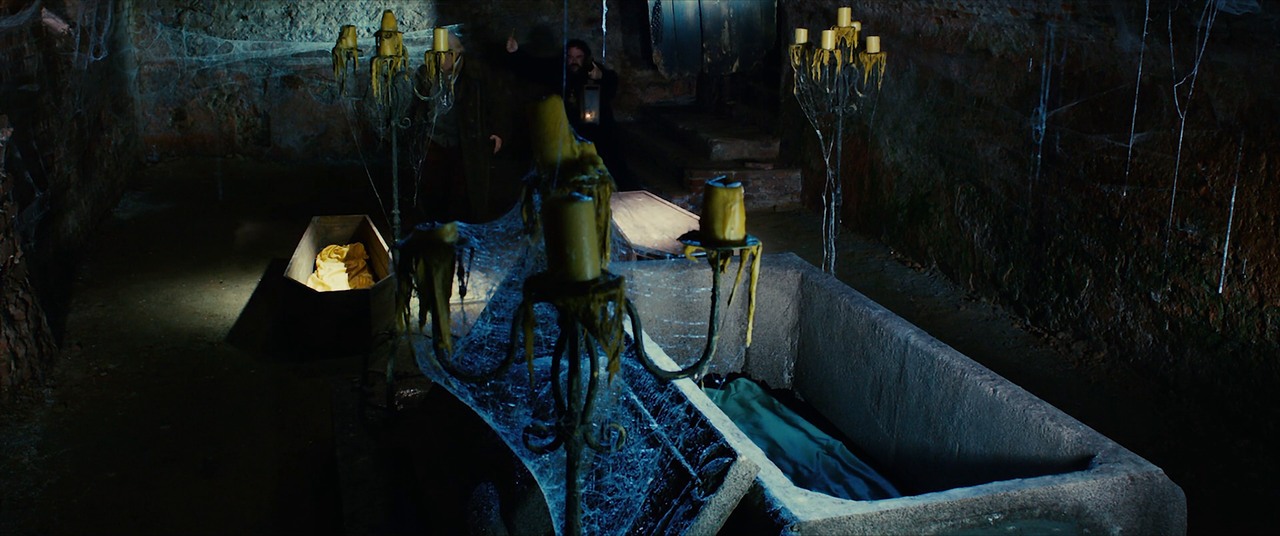
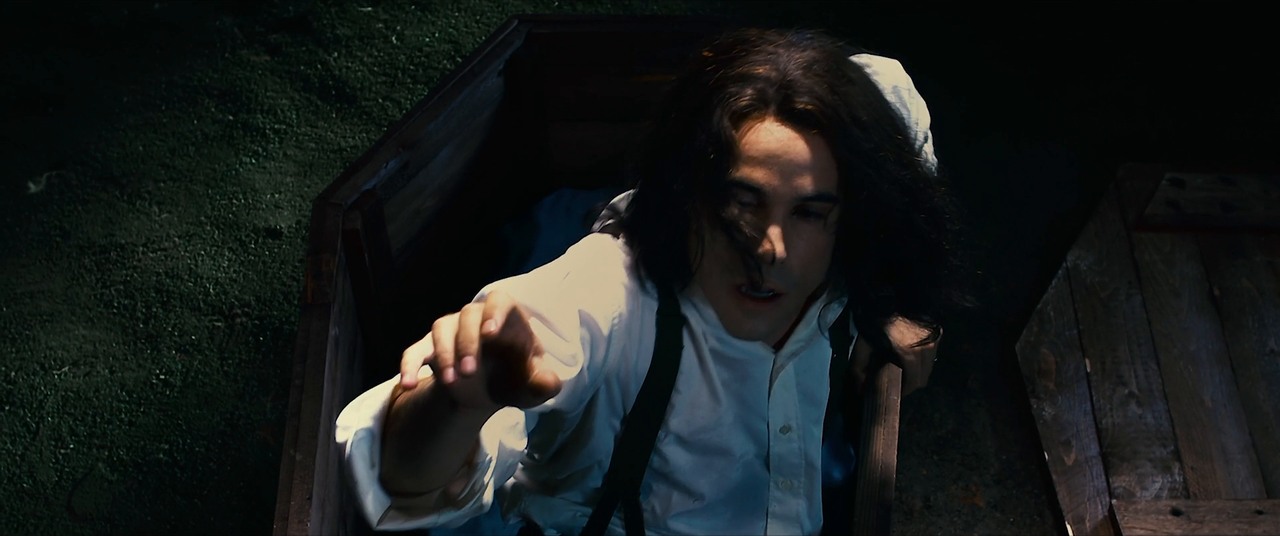
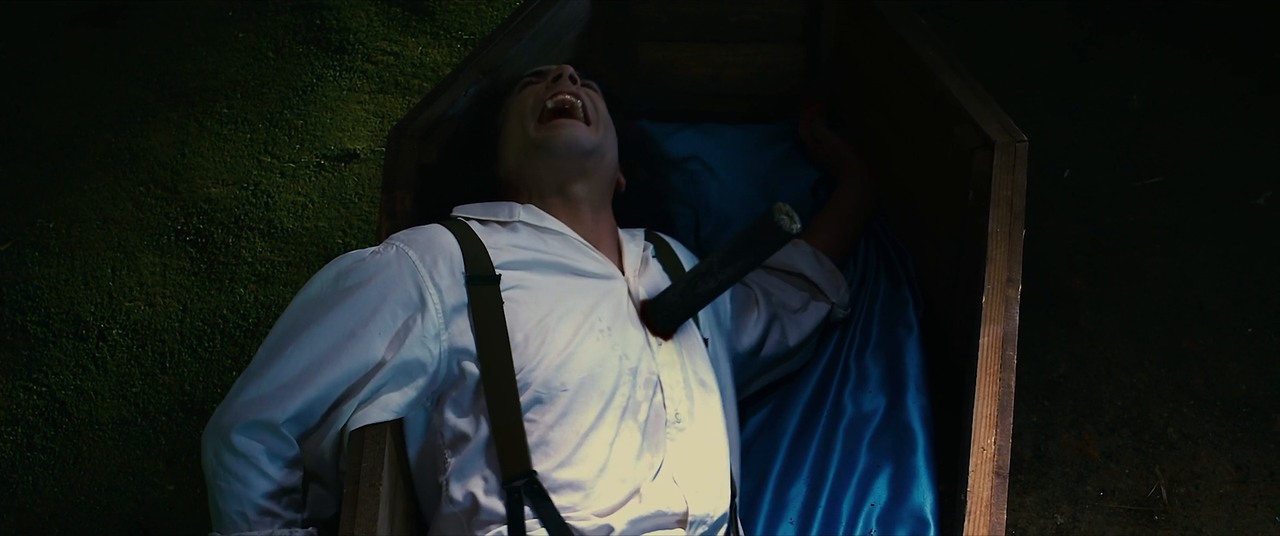
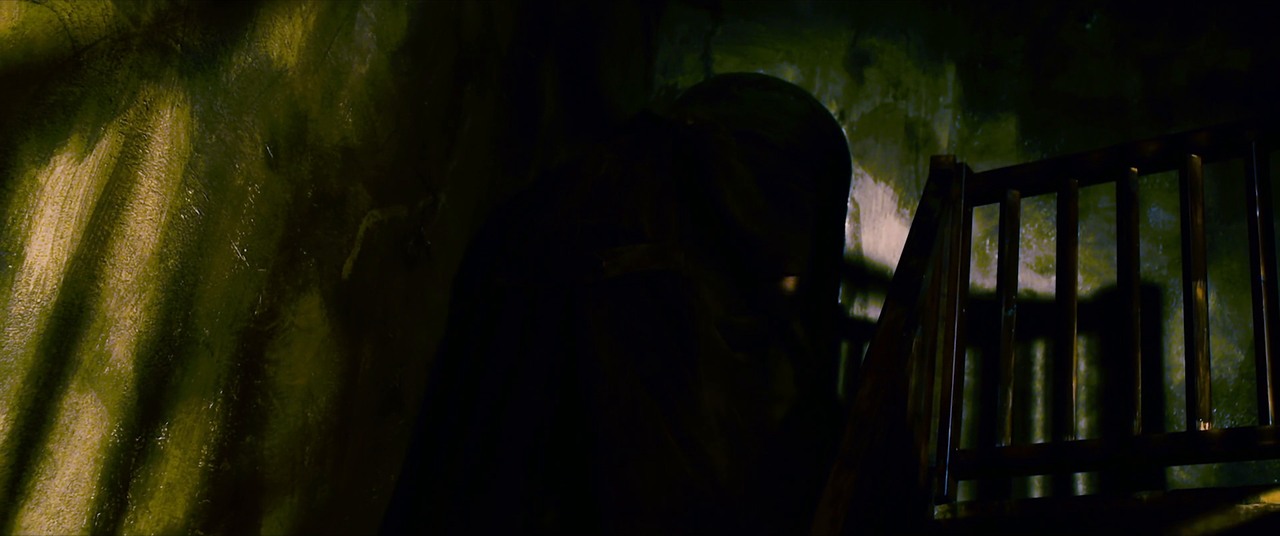
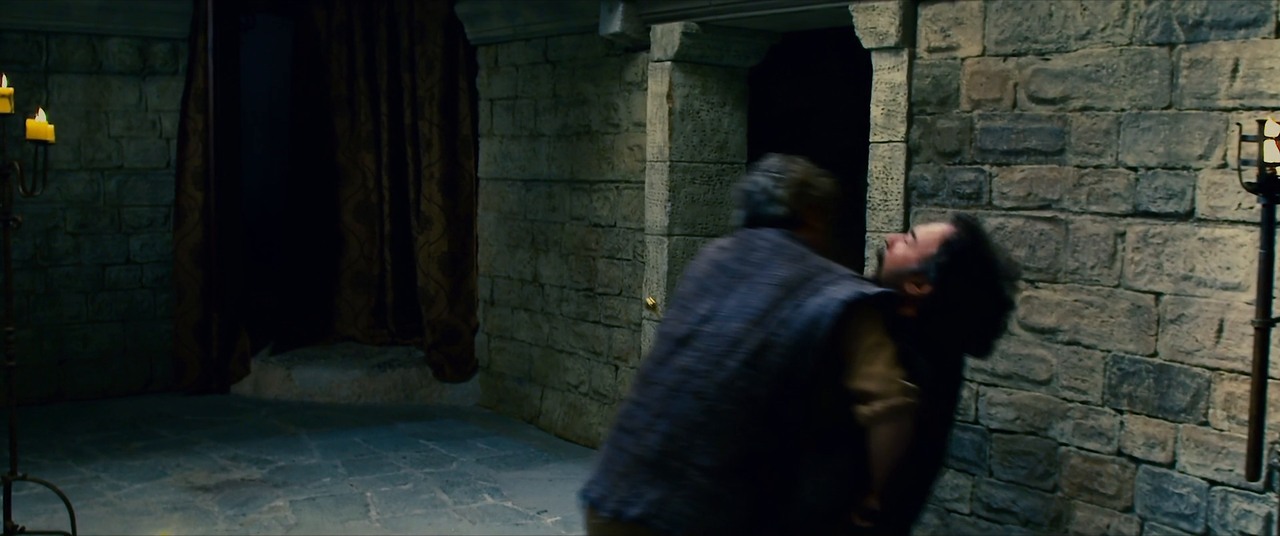
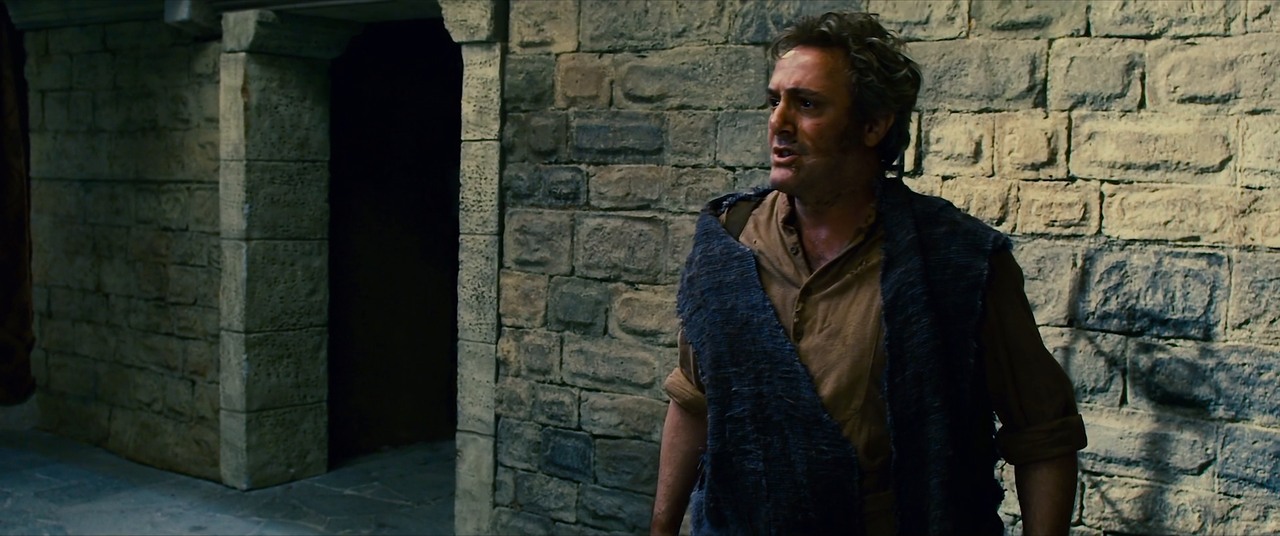
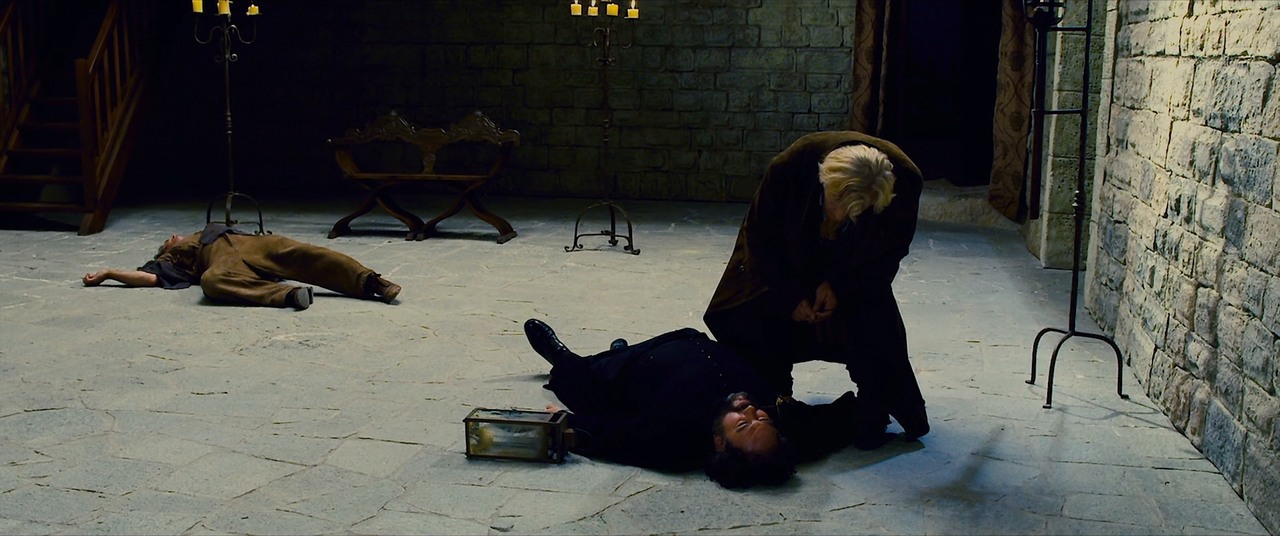
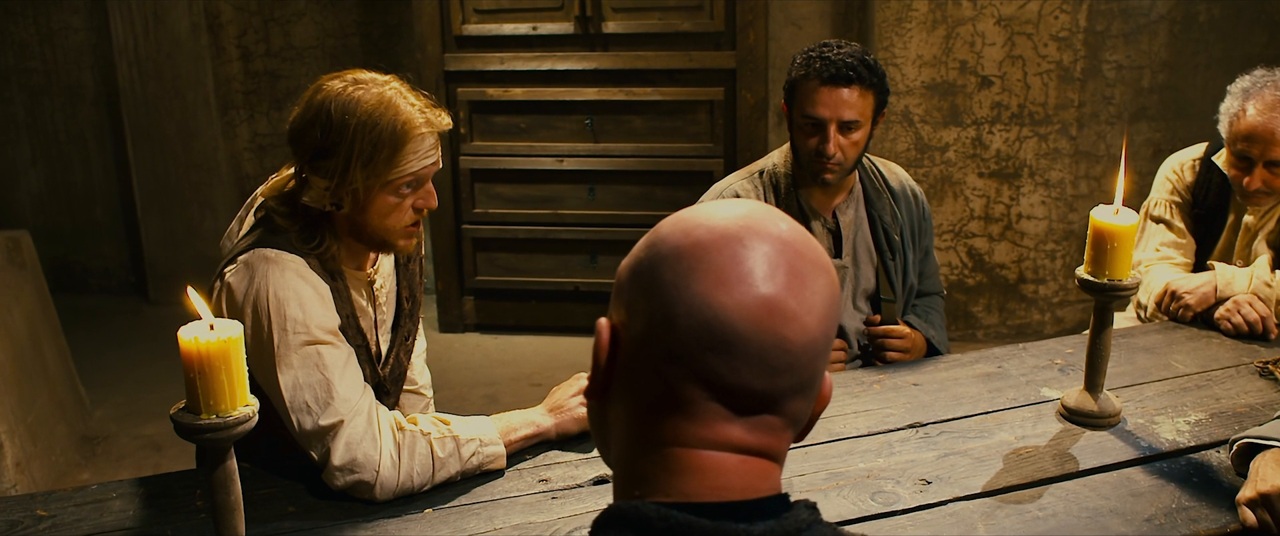
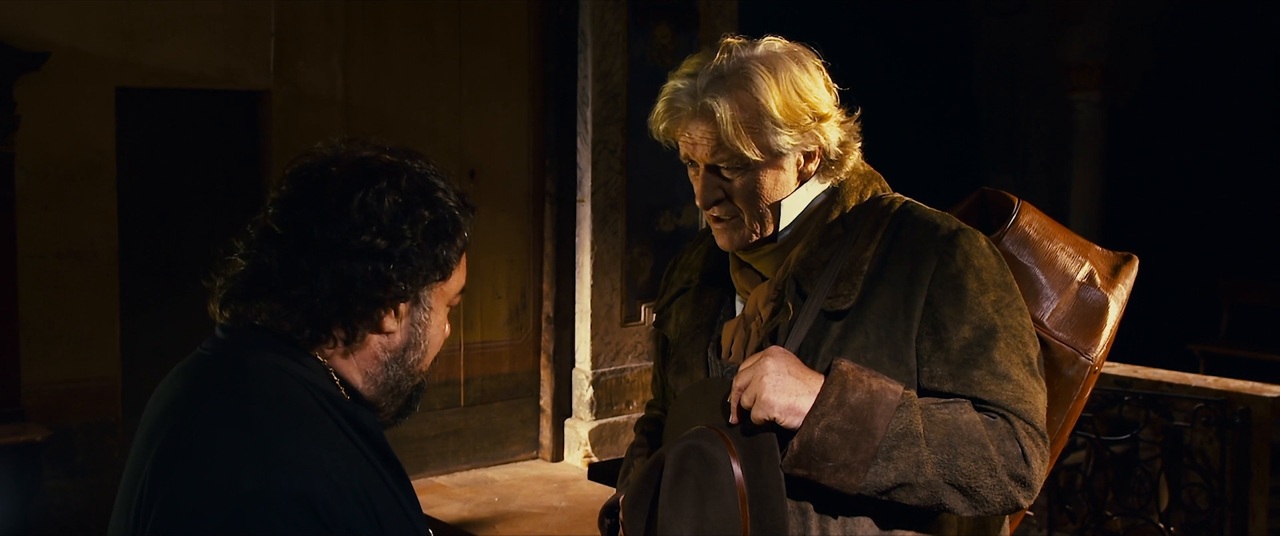
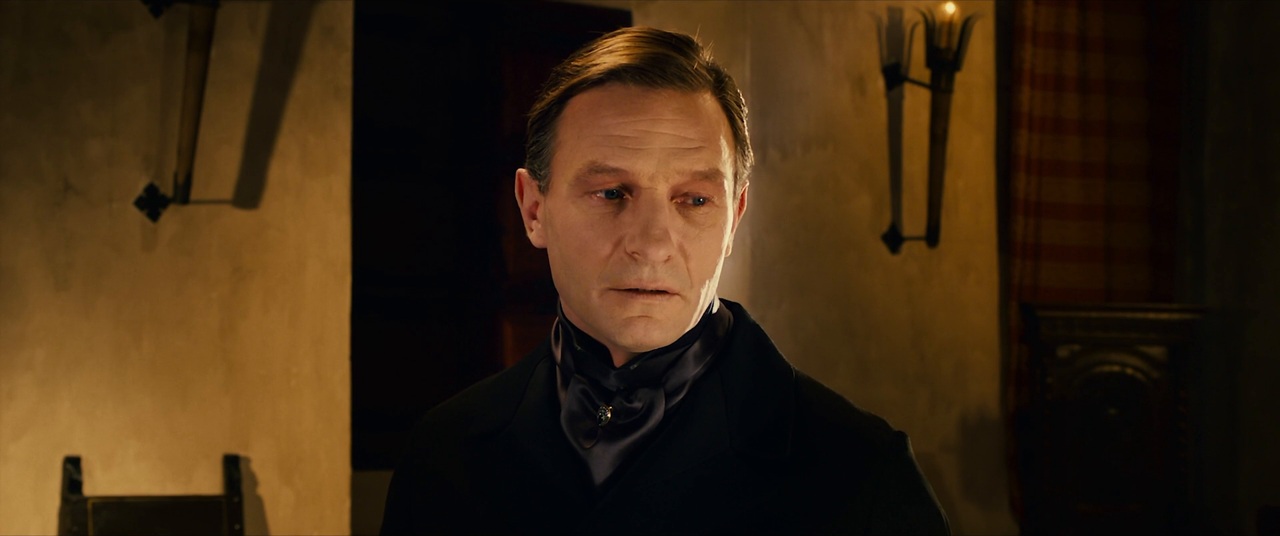
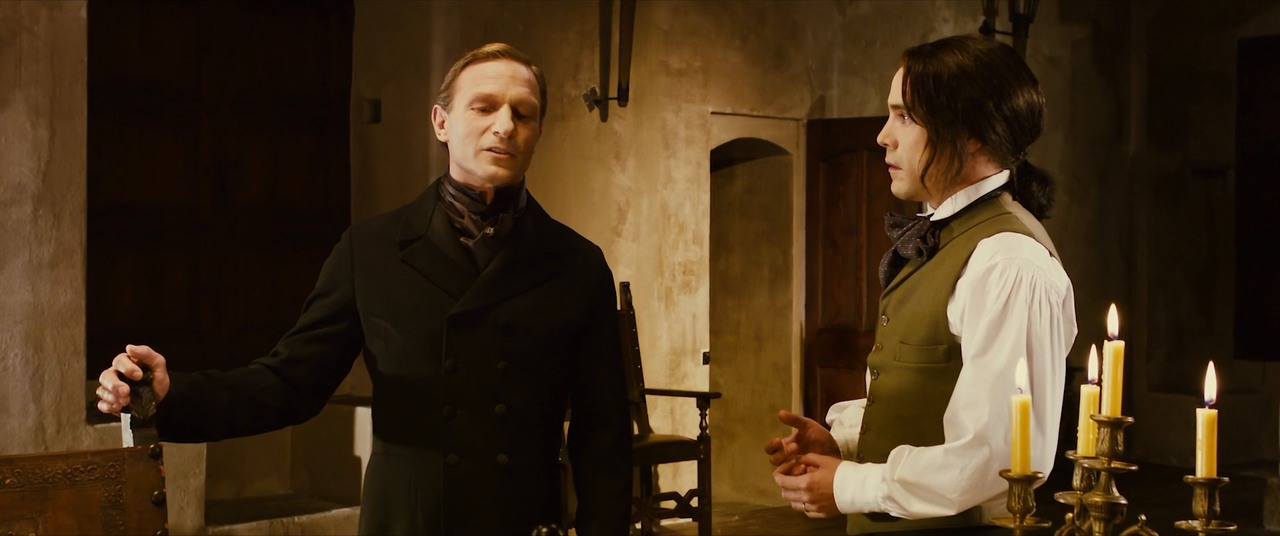
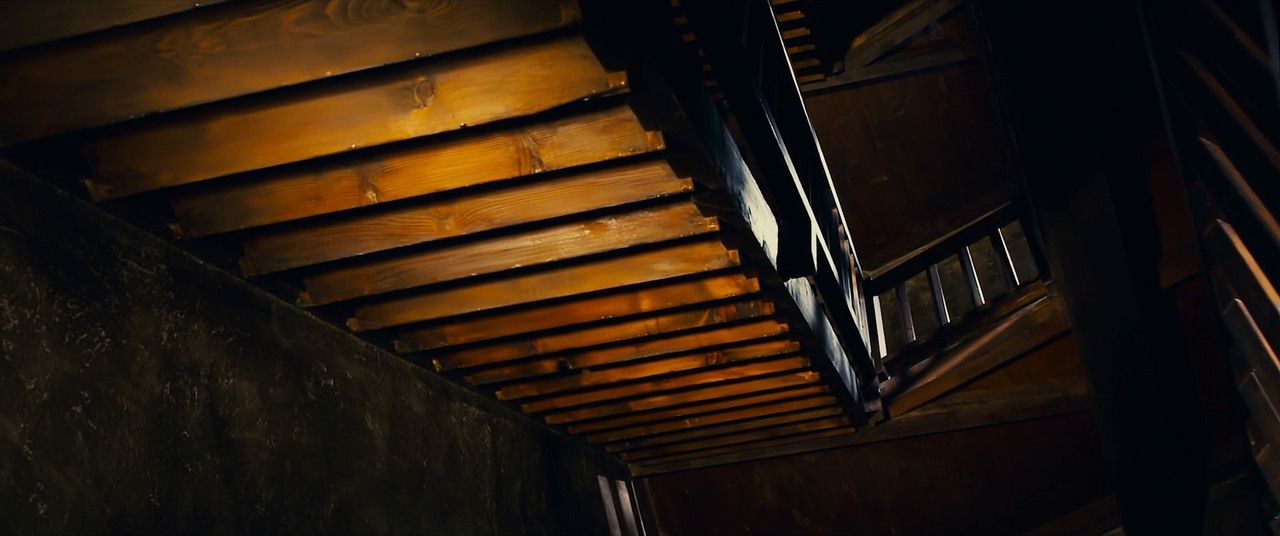
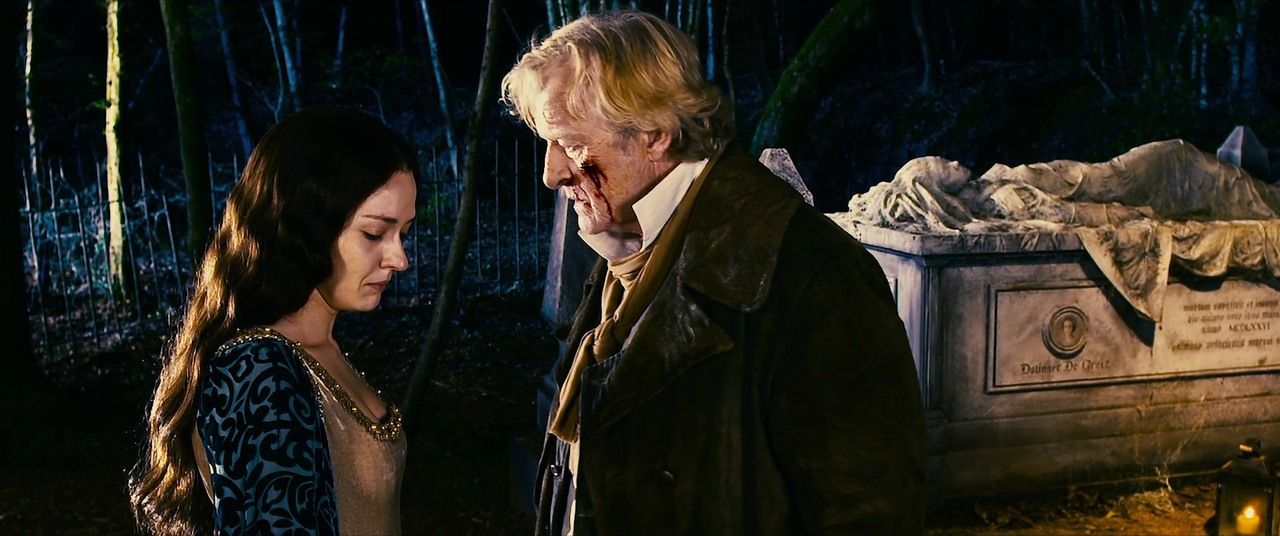
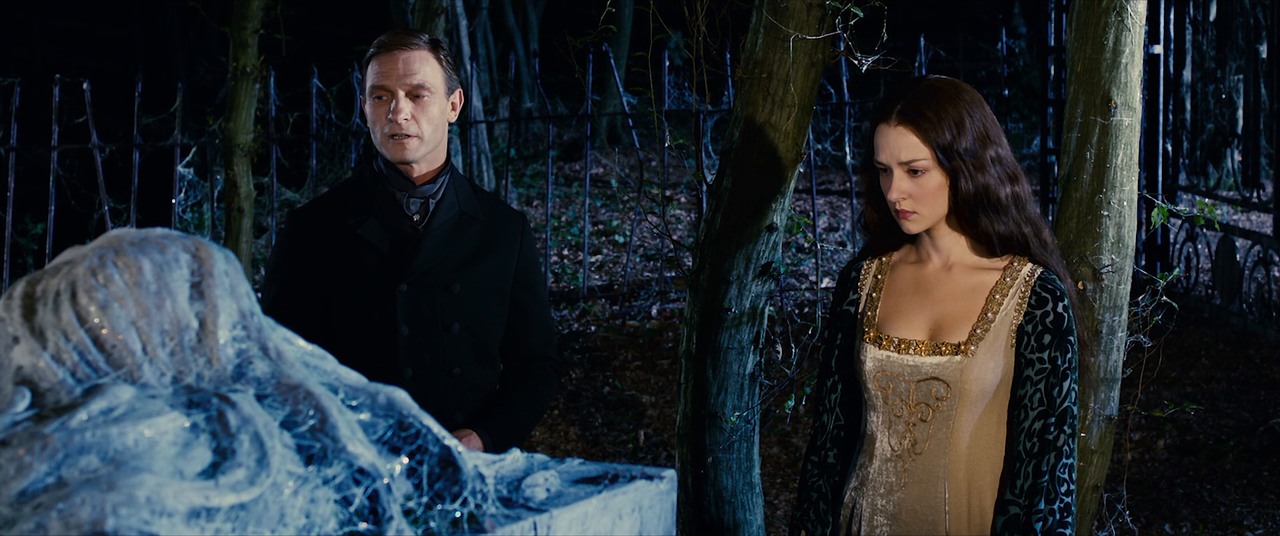
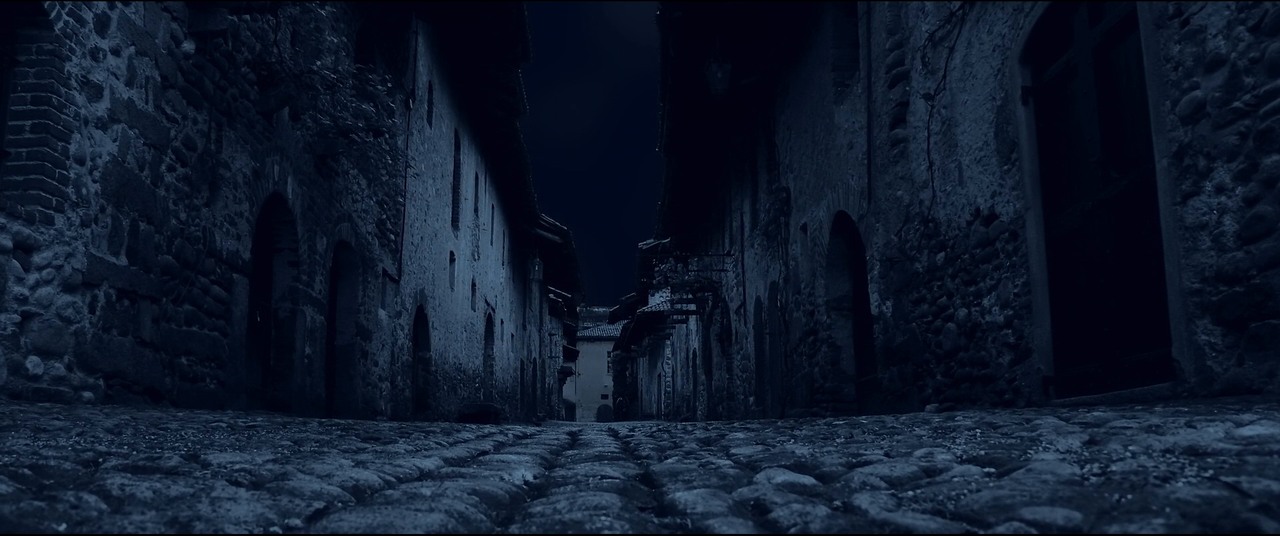
The illustrated guide supplies a direct route through the film alongside these release records. Its flat widescreen presentation runs 1:49:53 including titles and credits, with a 1920 × 804 picture. That running time locates the new images.
 ENLARGE ↗