01 / THE URN, THE MUSEUM & THE LITERARY INHERITANCE
Preservation can become an opening
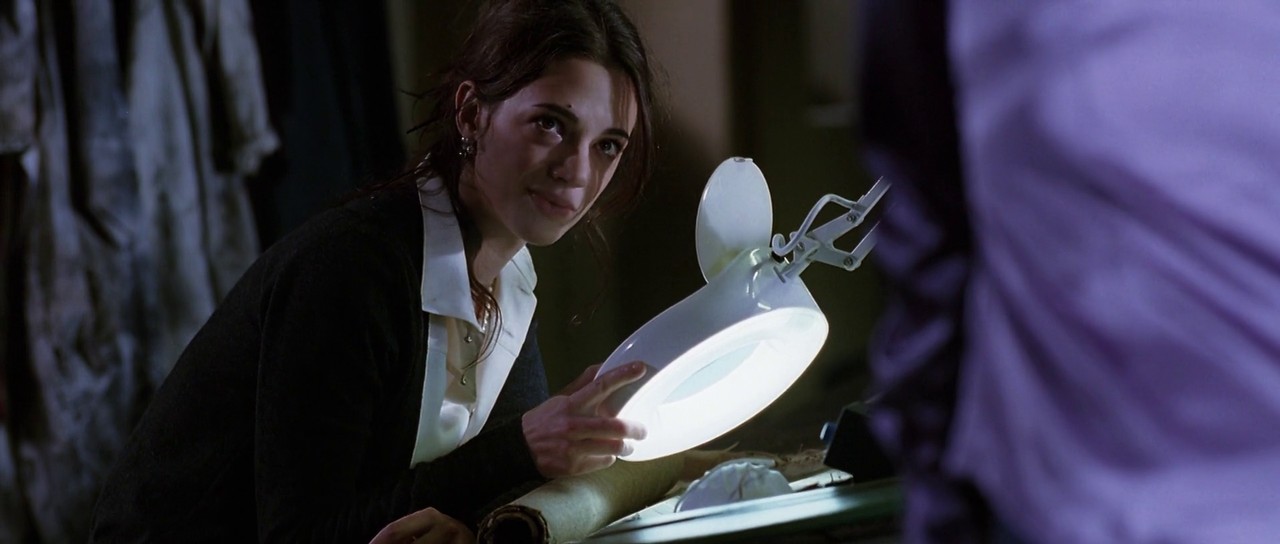
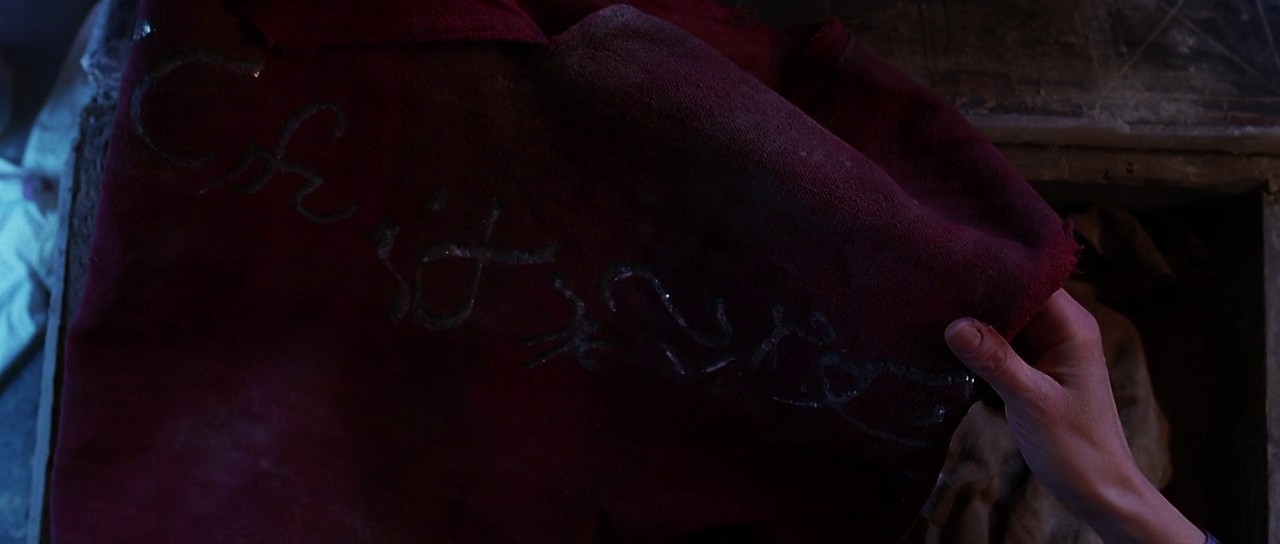
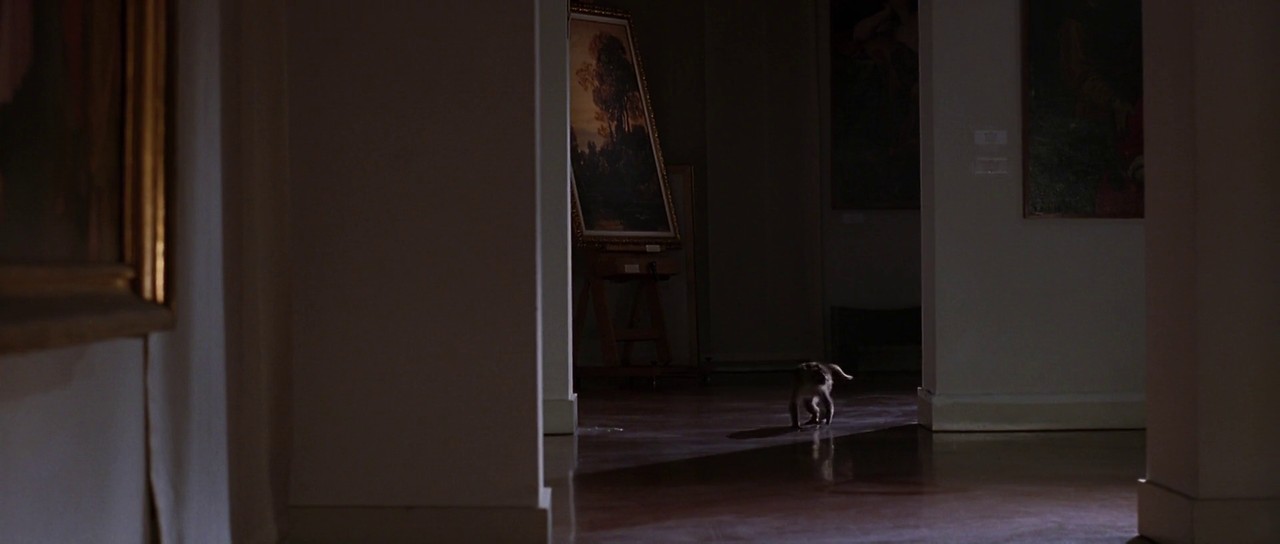
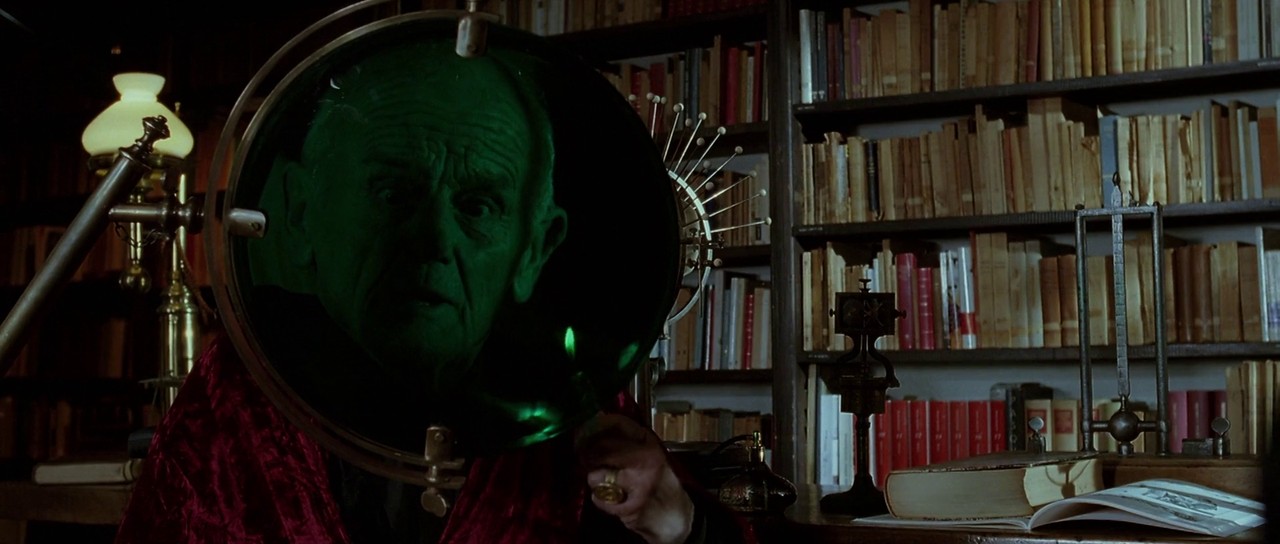
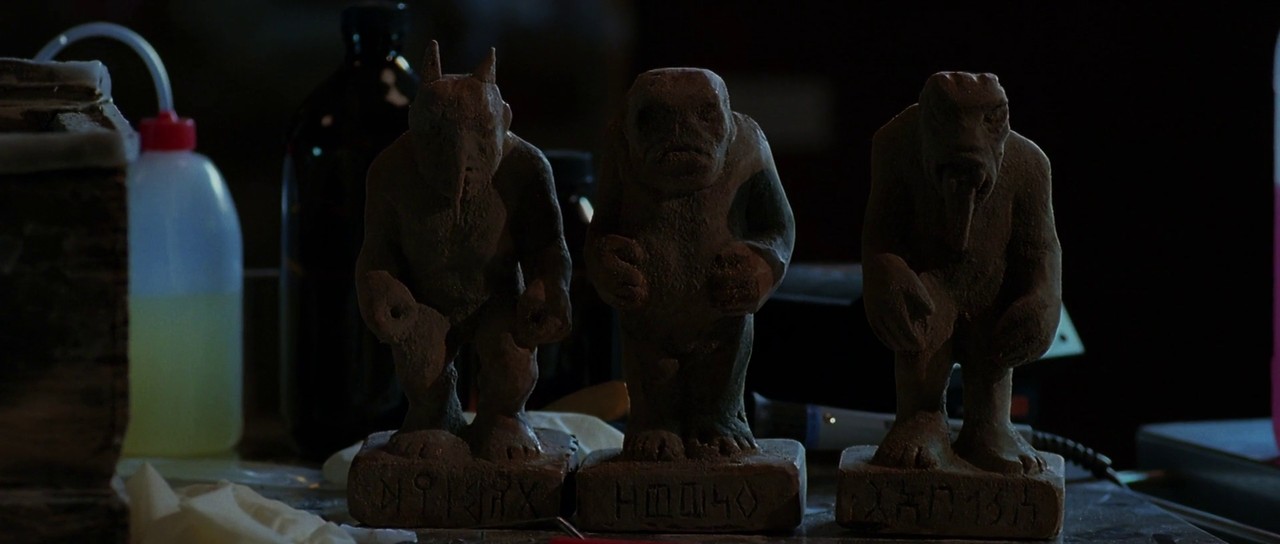
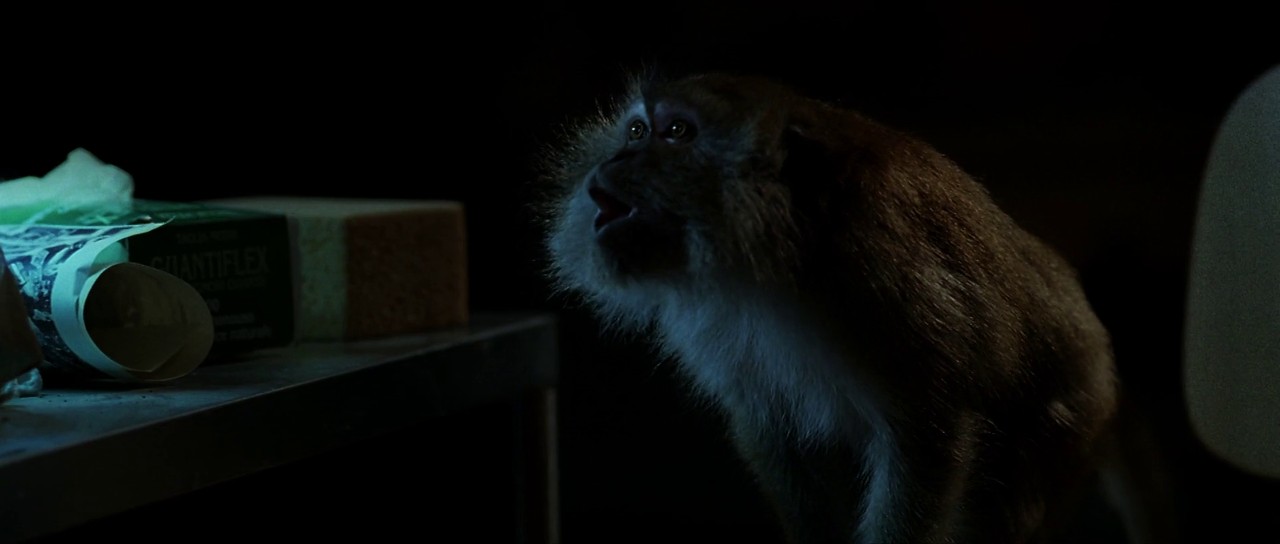
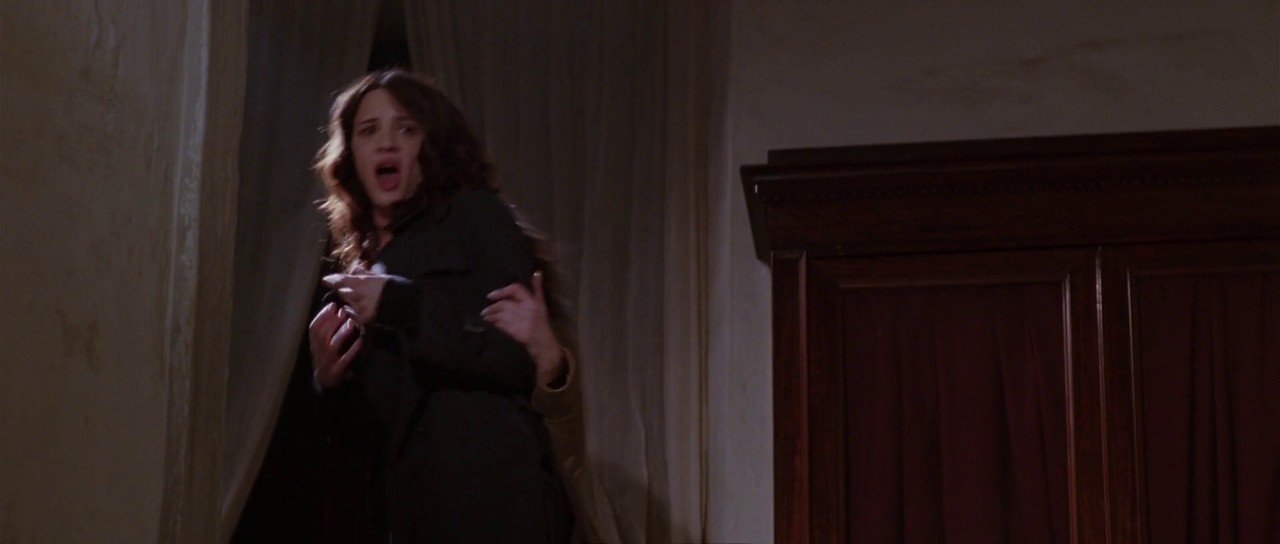
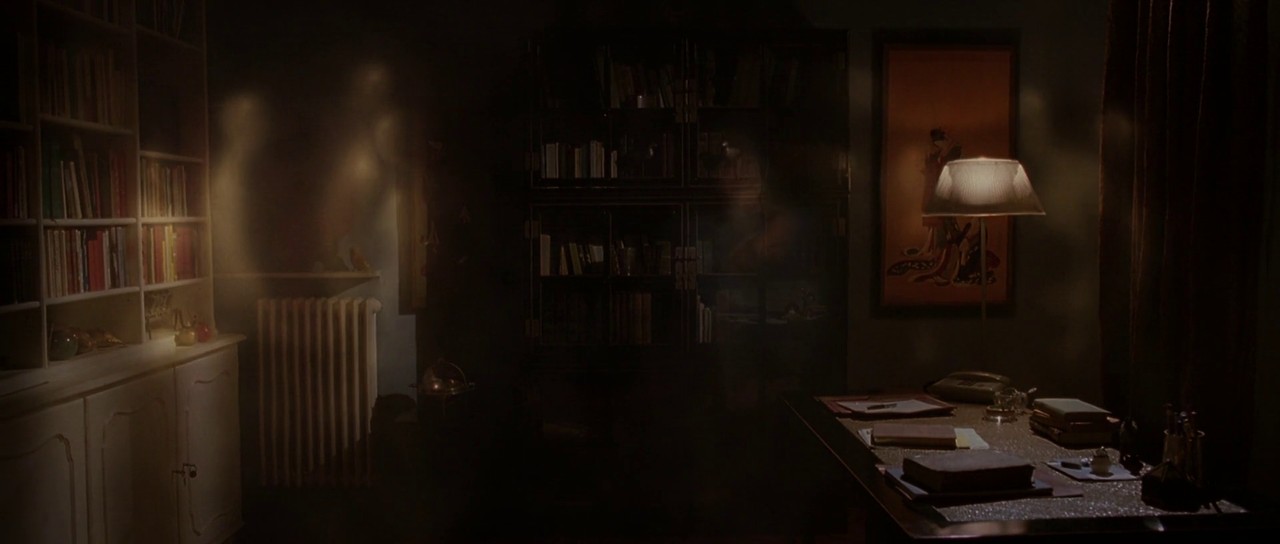
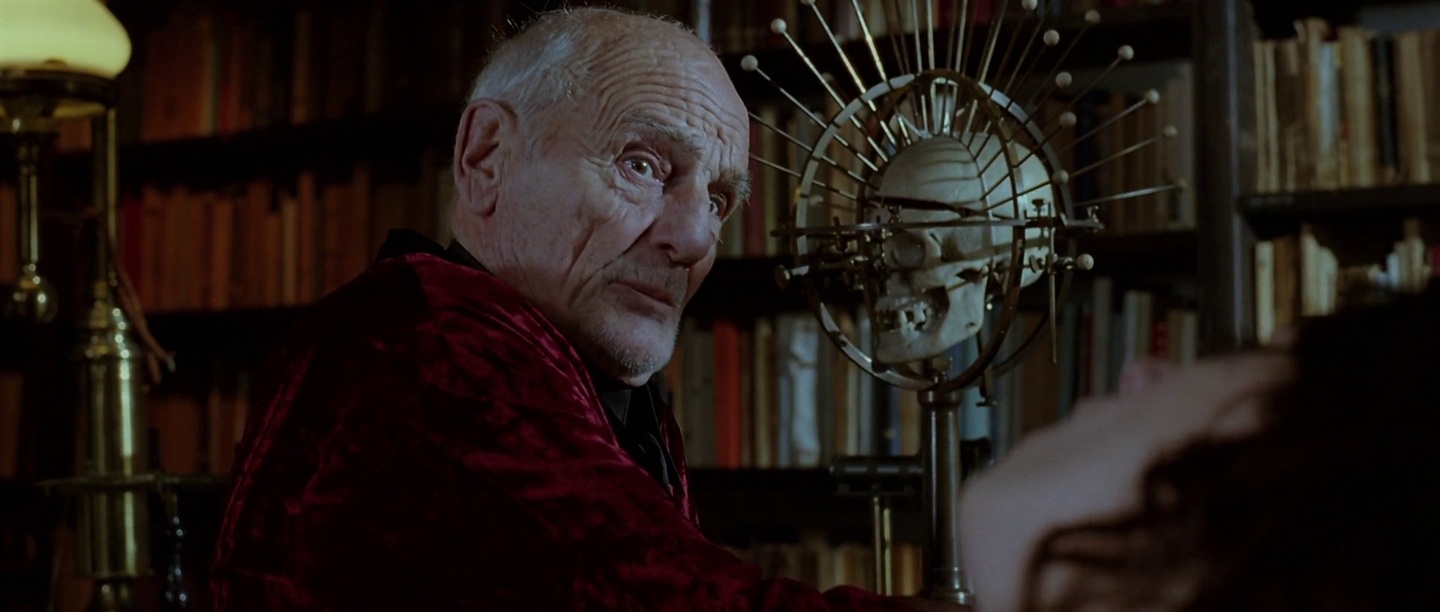
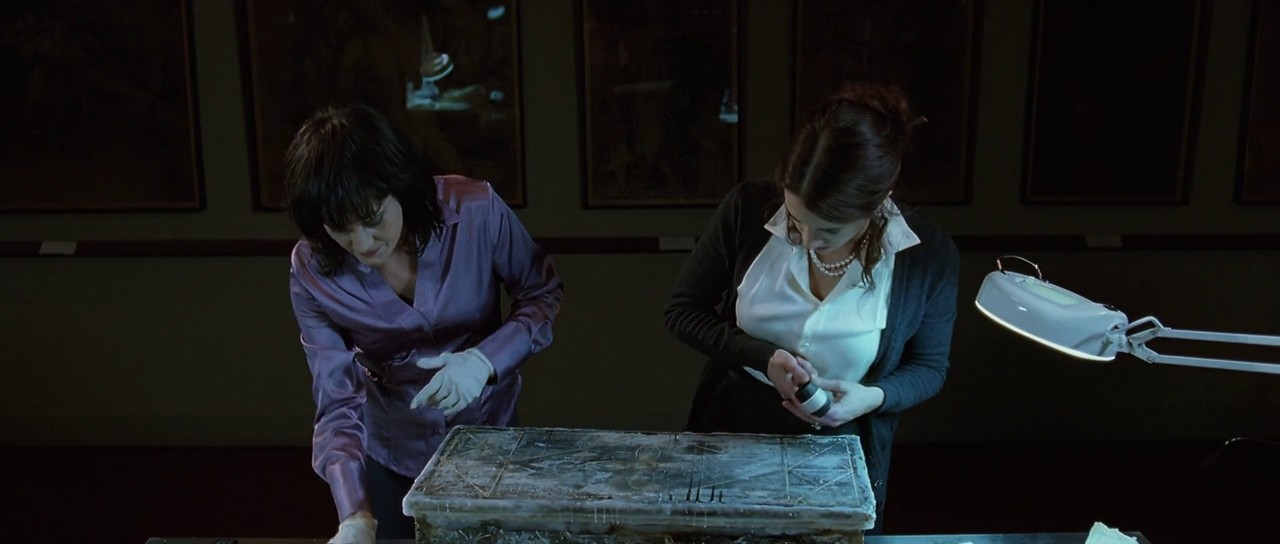
An object arrives with a past that its new custodians cannot safely contain. The Rome festival’s 2007 programme describes an urn discovered beside a coffin in Viterbo, holding a tunic and objects associated with the surviving Mother. Wexner’s later programme places its arrival at the museum where Sarah Mandy trains in restoration. These accounts establish a chain from burial to collection to catastrophe. Original festival synopsis, p. 46 ↗ Museum premise ↗
Restoration promises continuity: material damage can be understood, and a fragile thing can be carried into the future. Here the work of opening and investigating becomes dangerous. The past is neither inert nor safely distant. The museum gives an old object a new setting, but institutional care cannot prevent it from acting upon the people who handle it.
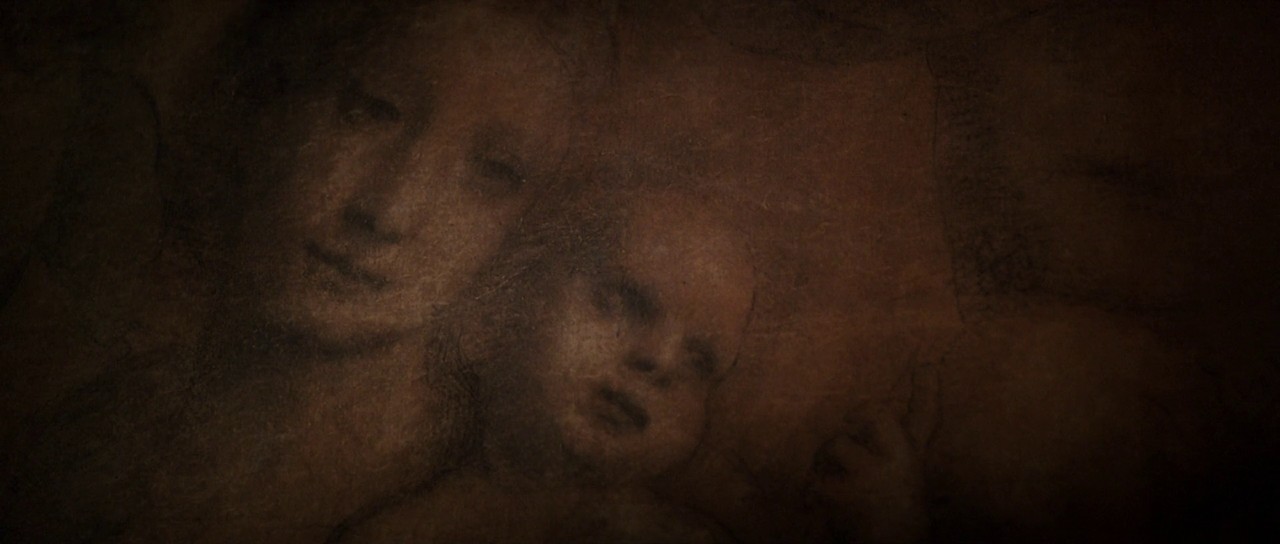
Thomas De Quincey’s Levana and Our Ladies of Sorrow offers a different kind of power. His Mater Lachrymarum embodies bereavement and moves through households of every rank. Her keys open cottages and palaces; private grief crosses social and geographical boundaries. She is the eldest of the three personifications, rather than simply the last monster awaiting defeat. The portrait of Our Lady of Tears ↗
The film’s premise transforms that dispersed sorrow into an active supernatural threat. The useful comparison is between kinds of reach: the literary figure enters human suffering, while the released force spreads outward from an object into a city. Shared names establish a literary relationship, but they do not make De Quincey a shooting script or identify the urn’s inscriptions and design sources.
The object study therefore begins with function. Burial hides; collecting preserves; opening exposes. A later prop record could establish materials and references. The present evidence already supports the central reversal: the action intended to recover knowledge also makes the recoverers vulnerable.
02 / RETURNING TO THE TRILOGY
A conclusion built through a new collaboration
In his April 2008 Den of Geek interview, Argento describes this version as a fresh start prompted by reading illustrated books in Rome’s Biblioteca Angelica. He then recalls meeting Adam Gierasch and Jace Anderson in Los Angeles and working with them in Italy. This is his account of the project’s renewal, not documentation that every earlier idea was discarded. Argento on beginning again ↗
Anderson’s July 2007 report supplies a view from inside that collaboration. She describes a work-in-progress screening, Argento’s resistance to repeating Suspiria’s coloured lighting, and the return of Varelli’s book. Her enthusiasm belongs to a participating writer; the statement is valuable evidence of intentions and production state rather than an independent verdict on the finished film. Writer’s screening report ↗
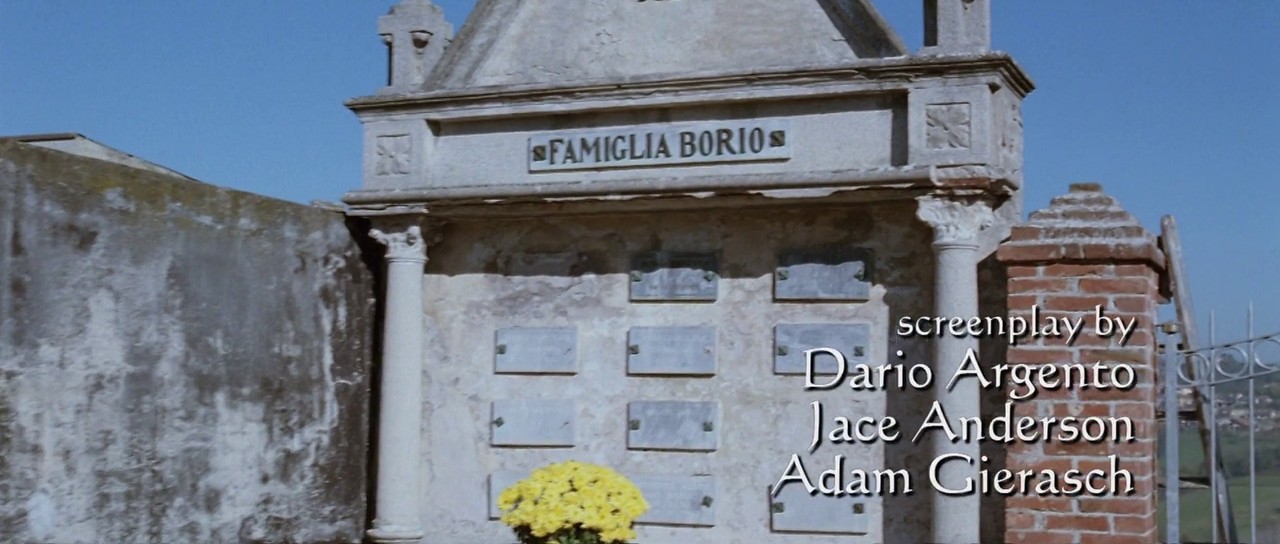
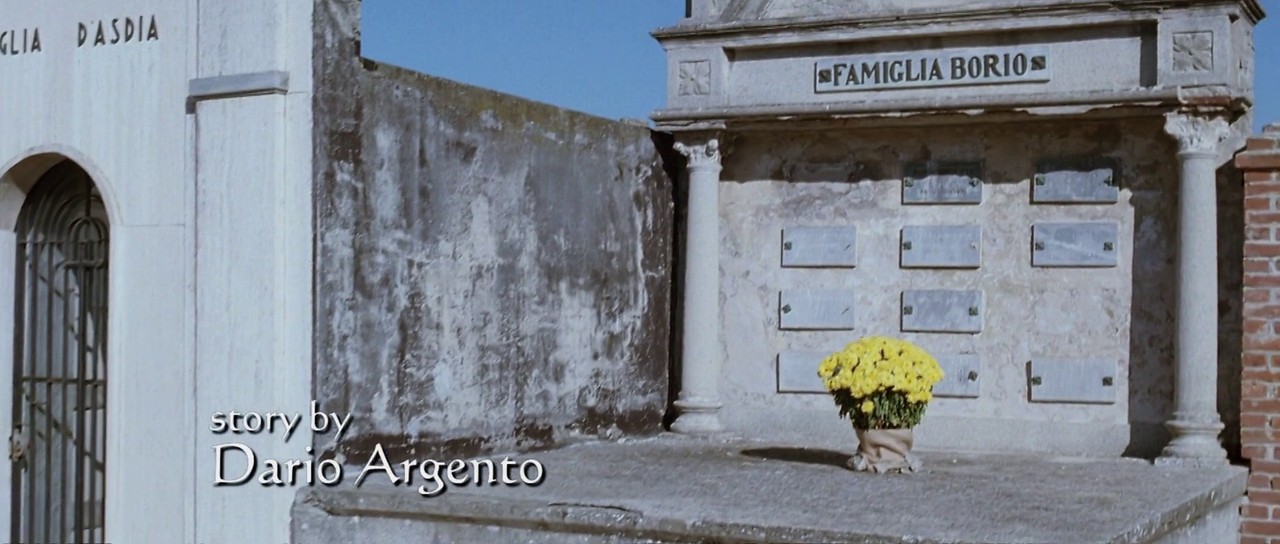
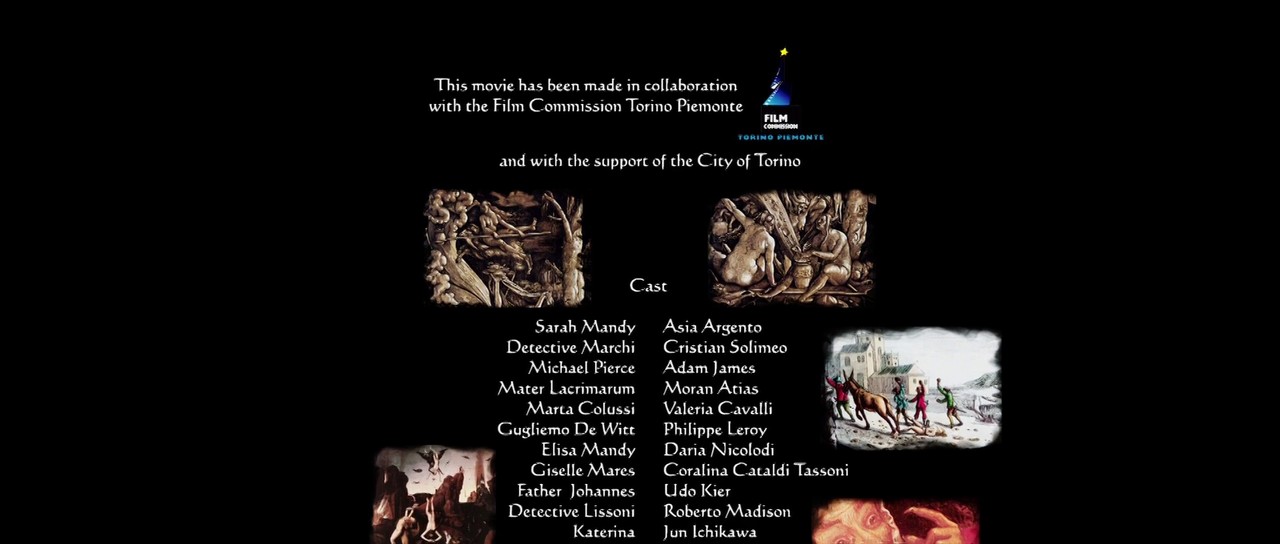
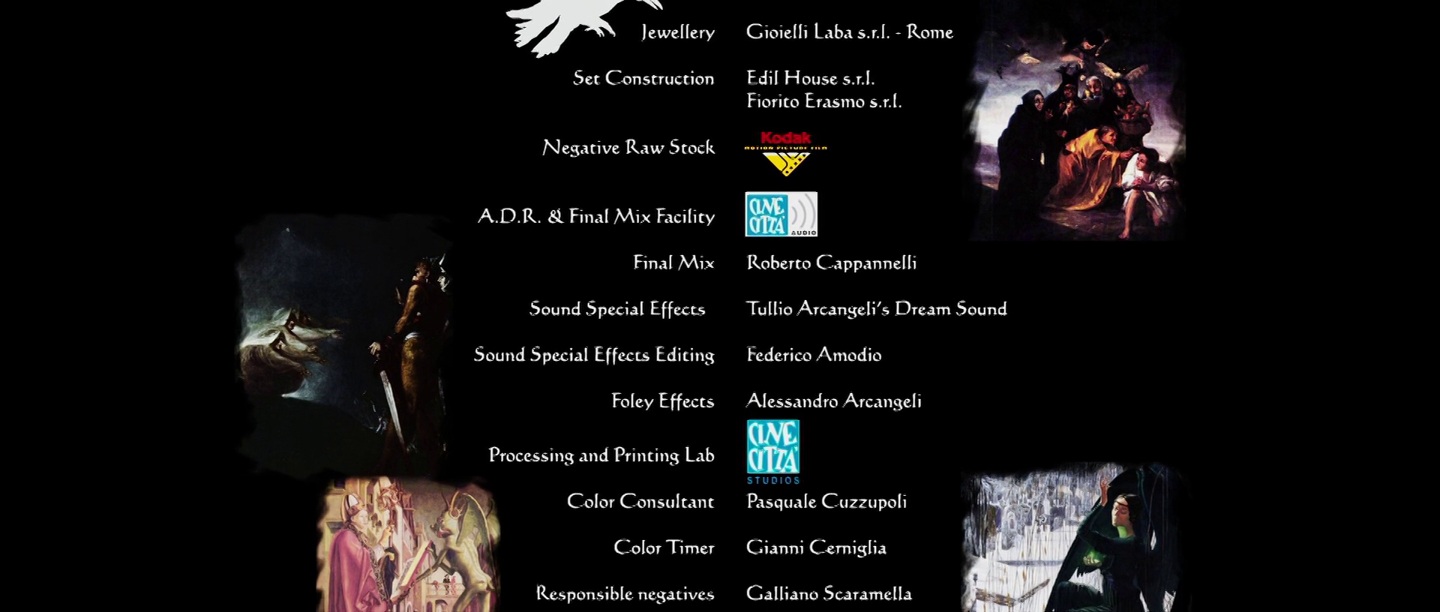
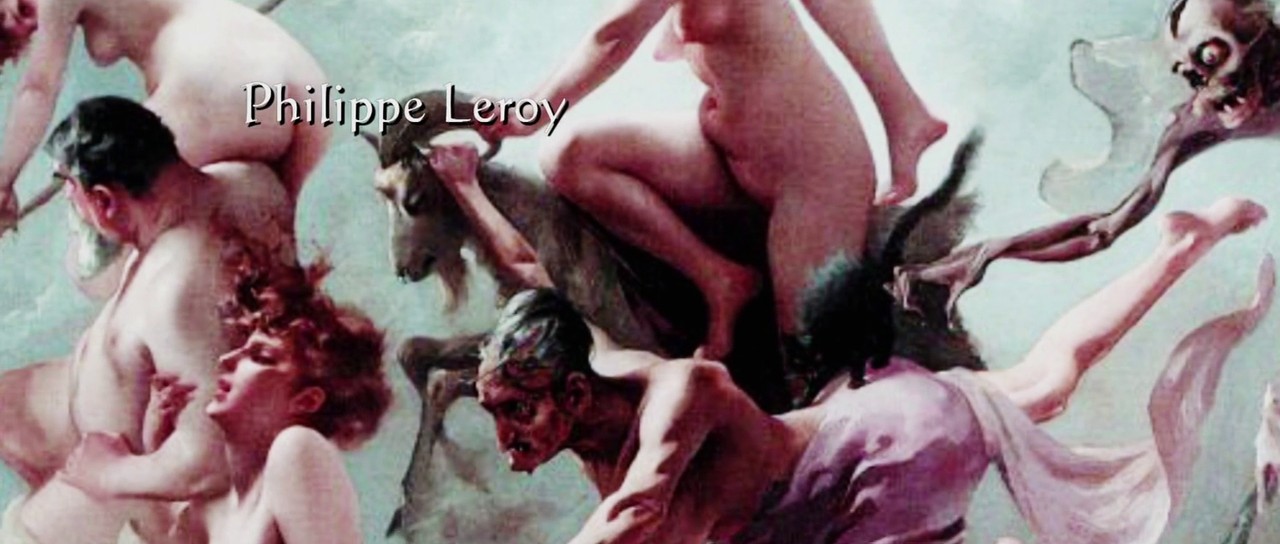
The credit record needs the same care. AFI lists Argento, Anderson and Gierasch as writers. Cinematografo also lists Walter Fasano and Simona Simonetti under screenplay. The opening credits now establish that this presentation bills Argento, Anderson and Gierasch for screenplay, with Argento separately credited for story. This resolves the on-screen billing while leaving the basis of the broader catalogue listing open. AFI writer listing ↗ Italian catalogue credits ↗
These records change how the long interval after Inferno should be understood. A trilogy’s conclusion can inherit characters, objects and expectations while being made through a different working relationship. Continuity of mythology does not require continuity of every aesthetic decision.
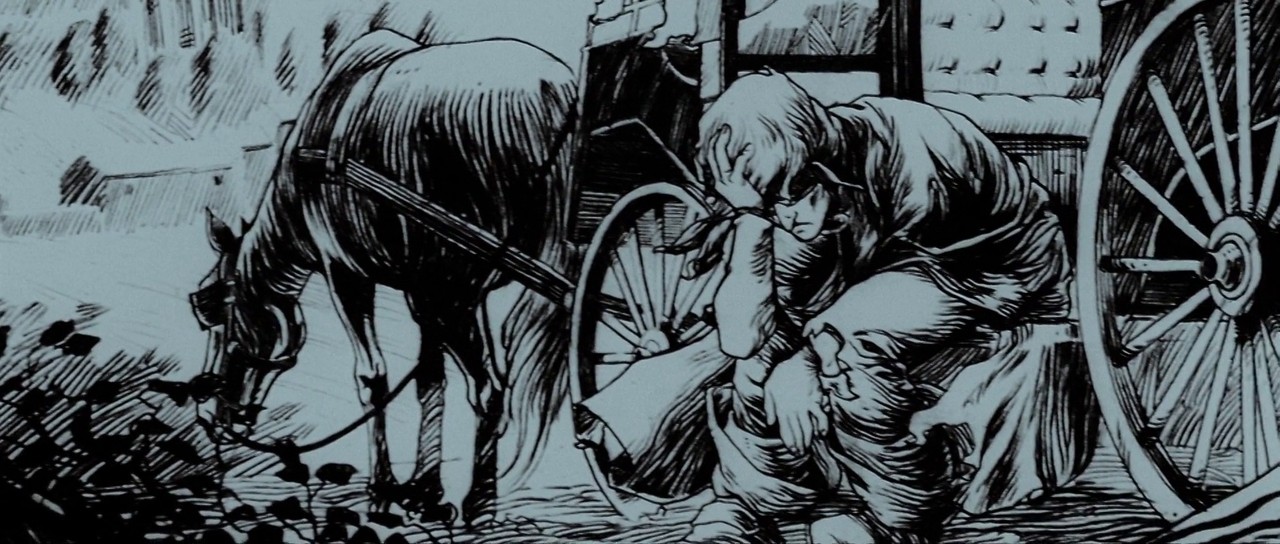
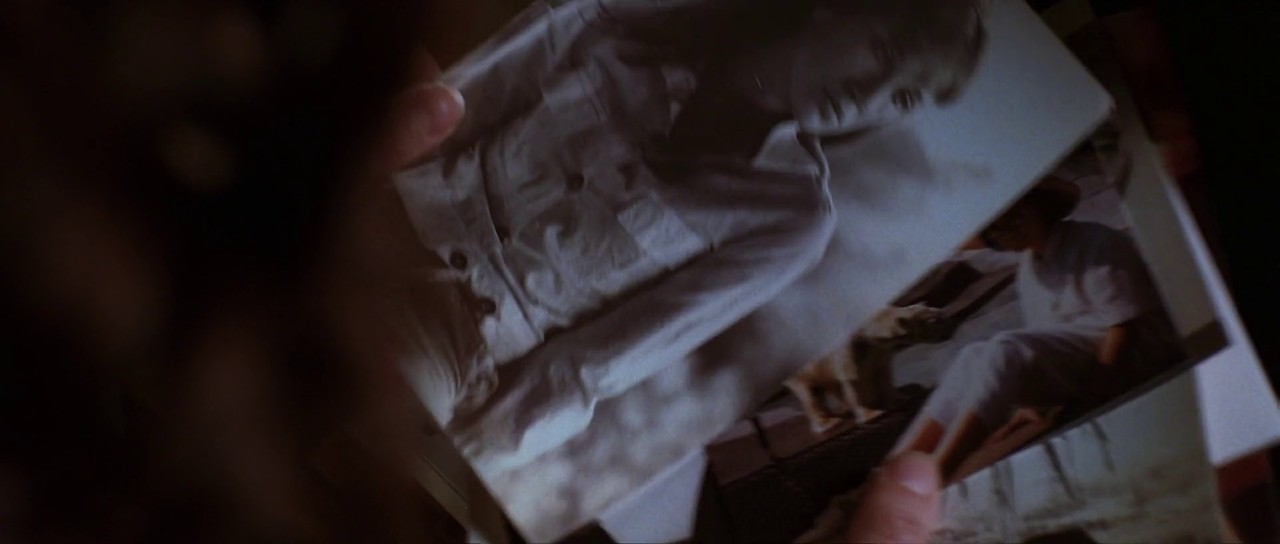
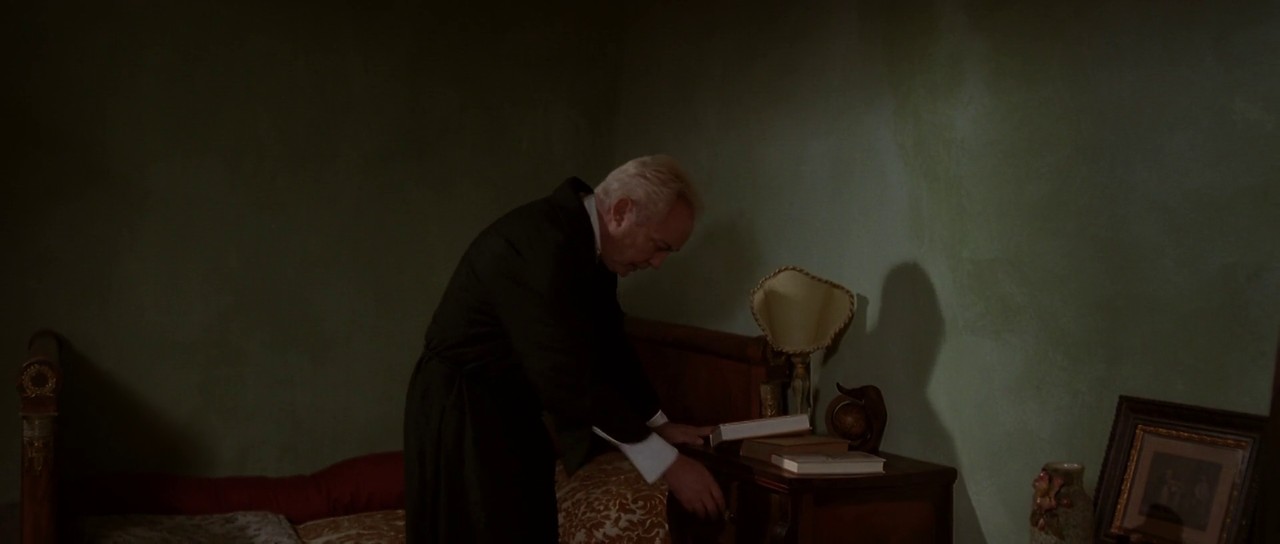
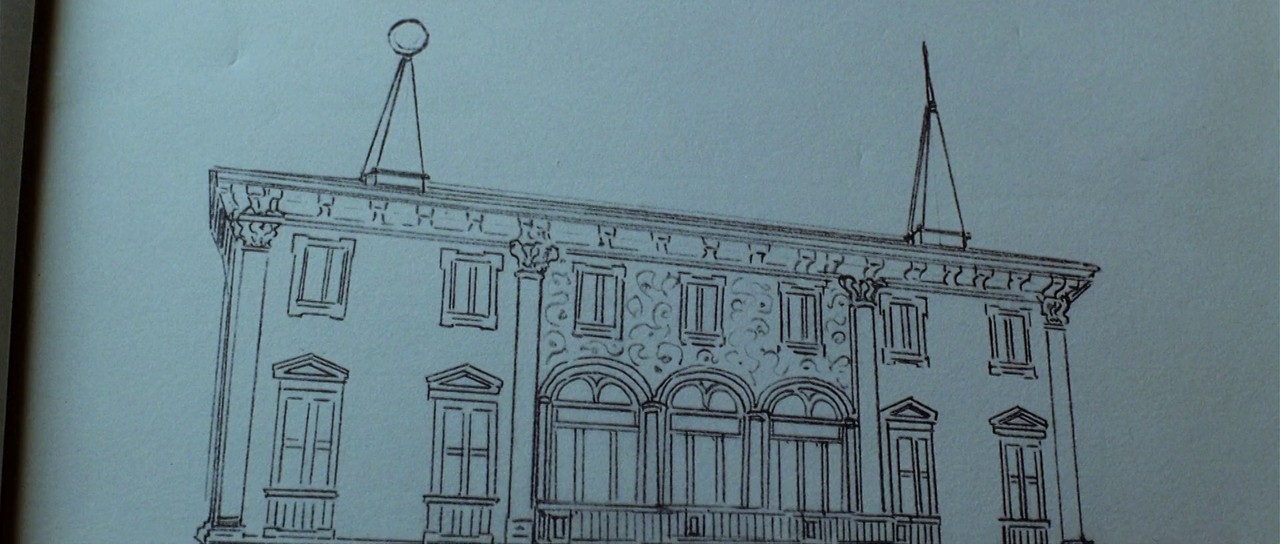
Varelli’s returning book is especially useful in this respect. Anderson’s report identifies an object prepared for insert photography: an earlier film’s imagined archive becomes a new production’s physical prop. The new book study locates its architectural drawing within Sarah’s investigation. A page-for-page comparison with the book in Inferno remains a separate question.
03 / ROME & THE SCALE OF THE THREAT
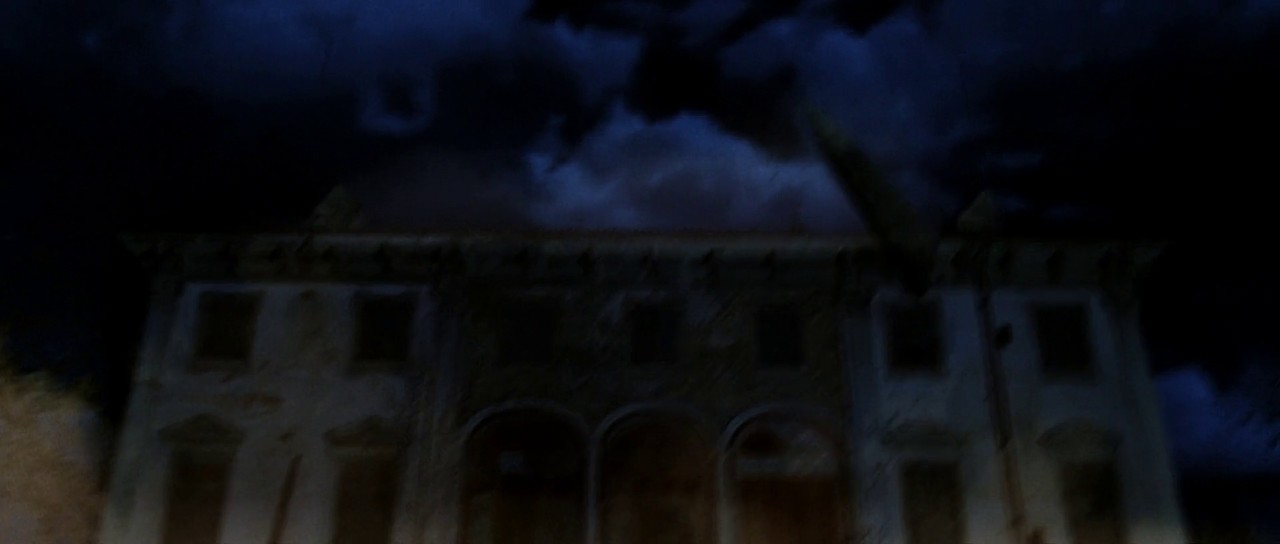
The house opens onto the city
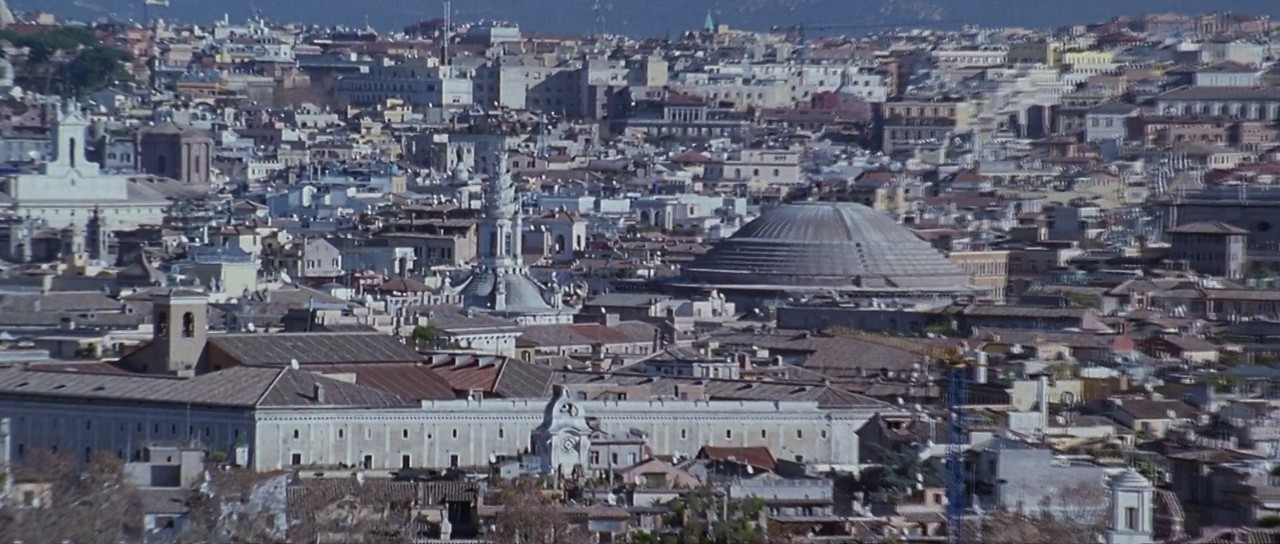
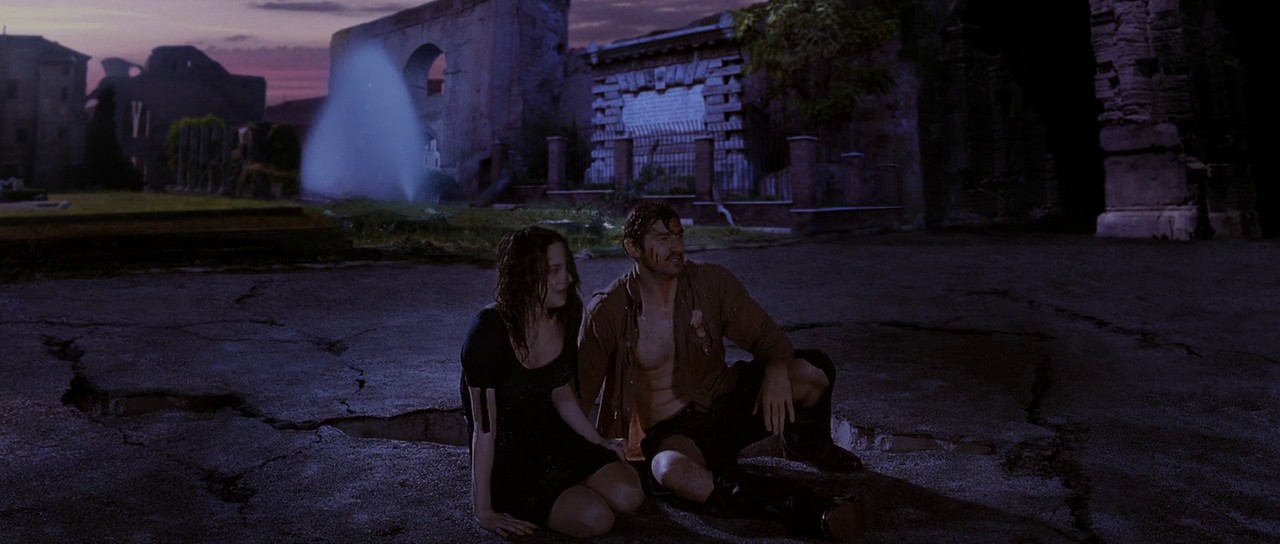
Anderson explicitly contrasts the earlier films’ concentration on buildings with this film’s movement across Rome. Argento, speaking to Filmmaker, likewise distinguishes the magical world of Suspiria, the alchemy of Inferno and the witches’ assault on Rome. Their accounts make the expanded scale a deliberate starting point. From building to city ↗ Argento’s distinctions between the films ↗
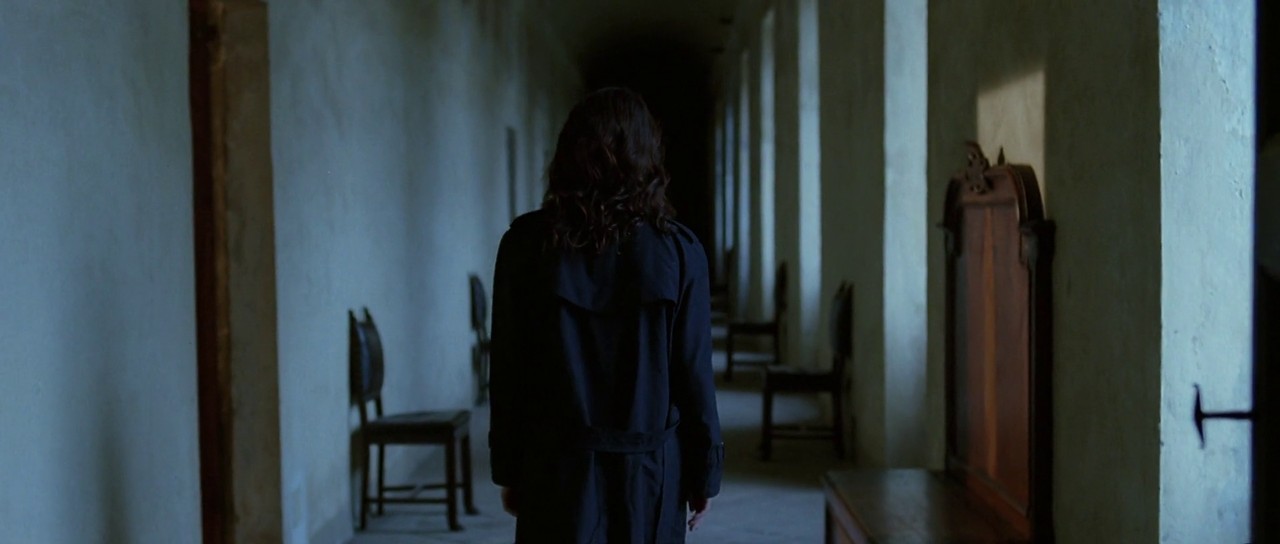
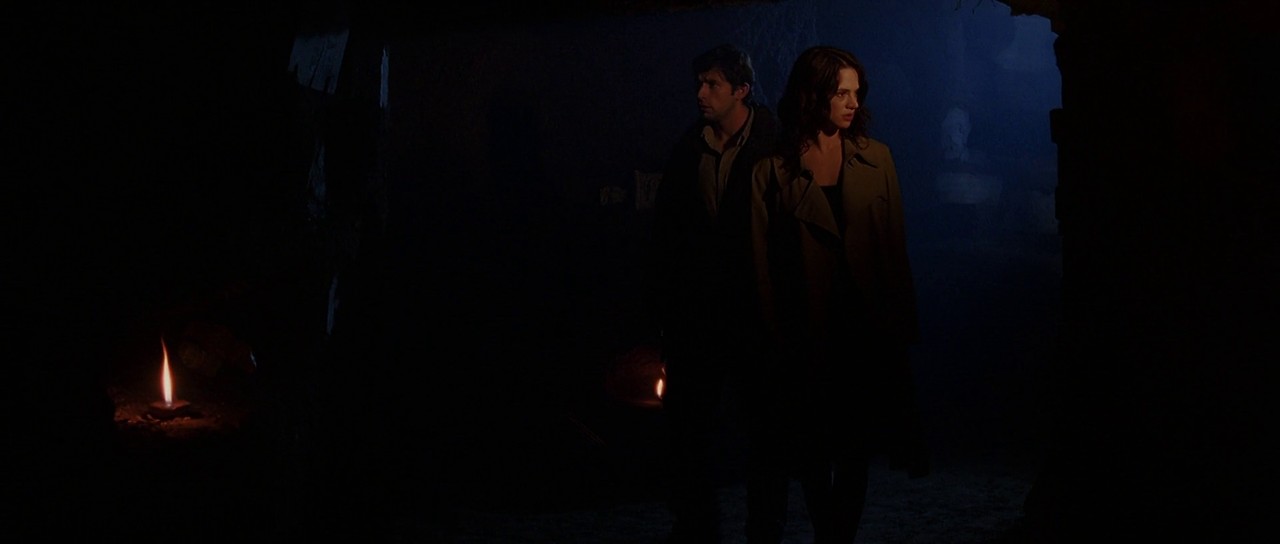
A building can promise a bounded investigation: another door or corridor may lead closer to the source. A city separates cause from consequence. People may encounter violence far from the object that released it, and moving into public space no longer guarantees escape from a private nightmare.
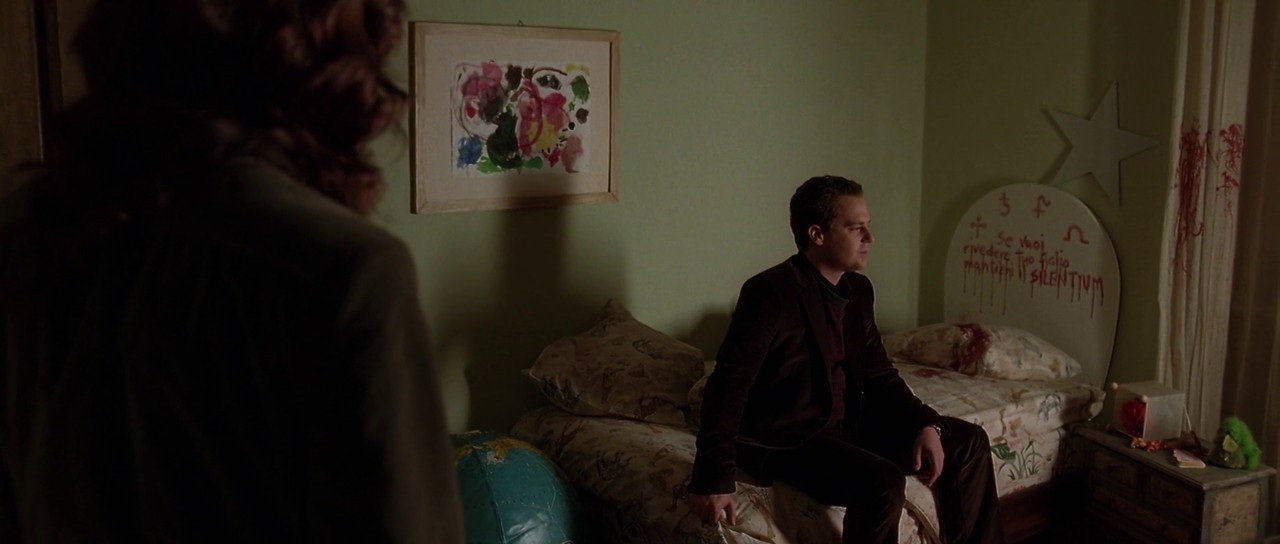
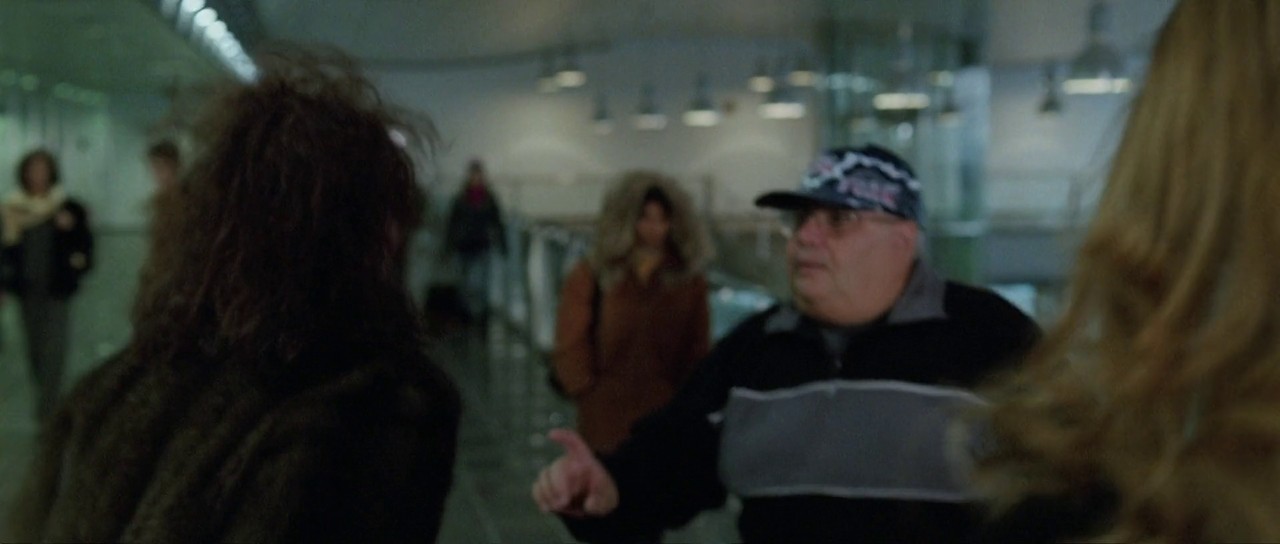
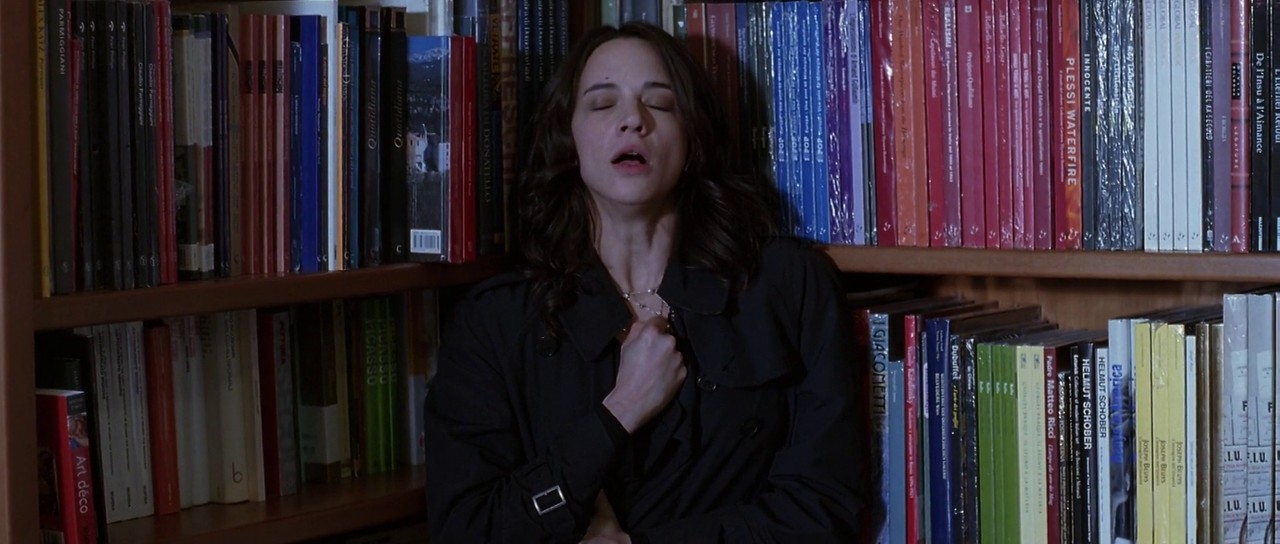
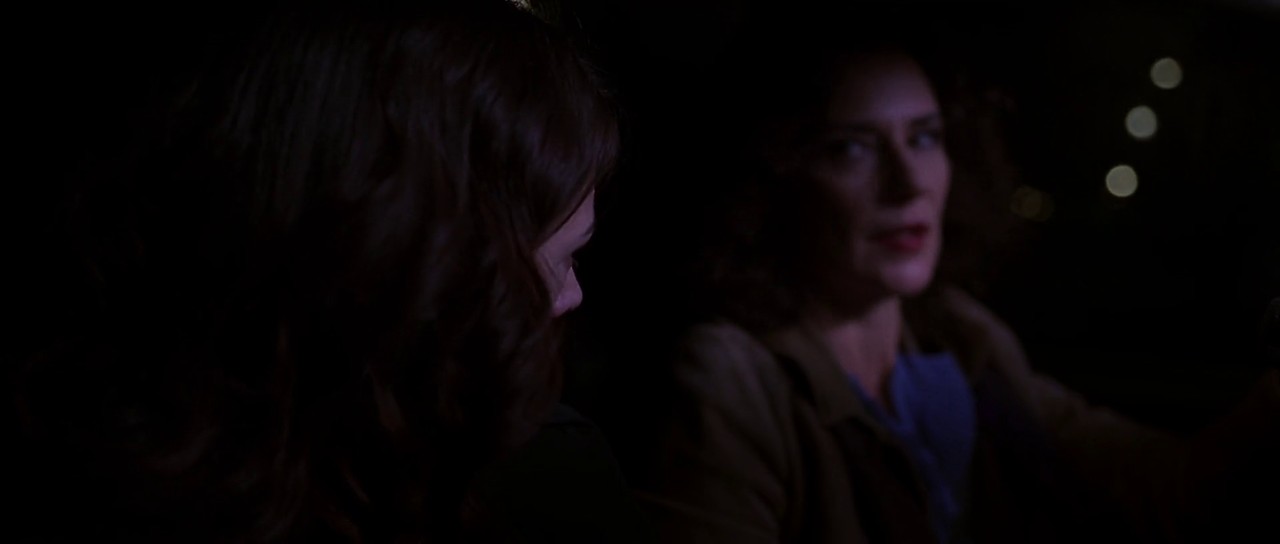
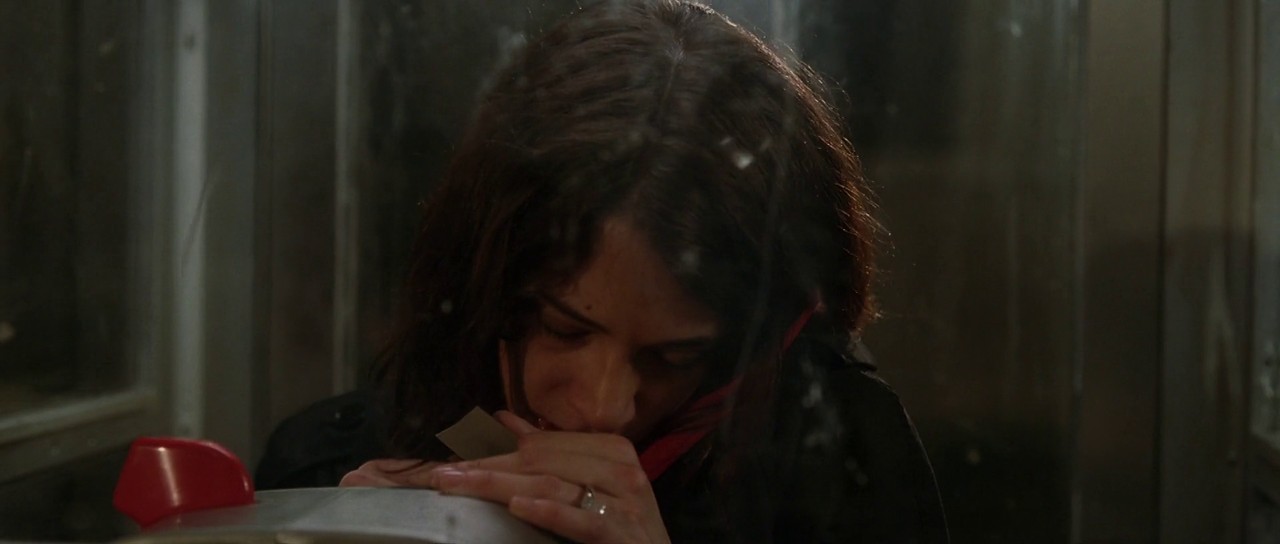
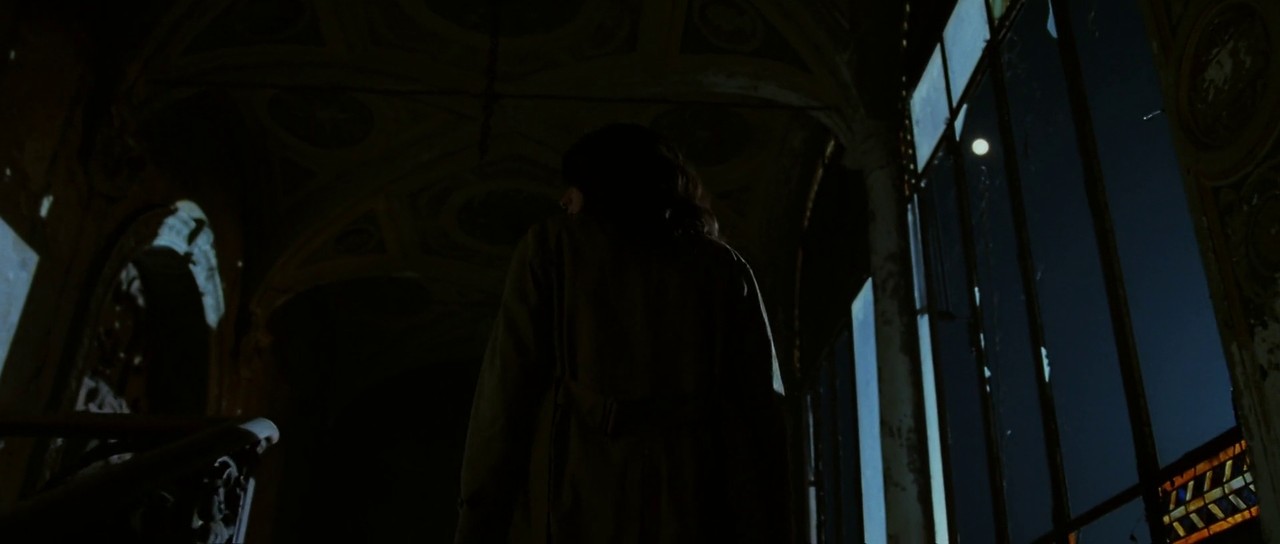
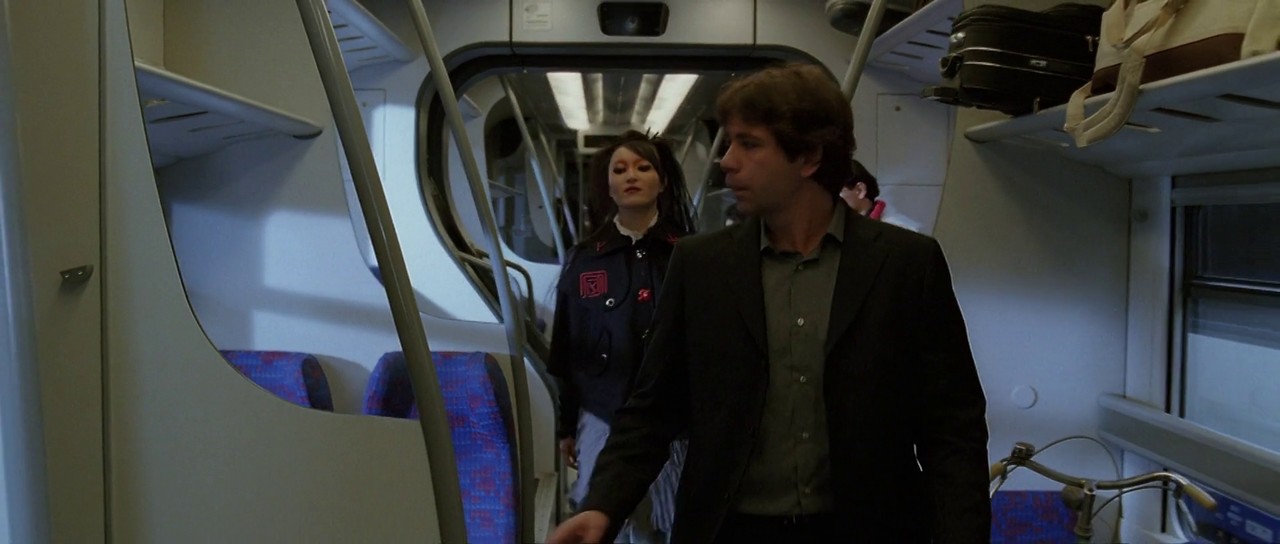
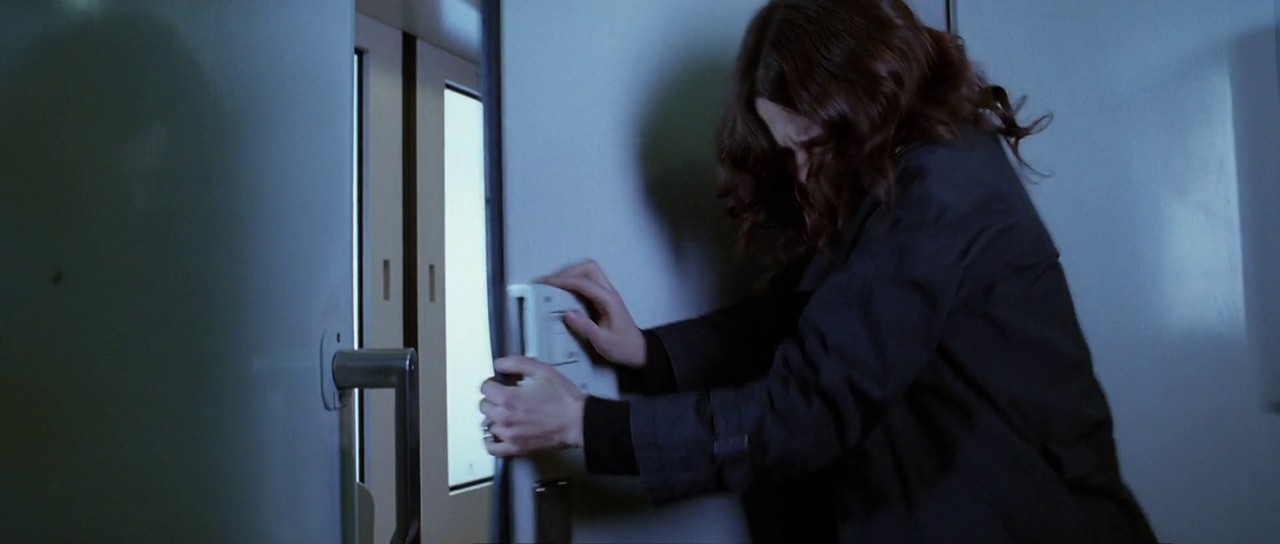
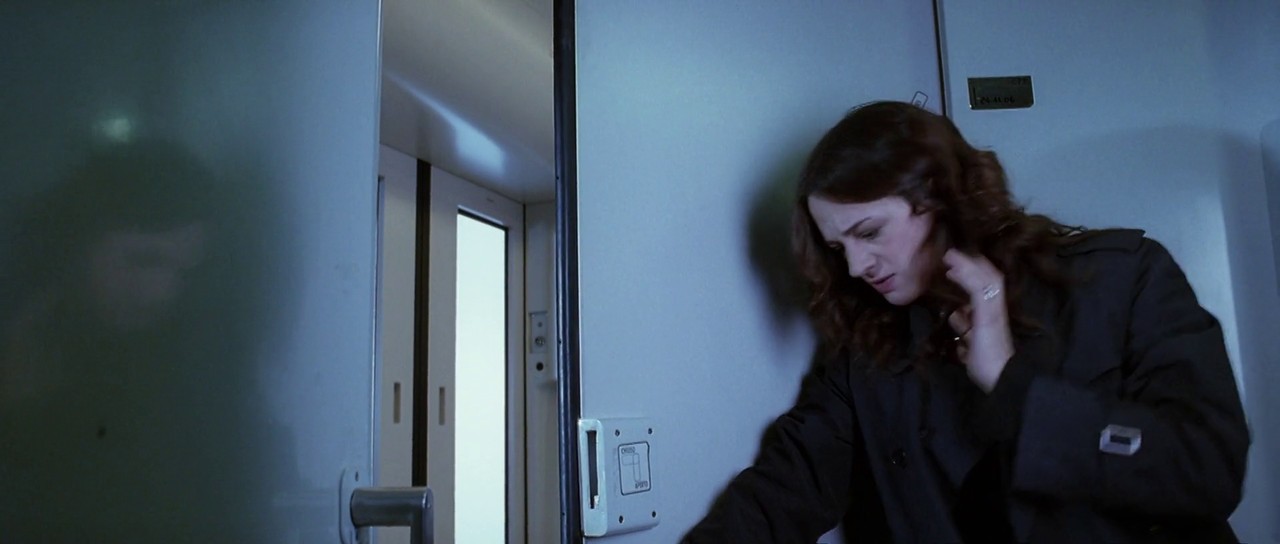
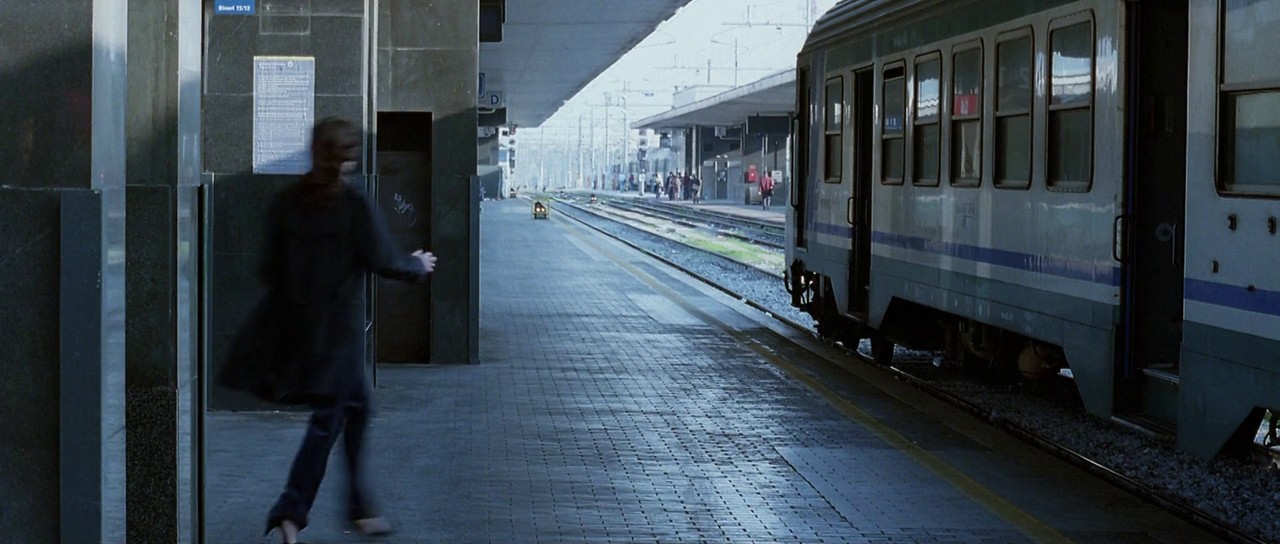
That change also makes connection an editorial problem. Dispersed incidents need not share a room or a witness. Their relation can be established by recurrence, transitions and the spectator’s knowledge of the initiating event. The scene guide follows this movement through the airport, bookshop and train, where public places become sites of pursuit.
Argento resisted the suggestion that he had designed a direct political allegory. That does not prohibit a reading of social disorder; it separates our interpretation of the premise from a claim about his declared intention. The question of social meaning ↗
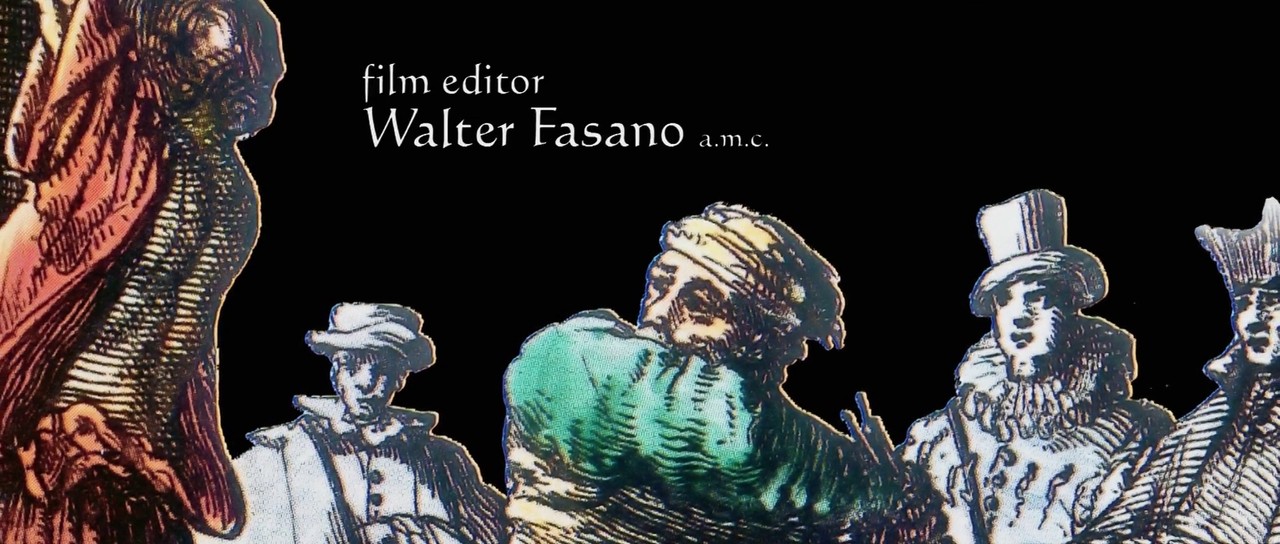
The credits place this world in the hands of cinematographer Frederic Fasano, editor Walter Fasano and designers Francesca Bocca and Valentina Ferroni. Their work makes story space perceptible. It does not follow that every location representing Rome was photographed there: story geography and verified shooting geography remain separate records. Photography, editing and design ↗
04 / SARAH, ELISA & THE PERFORMANCE OF BELIEF
Two meanings of mother
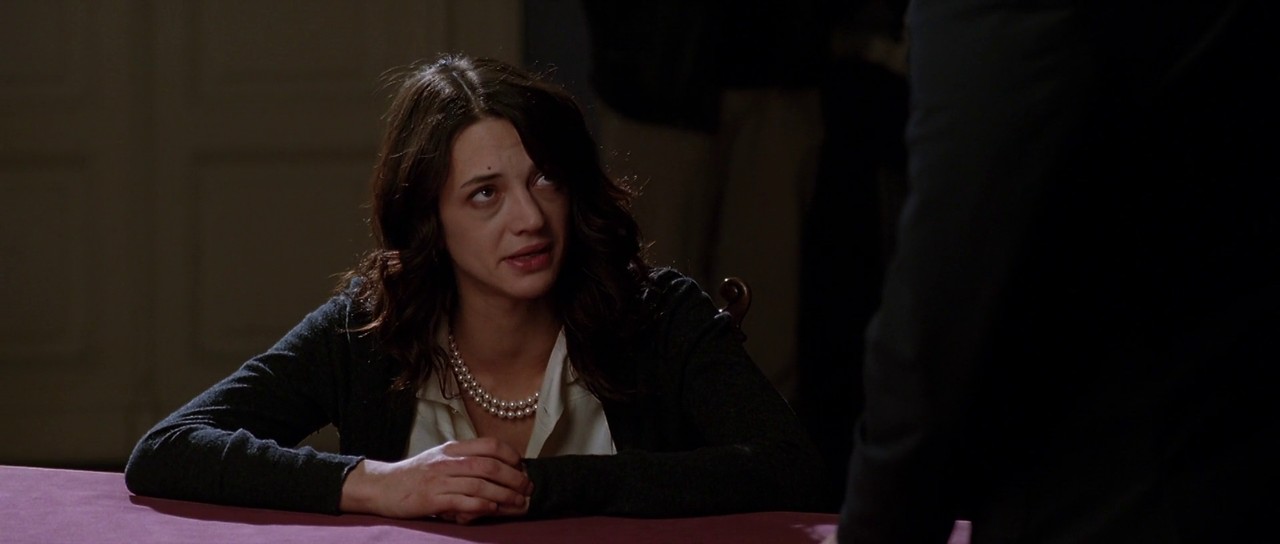
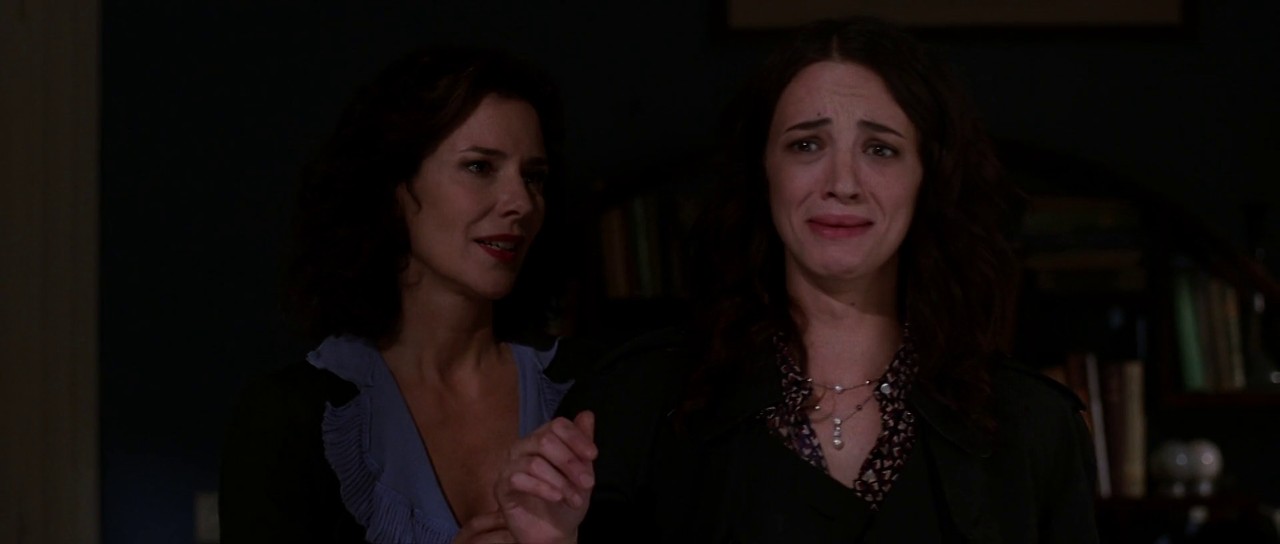
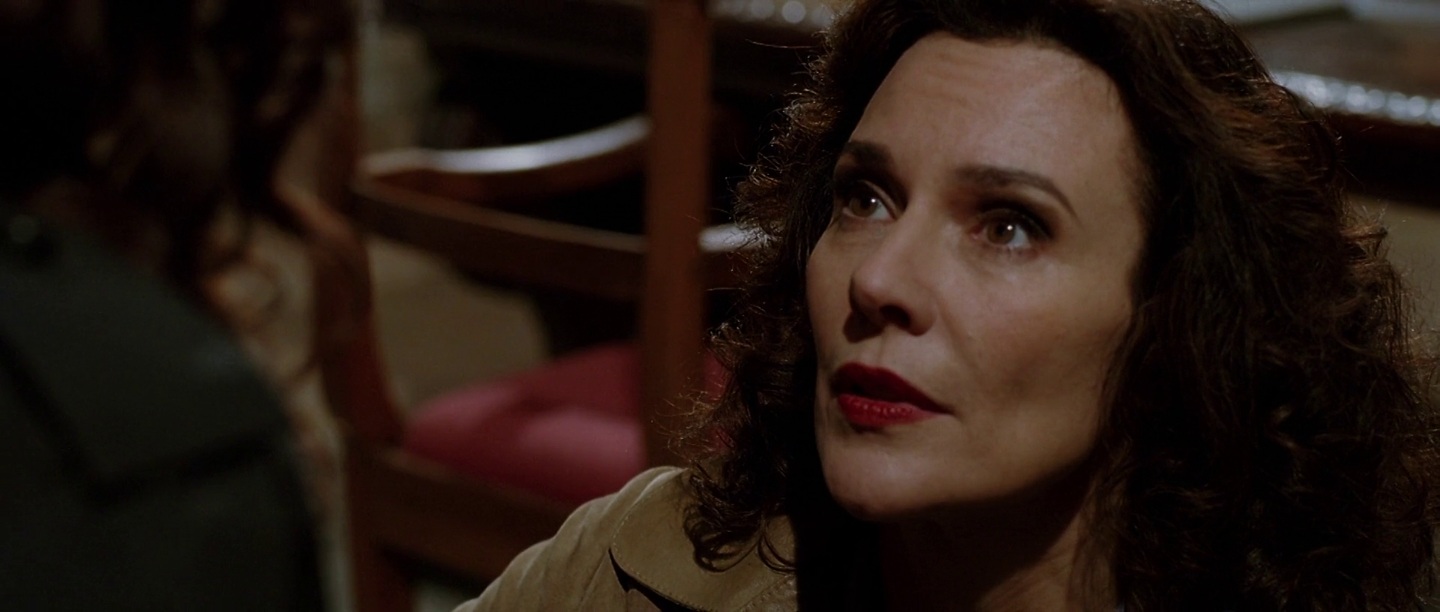
At the Rome press conference, Asia Argento described Sarah as a scientist who trusts what she can touch. She also said she proposed Daria Nicolodi for the mother’s role. These are a performer’s account of character and a specific contribution to casting, not grounds for reducing the fiction to the actors’ private lives. Asia Argento on Sarah and Nicolodi ↗
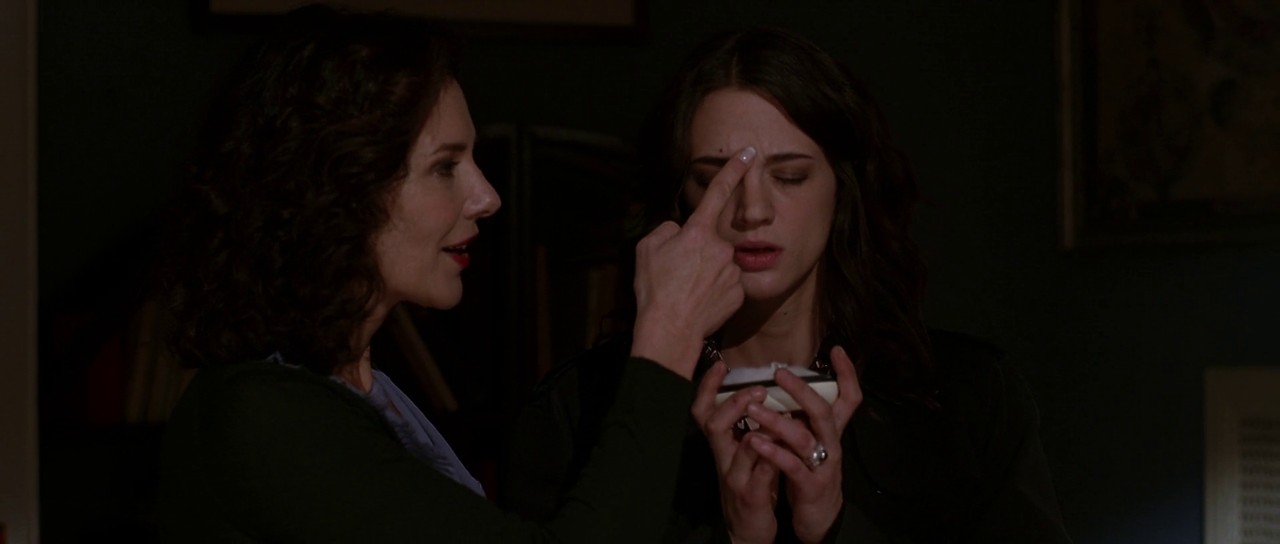
The opposition gives Sarah’s journey an emotional as well as an investigative shape. Material evidence is the basis of her professional training, but the possibility of receiving help from her mother asks for a different kind of recognition. A figure called Mother can protect or threaten; the word alone no longer identifies a moral position.
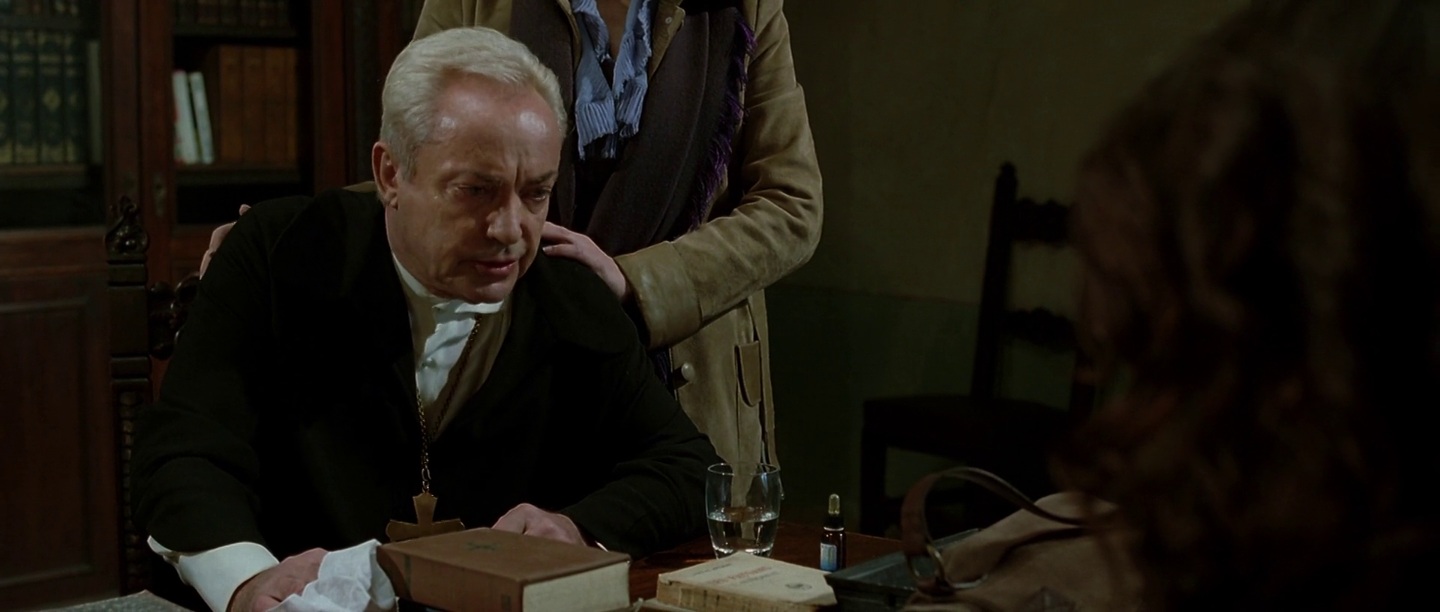
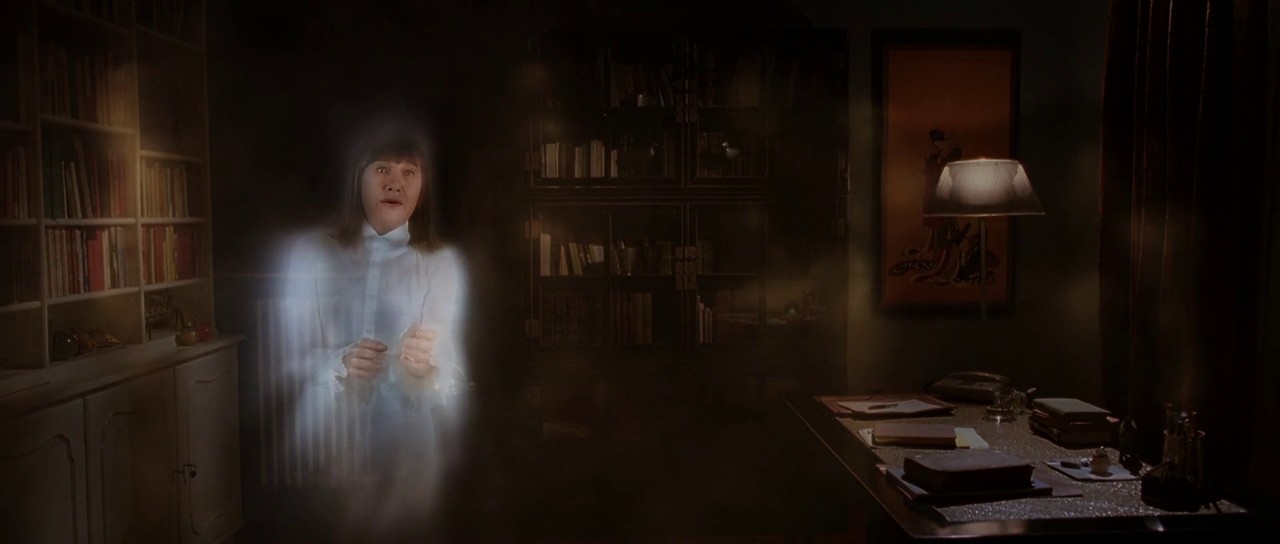
The English dialogue identifies Mater Suspiriorum as the witch who killed Sarah’s parents. Johannes explains that Elisa gravely weakened her before Suzy’s victory. This supports the Catholic film commission’s synopsis on the identity of Elisa’s enemy; the Rome festival synopsis instead attributes her death to the Third Mother. Follow the conversation and the link to Suspiria → Elisa and the ending synopsis ↗ Festival wording ↗
Argento told Filmmaker that Asia’s own directing experience helped their working relationship and that he treated family members as actors on set. His statement is useful as an account of practice. It does not prescribe how a spectator must understand the resonance of Nicolodi’s return. Working with Asia and Daria ↗
The ending described by the commission brings Sarah back to daylight with nervous laughter. In that published account, survival and composure are different things. Laughter after horror may release tension without making what happened ordinary. Its exact duration, sound and exchange of looks remain matters for a focused audiovisual comparison, not deductions from a synopsis.
05 / CLOSE-UP, COSTUME & EFFECTS
A smile can disturb a face
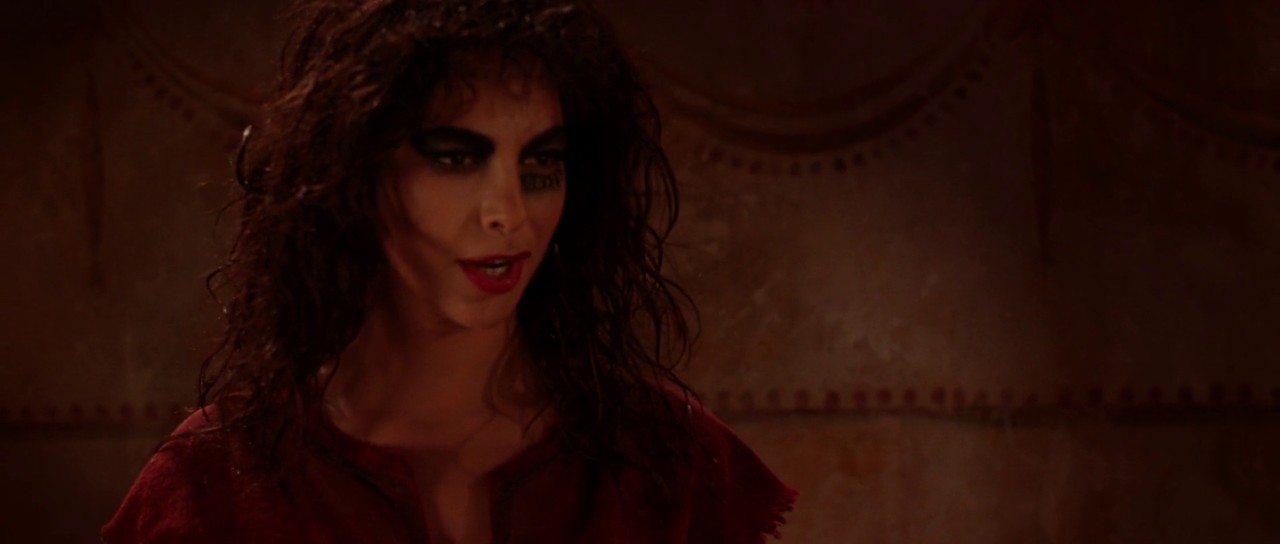
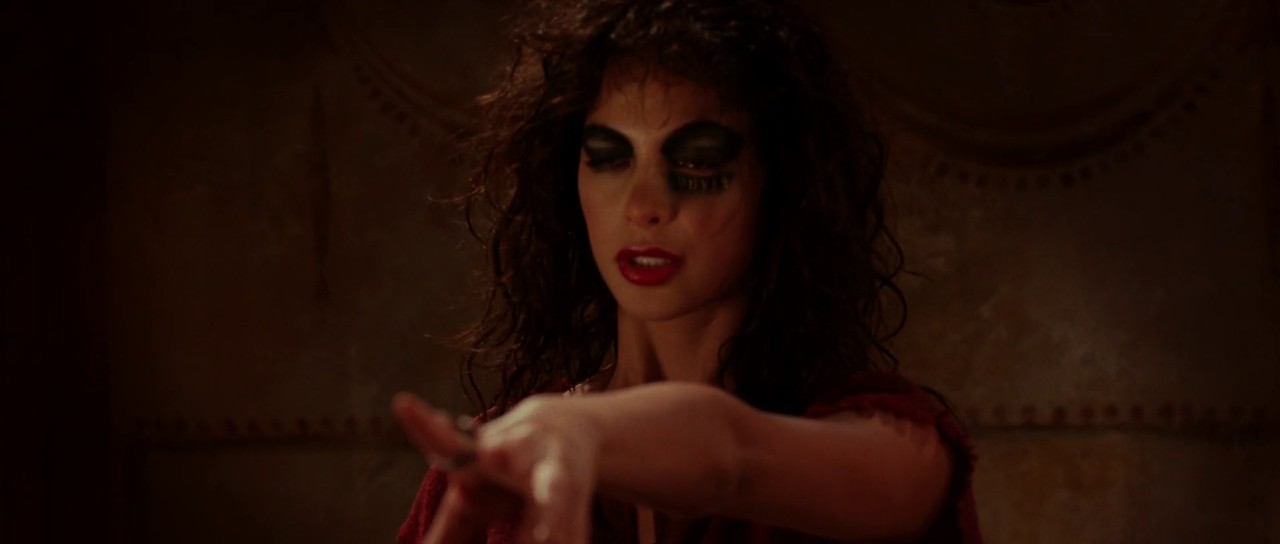
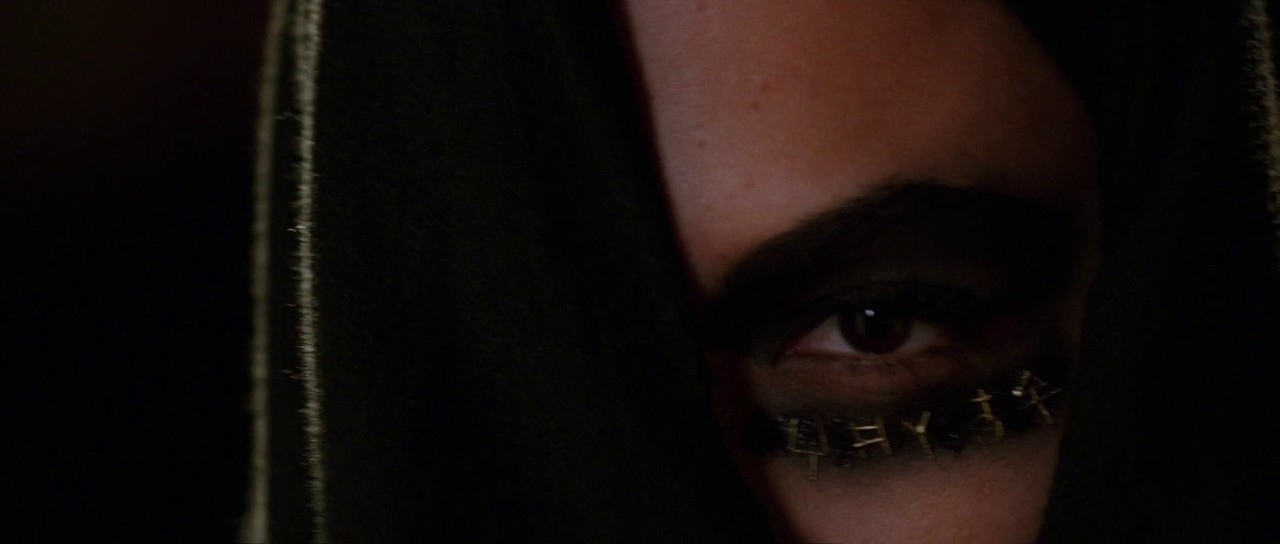
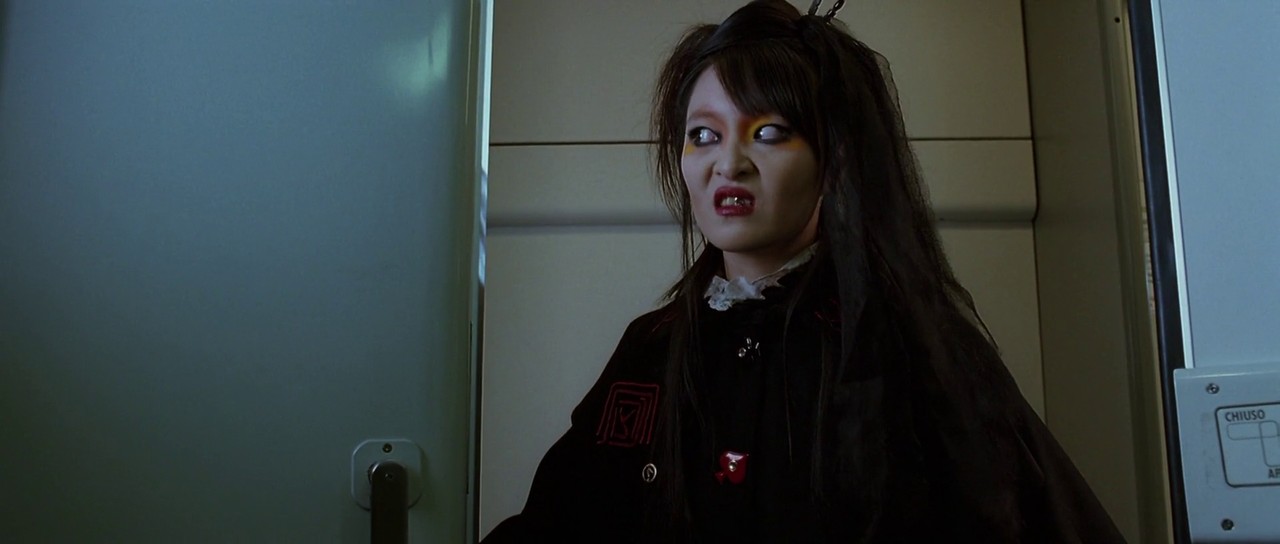
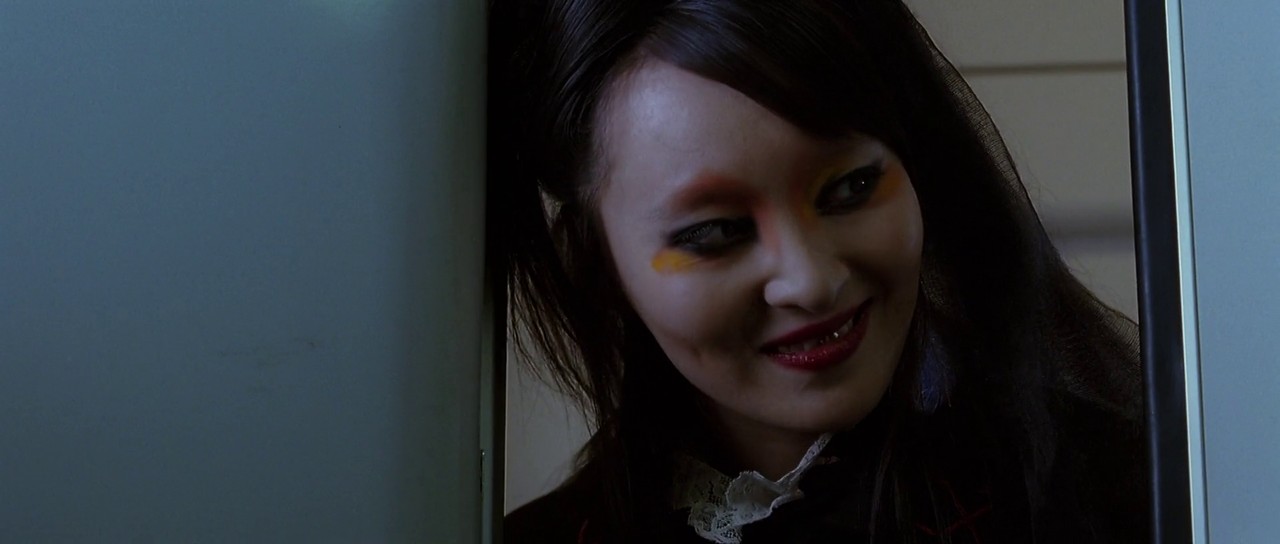
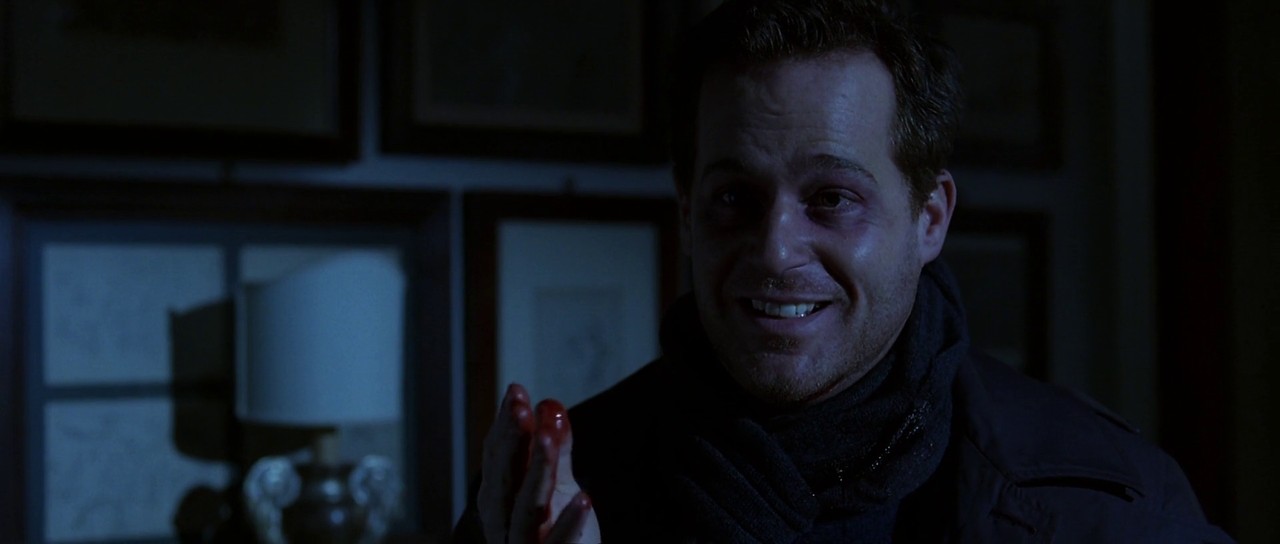
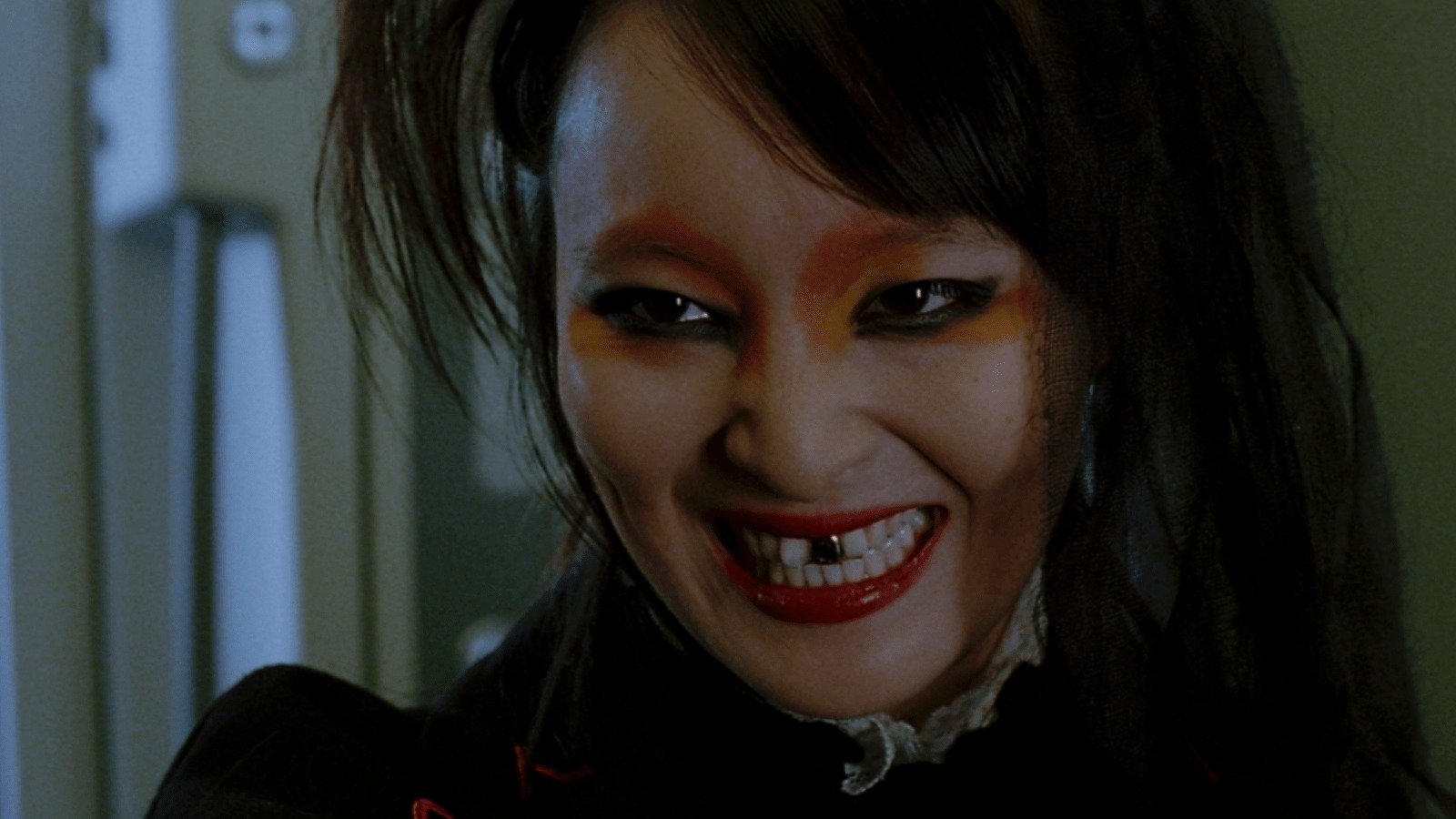
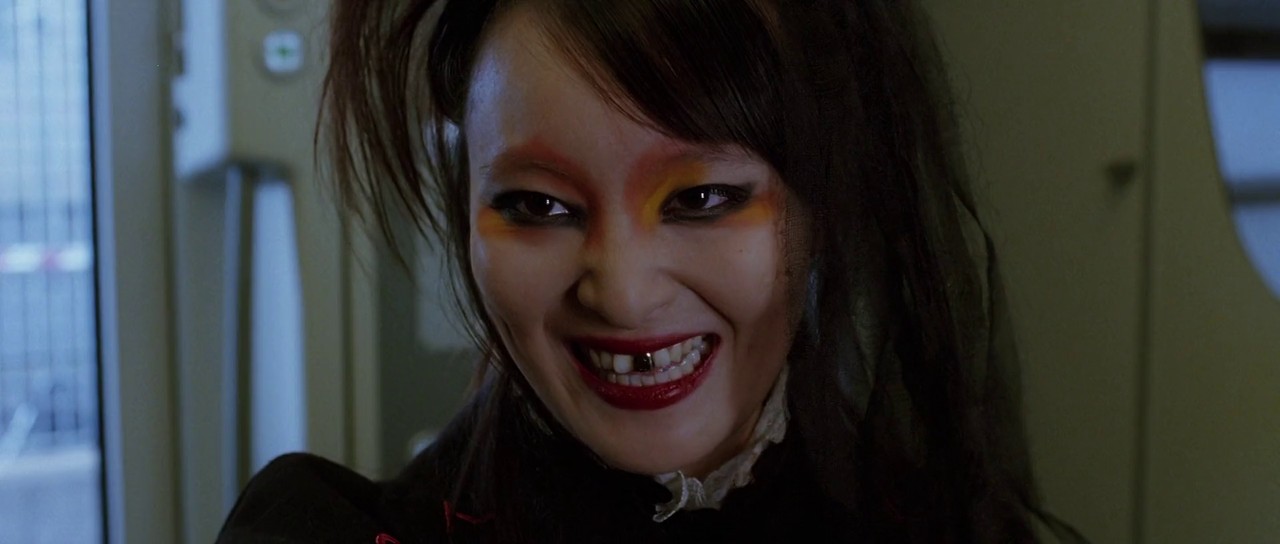
The FLC reproduction concentrates attention on a broad smile. A dark metallic detail interrupts the bright line of teeth, while orange-red colour extends around the eyes. Dark hair, a high collar and an indistinct background keep attention on the face. The supplied 1600 × 900 image is shown without a new crop. Inspected programme image ↗
The expression offers recognition and unease at once. A smile is familiar, but its visible surfaces refuse to settle into a single reassuring signal. The contrast between the warm eye makeup and cooler surroundings intensifies that separation.
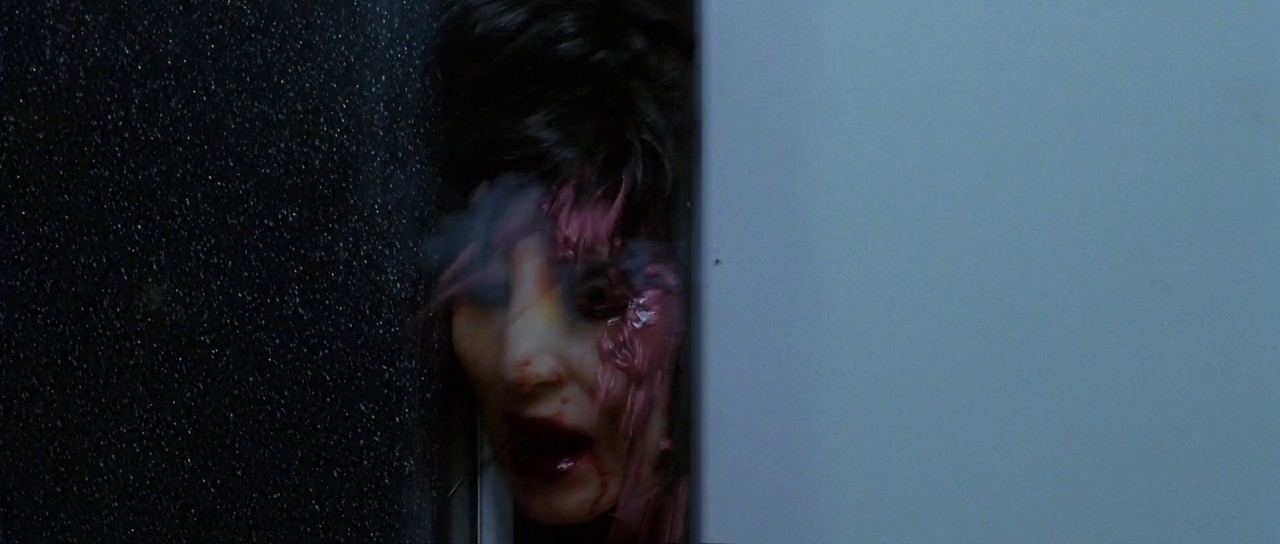
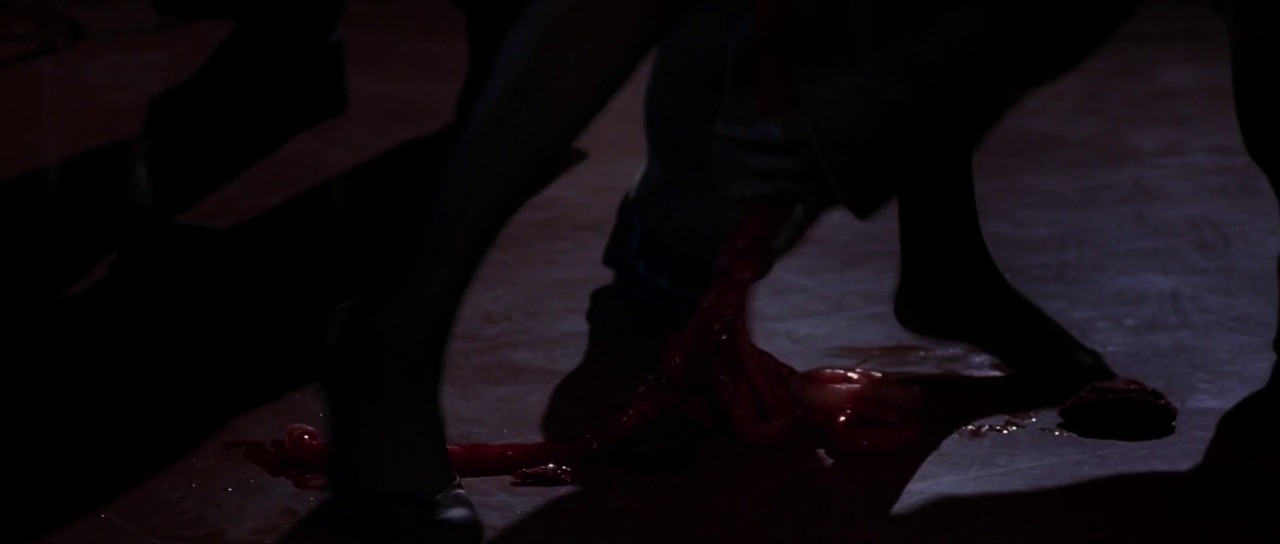
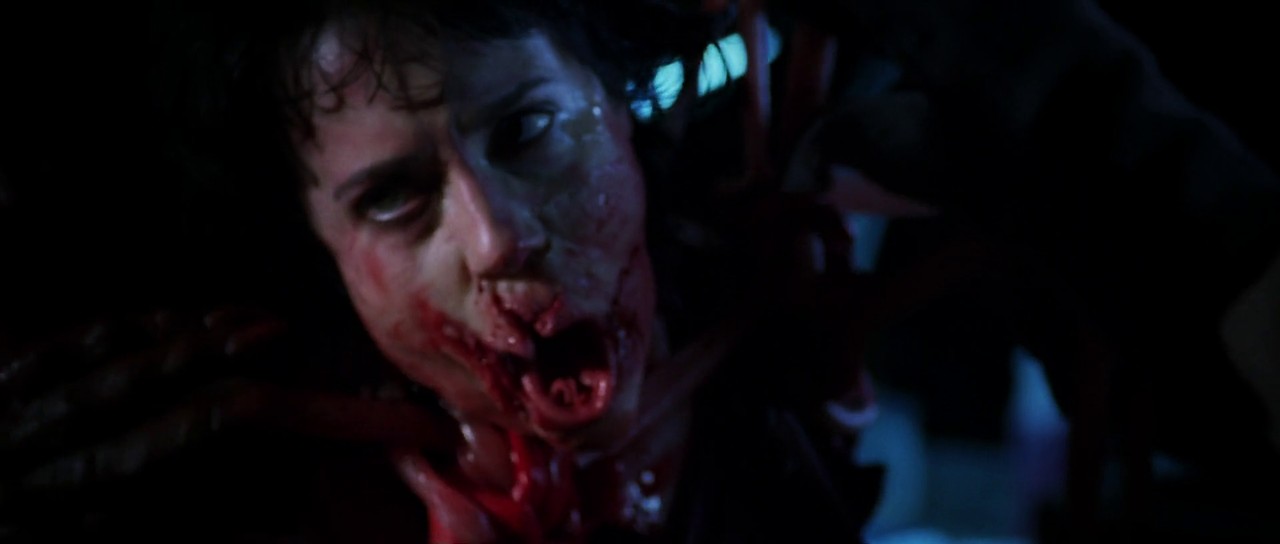
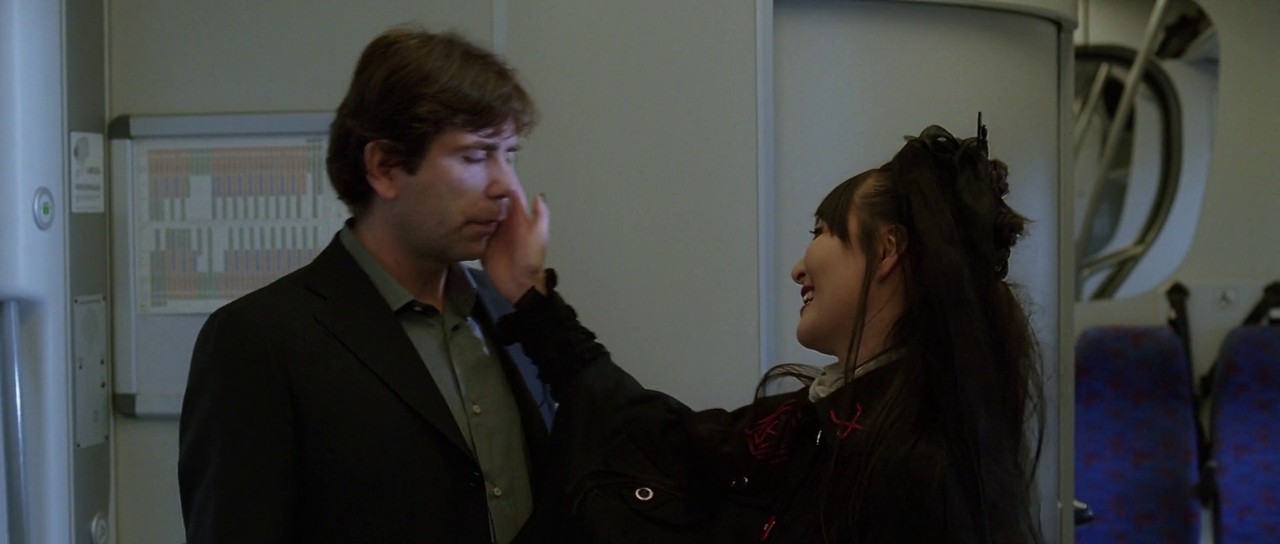
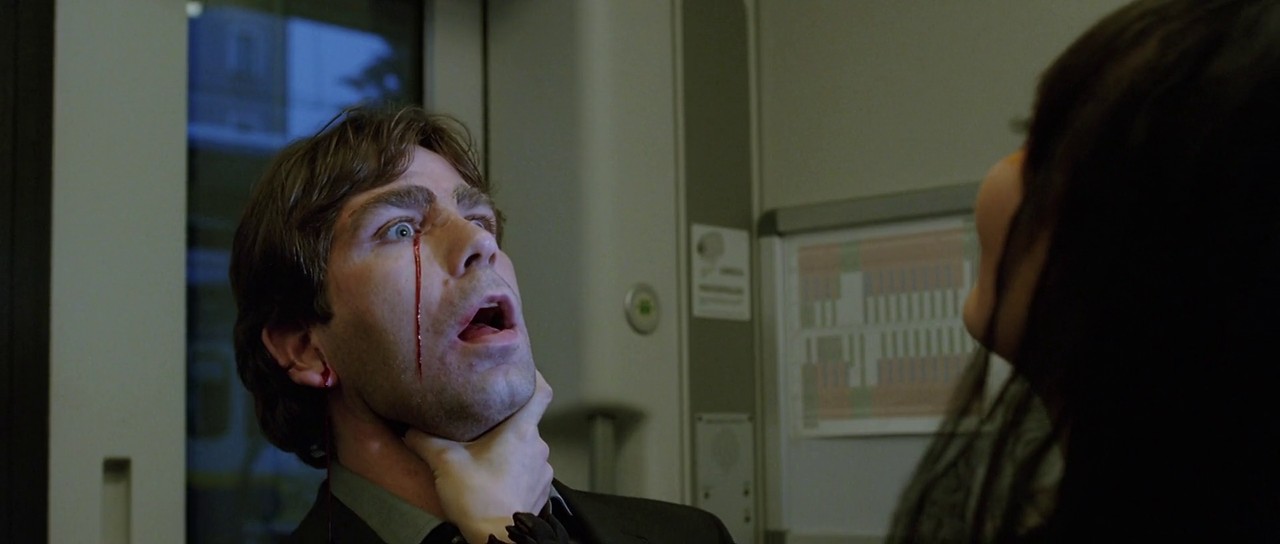
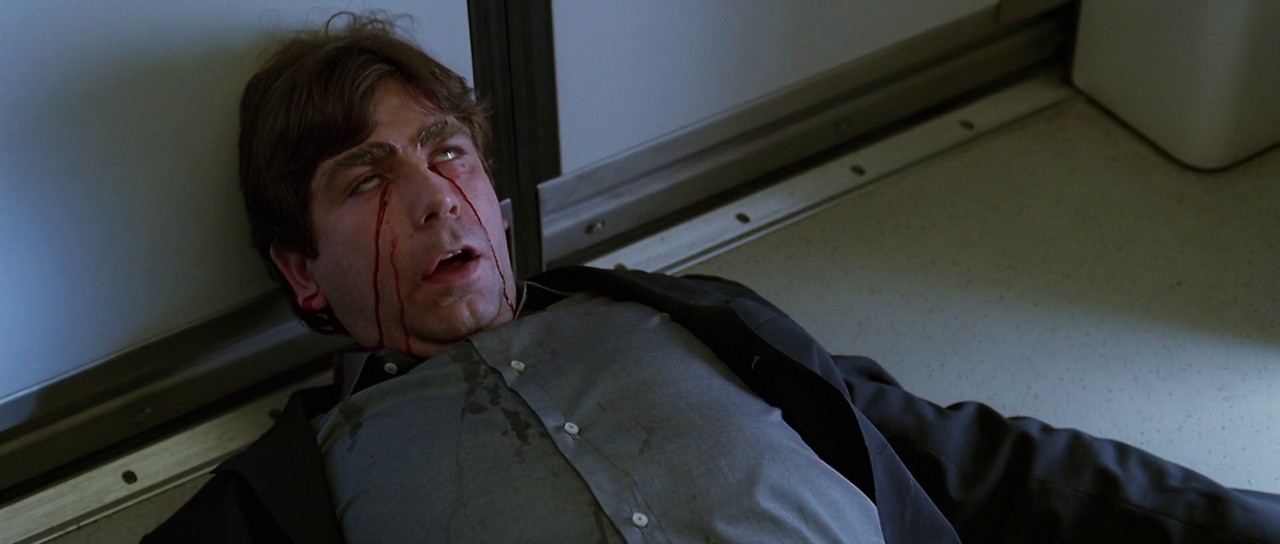
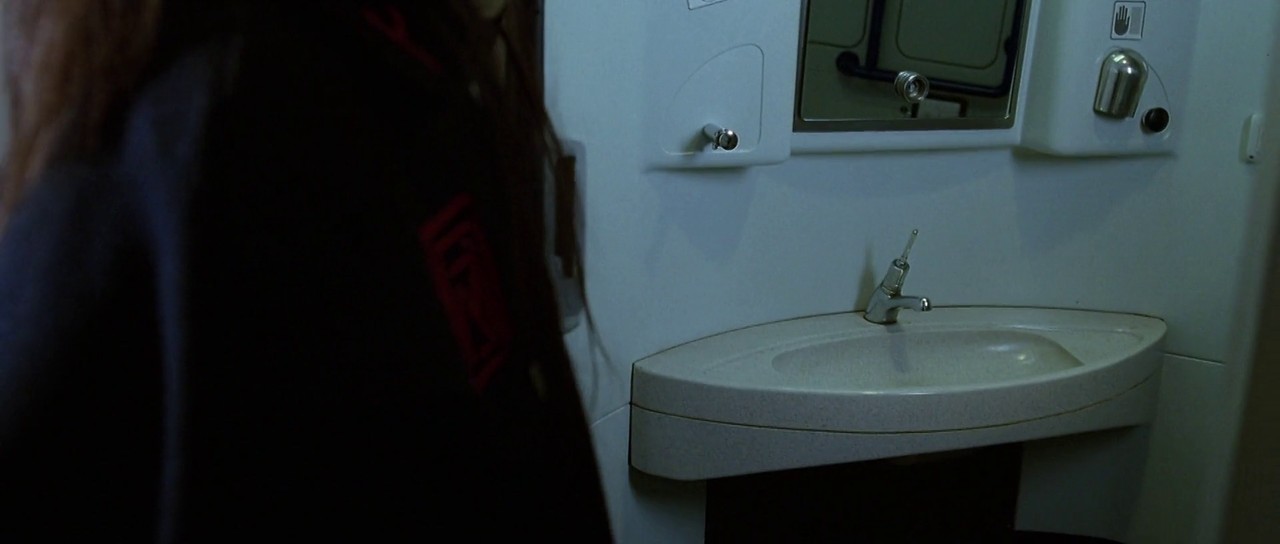
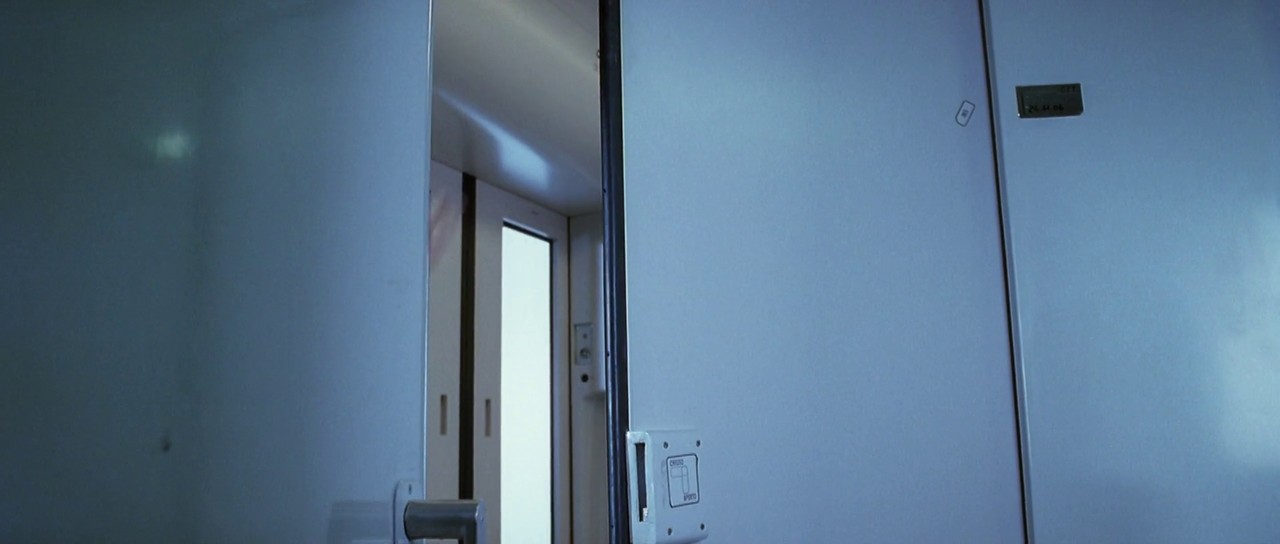
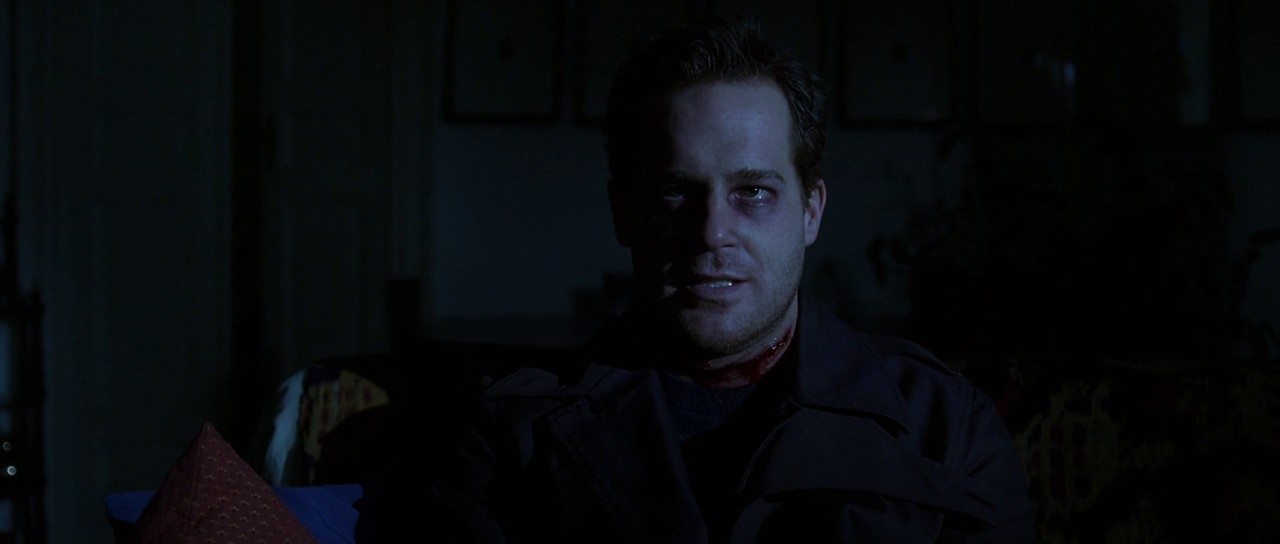
The still also clarifies the limits of a face study. We can describe the arrangement of eyes, mouth, hair and costume. The train gallery now places a matching expression at 39:22, during the attack on the man in the carriage and before the pursuit through the carriage. The original FLC reproduction keeps its own provenance; the new frames establish the surrounding visual action.
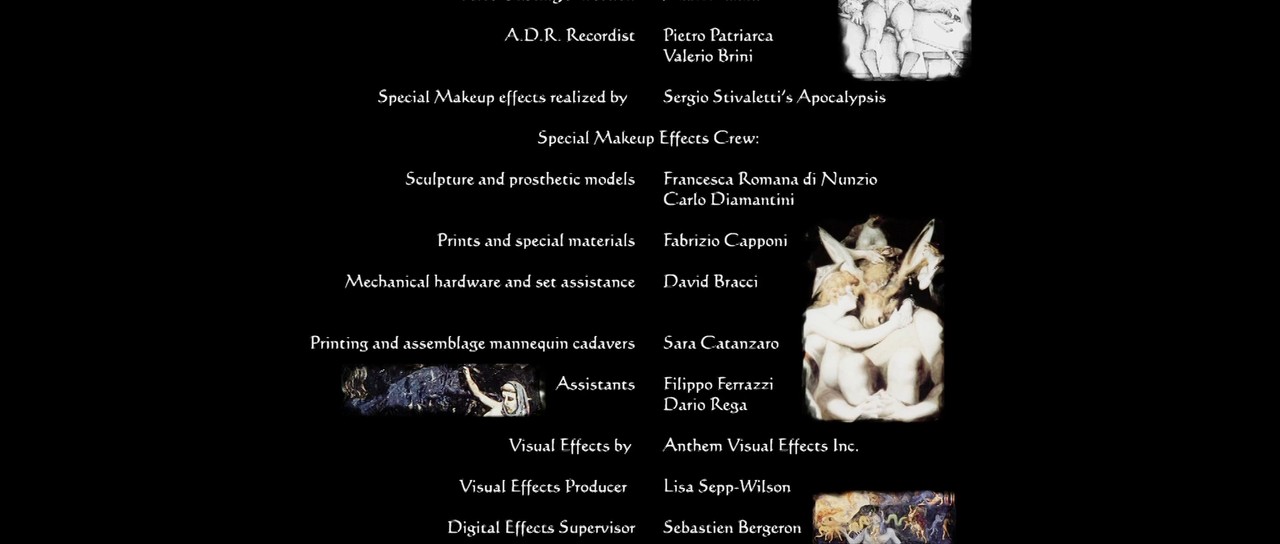
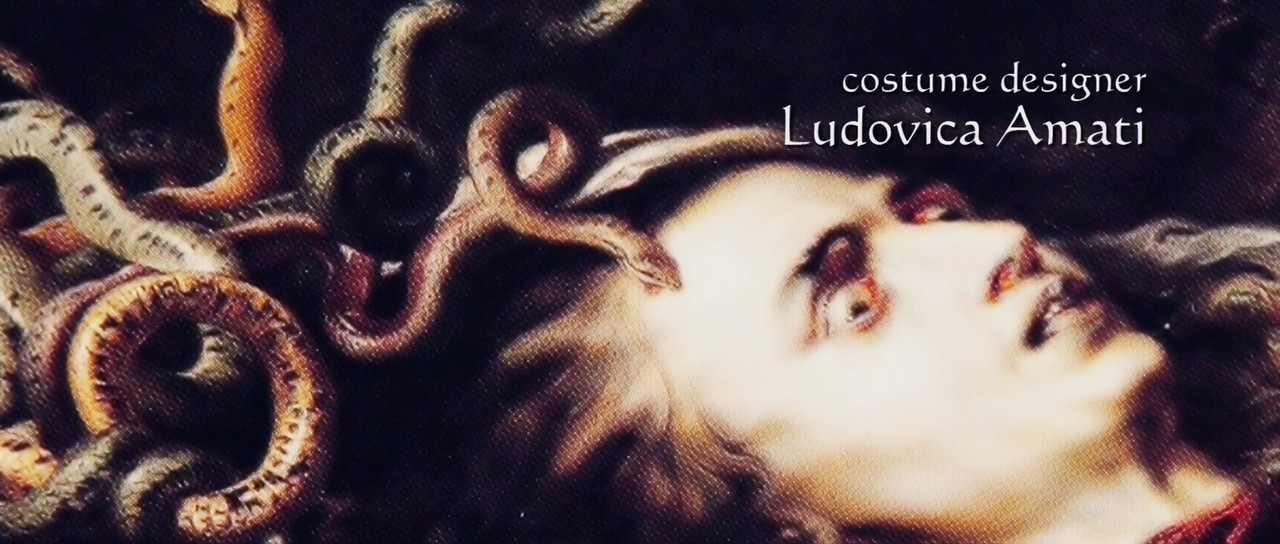
Cinematografo names Ludovica Amati for costume and Stivaletti, Bracci, Bollettini and Anthem among effects contributors. Argento separately praises Lee Wilson’s digital-effects work in the Den of Geek interview. These records establish collaboration without assigning the tooth detail or any individual shot to a department by guesswork. Costume and effects credits ↗ Digital-effects collaboration ↗
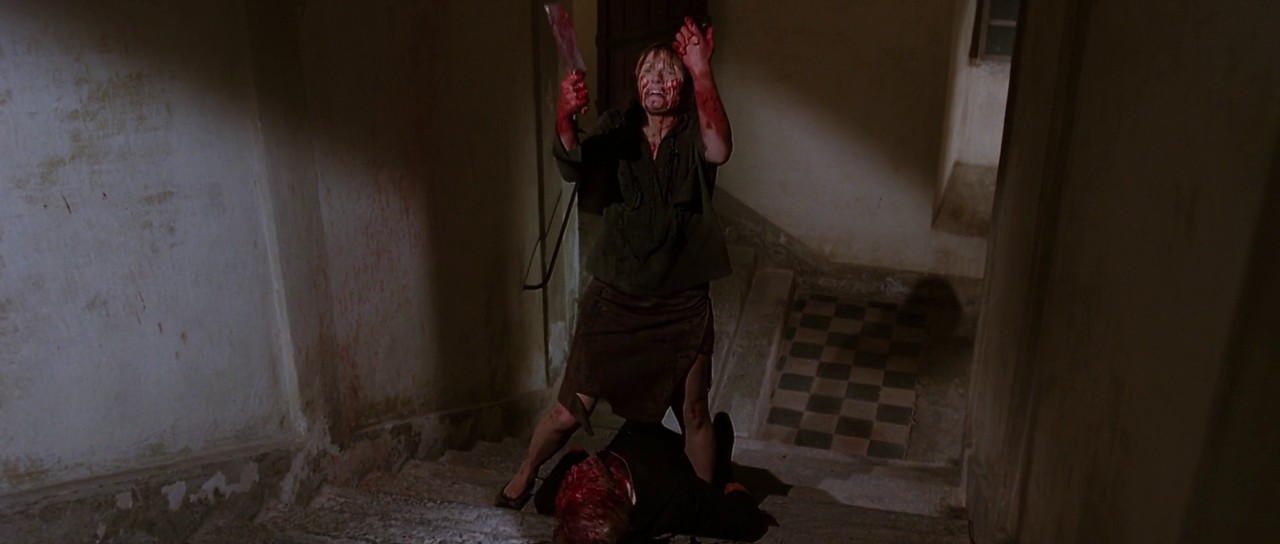
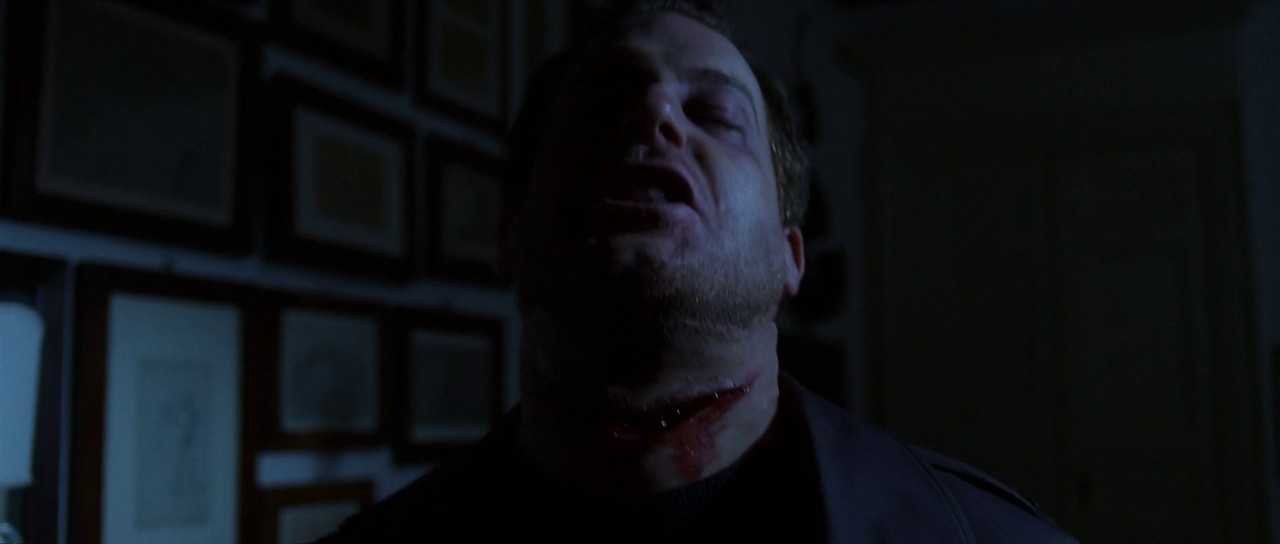
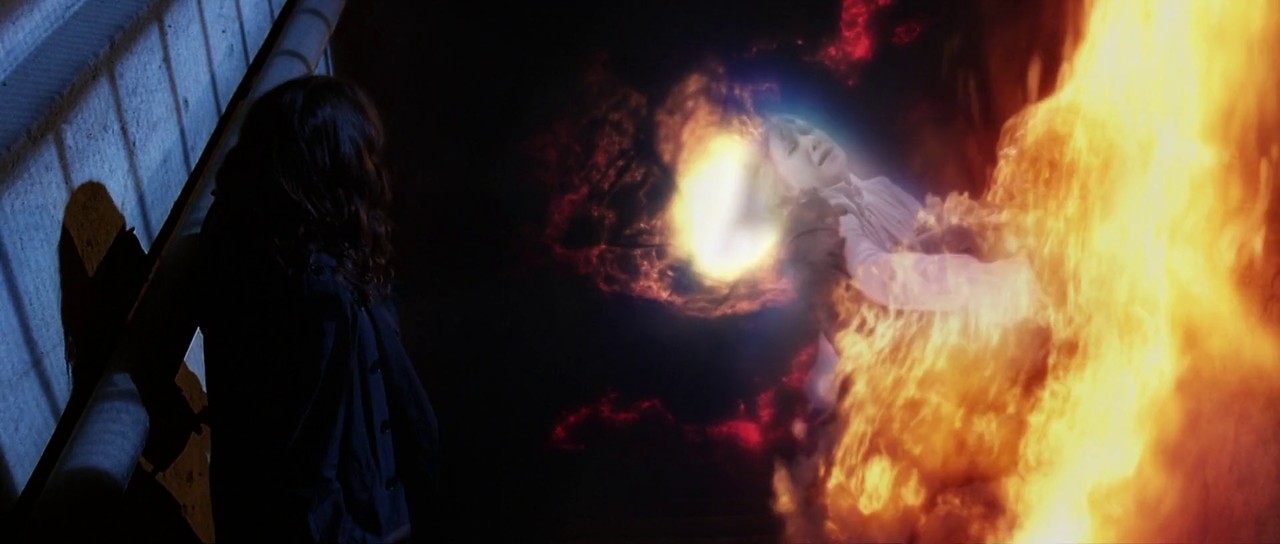
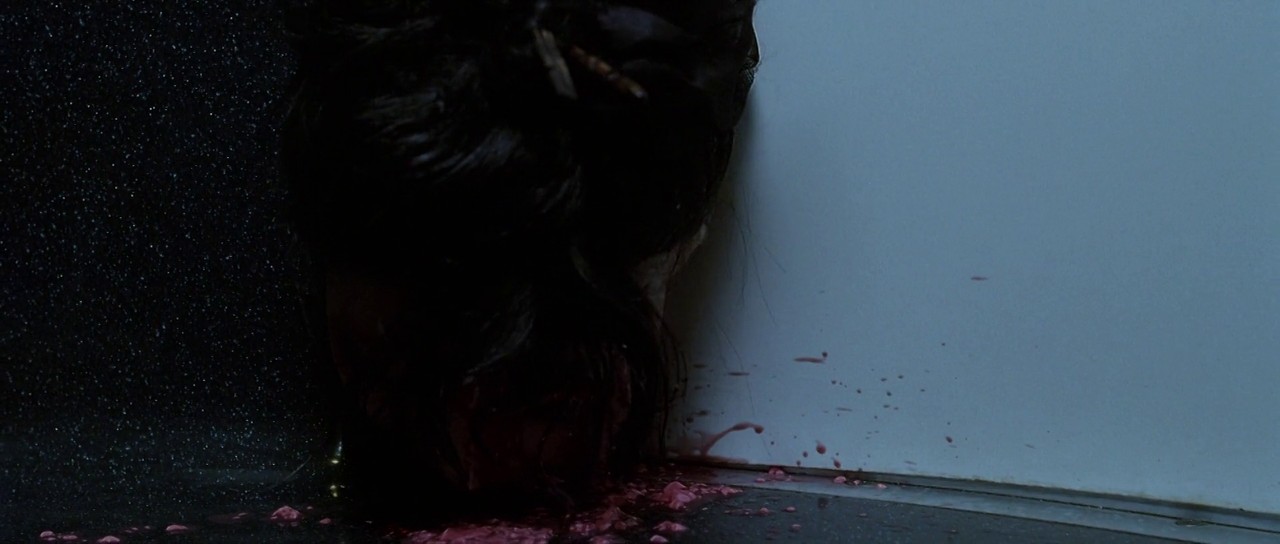
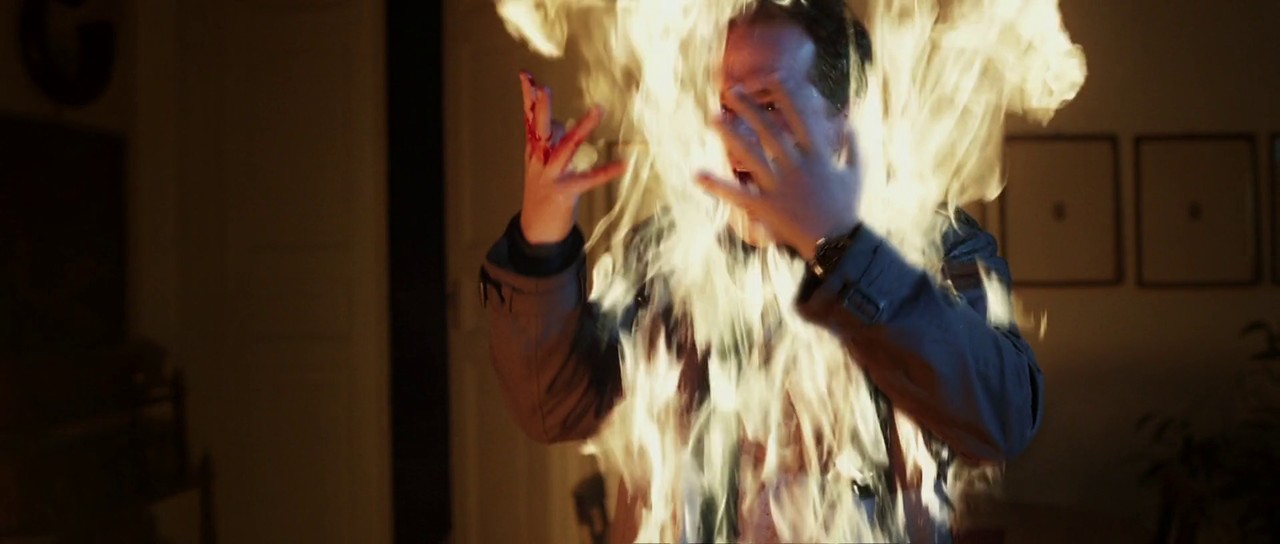
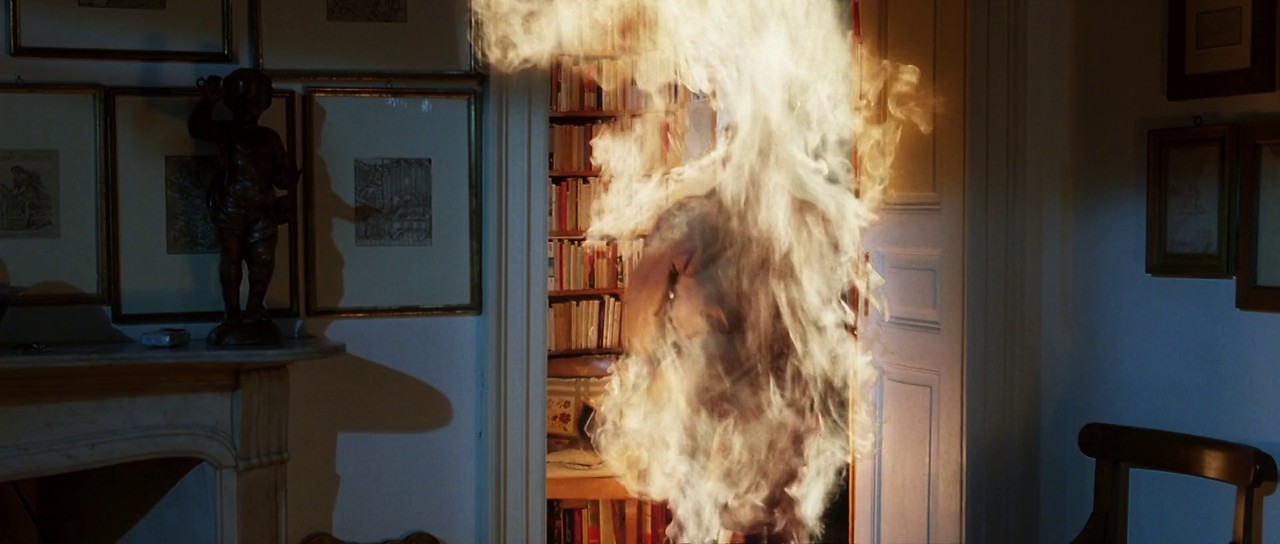
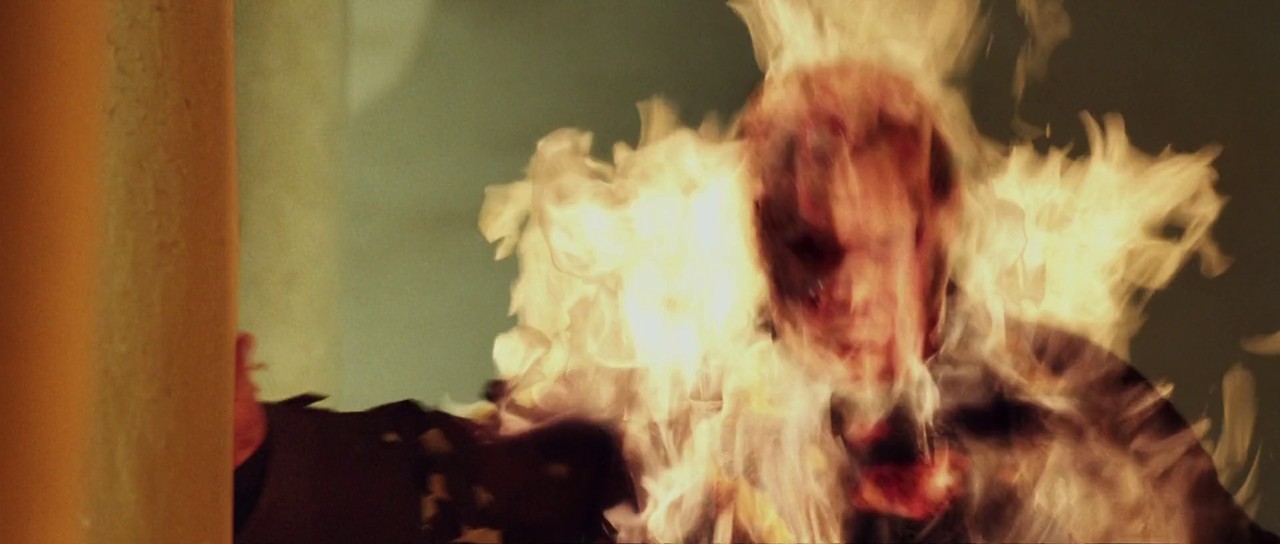
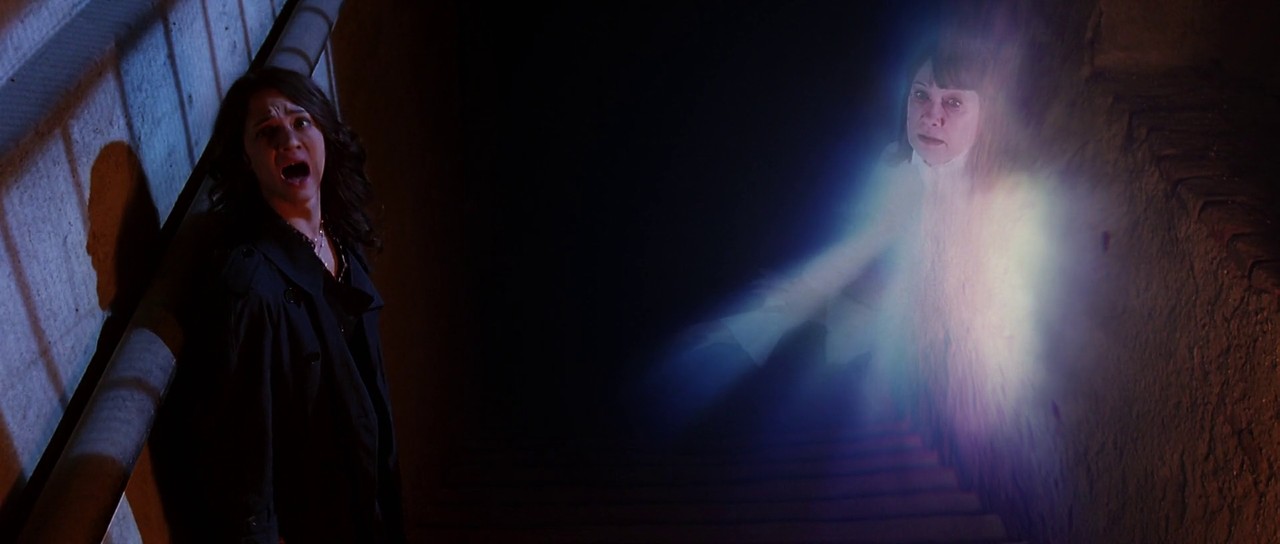
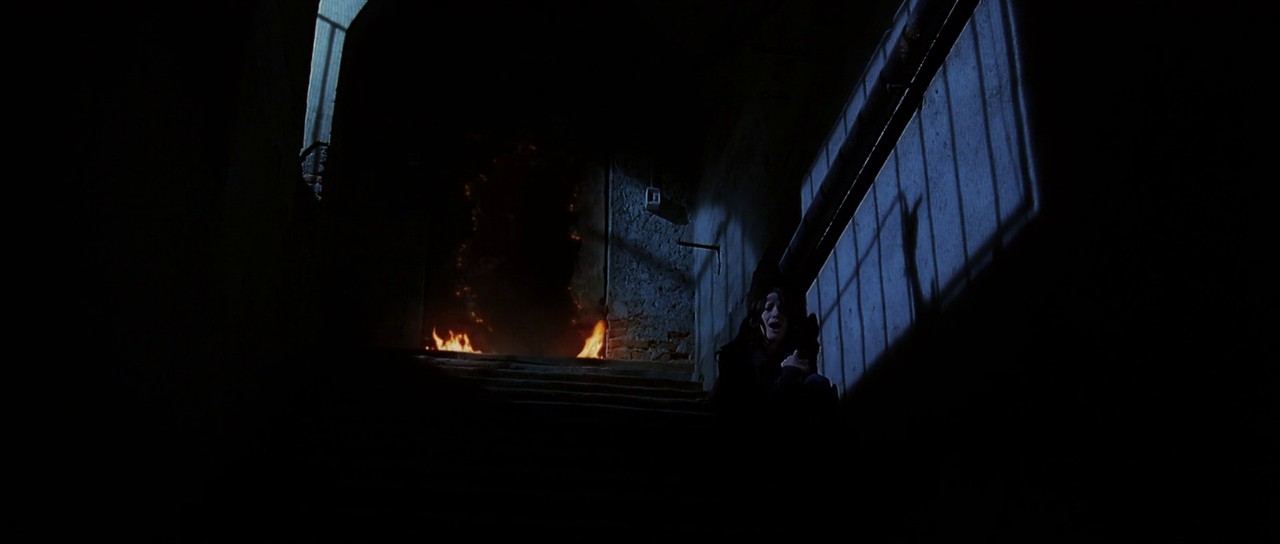
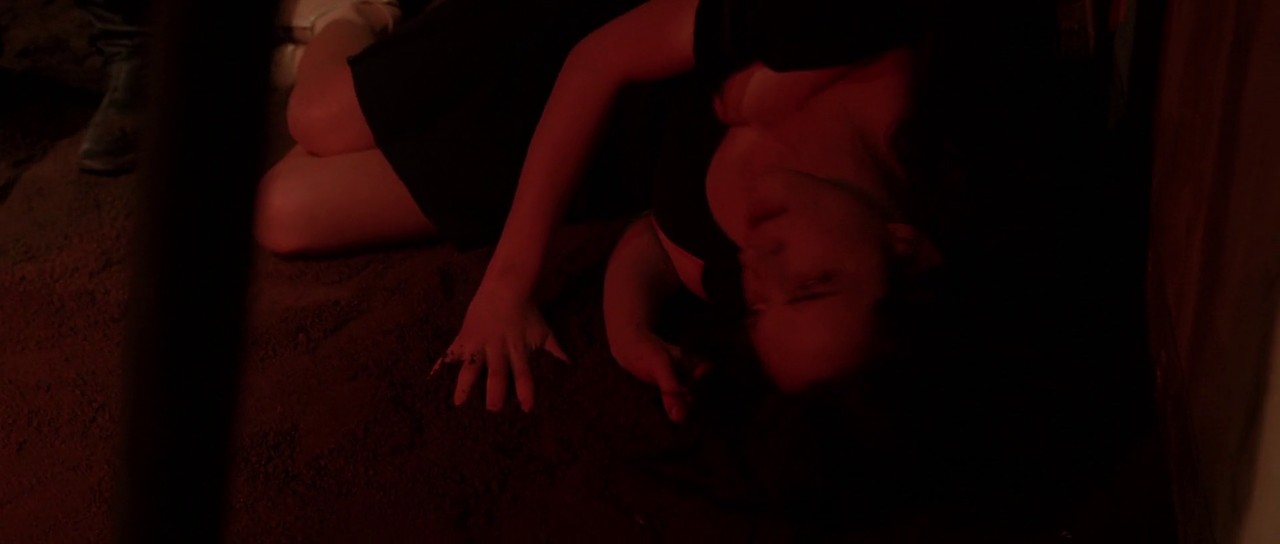
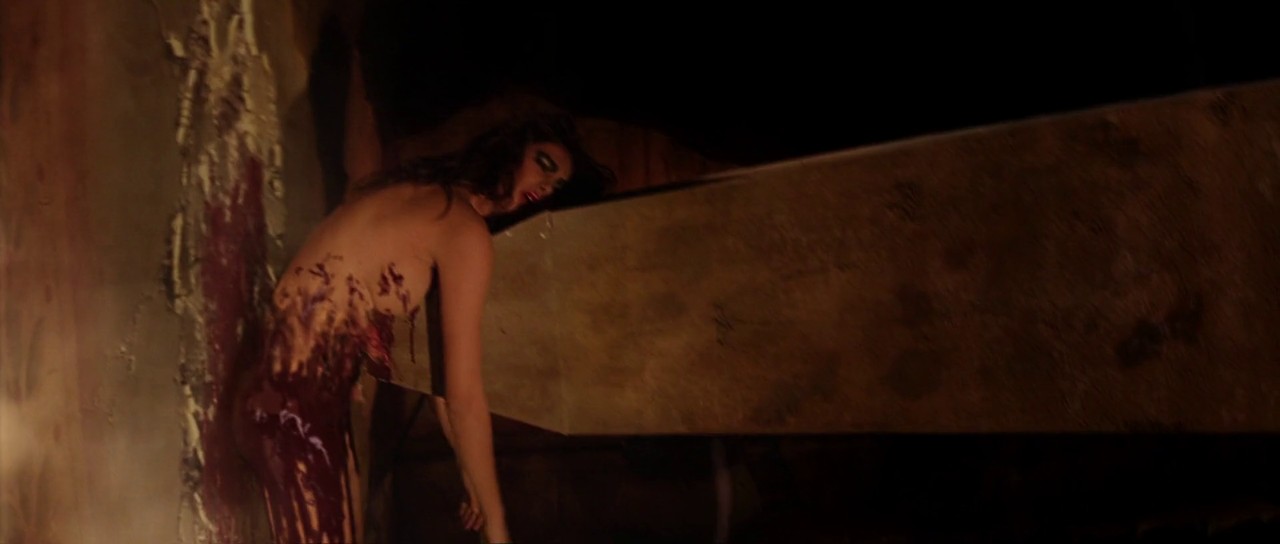
The broader design question is how the recognisable body becomes excessive. Makeup, performance, prosthetics, photography and digital work can all contribute, but they do not do interchangeable jobs. The six sequence studies follow these changes through injury, apparition and collapse. The screen-credit record distinguishes workshop, digital and action roles without guessing the authorship of individual effects shots.
06 / SIMONETTI & A DIFFERENT MUSICAL SCALE
Orchestra, choir and the return of rock
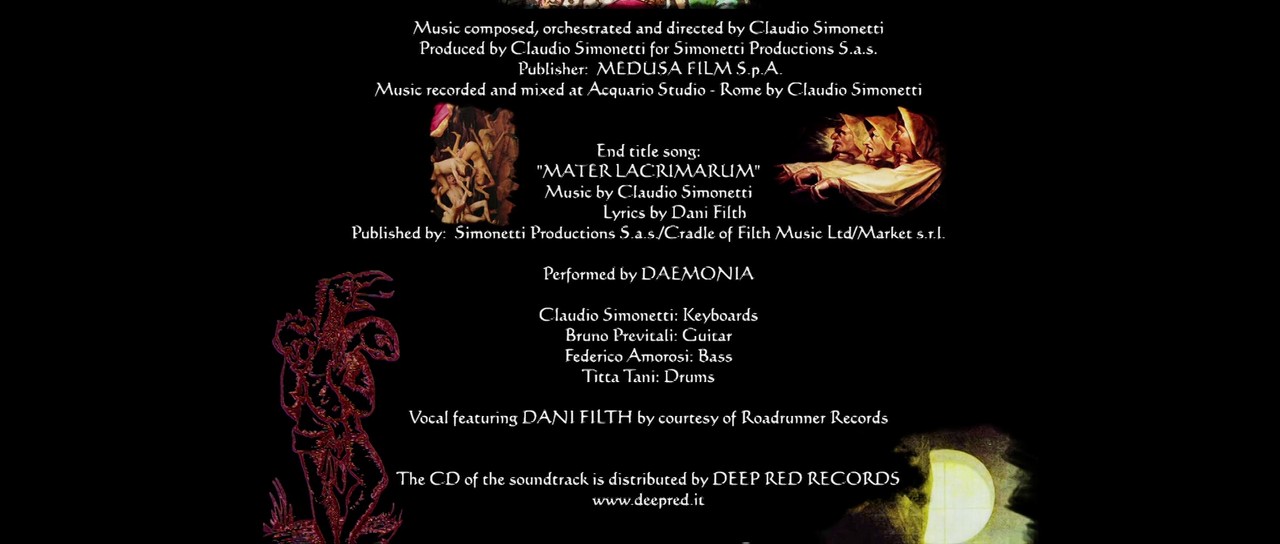
Simonetti’s June 2007 interview with Giovanni Aloisio describes a deliberate orchestral approach, agreed with Argento. He names Rome’s D.I.M.I. orchestra and an eighteen-member Nova Lirica choir, with limited electronic additions. He also rejects deliberate recalls of Goblin’s or Keith Emerson’s earlier trilogy scores. The composer describes his approach in the interview. Forces and musical approach ↗
He reports forty-nine scene cues and distinguishes them from the repeated-piece approach he associates with Suspiria. He identifies the end-title song as a separate collaboration with Daemonia and Dani Filth, who supplied vocals and lyrics. The rock element therefore belongs in the account alongside the orchestra, rather than disappearing under a description of the score as exclusively classical. Cue structure and end titles ↗
These distinctions suggest a productive way to compare the trilogy. A recurring piece can give separate spaces a common identity; changing scene cues can respond more locally to an action. Neither method is automatically more coherent. The question is what kind of continuity a particular musical design makes available.
The return to rock for an ending song also changes the unit being considered. Music within dramatic scenes and music accompanying credits have different relations to narrative time. Comparing them requires attention to where the film stops depicting events and begins presenting its own conclusion to the audience.
Cue sheets and recording credits can then be checked against what is heard. The composer’s cue count supplies production evidence; it does not create a requirement for forty-nine separate listening exercises.
07 / RECEPTION & THE PROBLEM OF A RETURN
What does “back to form” actually ask for?
Cinematografo reproduces opposing release-period responses. Paolo Mereghetti’s 2 November 2007 notice objects to disconnected accumulation; Dario Zonta’s notice of the same date welcomes aspects of the return while acknowledging performance weaknesses. Reproduced critical excerpts ↗
The disagreement sharpens the city question. One reader may find an expanding pattern of disorder where another finds incidents that fail to build upon one another. Both judgments concern organisation, not just the quantity of violence. A later transition study should test their specific claims against the same presentation.
The Catholic commission’s own assessment is markedly hostile, treating spectacular violence as compensation for weak narrative construction. FLC’s retrospective programme instead embraces the film’s grotesque, apocalyptic character. These are identifiable institutional positions with different purposes; neither is a substitute for a representative audience history. Institutional assessment ↗ Retrospective framing ↗
Argento’s account of creative freedom adds a third perspective. In Filmmaker, he says the financiers permitted the graphic approach he wanted. That is evidence of his understanding of the working conditions. It neither guarantees the result’s success nor excuses a critic from describing what fails. Financing and graphic freedom ↗
A useful reading can hold intention, execution and expectation apart. The trilogy gives the film an inherited audience, while the altered scale and collaborators give it a new production identity. Calling it a return becomes informative only when we specify the quality sought: colour, mystery, musical recurrence, transgression, performance or a particular experience of space.
08 / RELEASE RECORDS & PRESENTATIONS
A running time is a question, not a cut list
The records distinguish an original release from later exhibition. Cinematografo gives 31 October 2007 for the Italian opening; AFI records New York and Los Angeles openings in June 2008. AFI also warns that this entry lies outside its principal 1893–1993 catalogue. The later year identifies a release context rather than changing the film’s date. Italian release record ↗ US opening details and scope ↗
The presentation used for the illustrated studies runs 1:41:39 including its logos and credits, with a 1920 × 816 picture. This supplies a frame reference for the new images.
The two 102-minute programmes agree, but agreement alone cannot identify every earlier copy. Nor do the 95- and 98-minute figures prove particular deletions. Rounding, catalogue errors, playback speed and actual editing are different possibilities that require different evidence.
As a conditional example, 98 minutes of material played at 25 frames per second would take about 102 minutes at 24. That is arithmetic, not a finding about the AFI or Cinematografo copies. It cannot explain every number in the table without inspecting the relevant presentation.
FLC and Wexner list English, Italian, Japanese and Hungarian with English subtitles. This describes multilingual exhibition, not necessarily a menu of four alternate dubs. The restoration credit likewise identifies an institutional claim; elements, grading decisions and soundtrack changes require technical documentation. Languages and restoration ↗ Exhibition format ↗
The worthwhile return is to identify two copies, record their frame rates and language tracks, and compare credits and a few stable scene landmarks. That will turn a collection of catalogue numbers into a reproducible account of what changes.
 ENLARGE ↗