01 / FRANK SPIVEY & THE PROTECTOR’S STORY
Rescue creates a responsibility, not an explanation
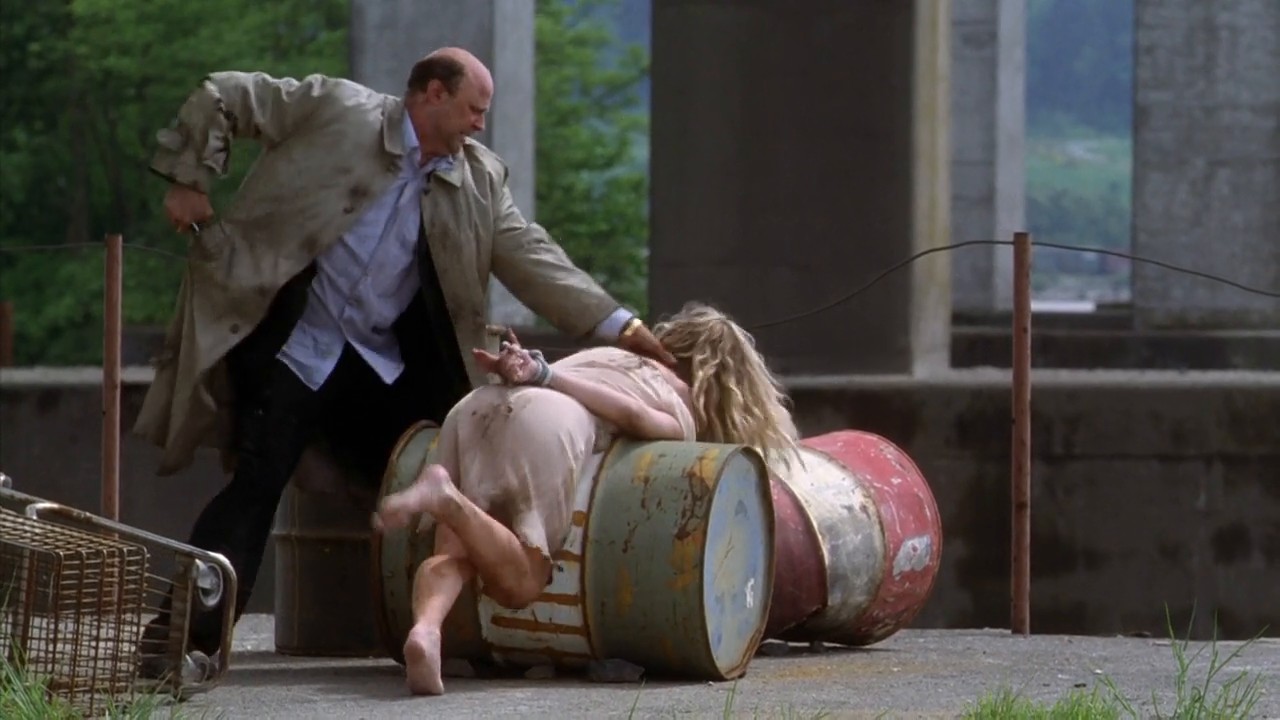
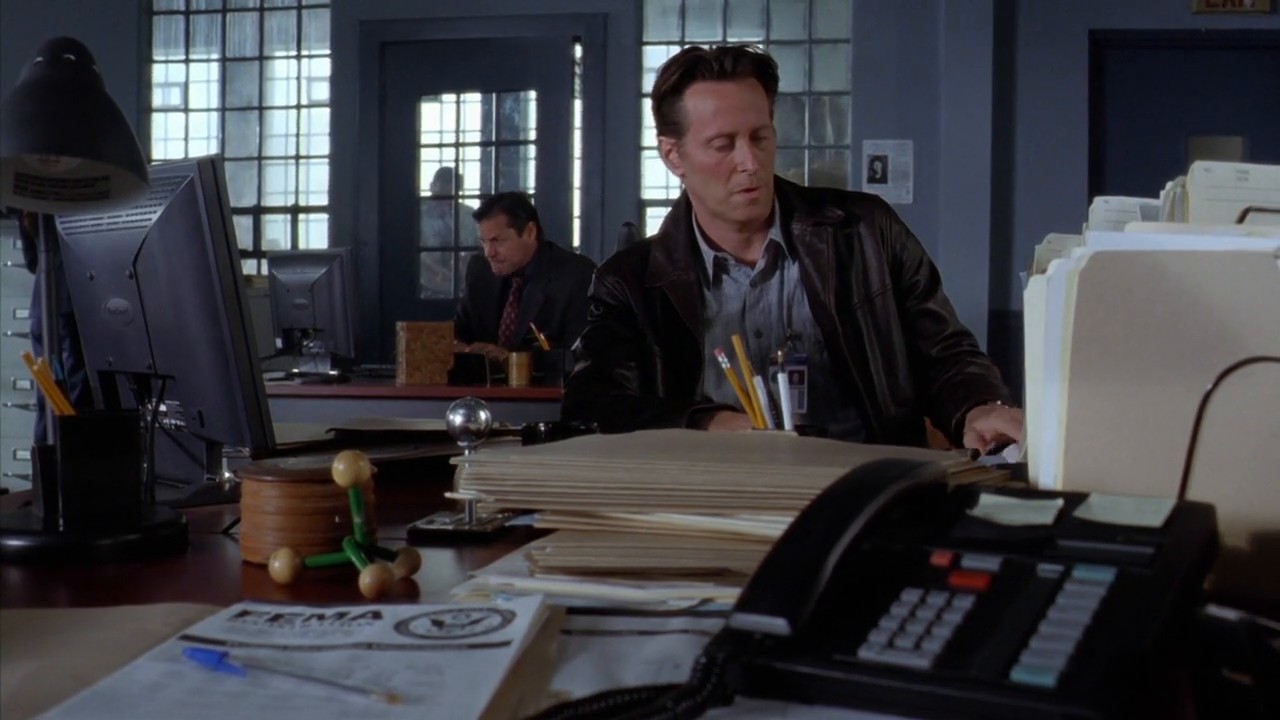
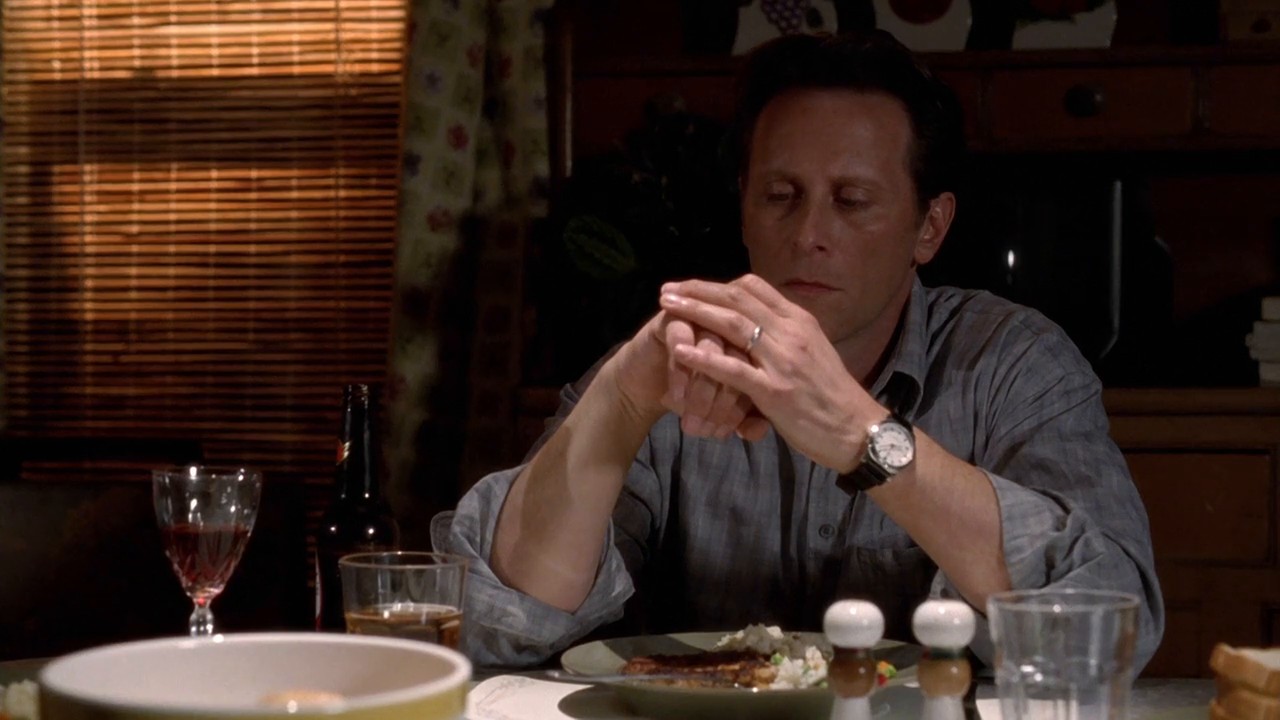
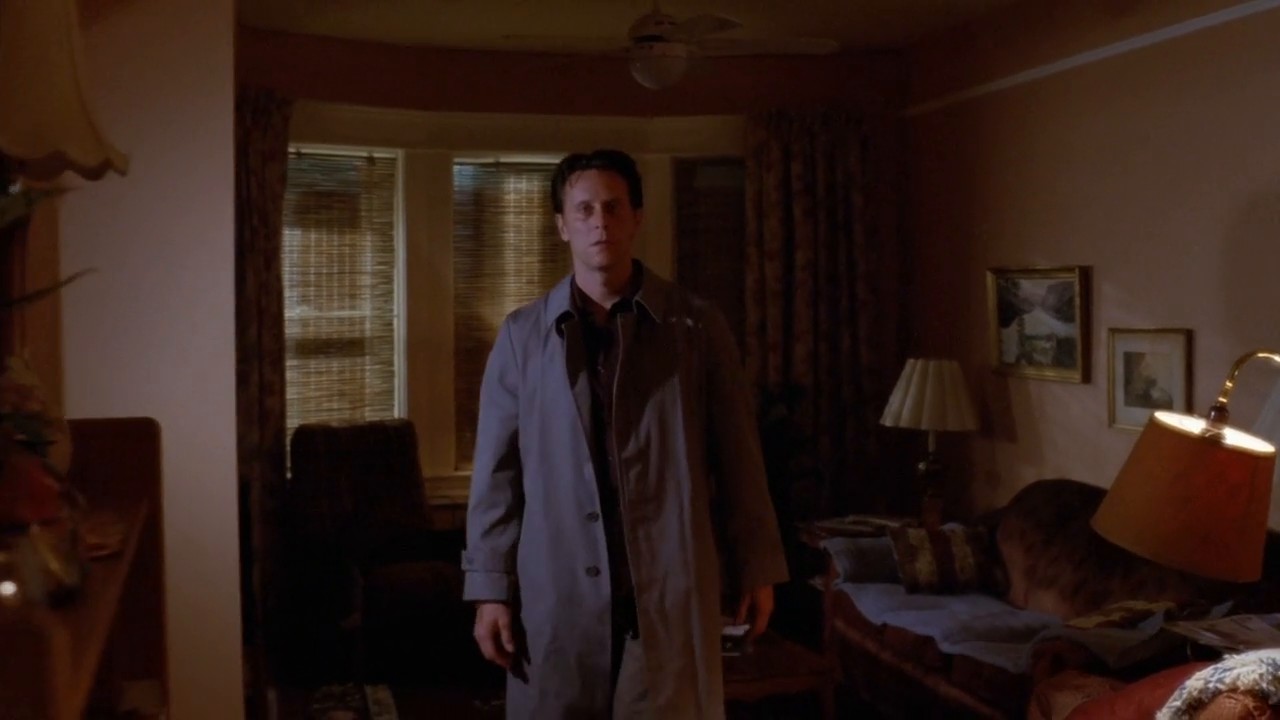
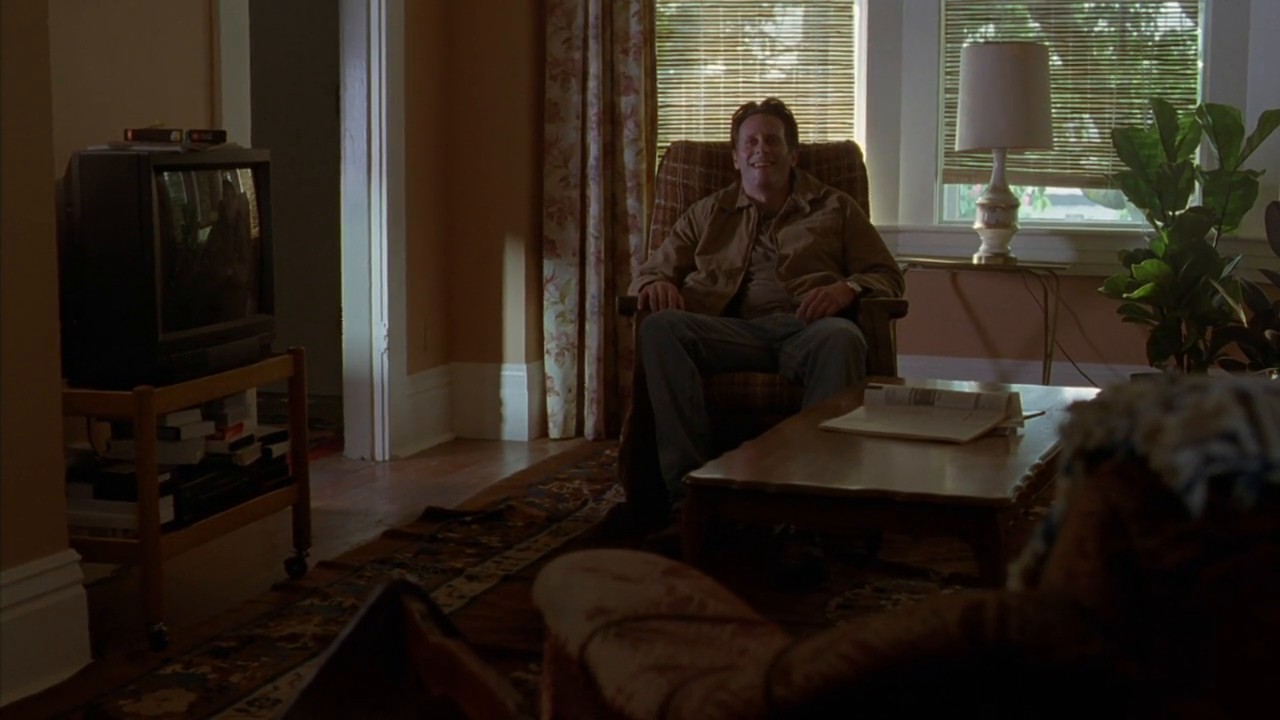
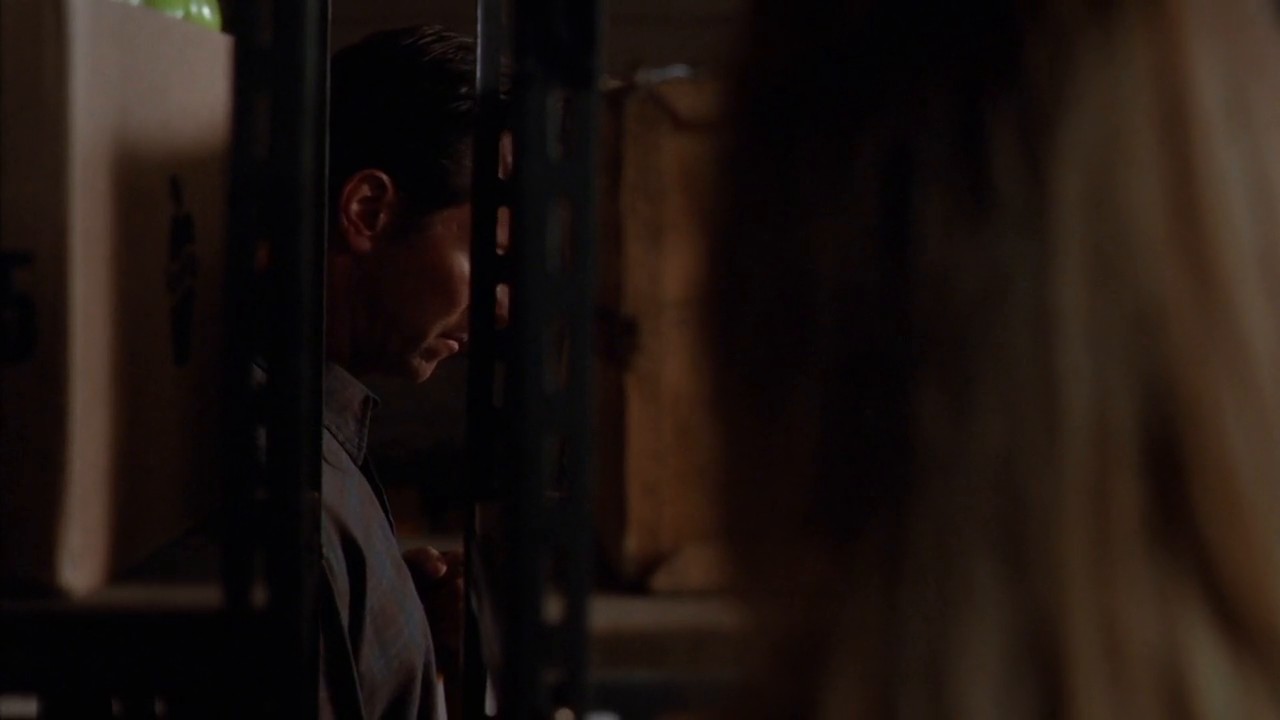
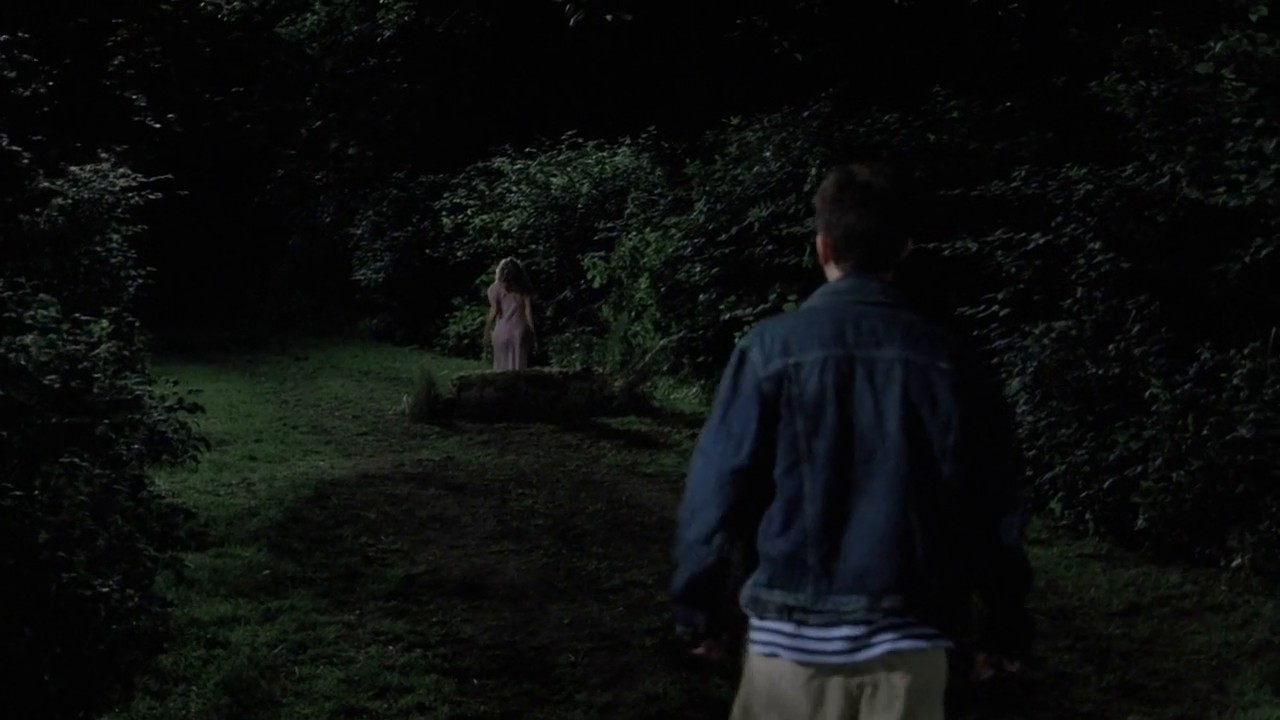
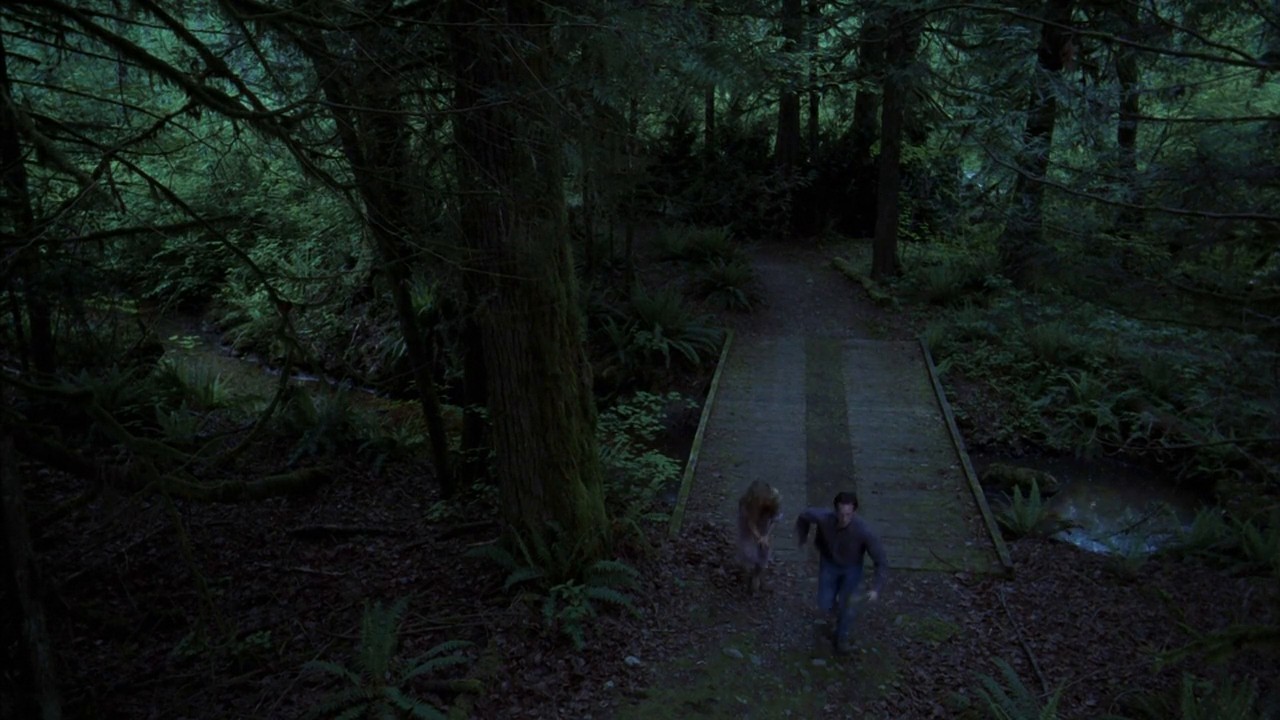
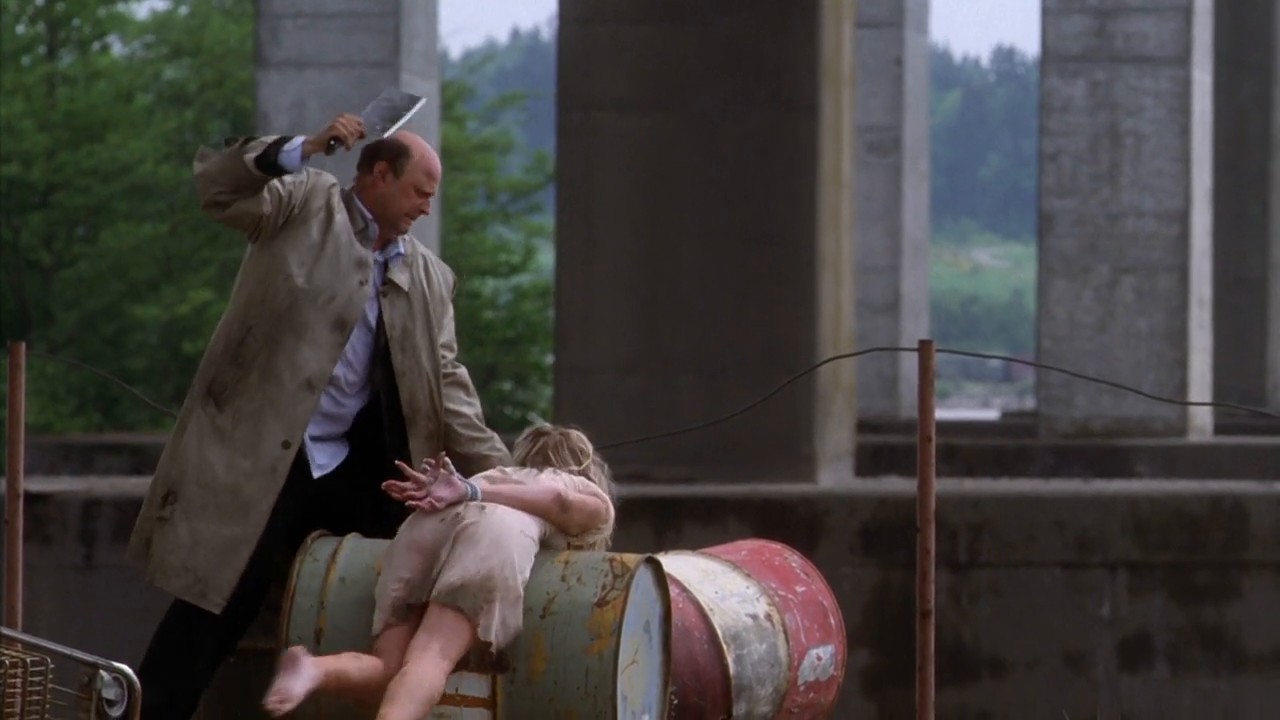
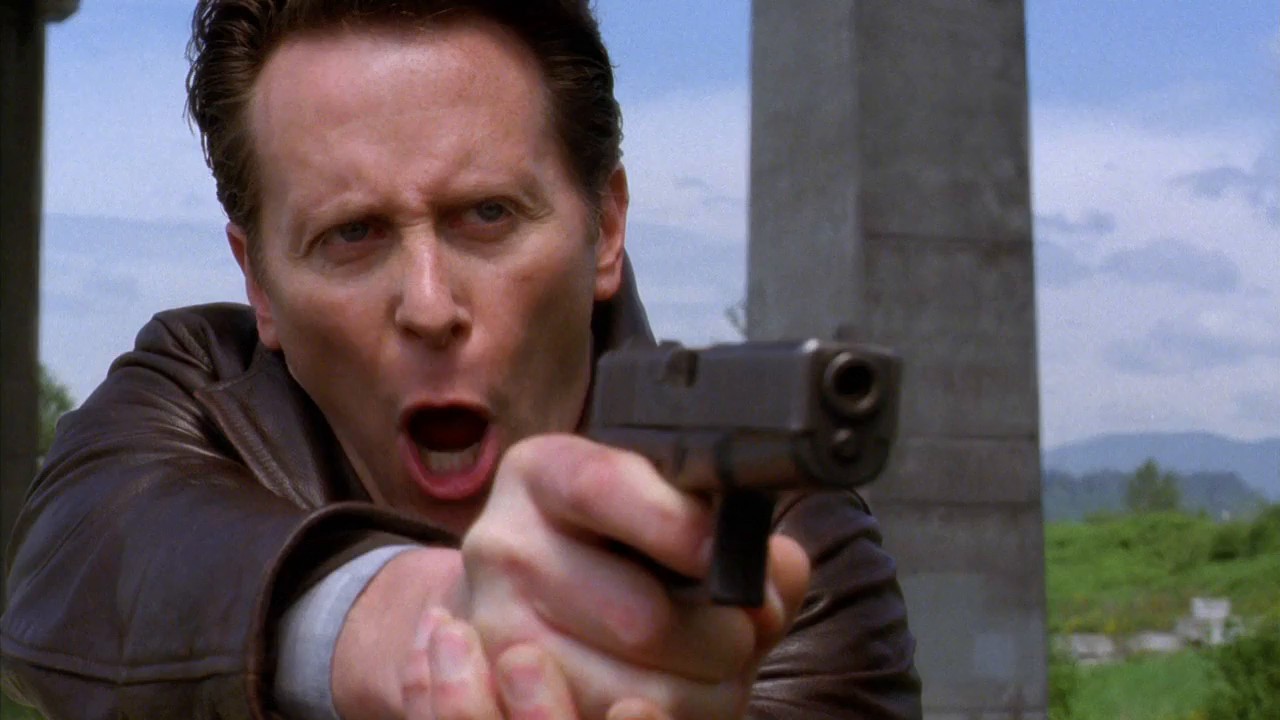
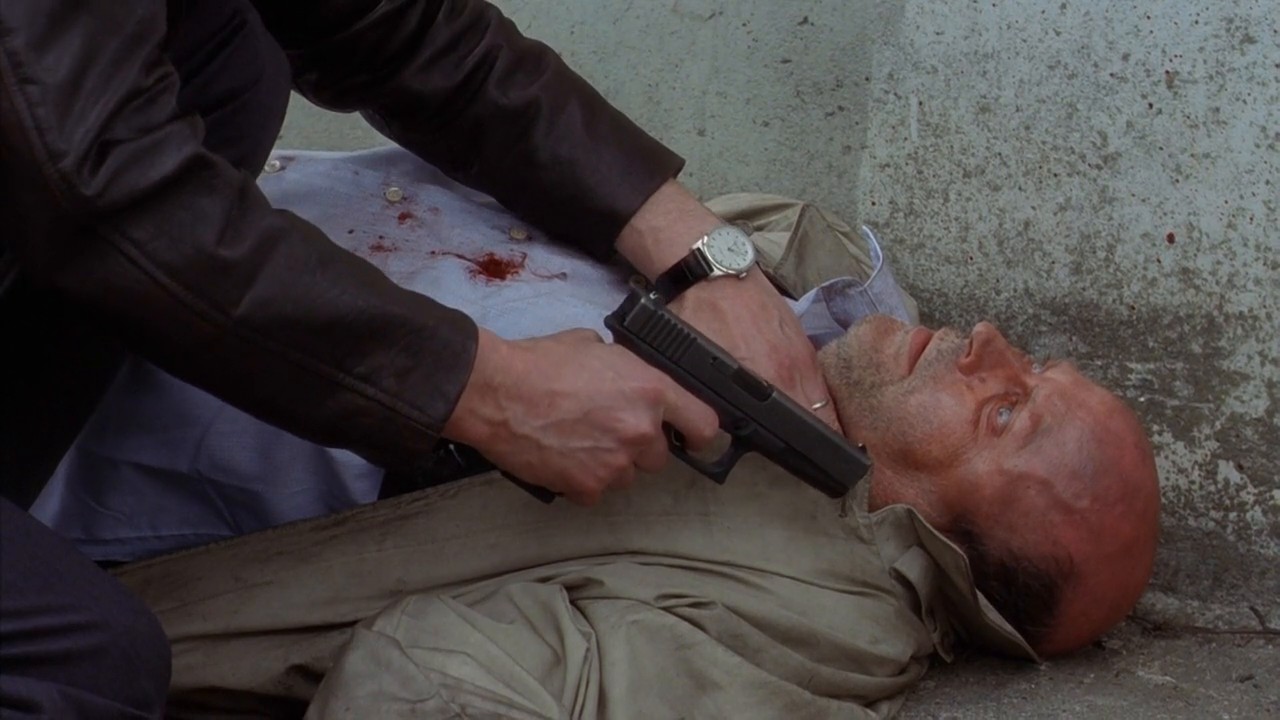
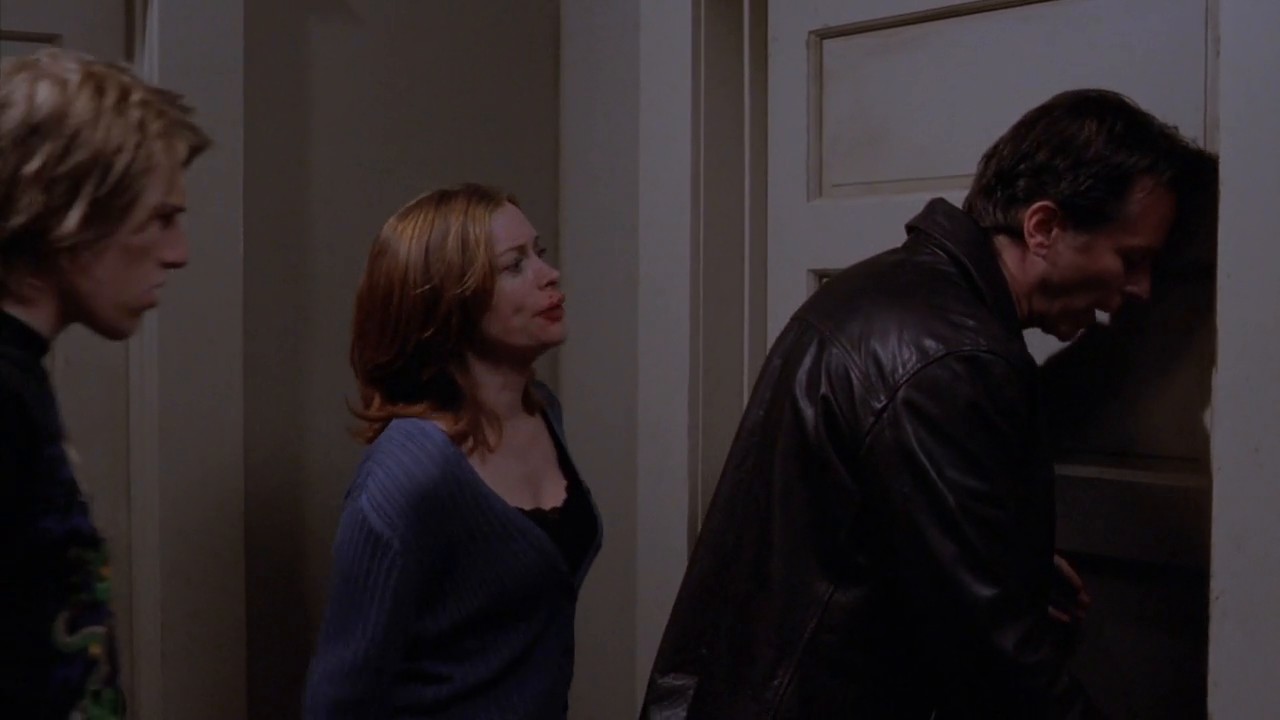
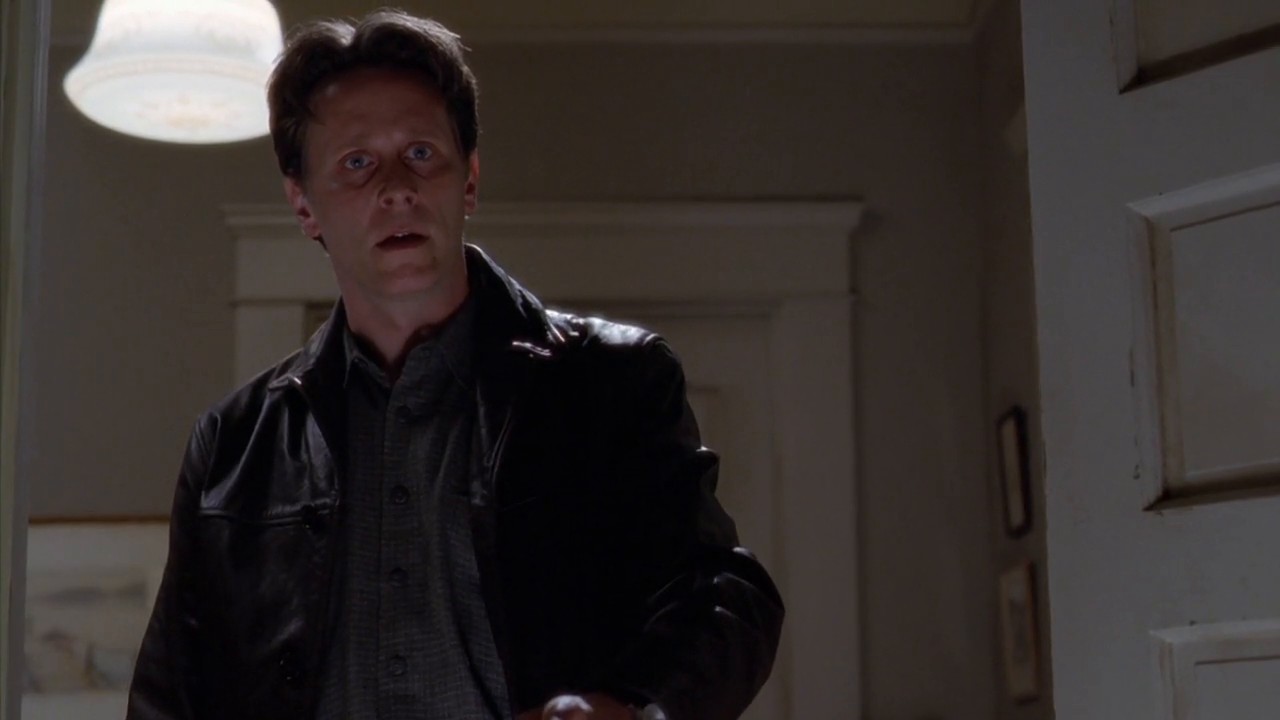
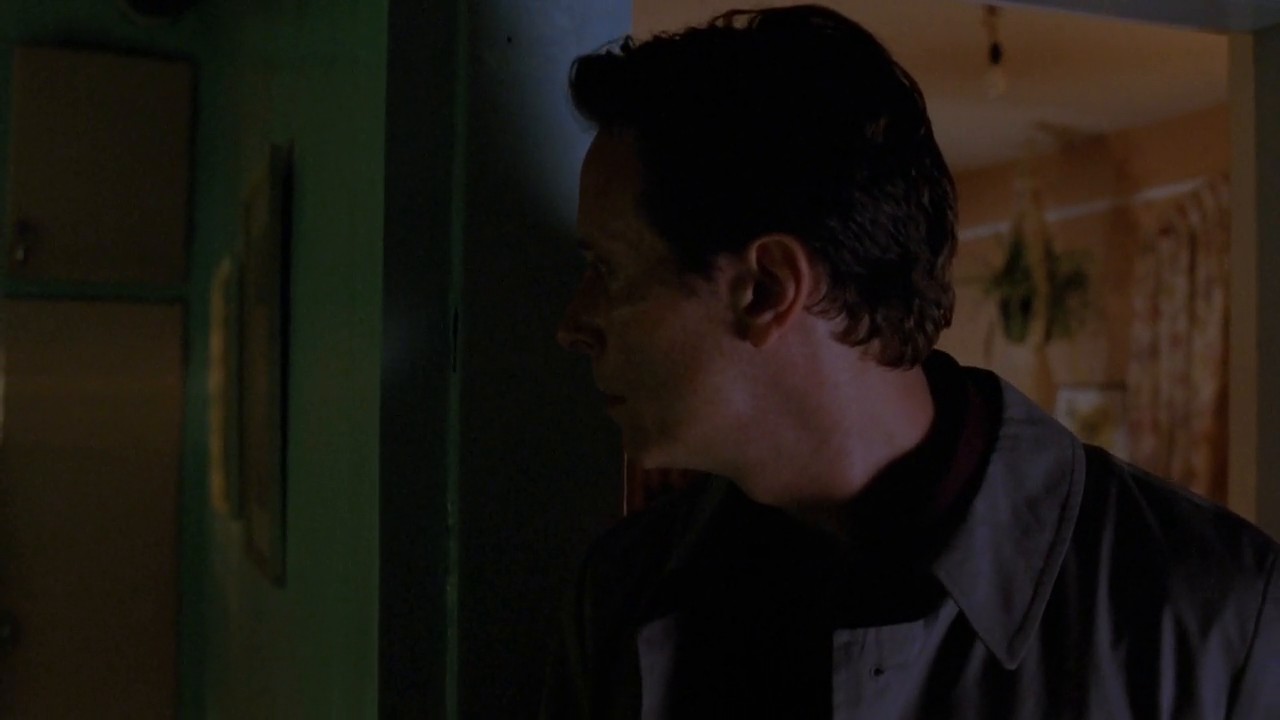
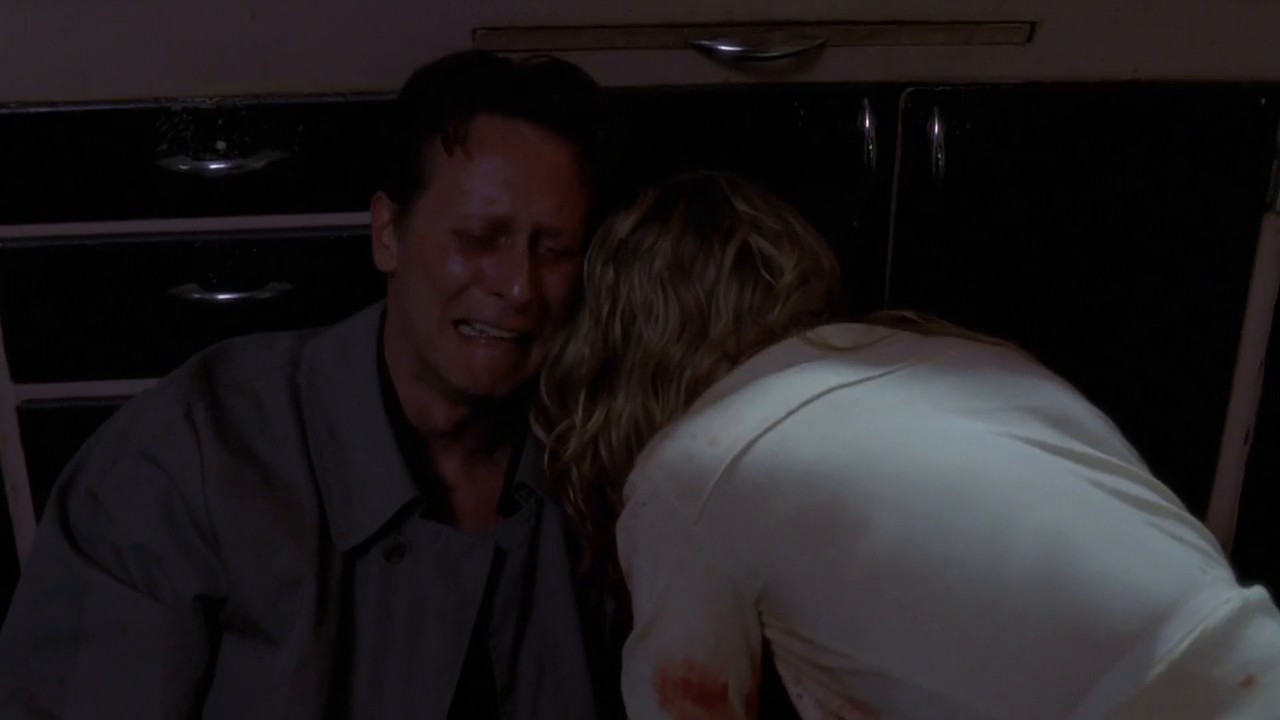
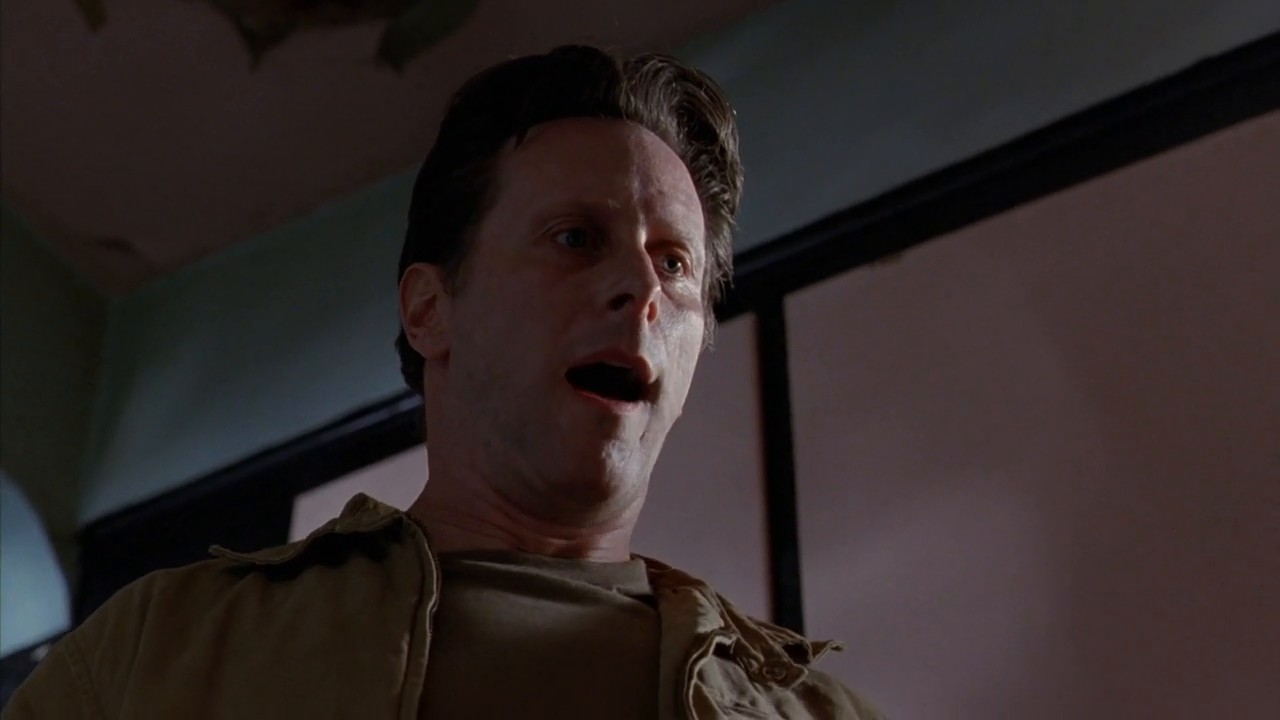
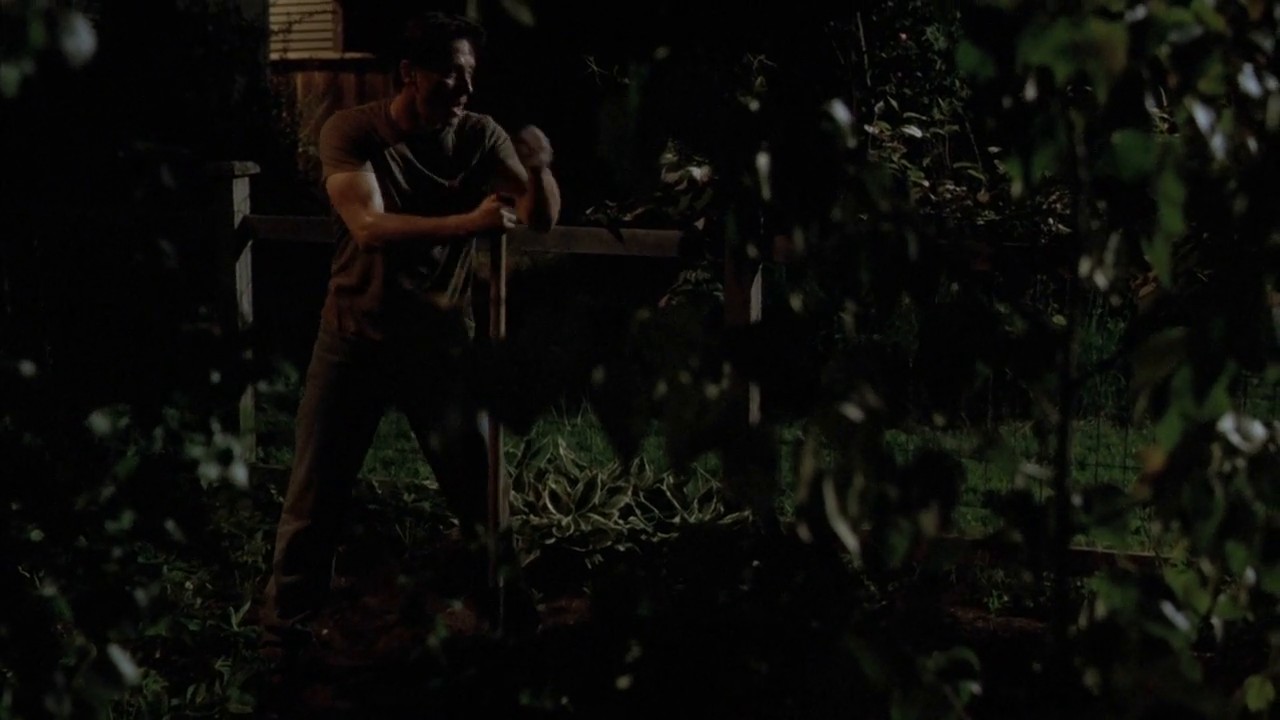
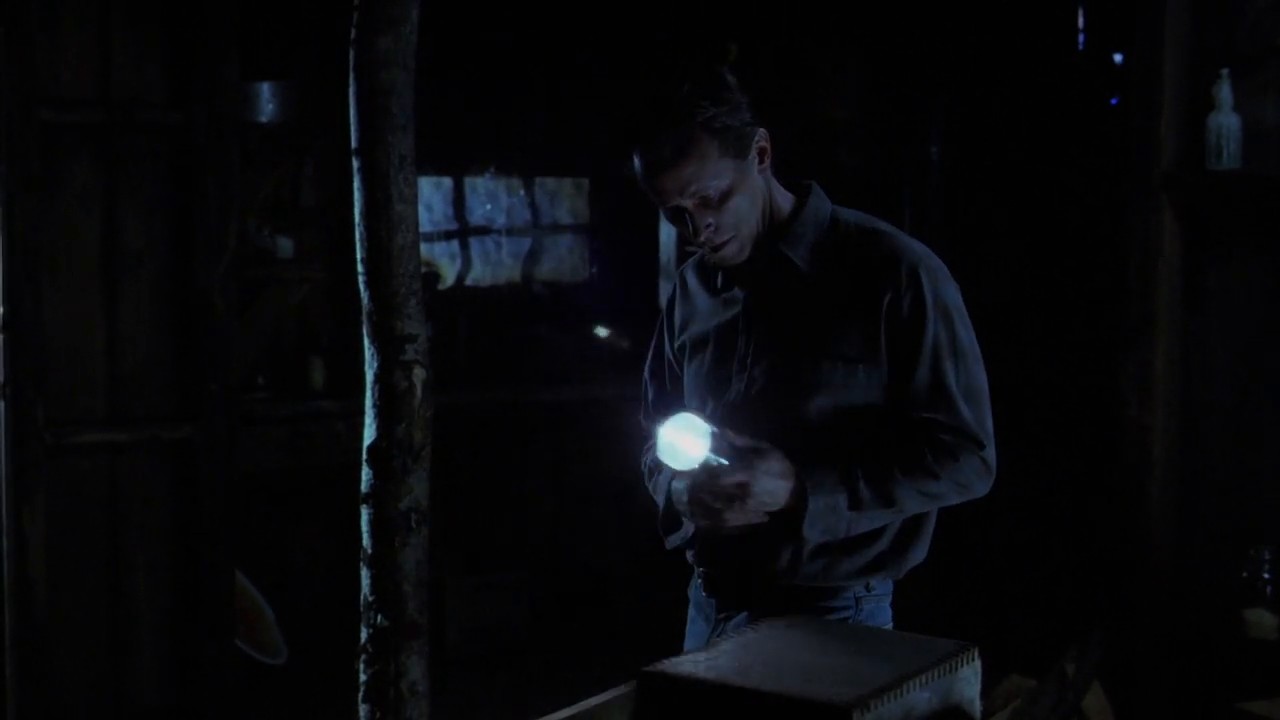
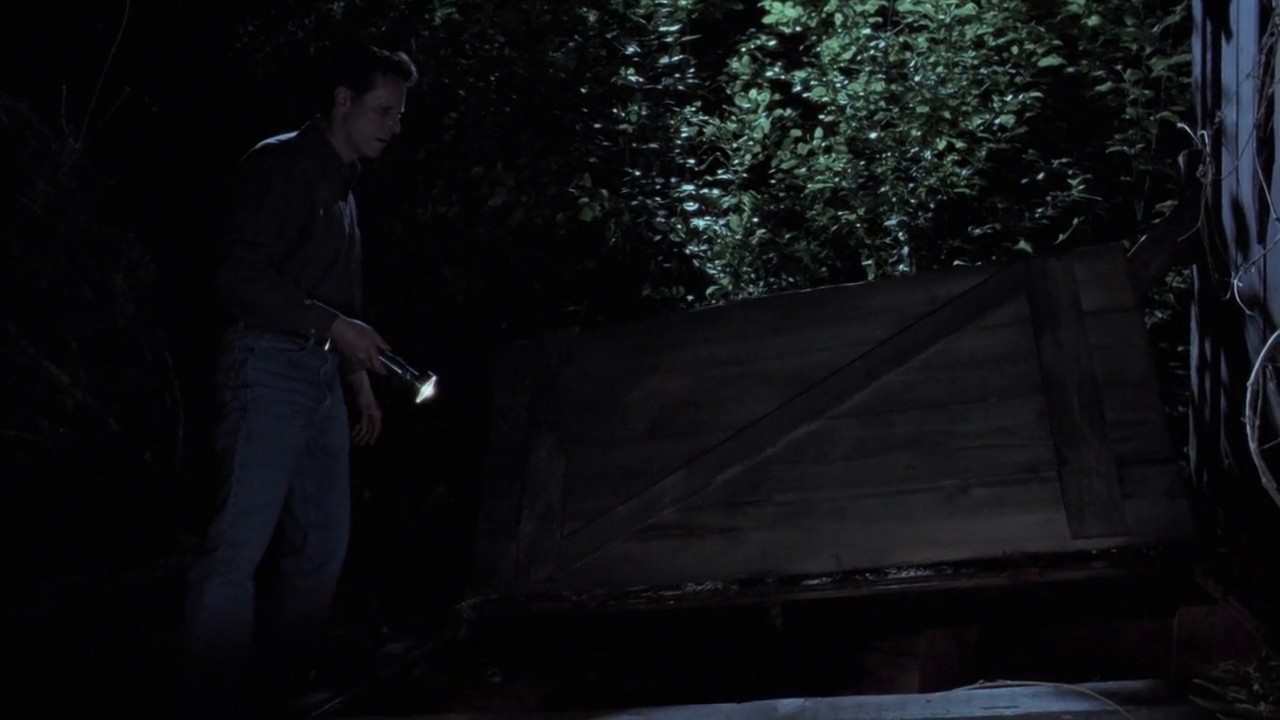
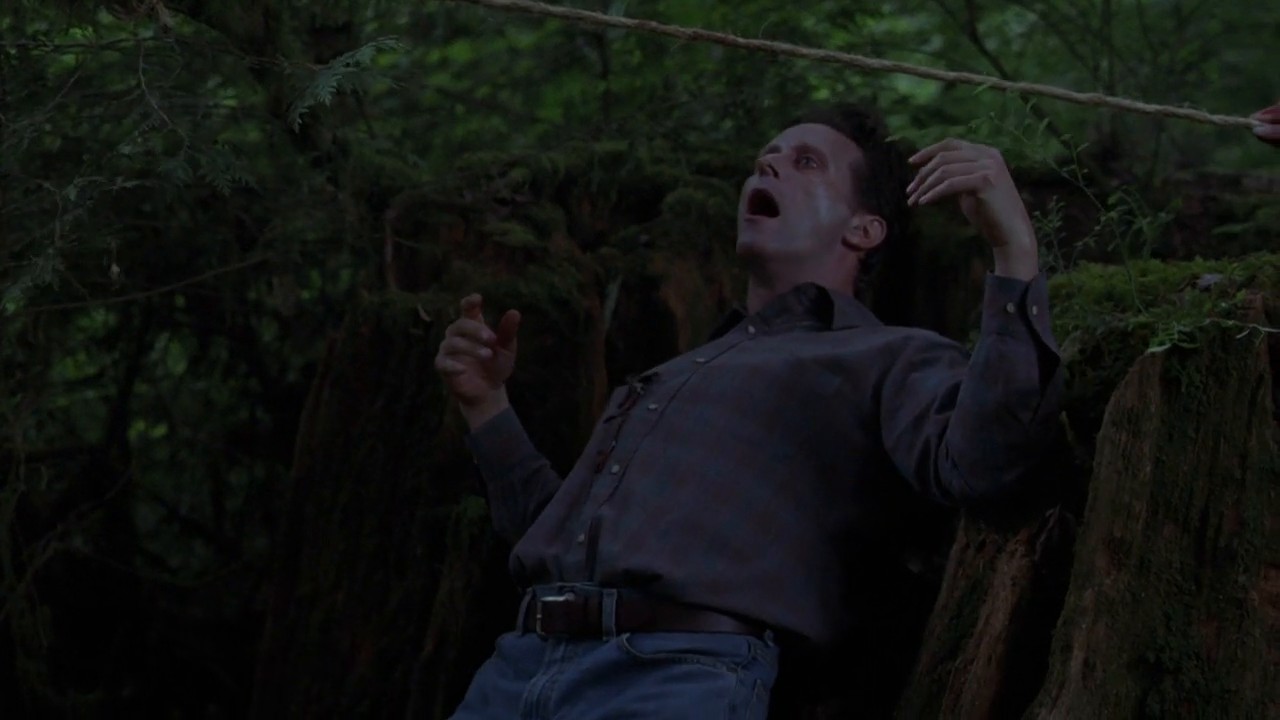
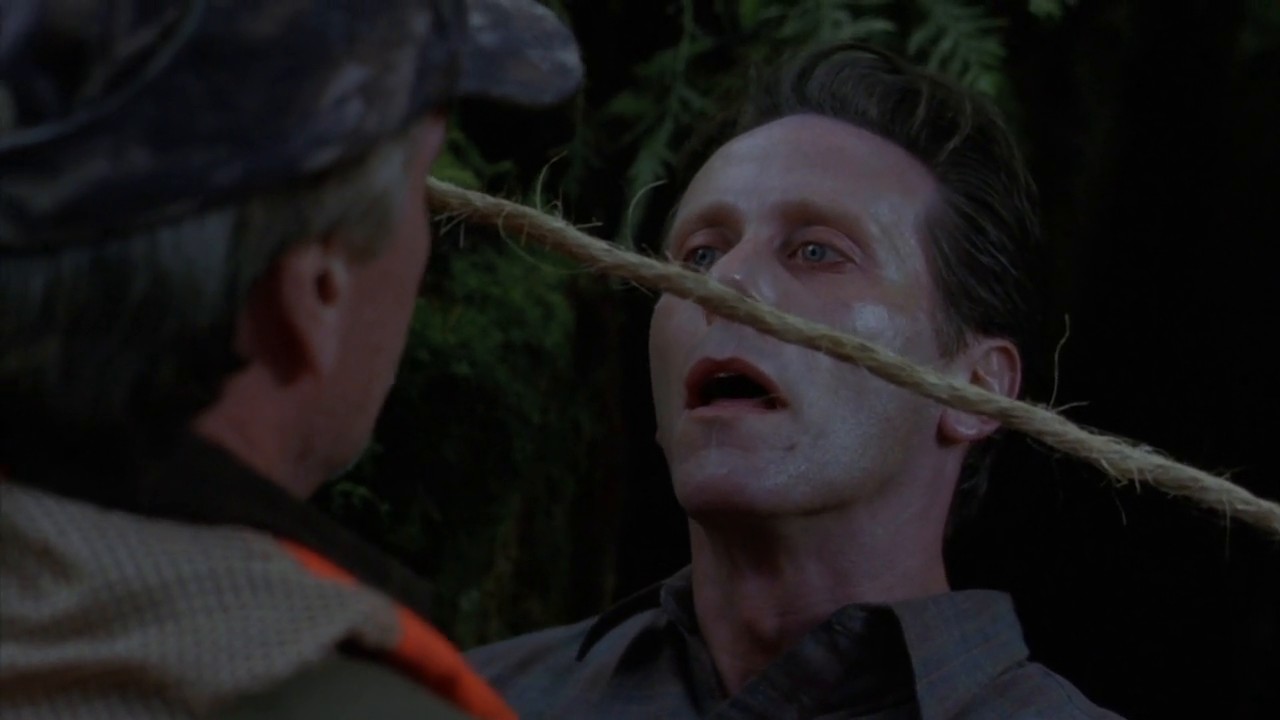
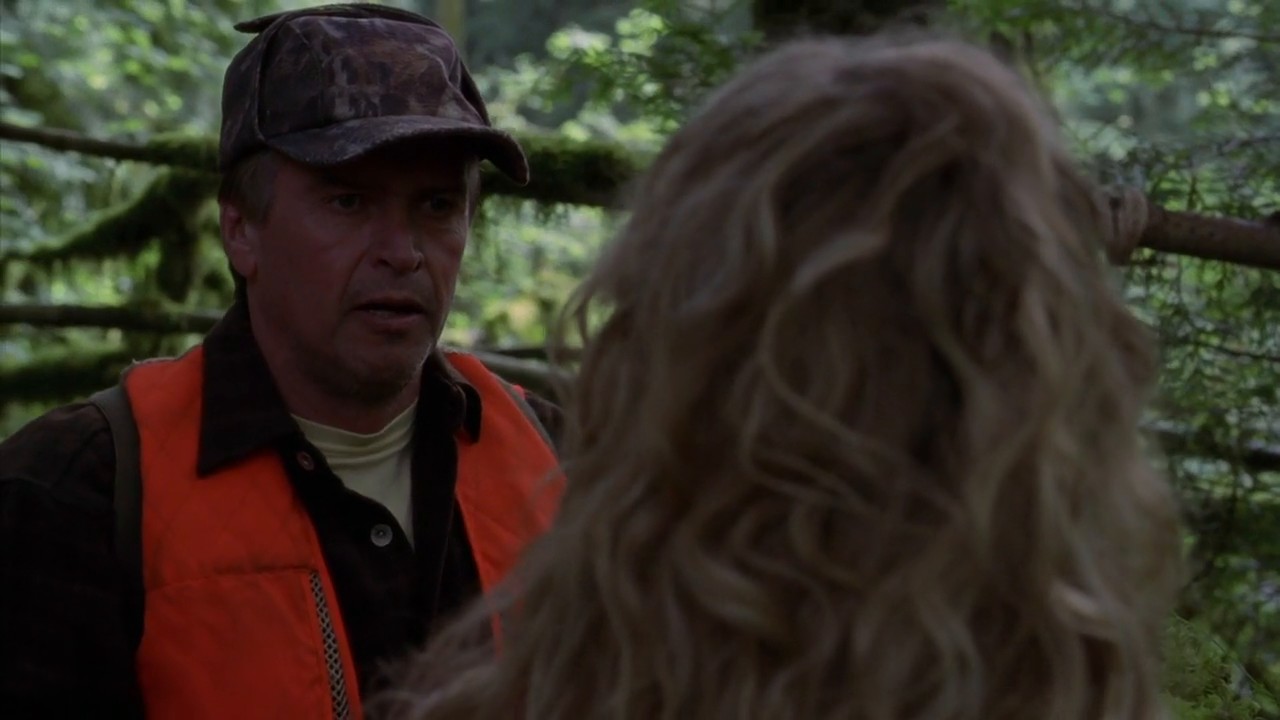
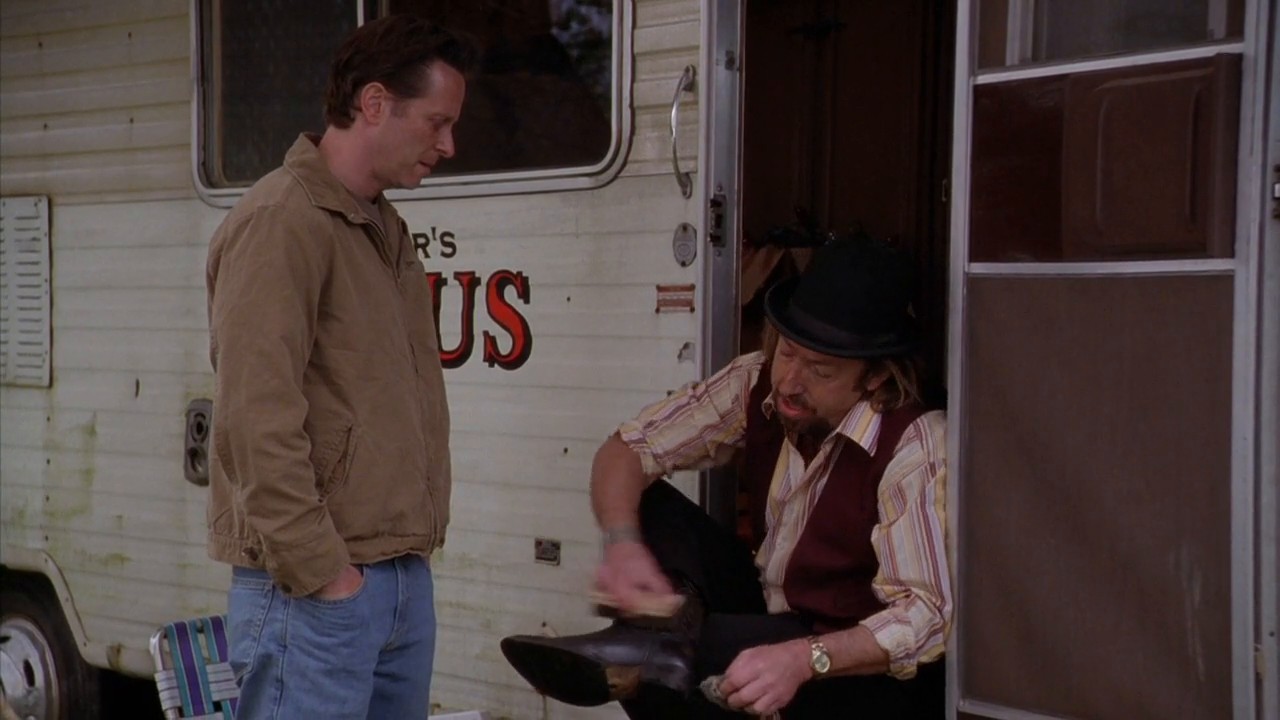
Frank Spivey’s intervention gives Jenifer its troubling point of departure. In the published accounts, the police officer stops an armed man from killing a woman, then takes an increasingly personal interest in her welfare. His rescue is an action he can explain. The relationship that follows is much harder to contain within the language of duty. Viennale’s programme describes the movement from taking her home to attempting to stop her in the woods. Festival account ↗
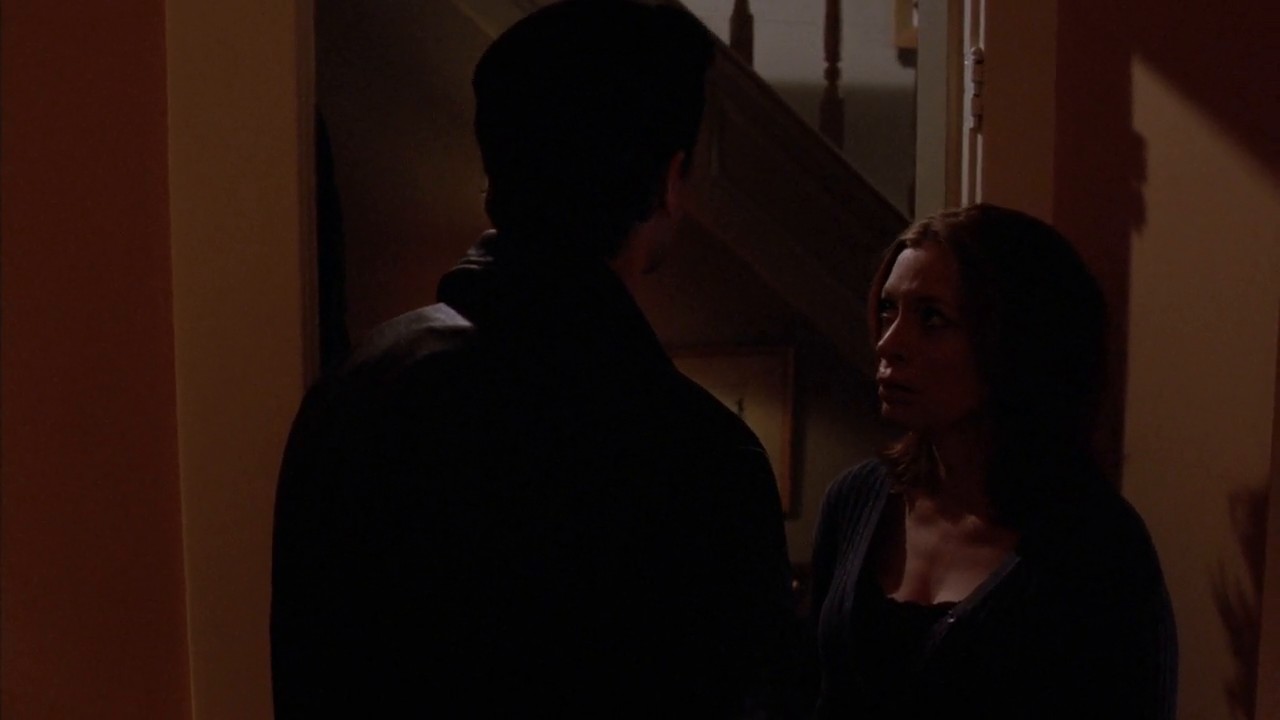
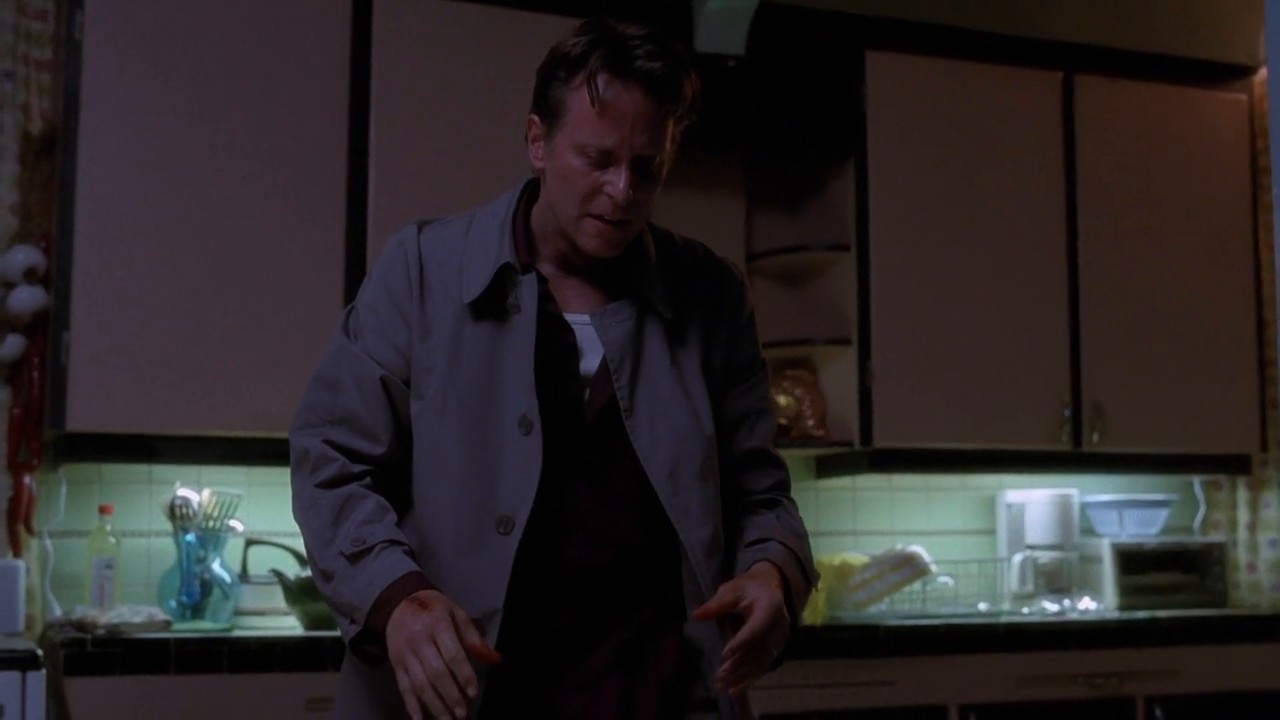
The distinction matters. Helping someone does not establish that you understand them, and being needed does not make every subsequent decision benevolent. Frank’s authority initially supplies a legible arrangement: a threatened person and the man who protects her. Once he takes that arrangement into his private life, protection becomes entangled with attraction and with his need to remain the person who can manage the situation.
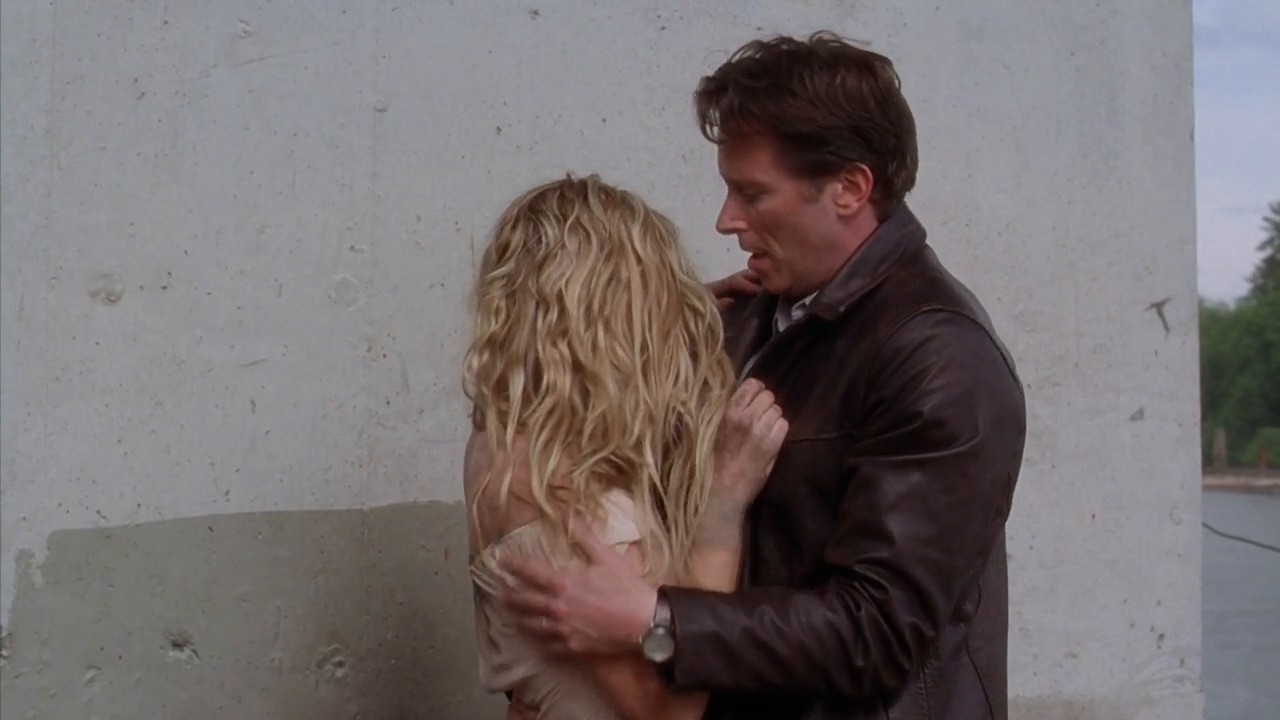
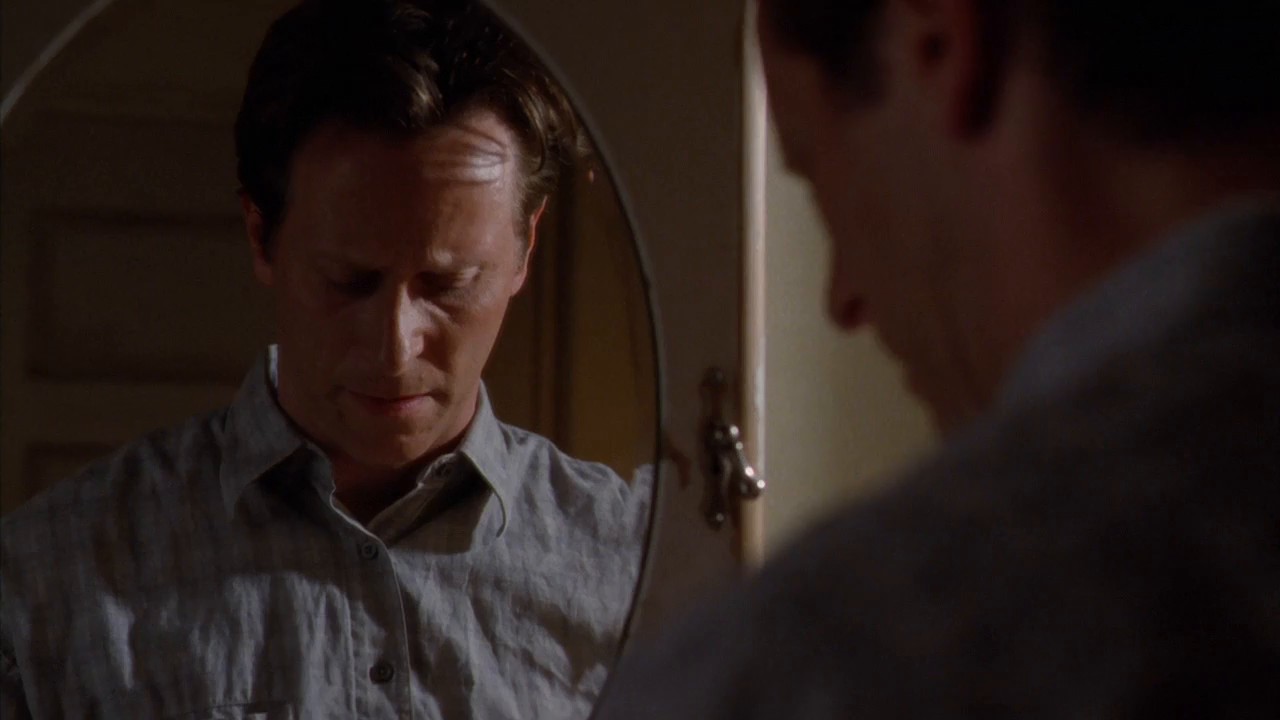
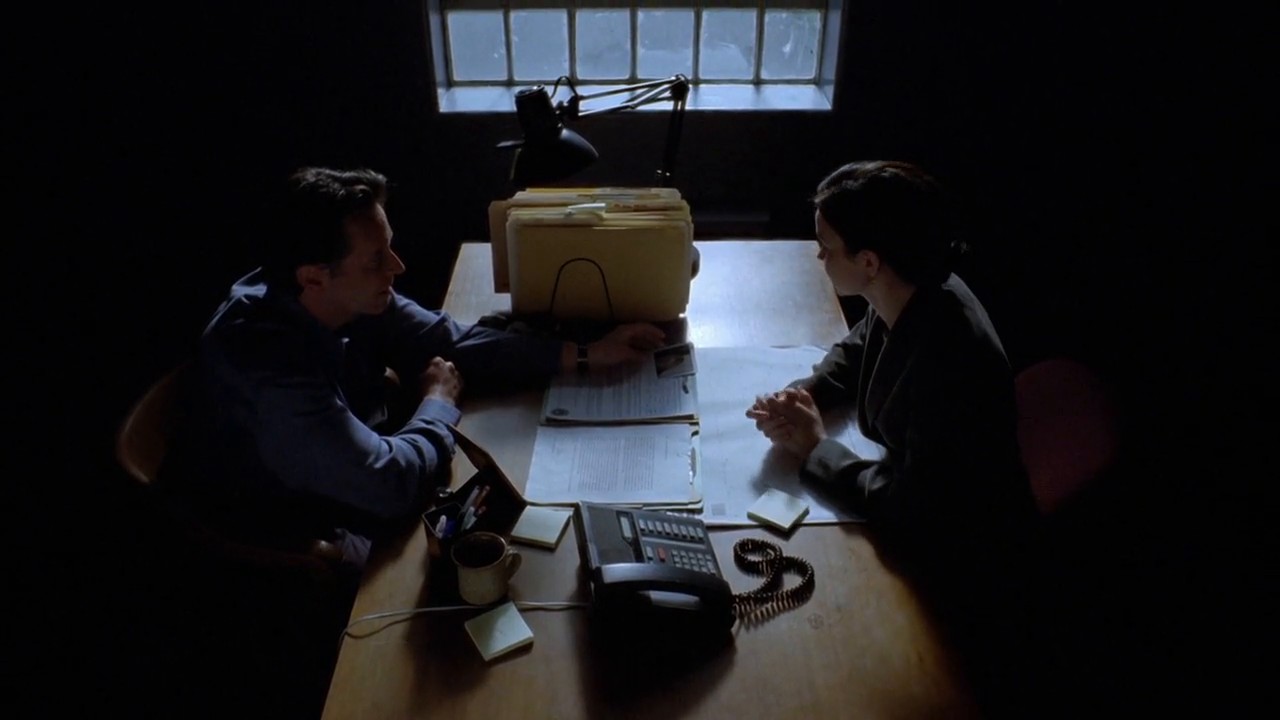
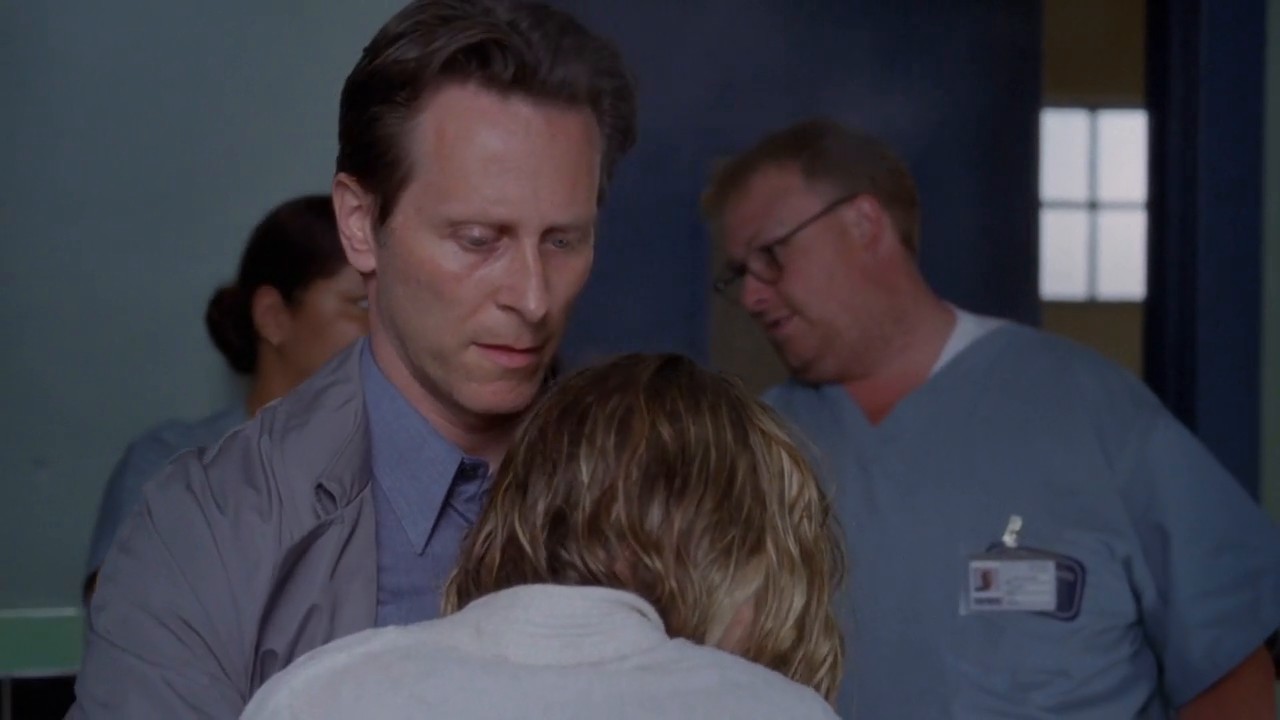
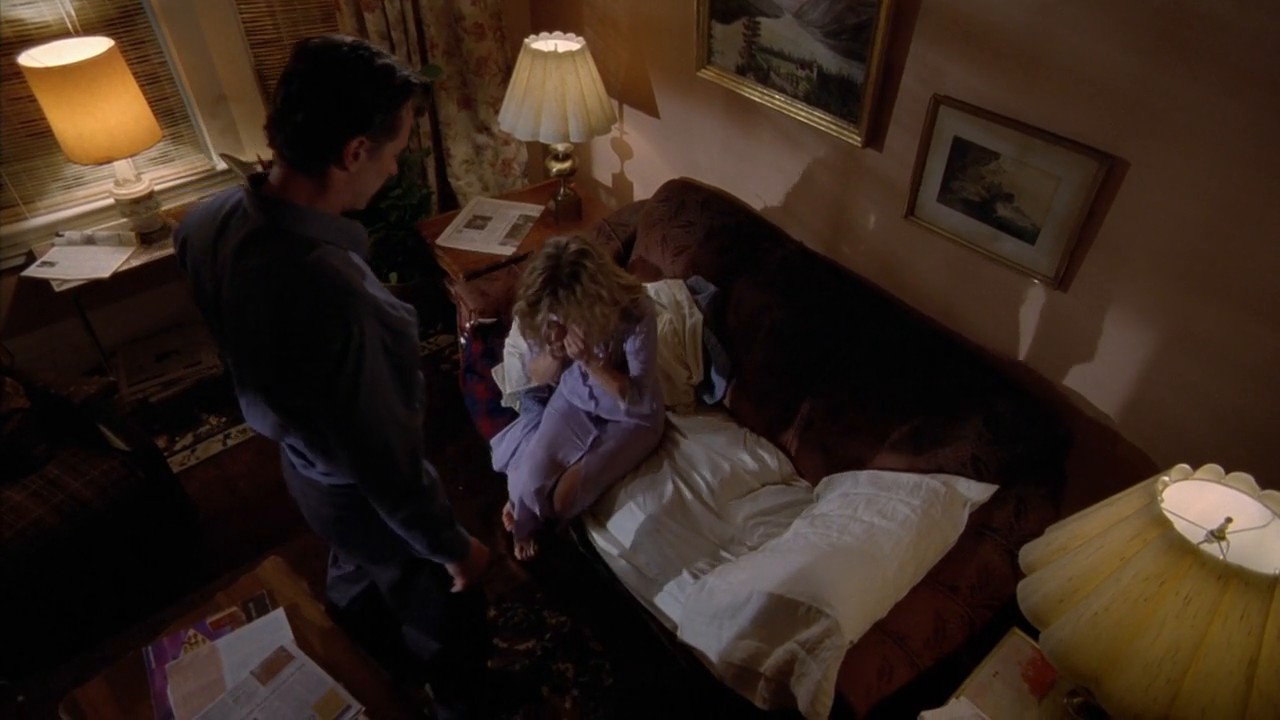
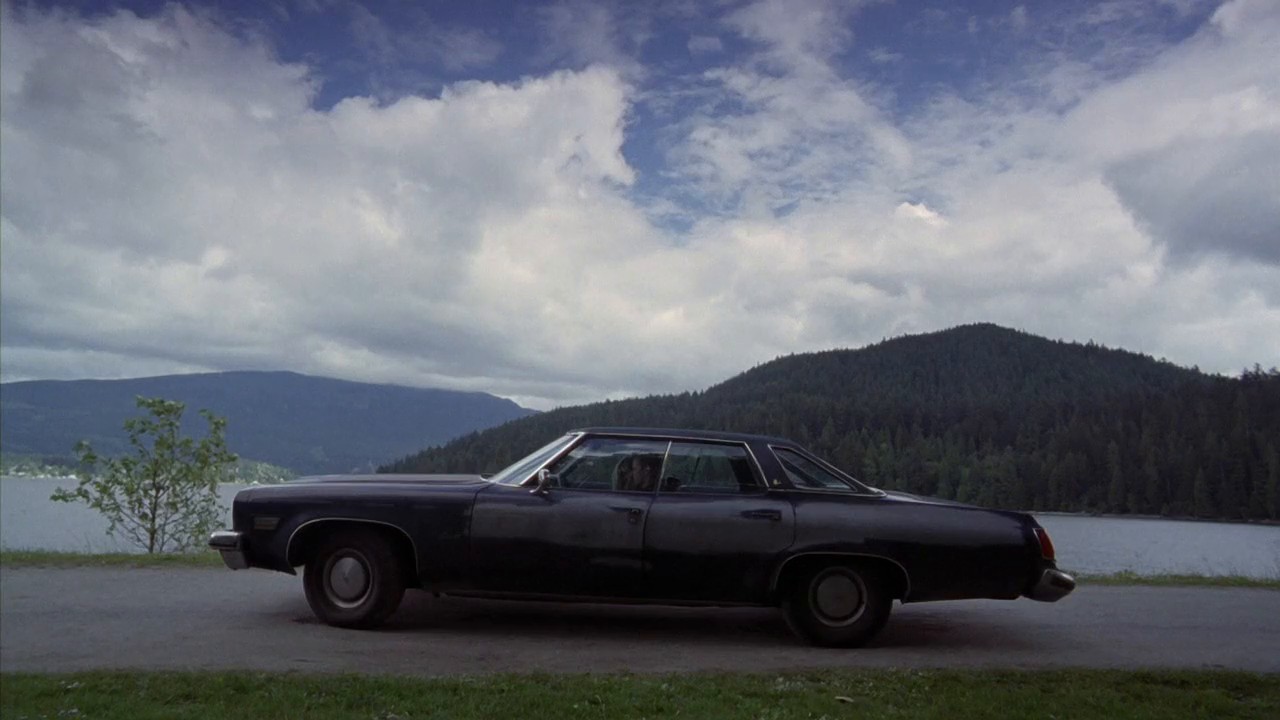
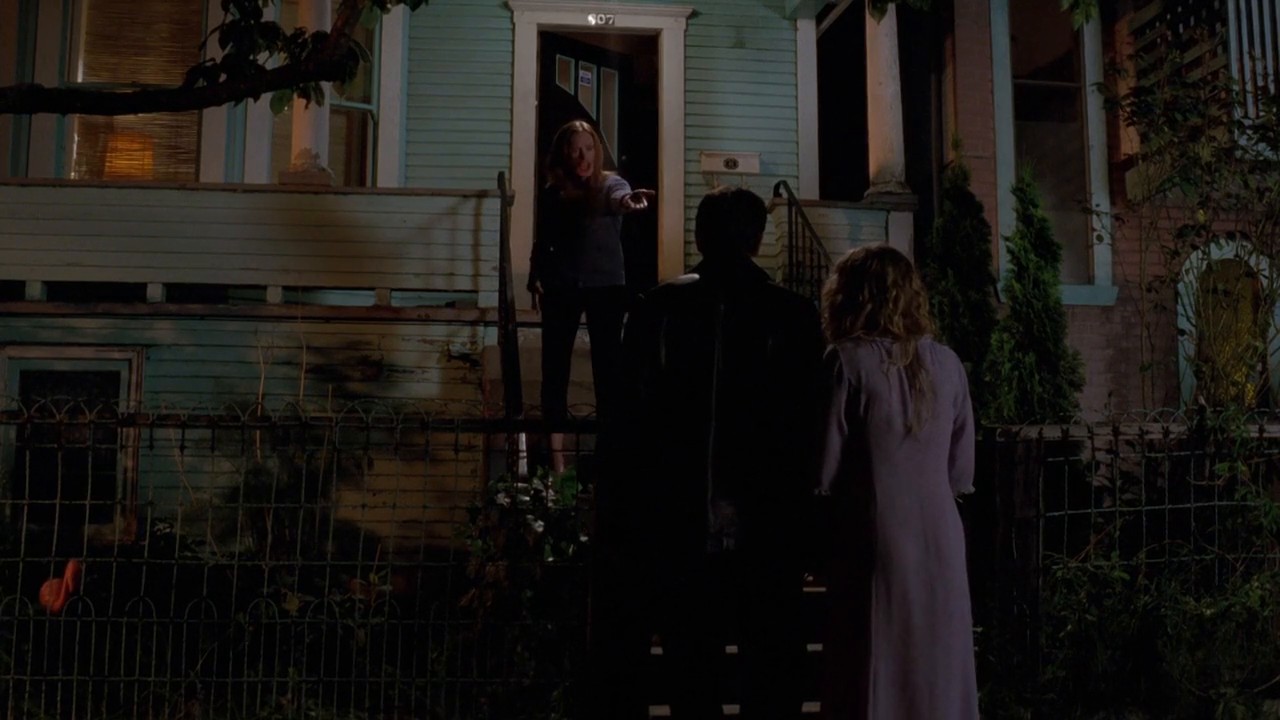
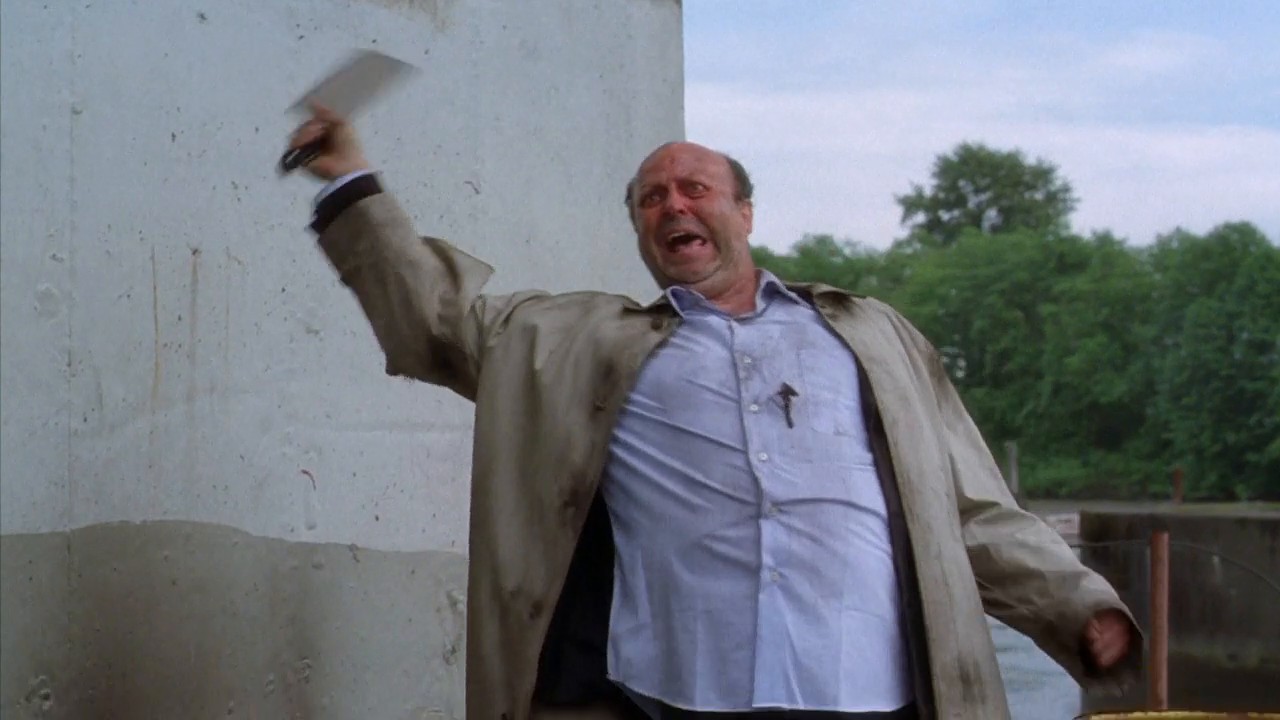
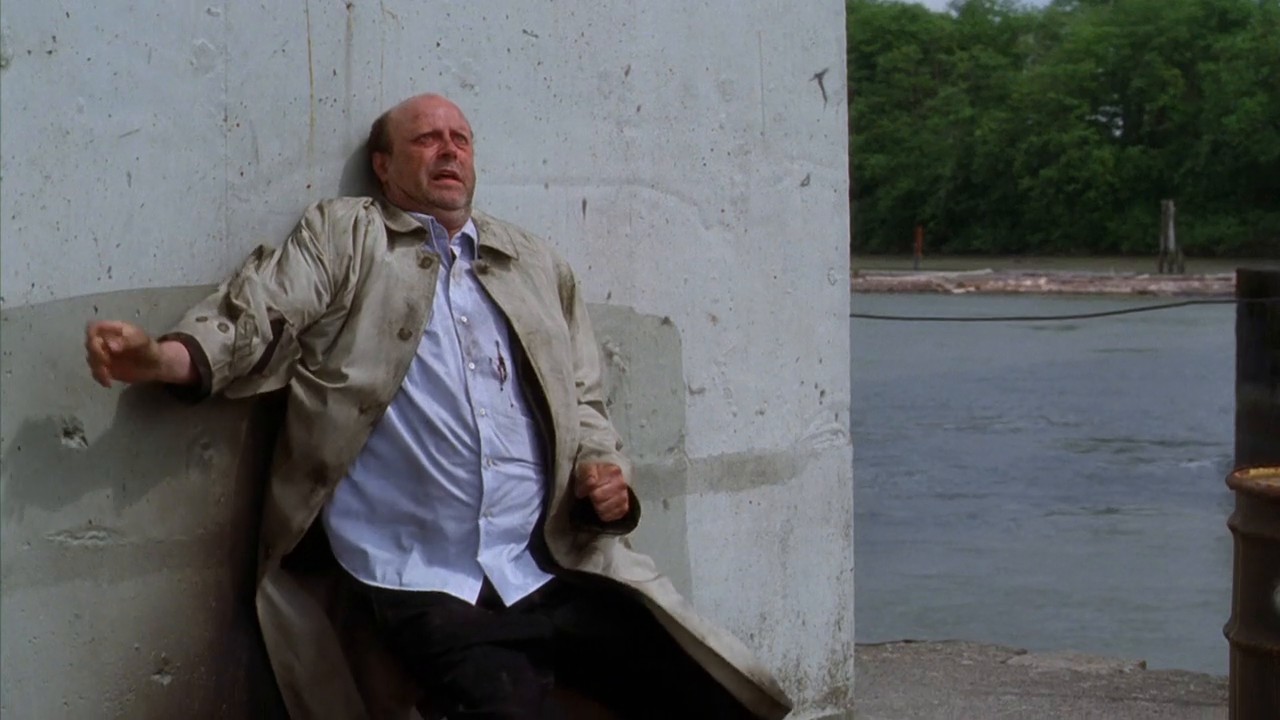
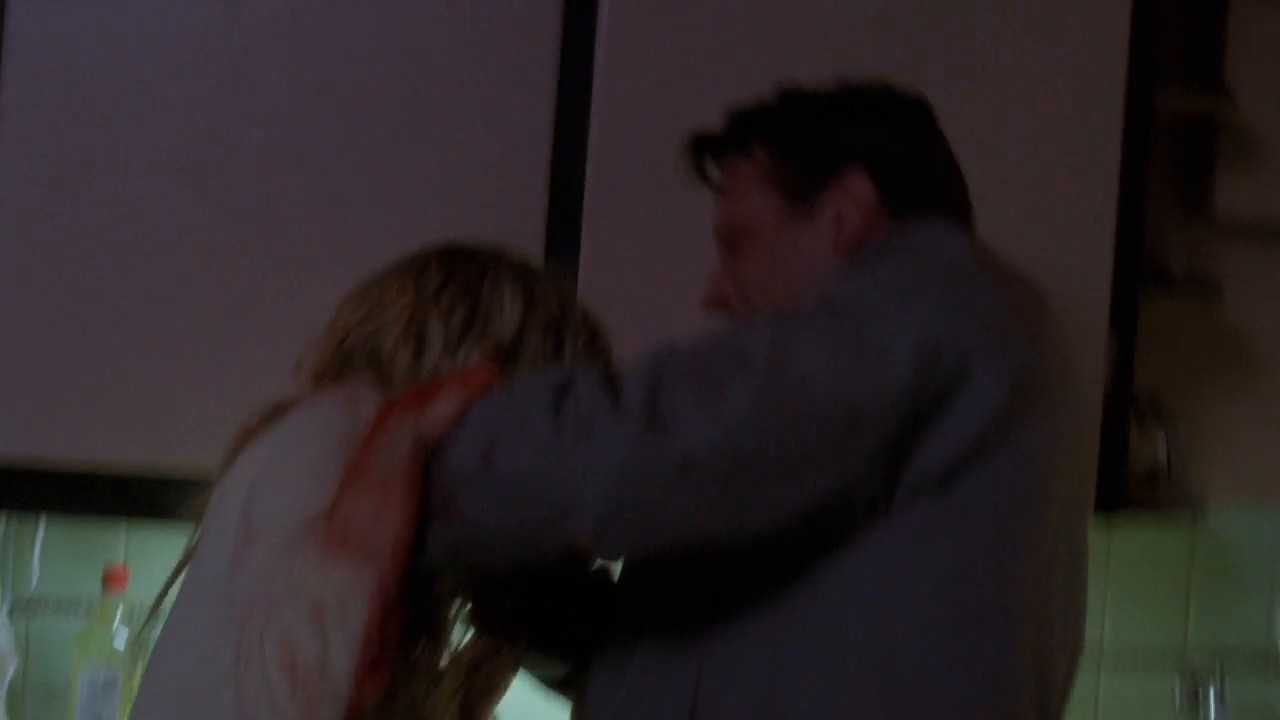
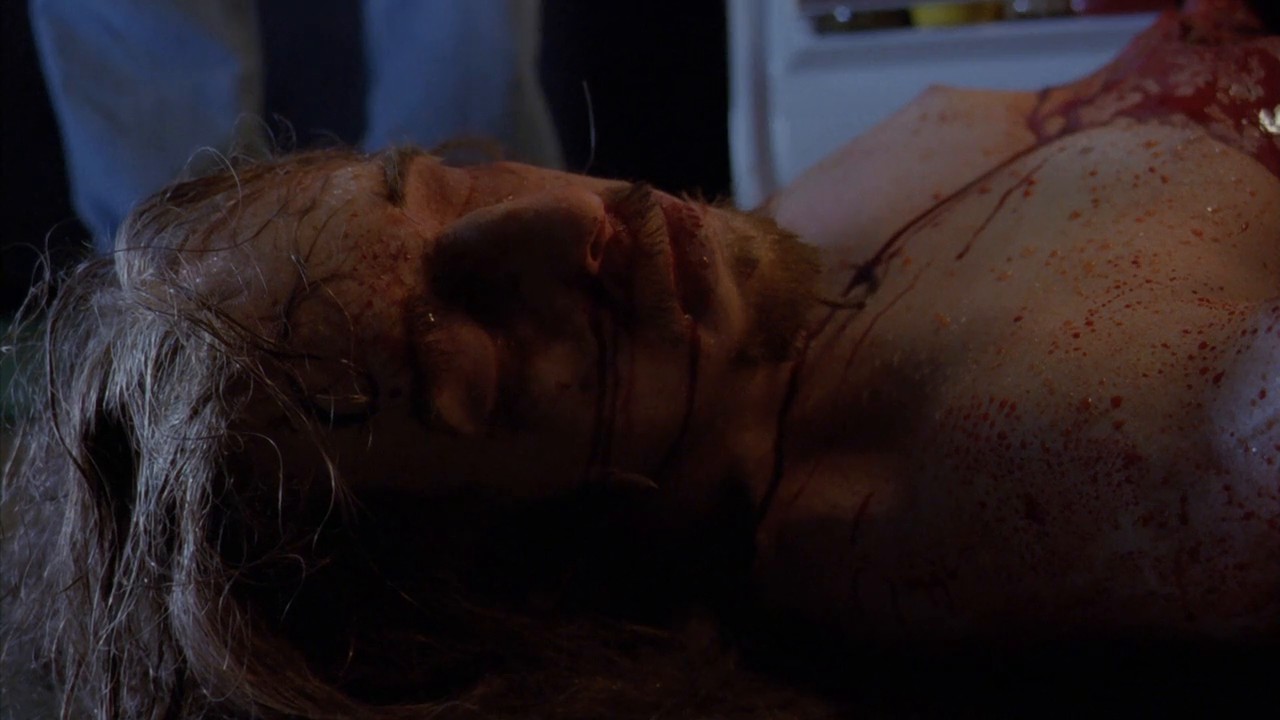
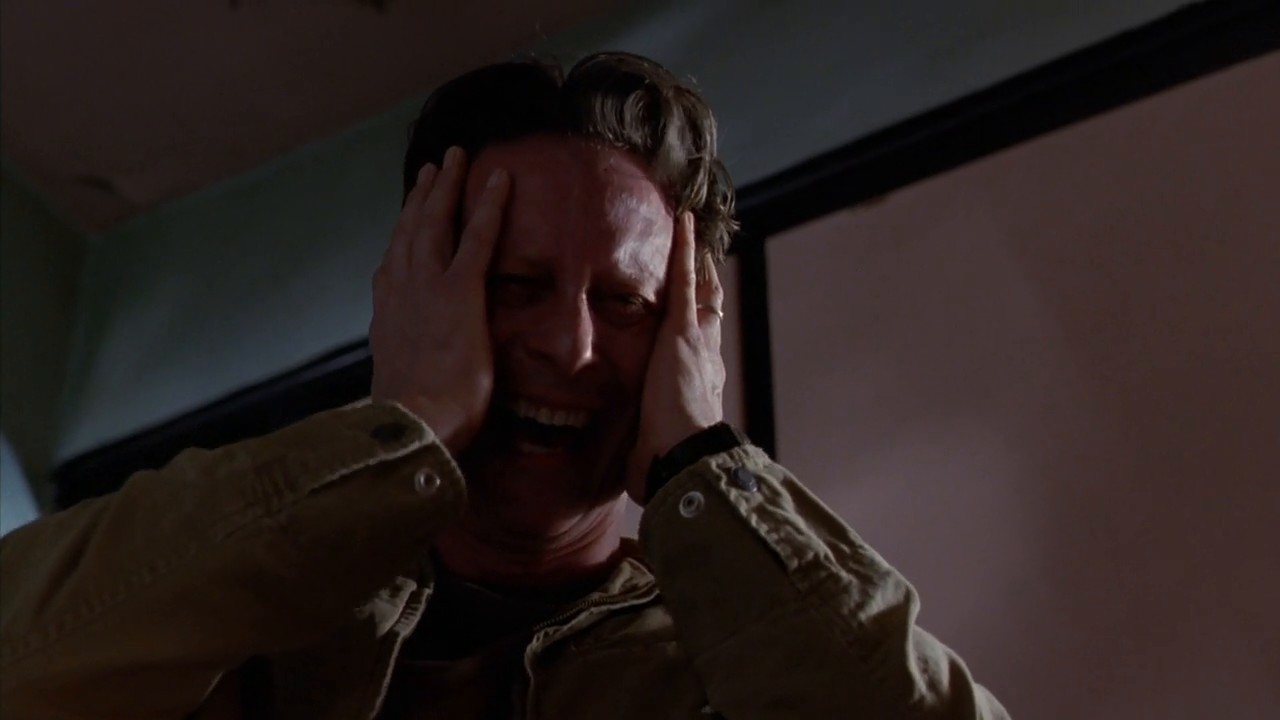
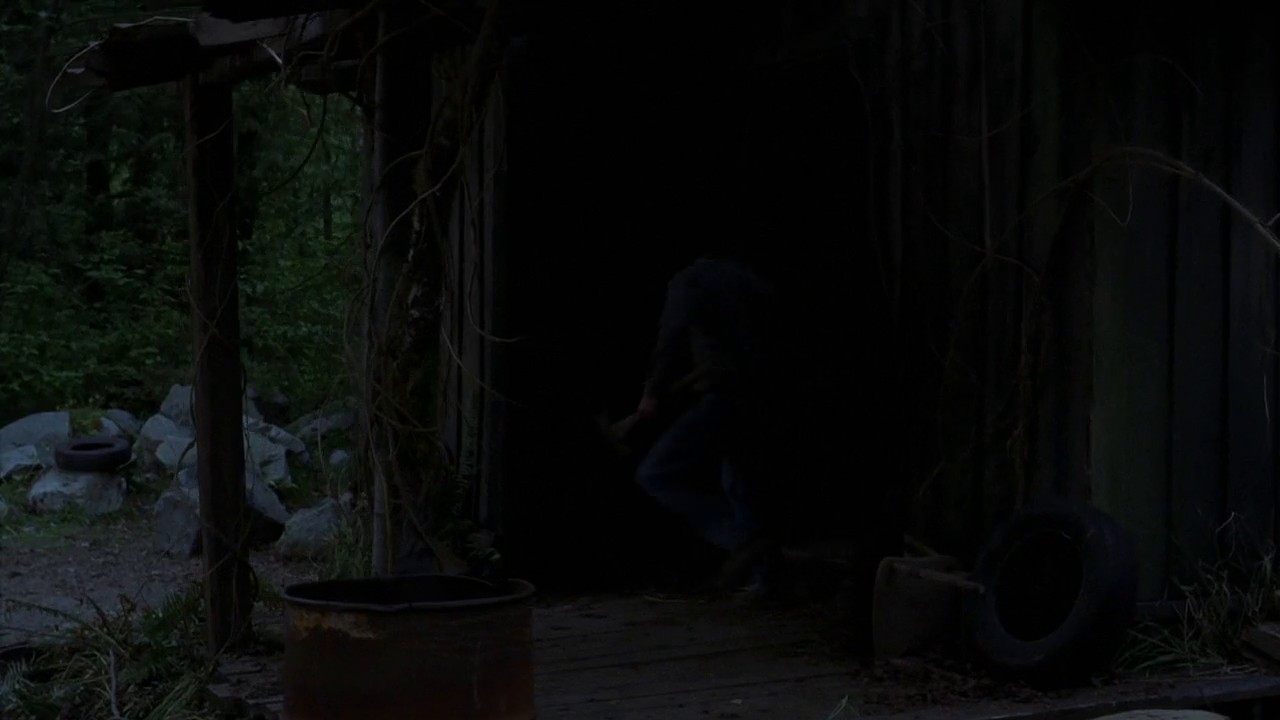
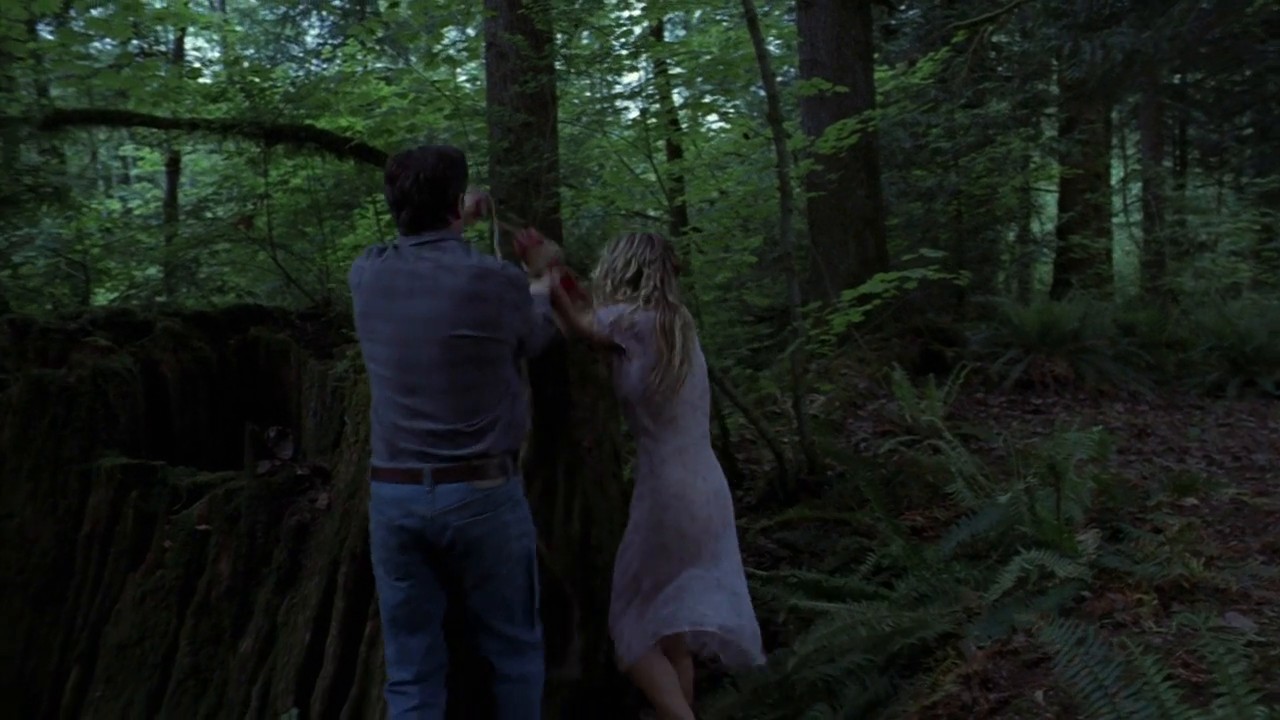
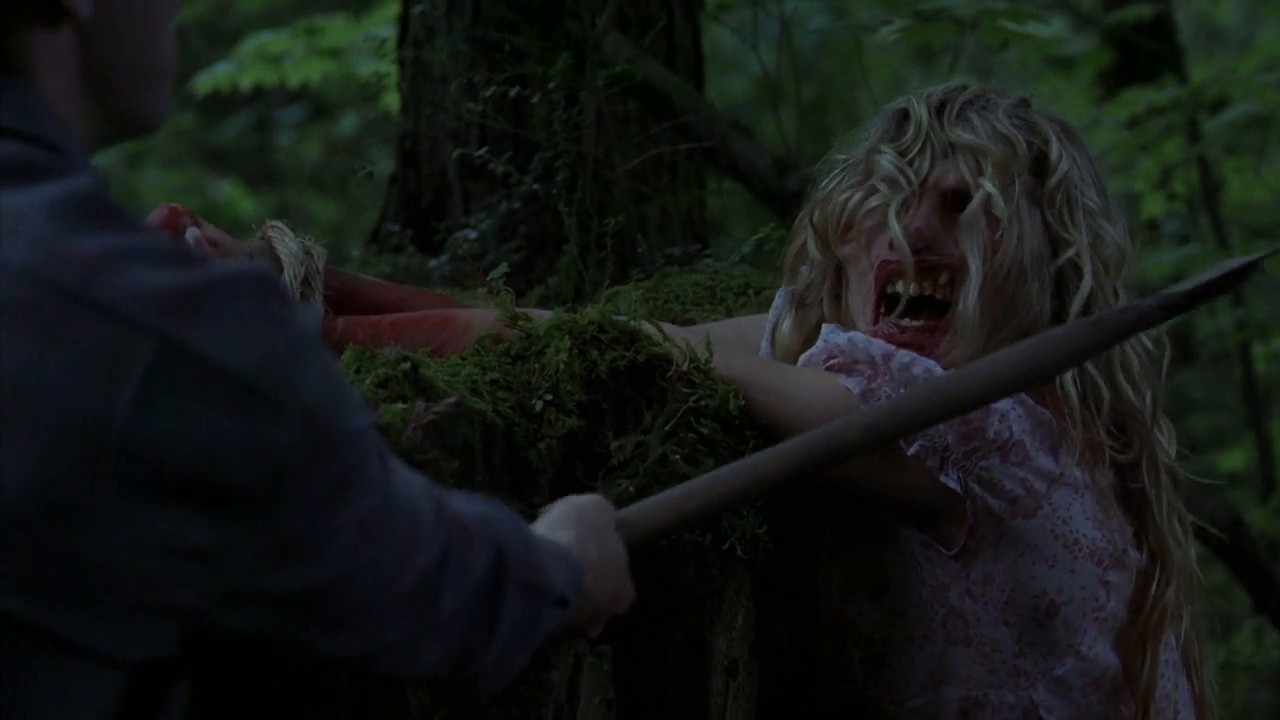
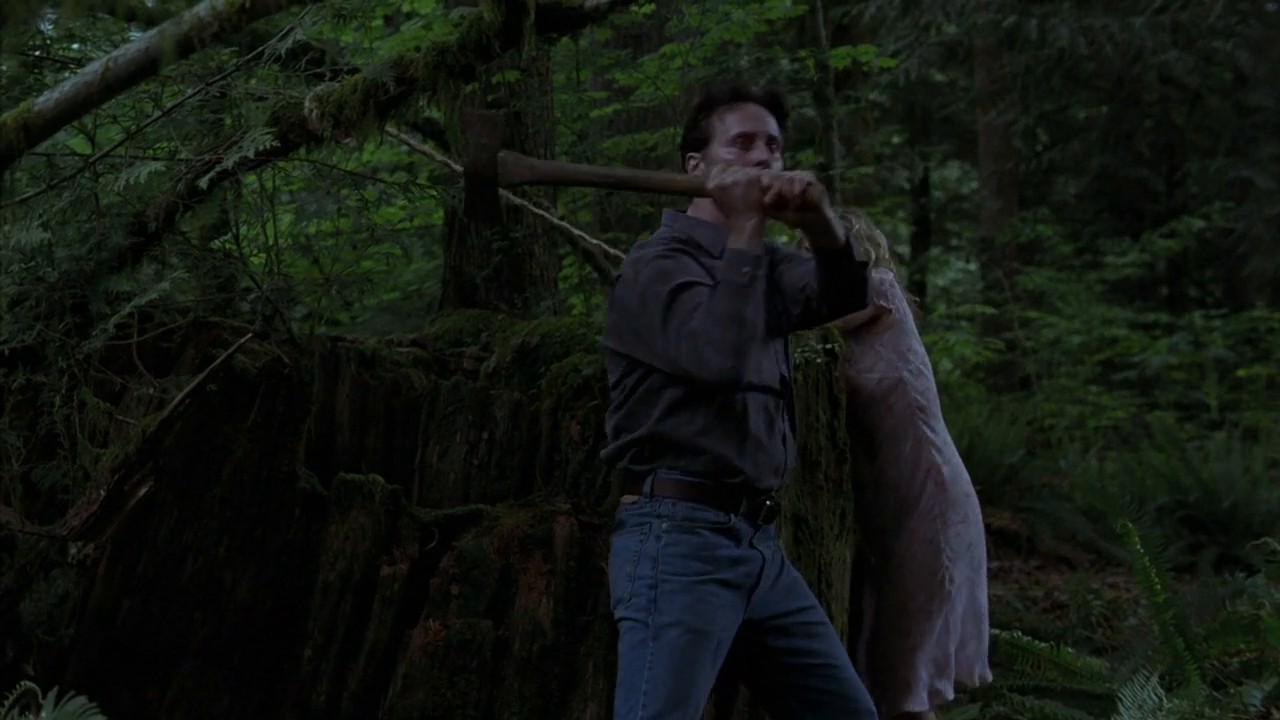
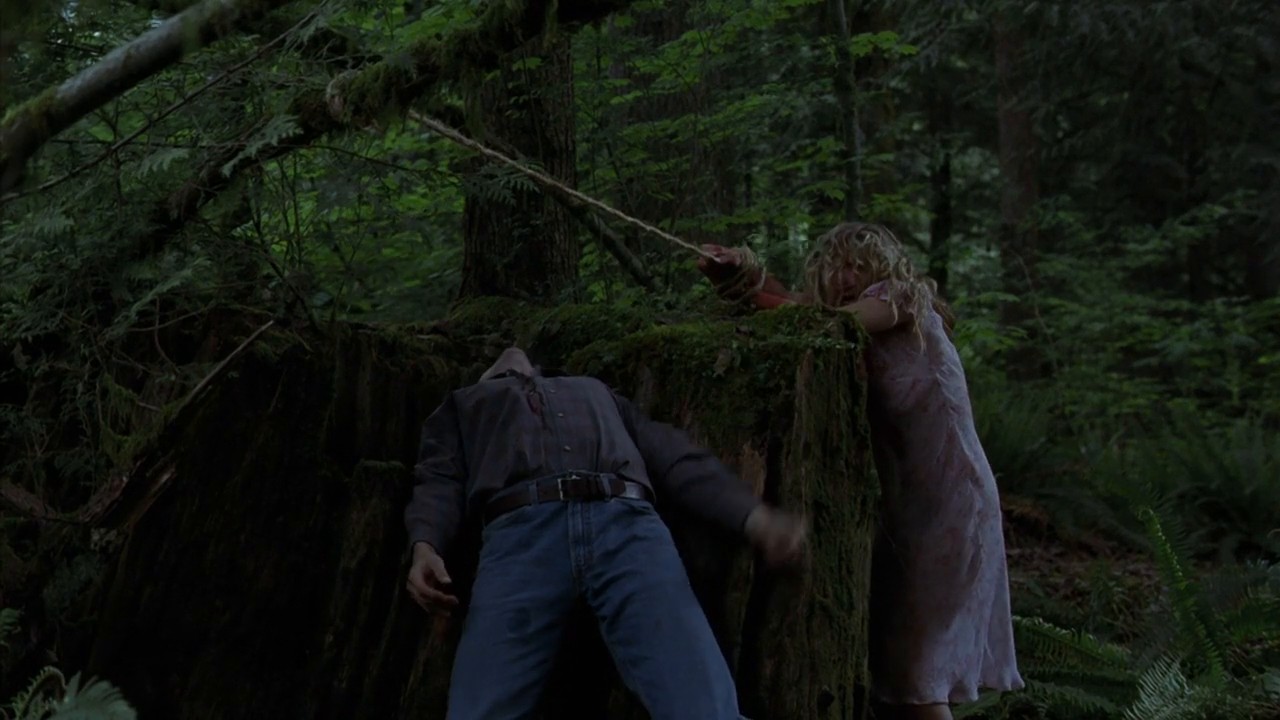
Matteo Marescalco’s Bietti essay identifies the ending’s return to the opening situation. Read through that circular structure, rescue becomes an unstable viewpoint: the apparently self-evident positions of victim, aggressor and saviour can be occupied again without the newcomer understanding what preceded them. The circular account ↗ The opening-and-ending study now follows the visible exchange of positions, weapons and embraces.
The ethical difficulty survives the horror premise. Frank can be responsible for decisions that expose others to danger even if he cannot fully explain his attachment. To treat desire as a complete excuse would remove the central tension: he keeps acting, and those actions have consequences beyond the couple.
02 / CARRIE ANNE FLEMING & EMBODIED PERFORMANCE
The face is also a working condition
Fleming’s November 2005 interview with Staci Layne Wilson supplies a different account from the usual description of a creature. She recalls prosthetics and dentures, an application process revised so that the piece was painted before being fitted, and communication with Argento assisted by an interpreter. She also invented a private family background, while stressing that the film does not explain Jenifer’s origin. Fleming’s production recollections ↗
Private preparation and screen information perform different jobs. An actor can use an imagined history to sustain attention and intention without supplying the audience with a biographical answer. The absence of an explanation does not mean the performance began with an empty character.
In the same interview, Fleming emphasises the role’s aggressive energy and her pleasure in playing someone who was not simply a victim. That account complicates the rescue story without settling whether the finished episode gives Jenifer an independent perspective. The actress’s approach, Frank’s understanding and the audience’s judgment need not coincide.
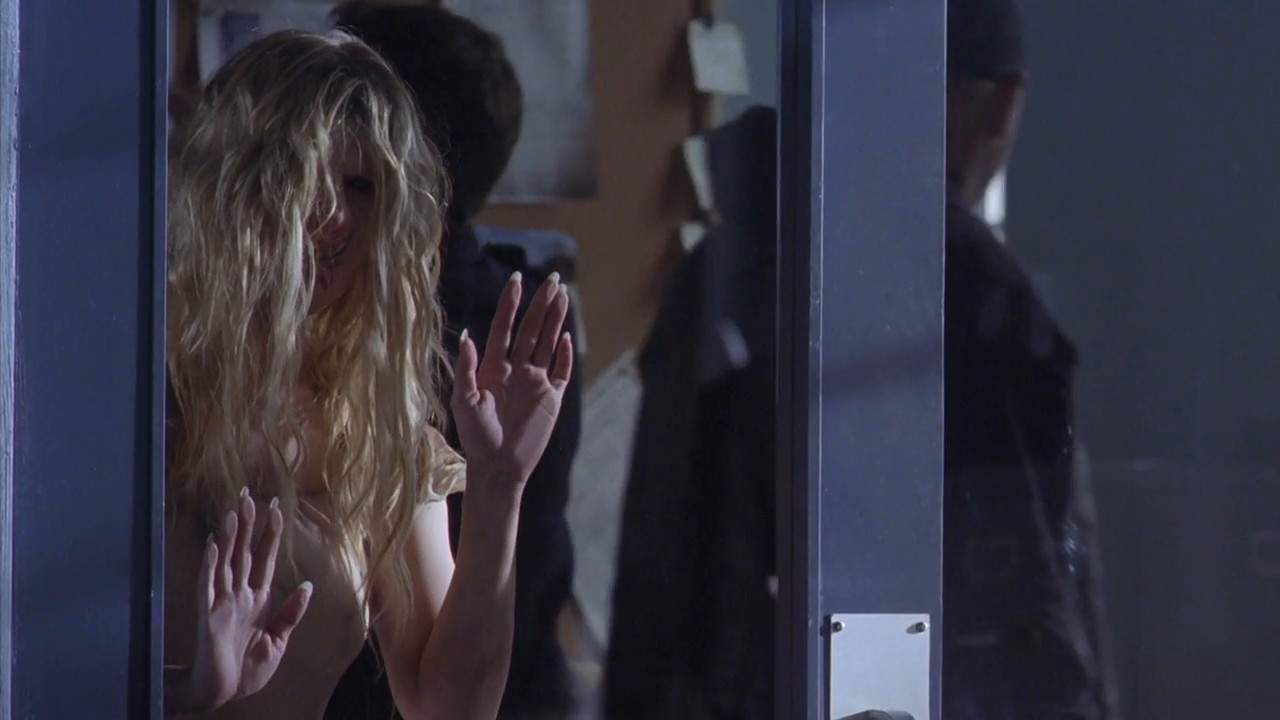
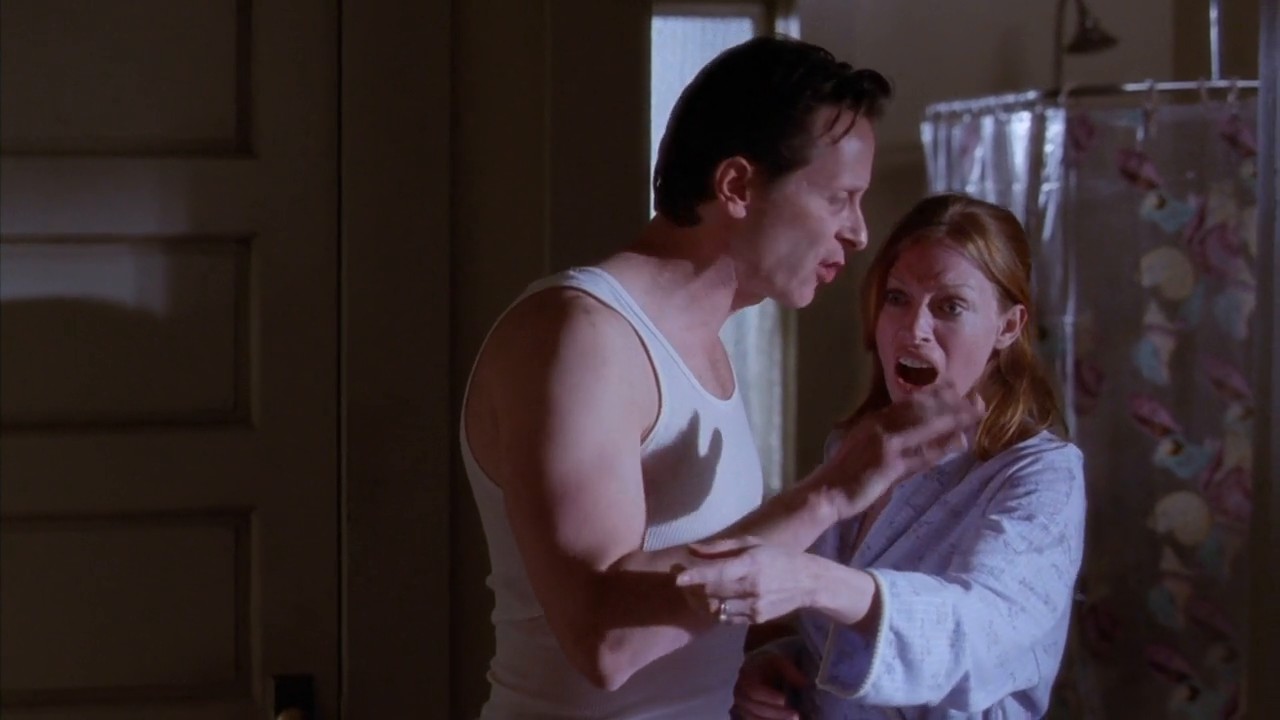
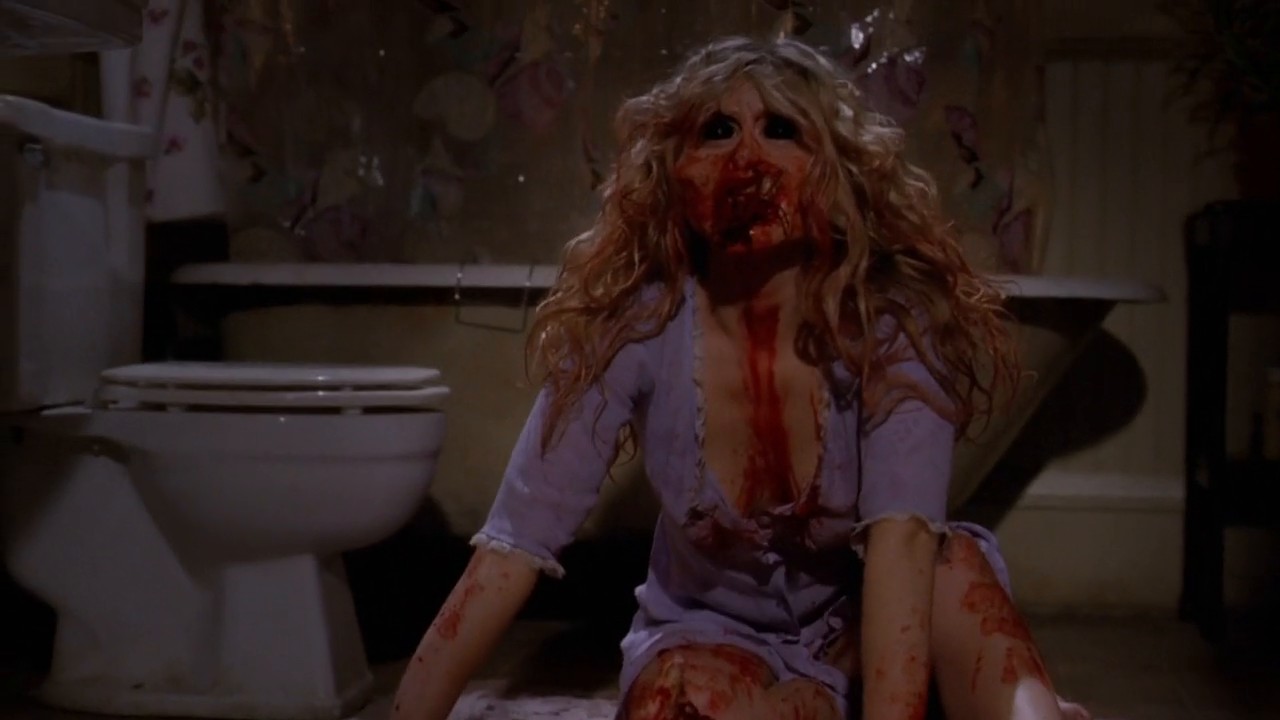
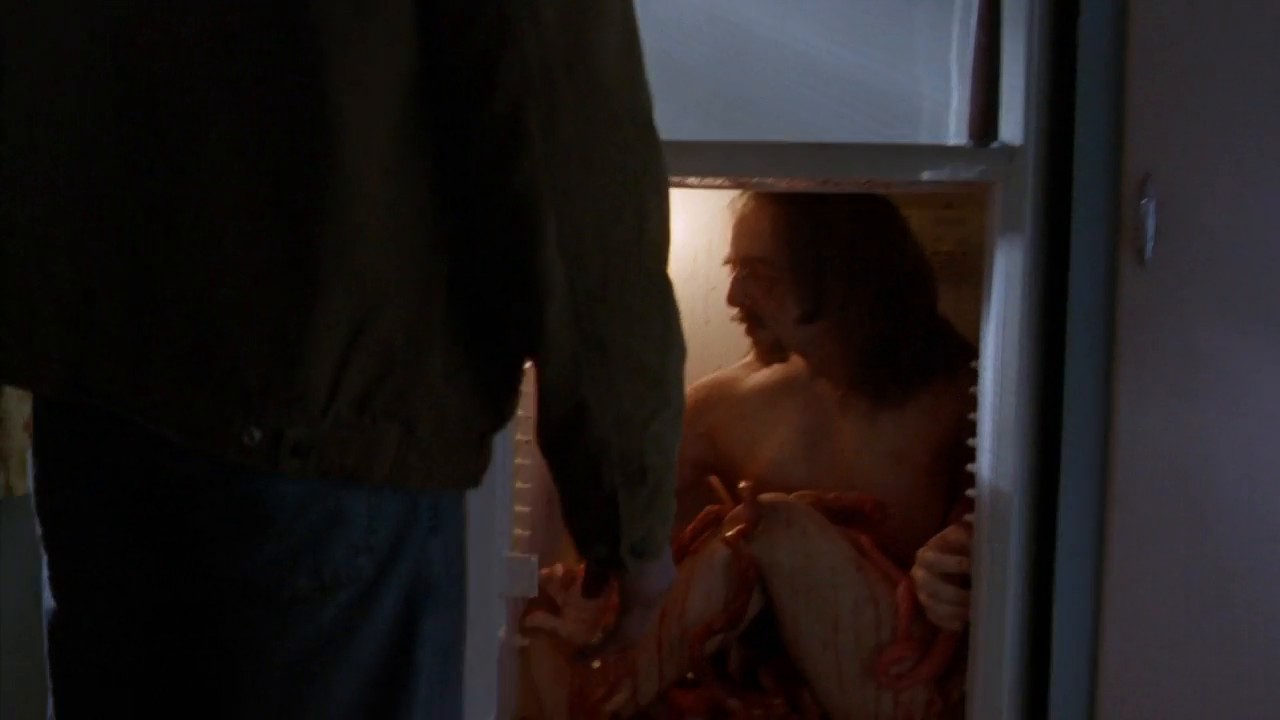
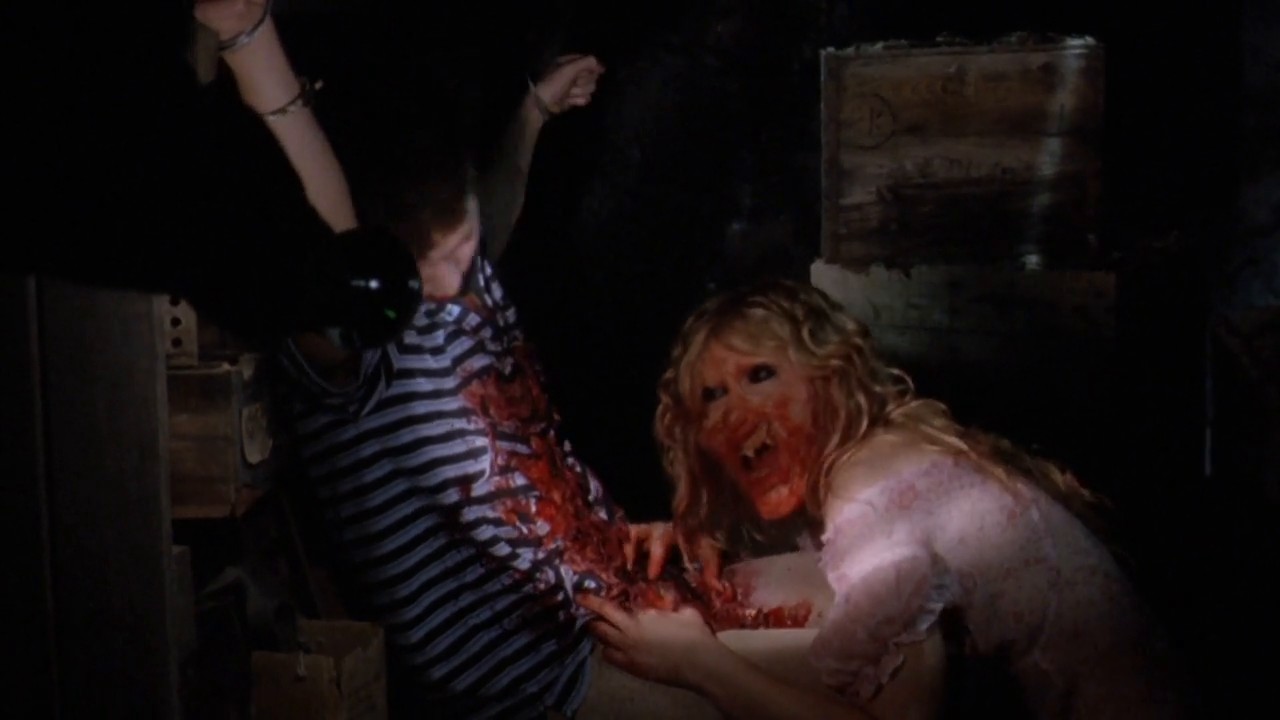
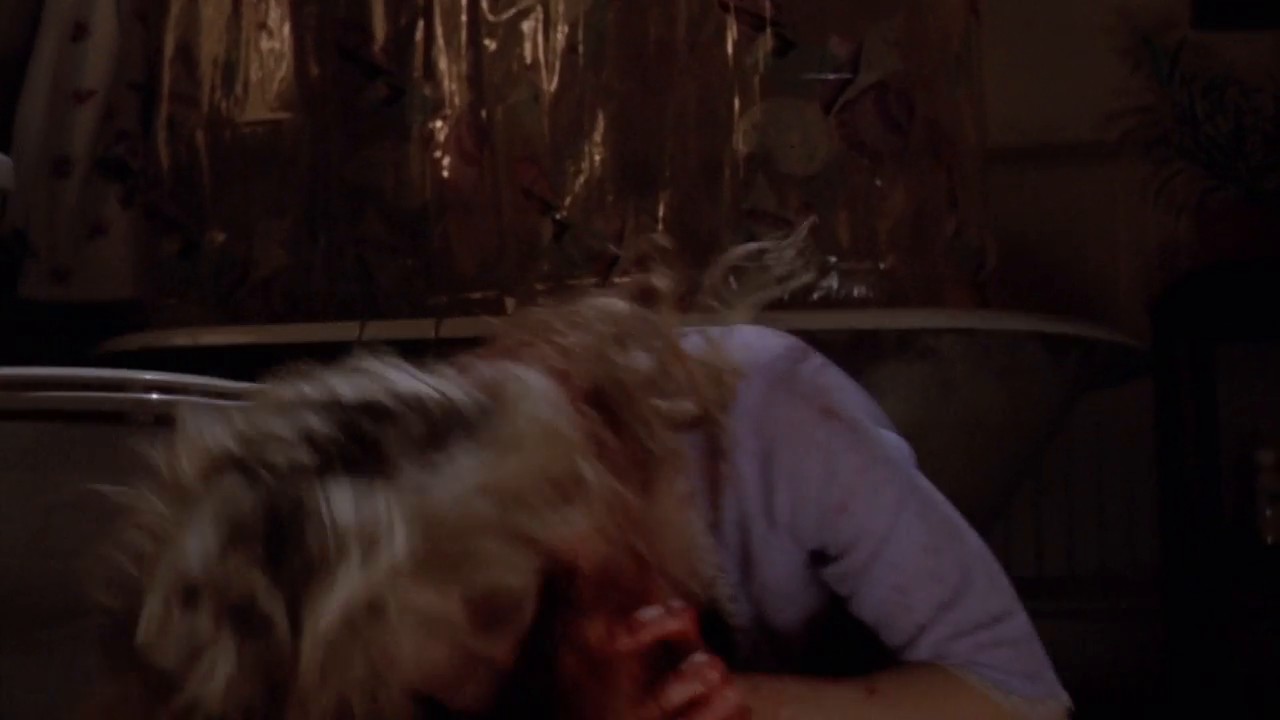
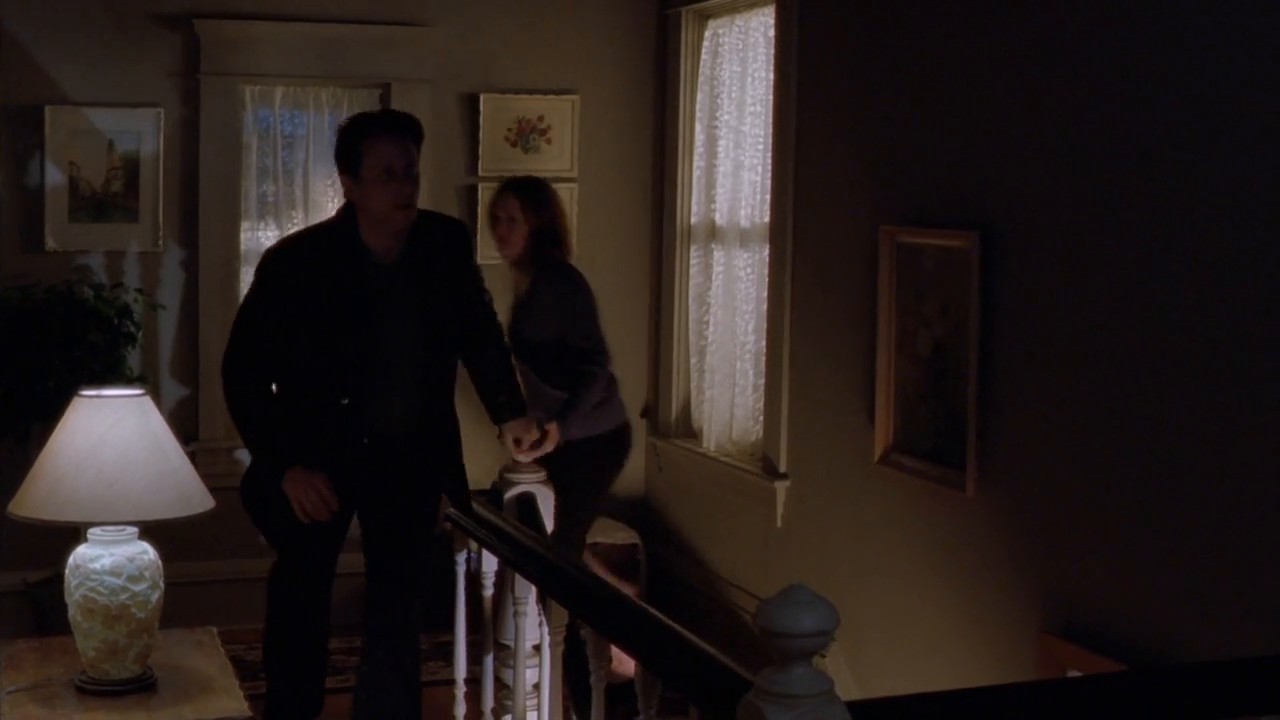
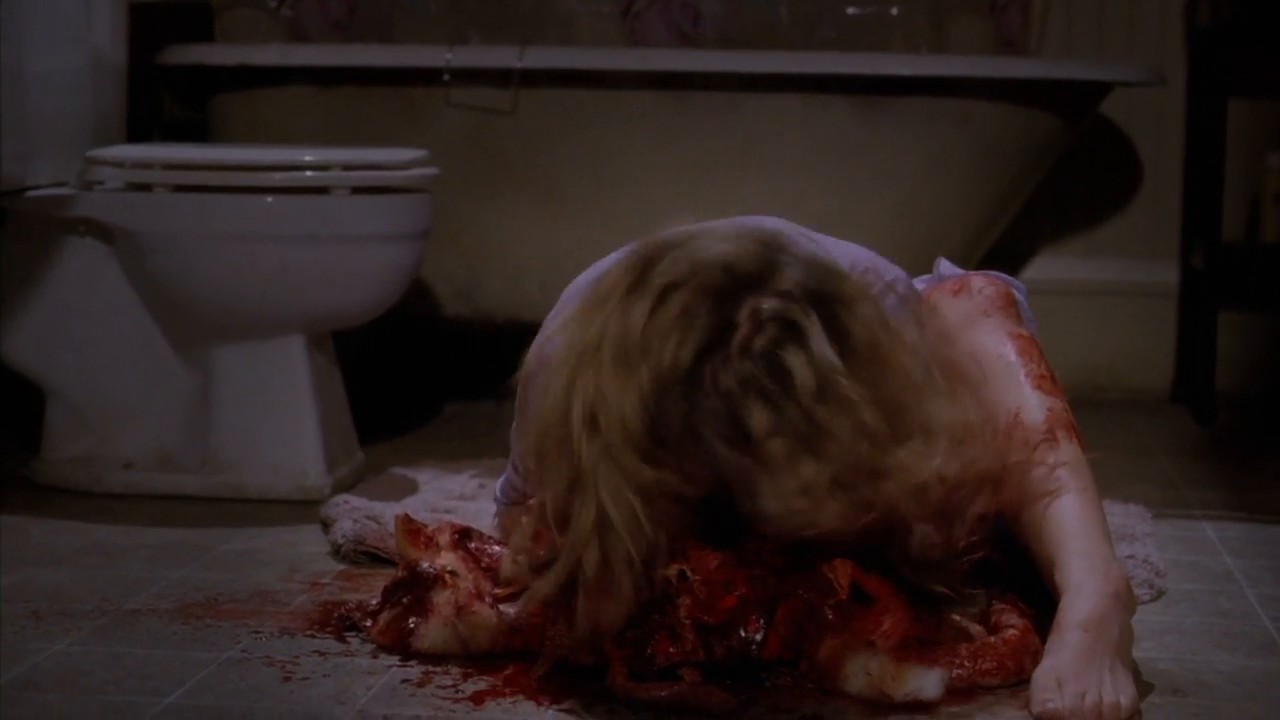
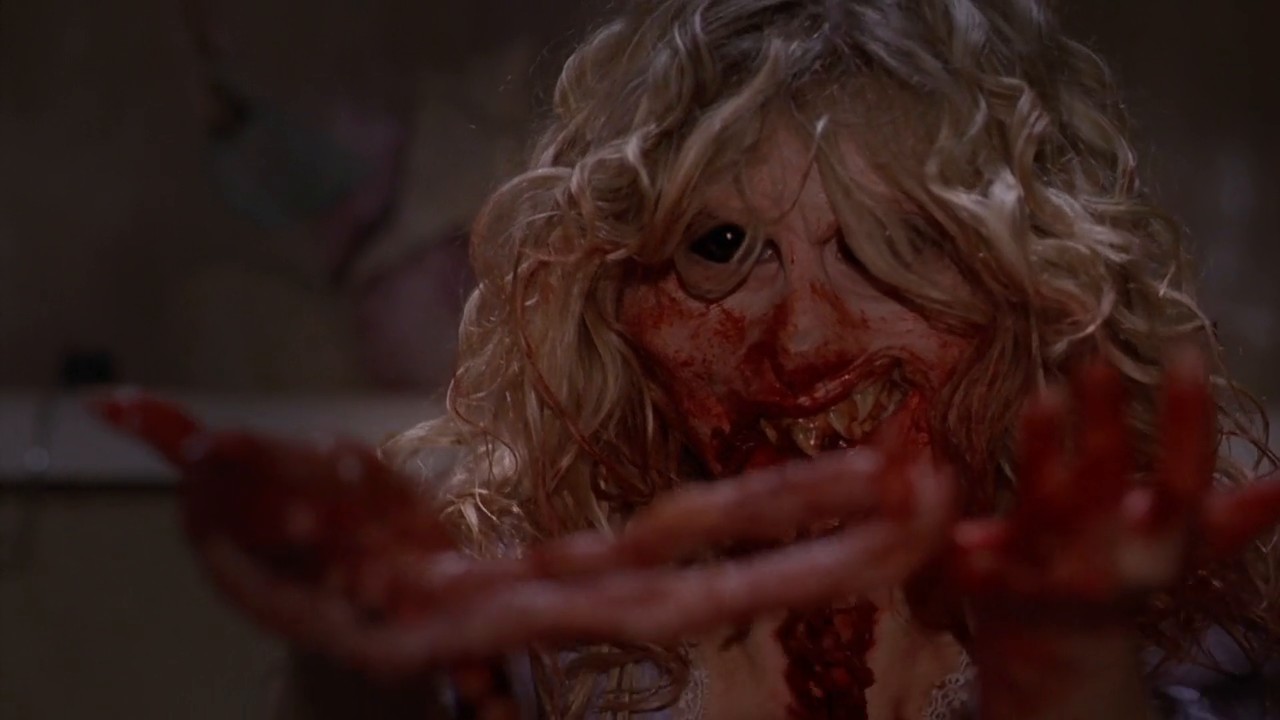
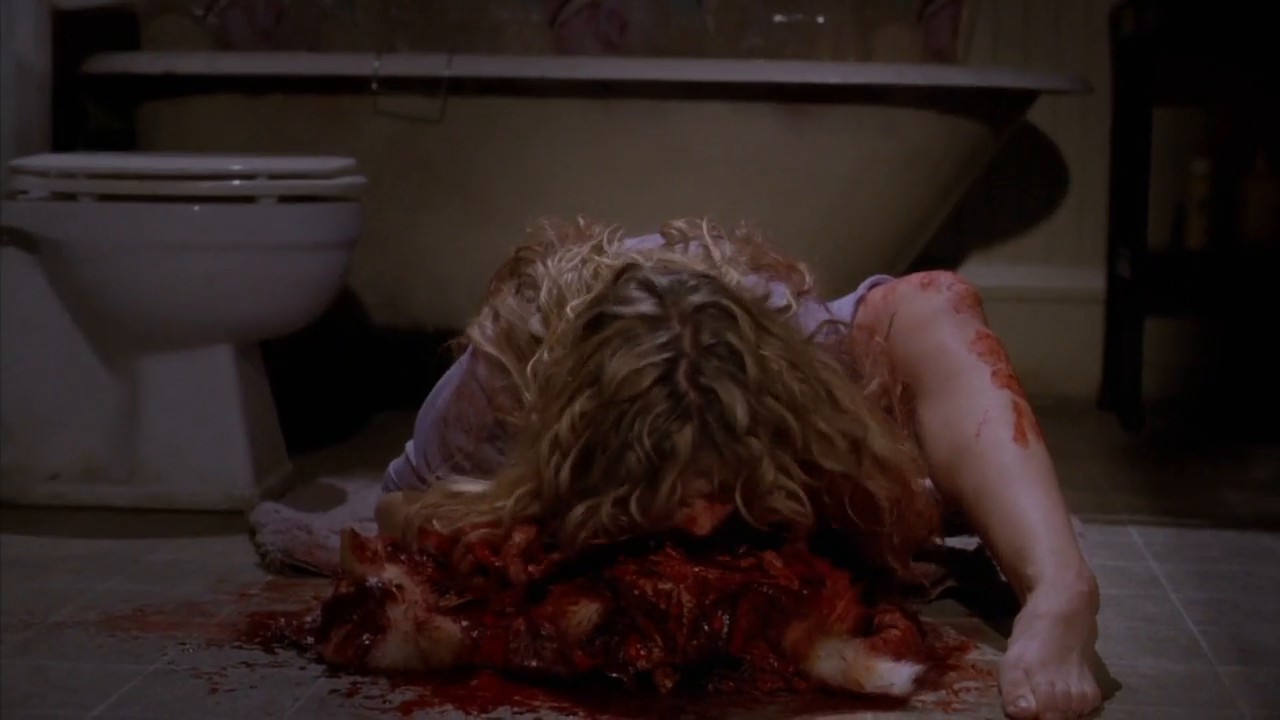
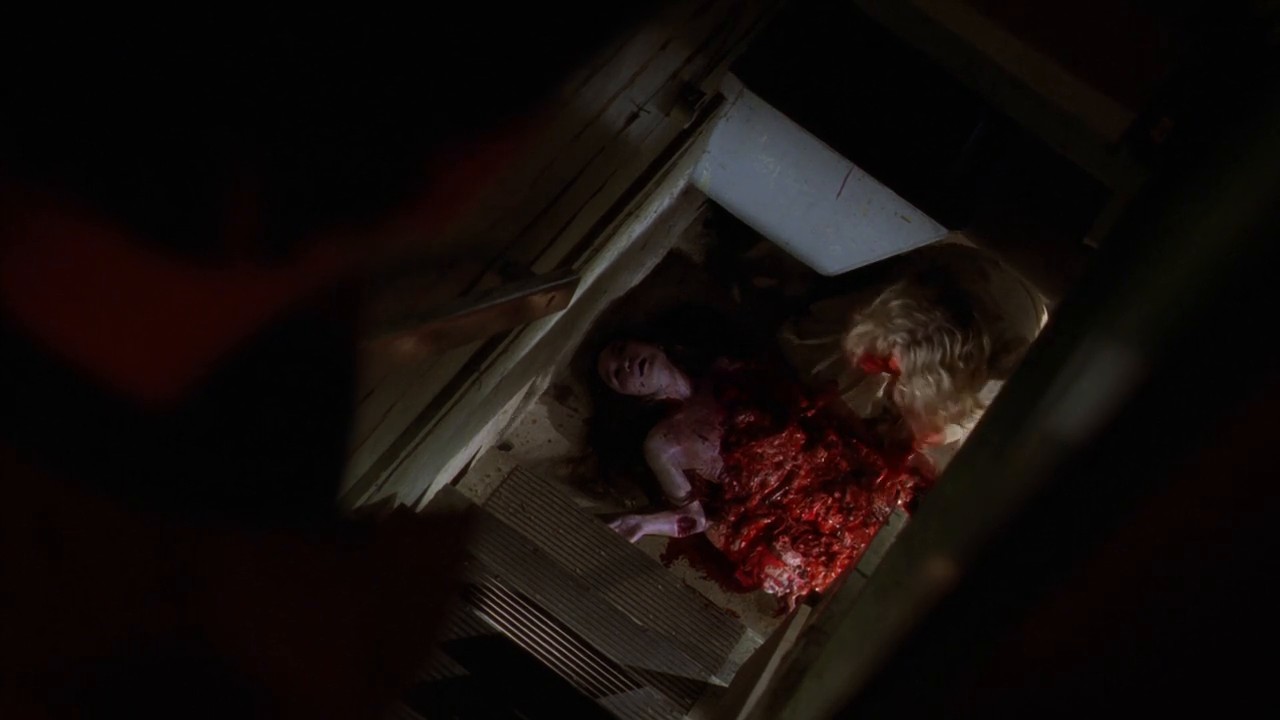
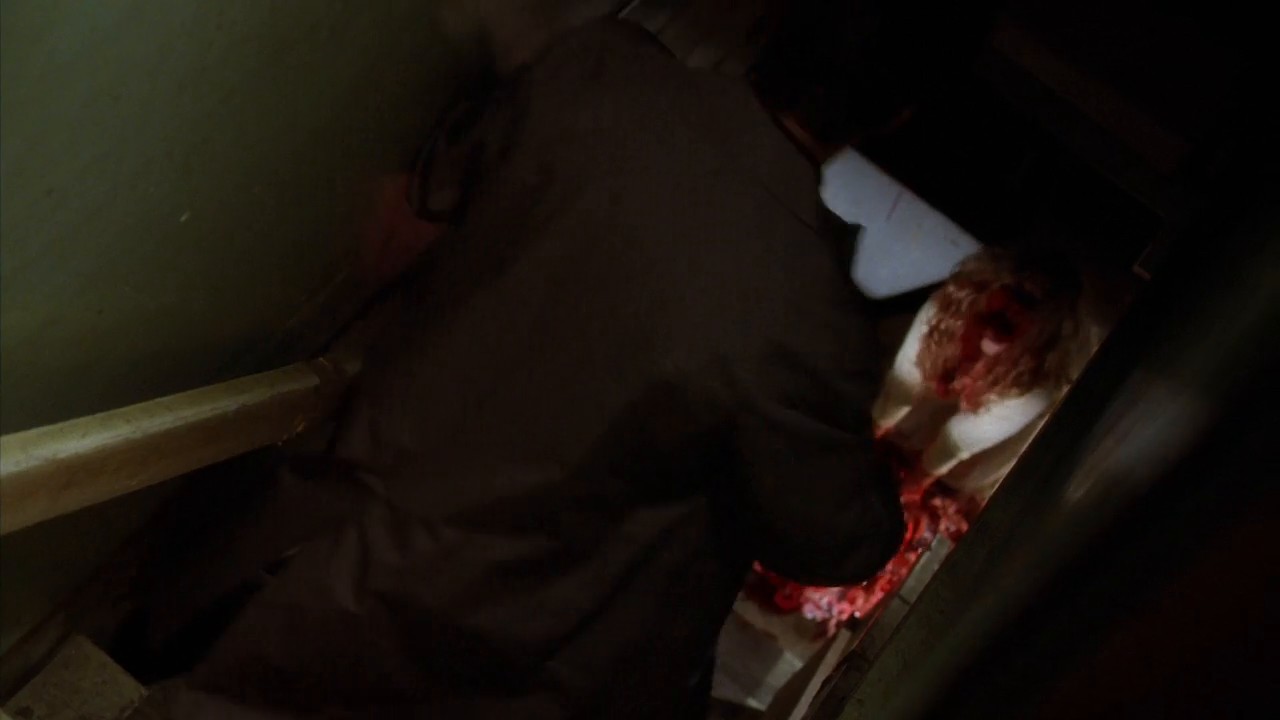
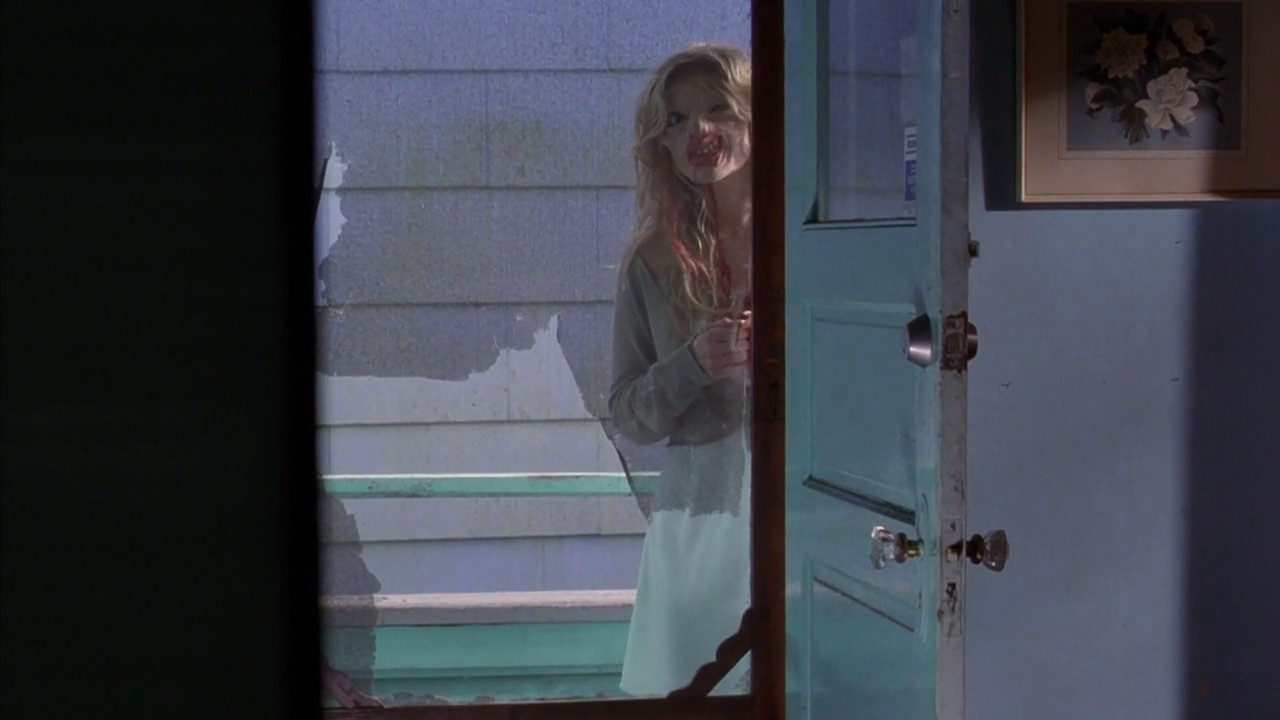
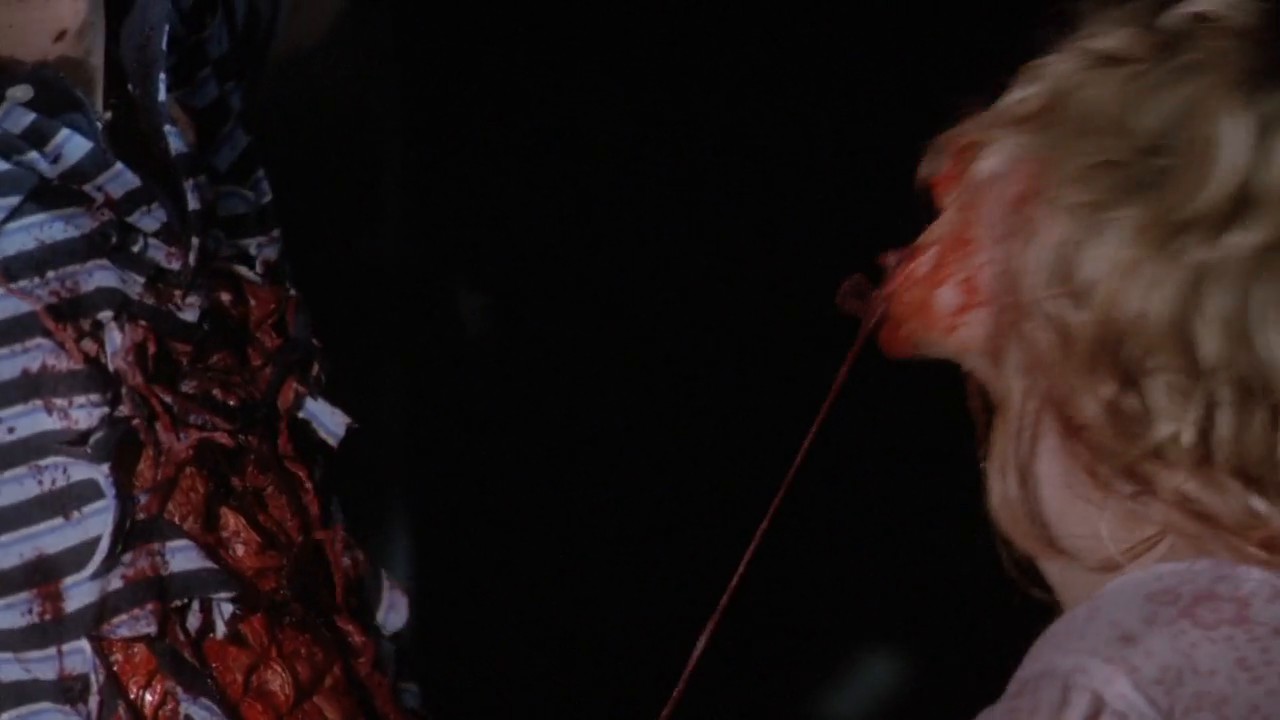
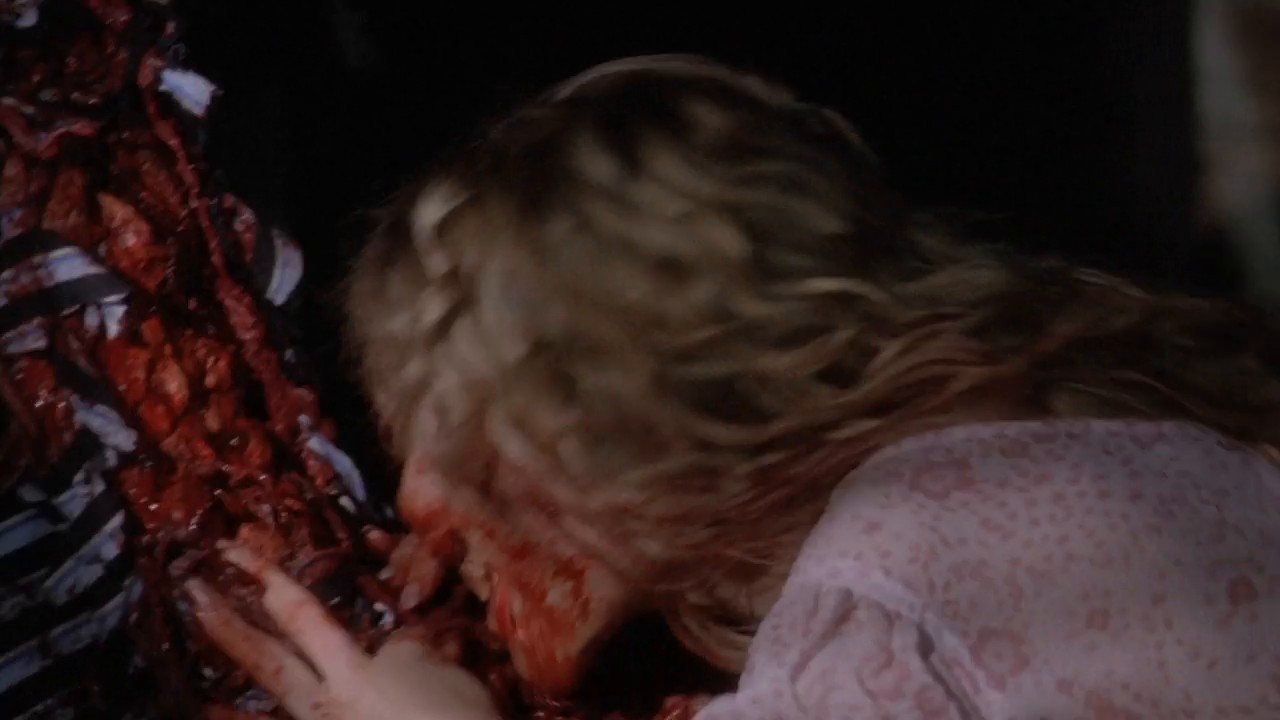
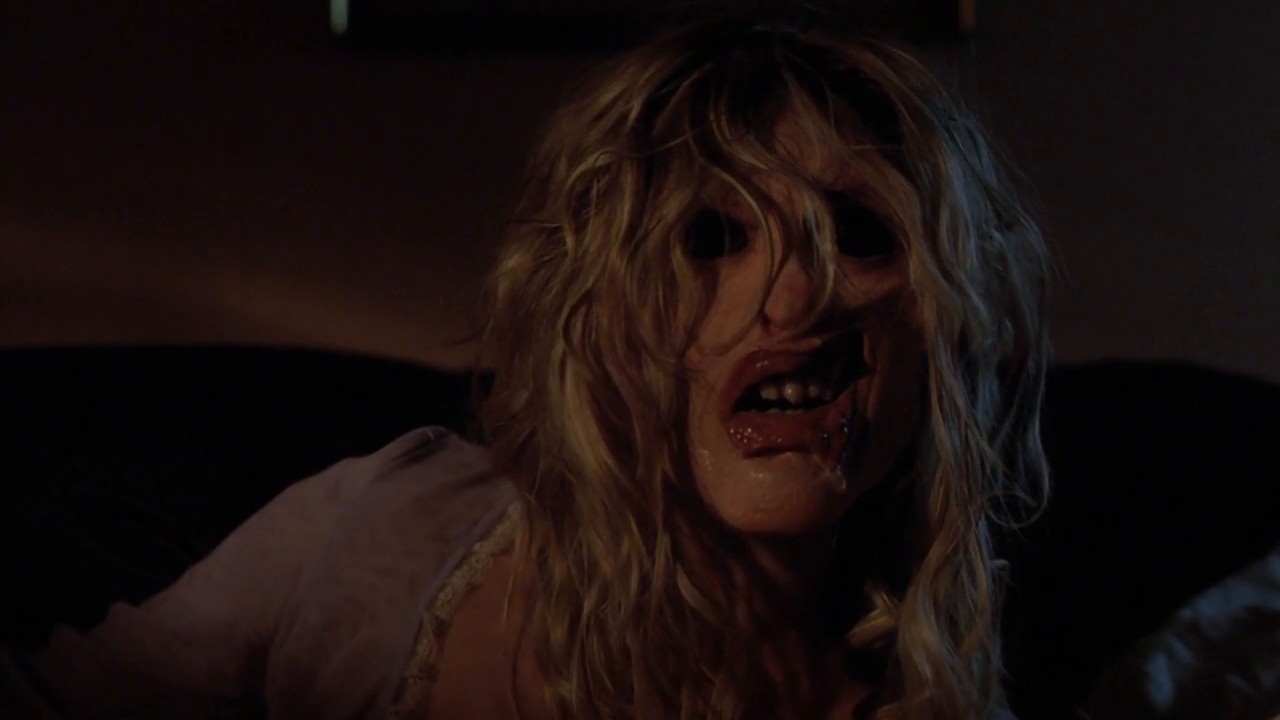
A prosthetic supplies visible form; the performance makes it responsive. Posture, the direction of attention and the timing of an approach can make an apparently fixed face seem inviting, impatient or threatening. The performance study follows those choices through the embrace, glass partition, bedroom, bathroom and garden. The makeup’s visible form changes with her posture and the frame around her.
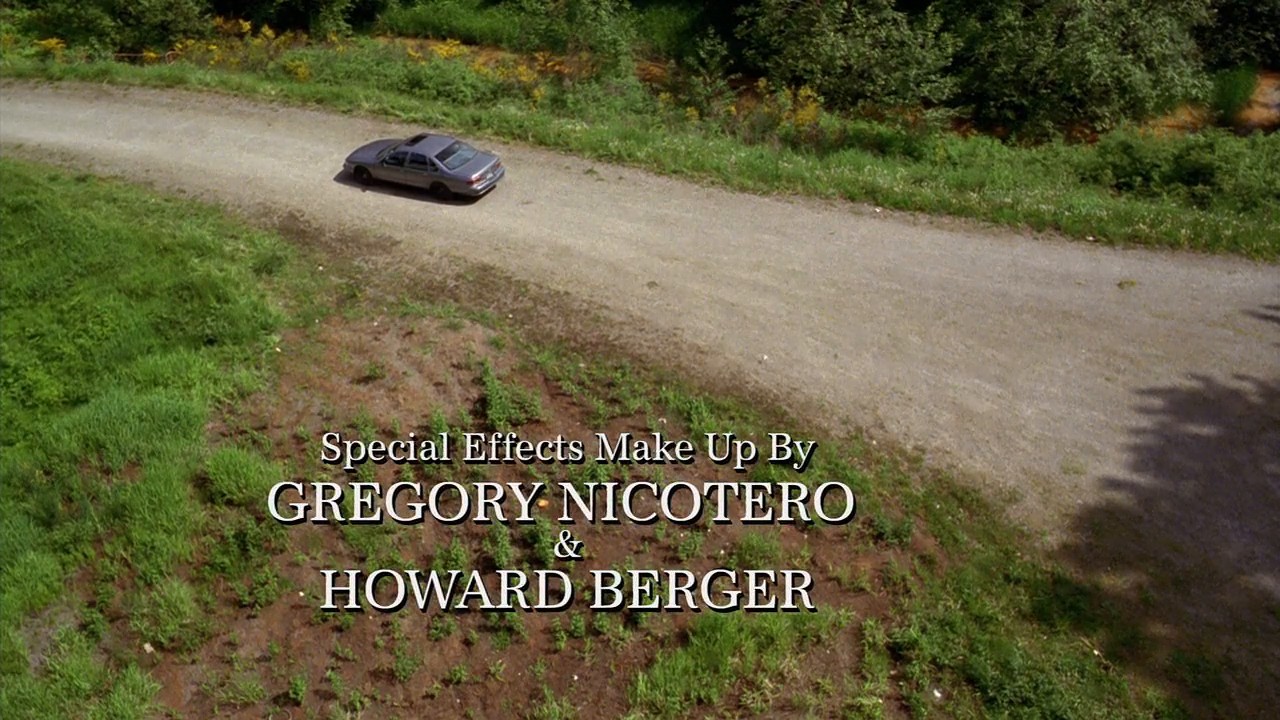
The transcript prints the makeup artist’s name as “Howard Barker.” The disc documentation instead identifies Howard Berger’s dedicated featurette. The screen credits explicitly name Gregory Nicotero and Howard Berger, then KNB EFX Group and its on-set team. The interview’s wording remains a transcription discrepancy, separate from the verified credit. Makeup documentation route ↗
03 / A PUBLISHED IMAGE & THE LIMITS OF RECOGNITION
The close-up gives us a face, not an origin
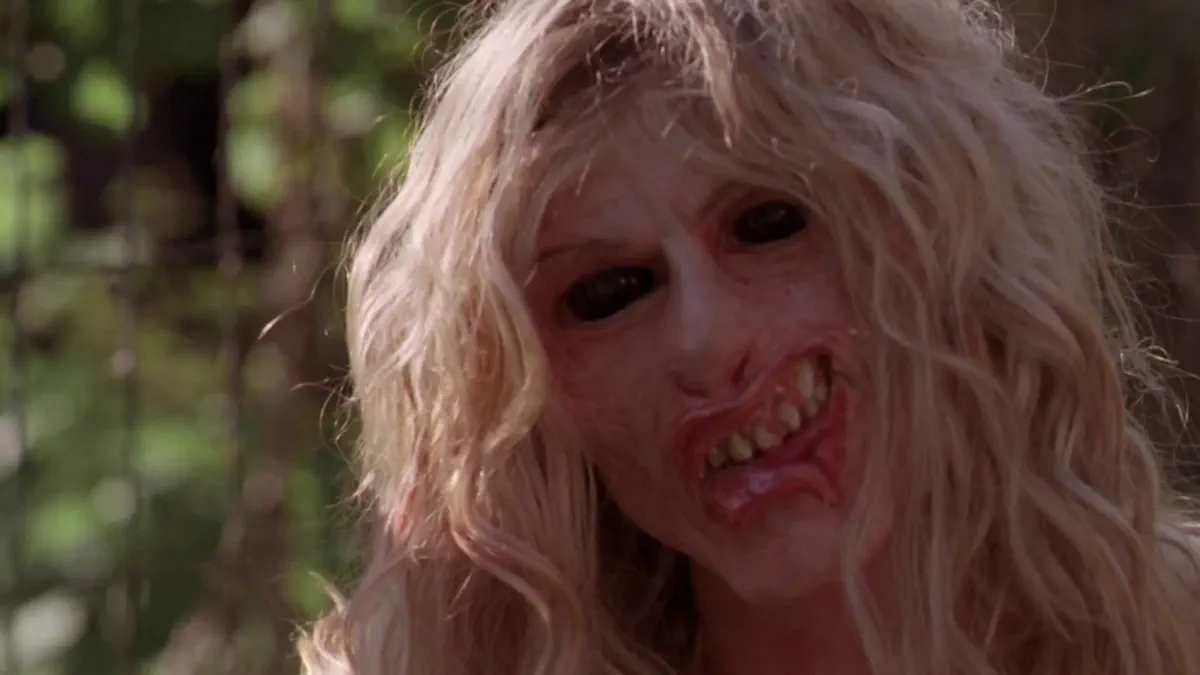
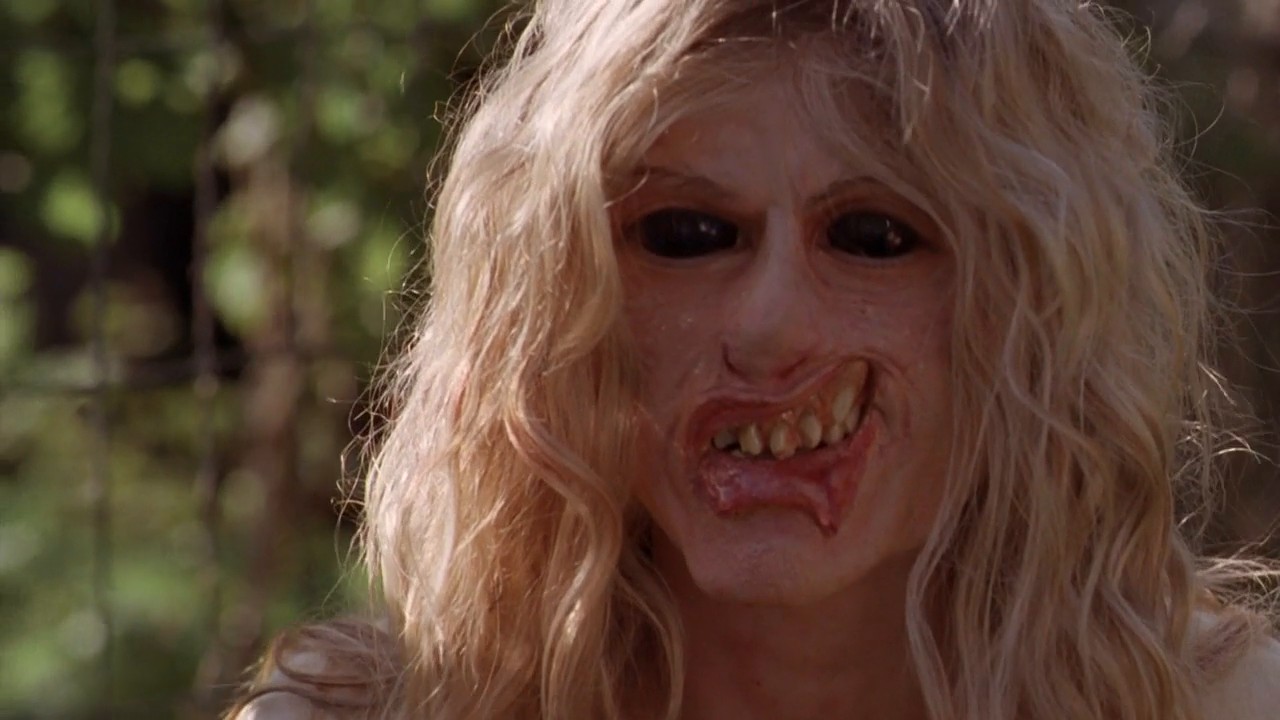
The Apple-supplied image at the head of this dossier places a tilted face against soft green and brown woodland shapes. Blonde hair reaches across the forehead and into the edges of the frame. The eyes read as dark surfaces; exposed teeth draw attention toward the mouth. Those are features visible in this reproduction.
The tilt prevents the face from becoming a straightforward specimen. It suggests attention directed toward someone beyond the frame, yet the missing reverse view leaves that relationship open. A still can make us feel addressed while withholding who is being addressed and what has just happened.
That uncertainty is useful here. Assigning innocence, intelligence or intent from appearance alone would reproduce the shortcut the rescue narrative unsettles. The fictional design is arranged to provoke a response; it is not evidence that visible difference explains violence. The reading belongs to this particular image and story.
The Apple image retains its original source link. The new scene studies place other views of the face within their surrounding action; they do not change the provenance of this published image.
04 / JONES, WRIGHTSON & WEBER’S ADAPTATION
A short comic becomes a lived duration
The Grand Comics Database indexes “Jenifer” as a ten-page Bruce Jones/Bernie Wrightson story from Creepy no. 63, July 1974. Ian Jane’s release-period review independently identifies the 1974 issue. Bietti’s 1973 date is therefore retained as a disagreement rather than adopted. Bibliographic record ↗ Release-period source identification ↗
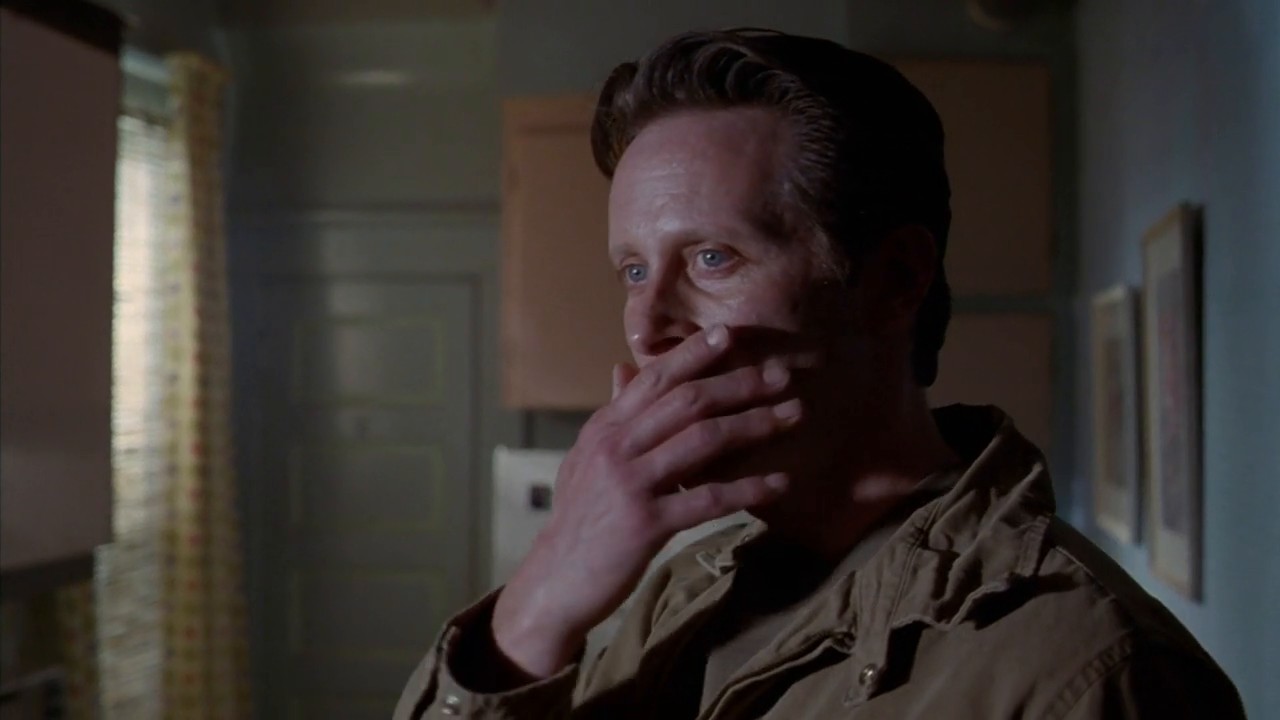
The adaptation makes Steven Weber both a writer and the man through whom the situation is experienced. That is a productive double position: arranging the story’s information is different from playing someone whose understanding is limited. A performance must make the next decision plausible in the moment even when the larger design points toward catastrophe.
Jane describes added attention to Frank’s police work and family, while arguing that the extra detail slightly reduces the comic’s mystery. His comparison gives us a specific critical proposition, not permission to invent a panel-to-shot history. Jane on the adaptation ↗ The issue is what expansion does to the rescue. The more social obligations the film gives Frank, the less his attachment can be considered a private problem affecting only himself.
There is now a clear route back to the source. Dark Horse’s Creepy Presents: Bernie Wrightson, listed by its distributor in a 2026 paperback edition, includes “Jenifer.” The Anchor Bay disc reviews identify a screenplay in the DVD-ROM material. These are two concrete objects for a later comparison; neither has been read here. Publisher’s collection record ↗
05 / ARGENTO, THE ANTHOLOGY & COLLABORATIVE CRAFT
A television commission is still a negotiation
In Romain Le Vern’s interview, Argento describes the appeal of ordinary people in rural America confronting an encounter they cannot control. He frames the central attraction as a reversal of Beauty and the Beast, and says he altered the script, including a conscious connection between the cat scene and Inferno. These are the director’s explanations of his approach, not substitutes for dated drafts. Argento on the project ↗
The same interview complicates the publicity idea of unrestricted television authorship. Asked whether he had complete freedom, he describes creative freedom as something continually negotiated. The page is dated 2013, but its introductory and production references concern an earlier encounter; it should not be treated as a freshly conducted 2013 production report.
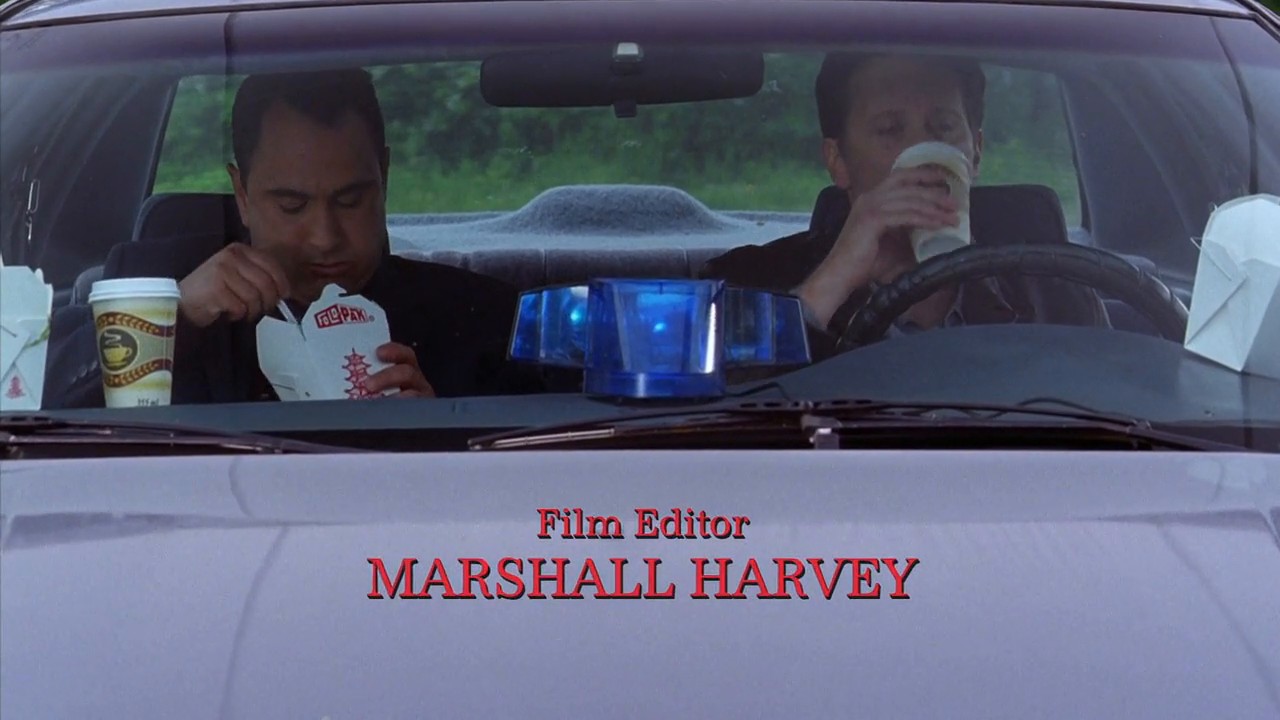
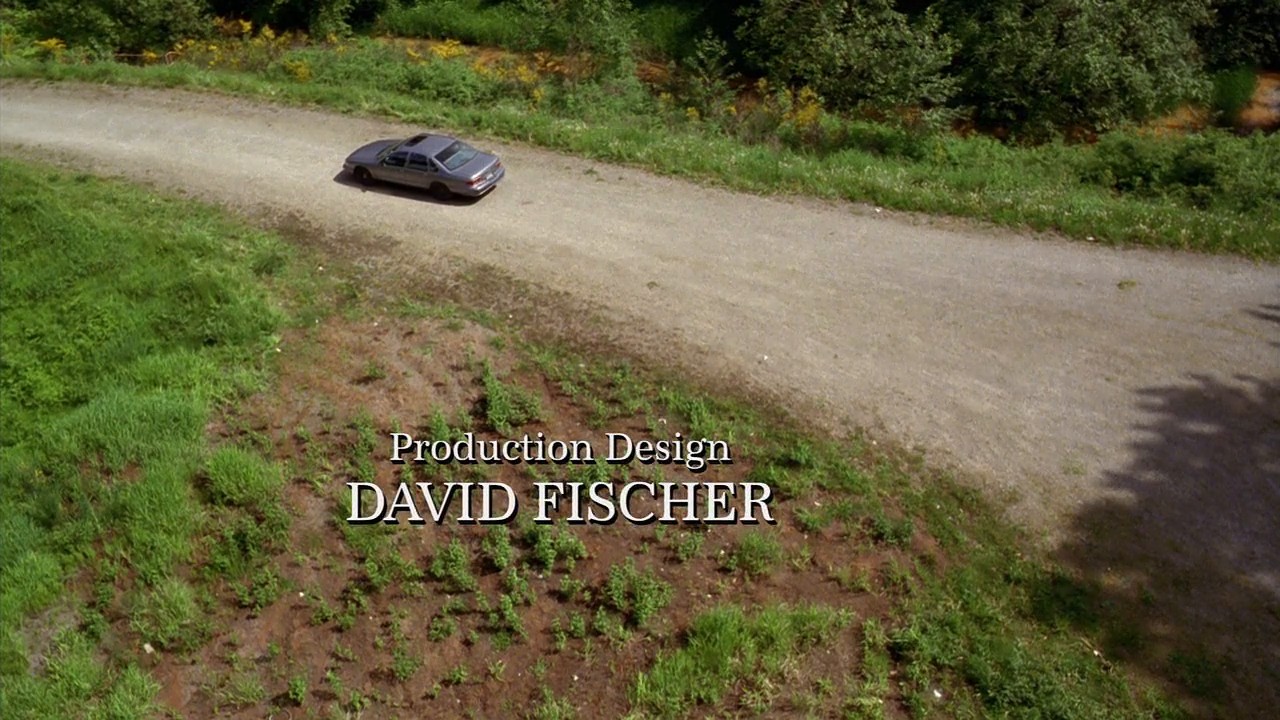
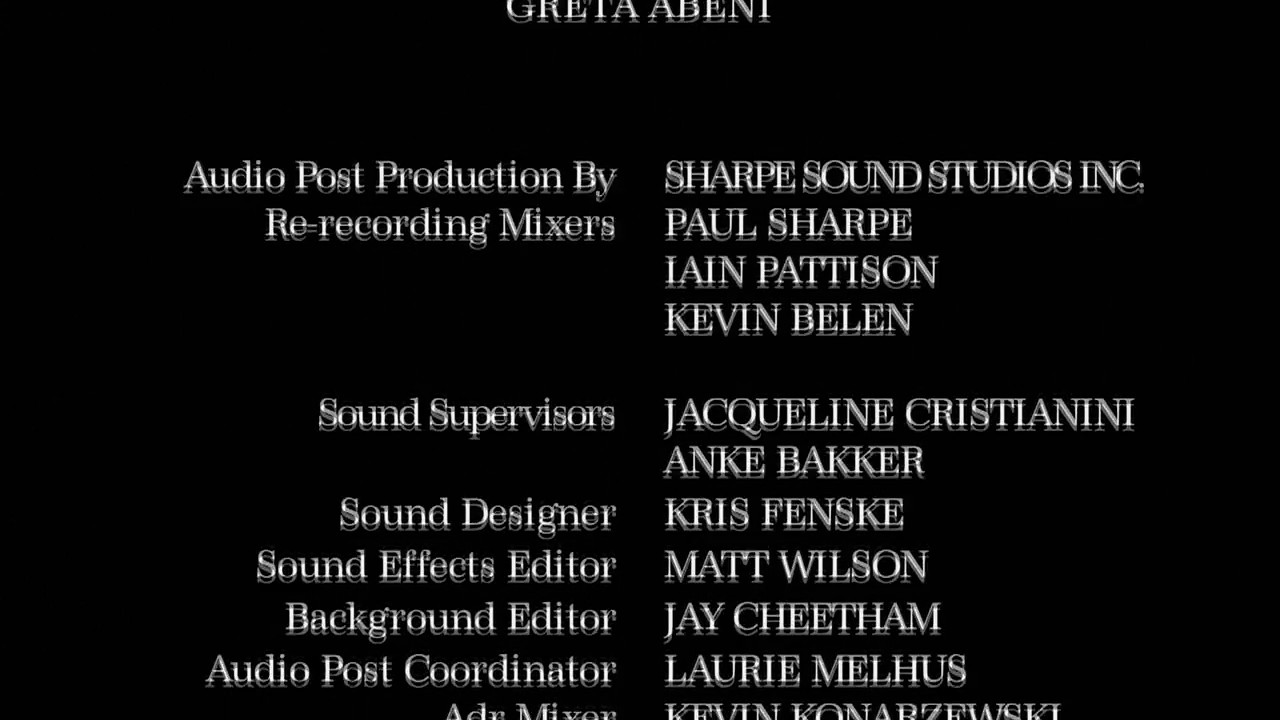
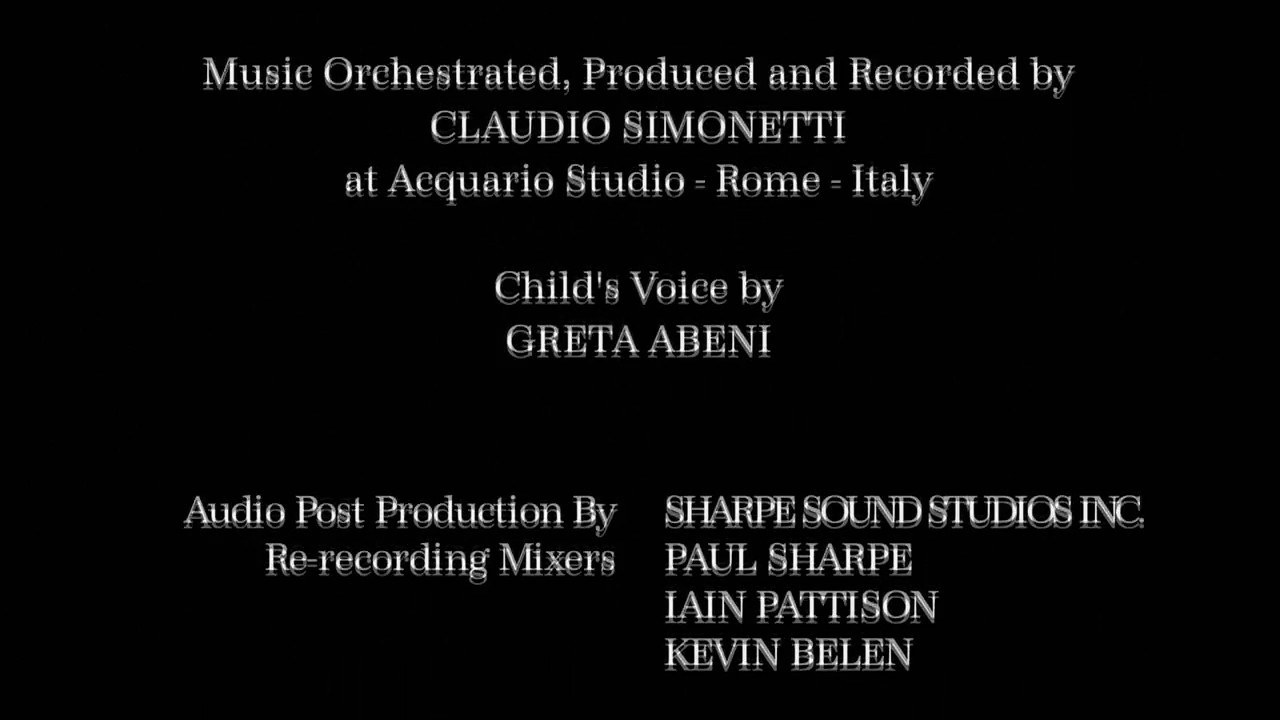
The “master” label can make a collaborative production disappear behind a signature. Viennale’s record identifies Attila Szalay for camera, Marshall Harvey for editing, Kris Fenske for sound, David Fischer for decoration, Lyn Kelly for costume and Claudio Simonetti for music. Festival credits ↗ These departments create the conditions under which a body, room or approach becomes legible. Their credits do not, by themselves, establish who devised a particular effect or camera movement.
The episode also travelled beyond a television slot. Brive’s June 2006 press dossier places Jenifer beside Carpenter’s Cigarette Burns and Dante’s Homecoming in a proposed Masters of Horror presentation. The page explicitly marks the programme as provisional. Original festival document, PDF p. 7 ↗ It records a curatorial intention: these short television works could be encountered together as cinema.
06 / SIMONETTI, STRINGS & THE LULLABY
The musical record extends beyond a familiar signature
Speaking to Marco Serra for SUONO, Simonetti describes Jenifer as an earlier step toward the orchestral approach he developed for Mother of Tears. This film-specific recollection describes the musical direction behind Jenifer. Simonetti on the orchestral direction ↗
Massimo Privitera’s 2026 review of the Rustblade album identifies Greta Abeni’s voice and string players Giancarlo Apostoli, Michelangelo Pietroniro, Pierluigi Pietroniro and Maurizio Tarsitani. The review discusses “Jenifer’s Lullaby” as a childlike melodic idea and contrasts it with the darker tension of “Saving Jenifer.” Album review and contributor record ↗
The lullaby is a useful interpretive problem precisely because its usual function is reassurance. In a story where caring becomes dangerous, a musical sign associated with care can make the listener’s response unstable. That proposition needs testing against a named film track before we assign it to a particular glance, cut or act of violence.
The record also offers a route beyond the episode’s reputation. An album isolates music that a film mixes with breathing, movement, dialogue and effects. The later sound investigation will compare a few decisive passages with the documented musical material, preserving the distinction between an album and the final mix.
The album as a separate object
Rustblade identifies RBL099LP as the soundtrack’s first vinyl edition, limited to 400 coloured copies. Its description places orchestral strings alongside electronic material. MVD’s distributor record gives a 35-minute programme and a US release date of 6 February 2026. These are specifications for the album, distinct from the episode’s running time and final sound mix. Label record ↗ Distributor record ↗
The repeated assurances of safety provide a verbal counterpart to the lullaby question raised above. Both place care at the centre of the episode’s uncertainty. This is a connection between the dialogue and the documented musical idea; it does not assign an album track to either rescue scene.
07 / ADMIRATION, REPETITION & THE ARGENTO EXPECTATION
The disagreement is about what repetition achieves
Ian Jane recommends the episode as an effective combination of horror, humour and sexuality, and values both lead performances. Shawn McLoughlin’s contemporary disc review is more resistant: he finds the repeated sexual situations monotonous and hears the score as unhelpful to the pacing. Jane’s assessment ↗ McLoughlin’s counter-reading ↗
Both responses can be understood through the episode’s central pattern. If repetition makes Frank’s inability to act differently increasingly painful, it can become the mechanism of the horror. If each return merely confirms a relationship already understood, it can feel like a short premise being prolonged. The disagreement concerns how experience accumulates, not simply whether the material is shocking.
The director’s earlier films also shape the terms of judgment. McLoughlin explicitly measures the result against his expectations of the maker of Suspiria. That comparison can identify a lost intensity, but it can also obscure the demands of a shorter television commission and an adaptation written by its lead actor. A useful account keeps both possibilities available rather than announcing a triumphant comeback or a terminal decline.
Fleming’s testimony supplies a further perspective on the reception language. Discussion built entirely around a desirable body and an alarming face can erase the actor’s choices. Bringing performance and production into the account does not require approving the story’s sexual politics. It gives us more precise grounds on which to examine them.
08 / BROADCAST, FESTIVAL & HOME VIDEO
A running time is a lead, not a verdict
The presentation used for the illustrated studies runs 57:54, including the anthology opening and closing credits. Its duration is recorded separately from the edition specifications below.
Apple’s US listing dates the episode to 18 November 2005 and describes a 55-minute presentation. Viennale’s V’06 archive lists 57 minutes. The Anchor Bay reviews give 58; Brive’s provisional programme gives 60. These records identify different contexts, but the numbers alone cannot tell us whether material was removed, whether credits were included or whether a duration was rounded.
The disc offers a particularly useful research route: Weber’s commentary with Perry Martin, separate actor interviews, Argento’s So Hideous, My Love, a makeup featurette and DVD-ROM screenplay. Jane also reports deleted clips within the Argento interview. Supplement inventory ↗
McLoughlin explicitly reviewed a pre-release copy, a limit worth retaining when using its specifications. His 1.77:1 description and Jane’s 1.78:1 should not be inflated into evidence of distinct compositions. A meaningful comparison requires identified copies and matching scene landmarks. Until then, the dossier preserves the differences without manufacturing a “complete version.”
 ENLARGE ↗