01 / ROMERO, ARGENTO & THE RIGHT TO CONTROL
Two stories of bodies that will not cooperate
Two Evil Eyes places two different abuses of authority beside one another. In Romero’s The Facts in the Case of Mr. Valdemar, a doctor and a younger wife manipulate a dying man to obtain his money. In Argento’s The Black Cat, a photographer turns cruelty into an image and then tries to conceal a murder. These are separate narratives, with separately credited directors and writers, inside one feature. The two-segment record ↗
Our central comparison is between the management of property and the management of evidence. Both depend on making another body serve an intended outcome. A signature should settle ownership; a picture should fix what can be seen; a hiding place should prevent discovery. The supernatural disruption exposes the limits of those arrangements.
That connection gives the pairing more to offer than a contest over which director delivers the better episode. Its two professional worlds also invite different forms of trust. Medical authority suggests care, while documentary photography suggests truthful observation. The premises place exploitation within those apparently legitimate activities.
Argento’s contribution remains the centre of this dossier, but Romero’s changes the questions we bring to it. A victim’s body is never merely an inconvenient object, however efficiently someone tries to treat it as one.
02 / POE & THE SELF-PROTECTIVE NARRATOR
Confession does not guarantee understanding
Poe’s “The Black Cat,” in the transcription of its 19 August 1843 printing, begins with a narrator facing death and insisting that he is sane. He presents his story as domestic fact while repeatedly assigning his behaviour to drink, perverseness and the animal’s supposed persecution. An admission can be precise about an action and evasive about responsibility at the same time. Poe’s opening and account of cruelty ↗
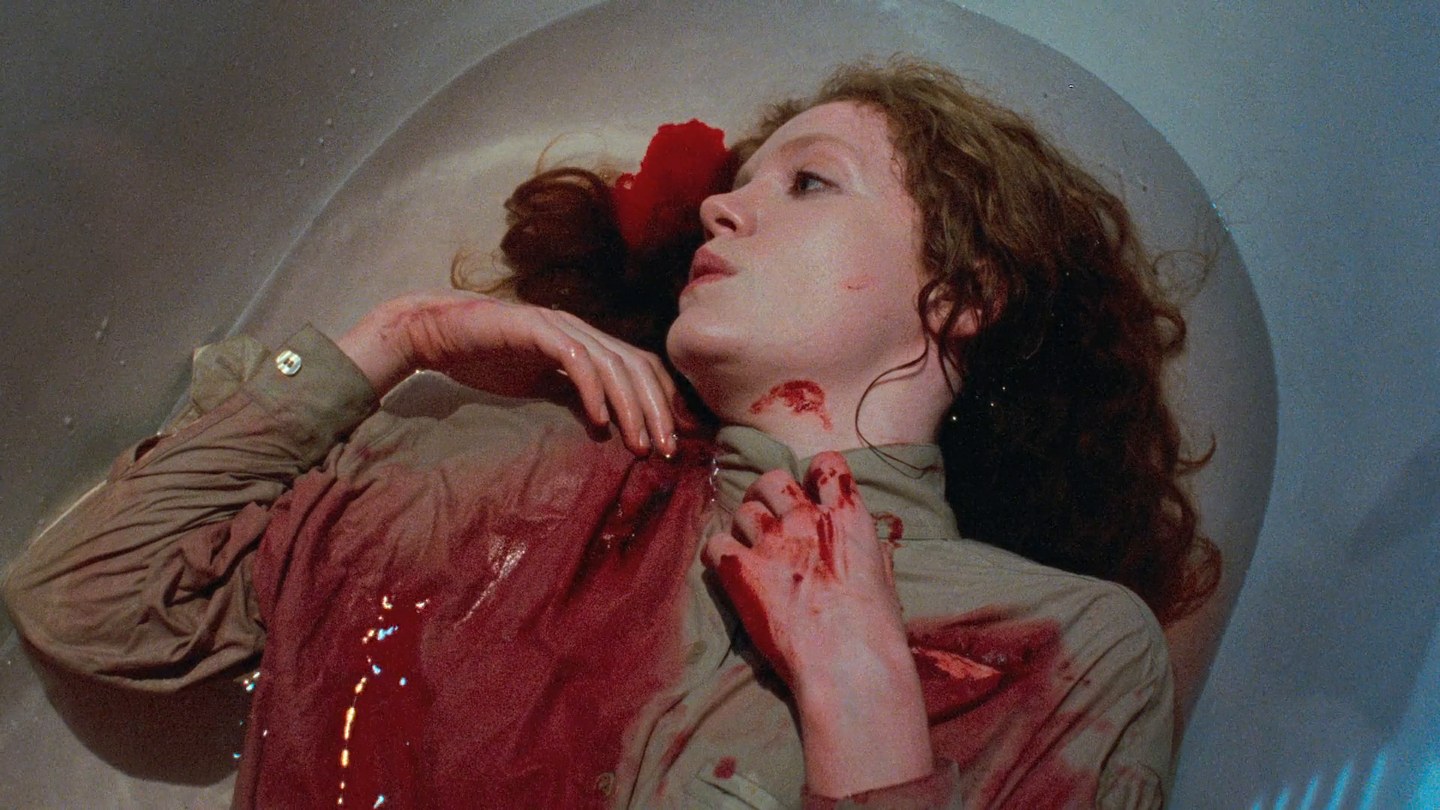
The wife’s murder makes that evasion especially stark. She interrupts a blow aimed at the cat; the narrator turns the weapon on her. Afterwards, his attention moves to the practical problem of concealing her body. His account gives considerable space to his own feelings and ingenuity, while the person he has killed becomes material to arrange.
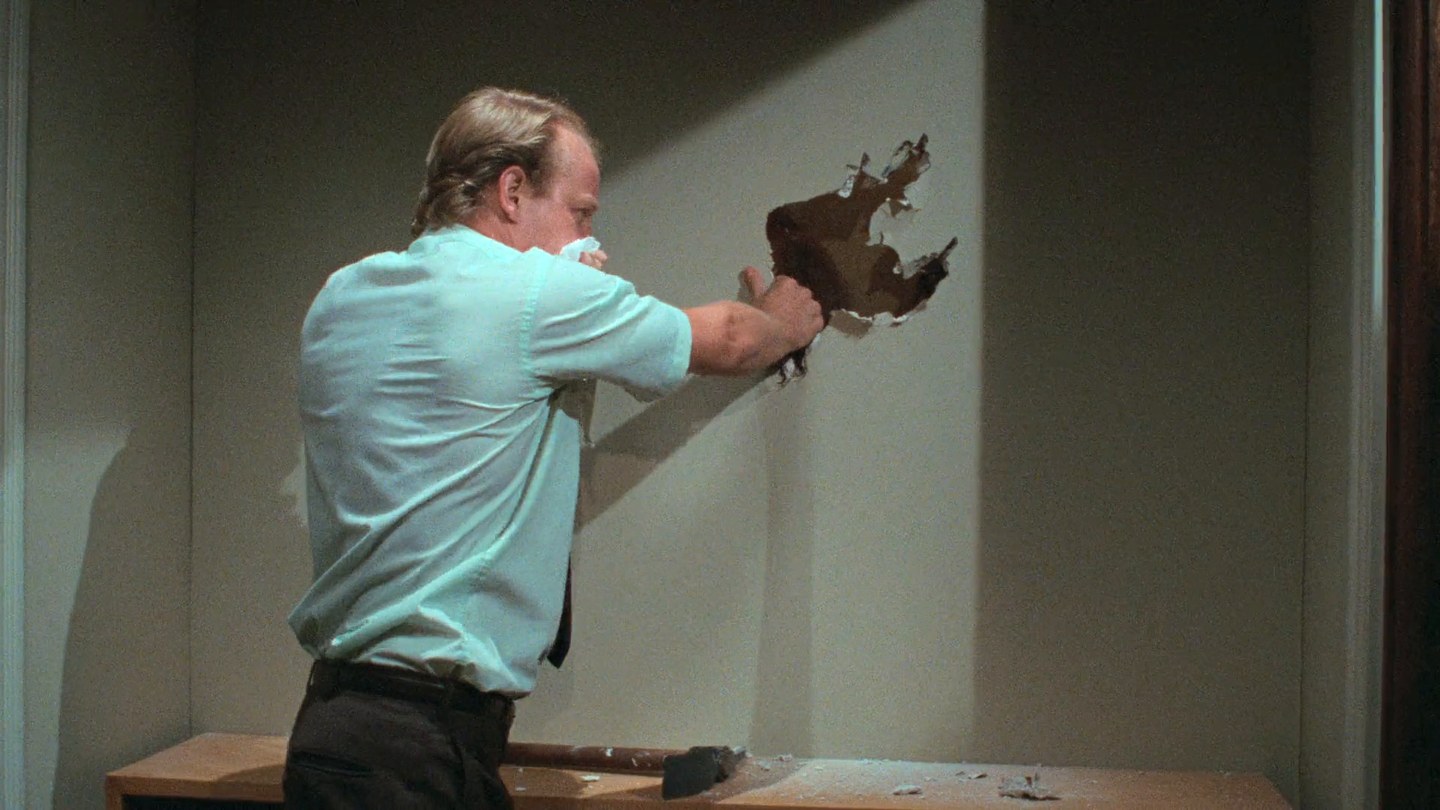
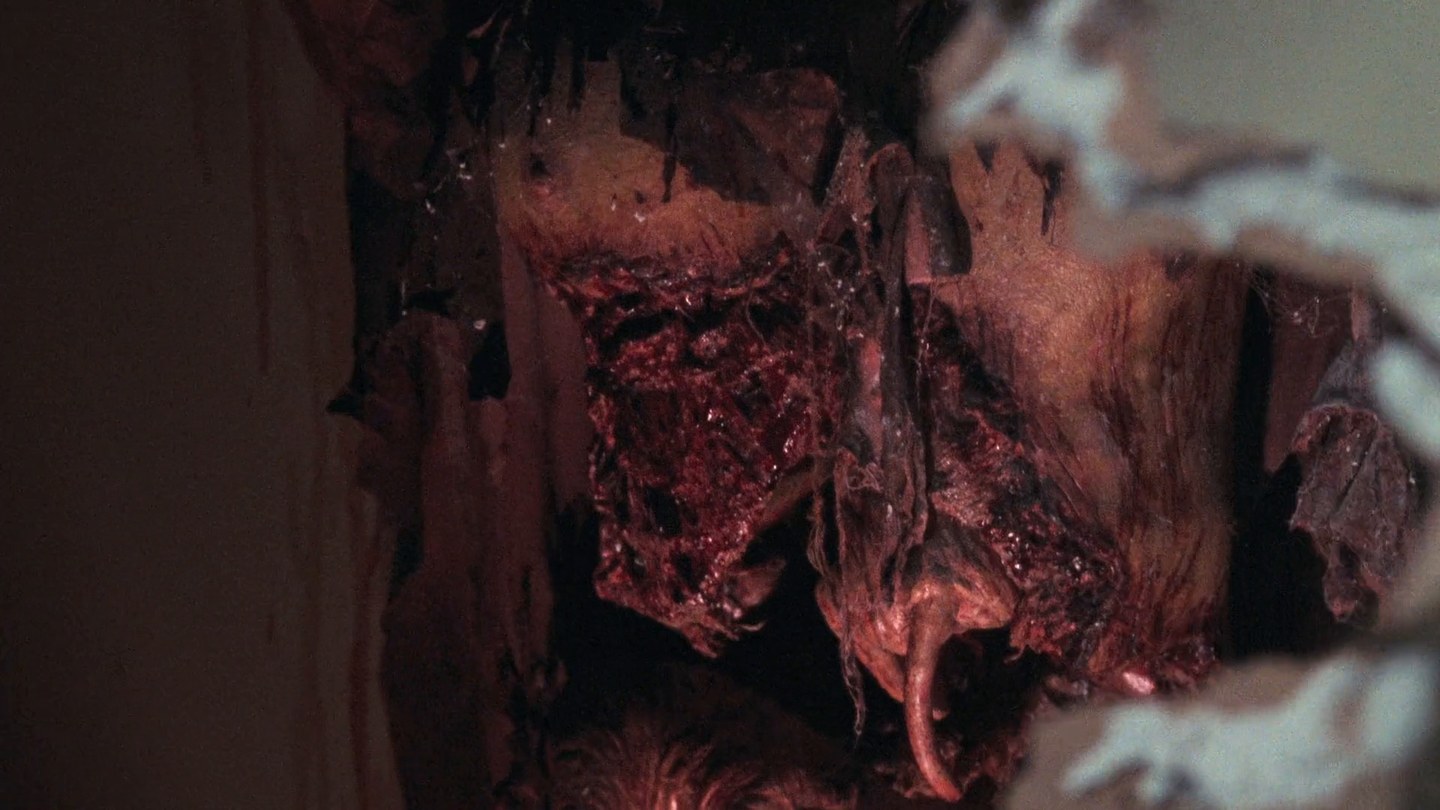
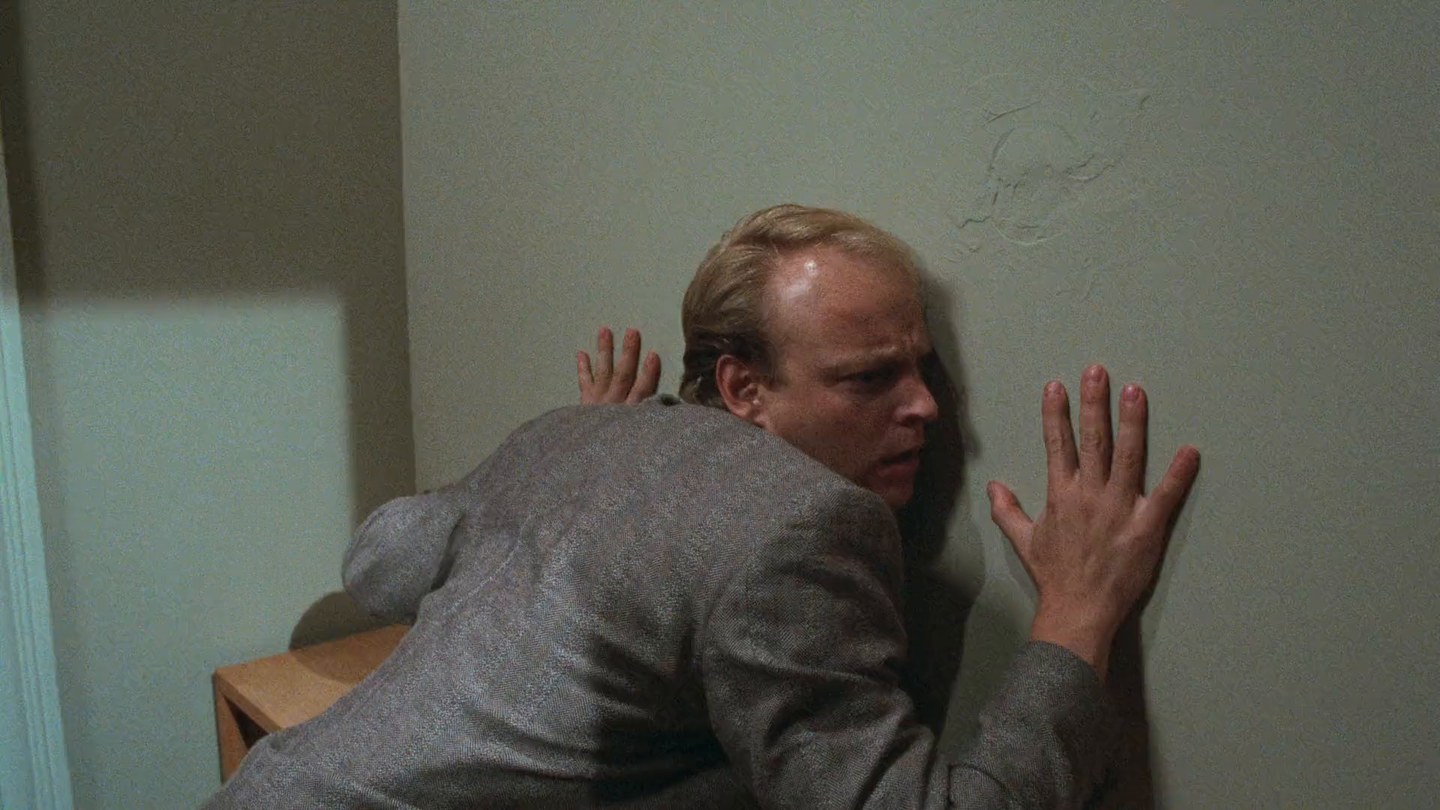
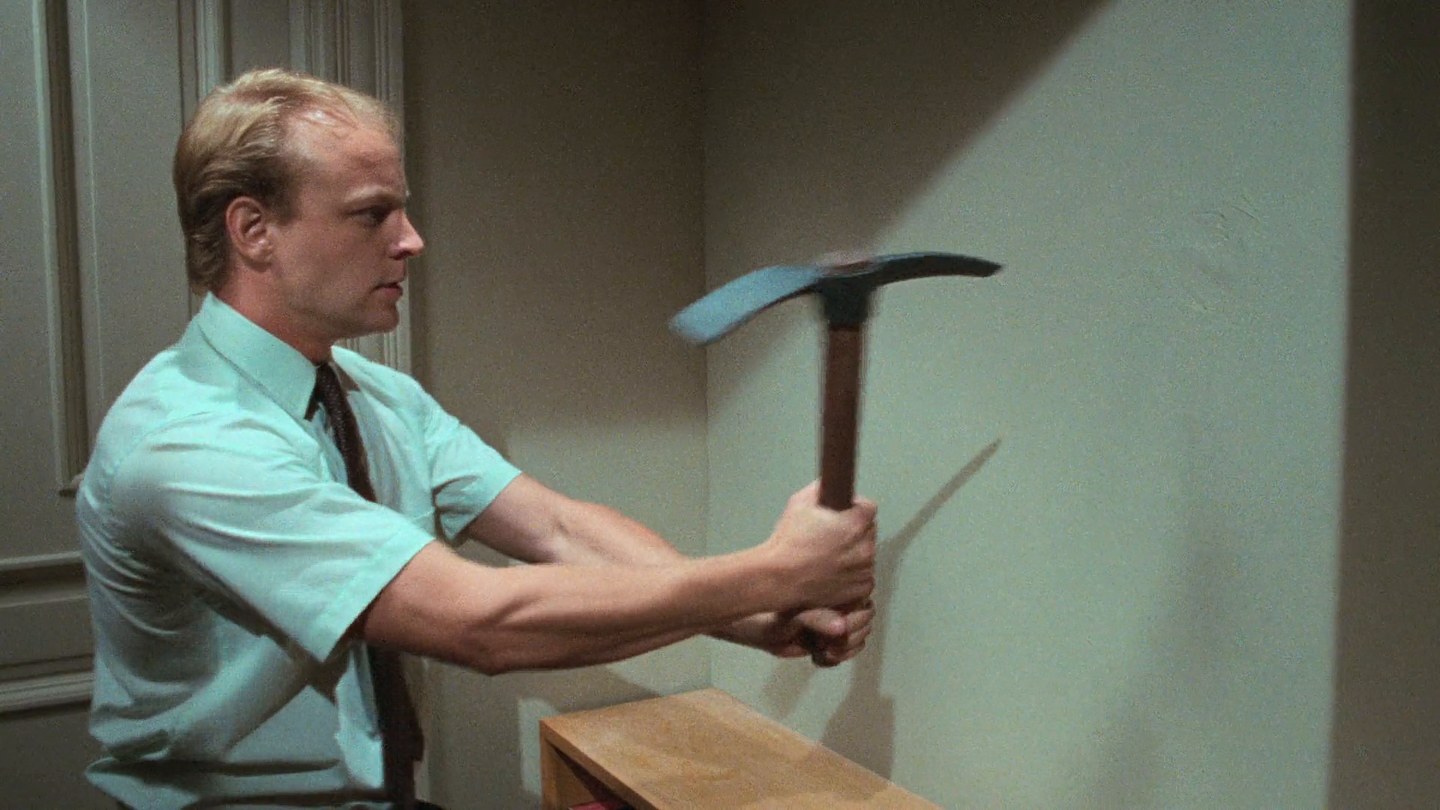
At the ending, his confidence in the wall’s construction prompts the boast that betrays him. The cat’s cry exposes the concealed corpse. Even then, he blames the creature for seducing him into murder. The last explanation attempts to recover the authority that the physical evidence has destroyed.
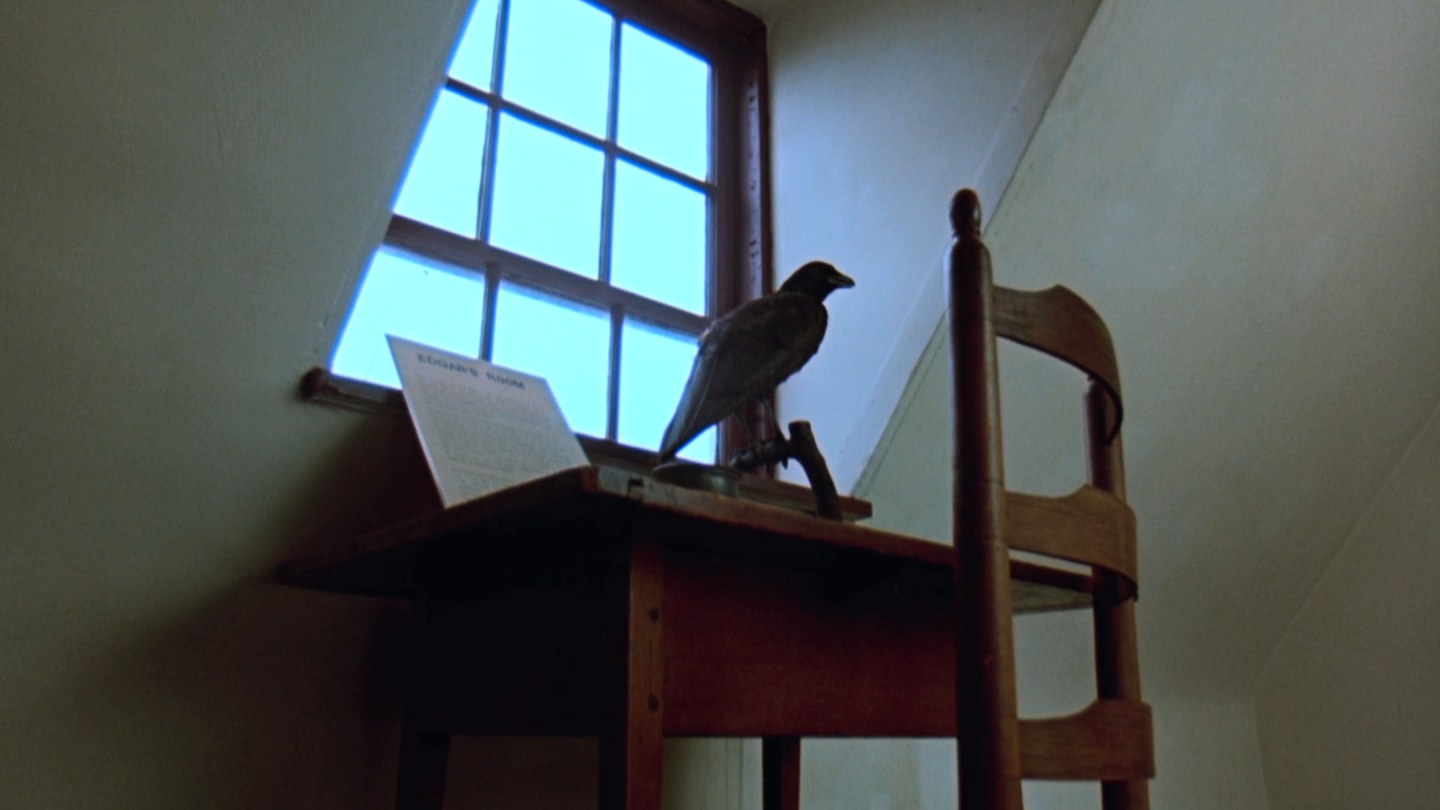
The opening and conclusion of Poe’s 1845 “Valdemar” work differently. Its speaker claims the authority of an investigator correcting public misunderstanding. The attempt to regulate death ends in a body’s sudden dissolution. Poe’s experiment and conclusion ↗ Read together, the tales distrust the reassuring forms in which a person may present something appalling: the orderly confession and the orderly report.
03 / ROD USHER, ANNABEL & THE VIOLENCE OF MAKING
The witness begins manufacturing the evidence
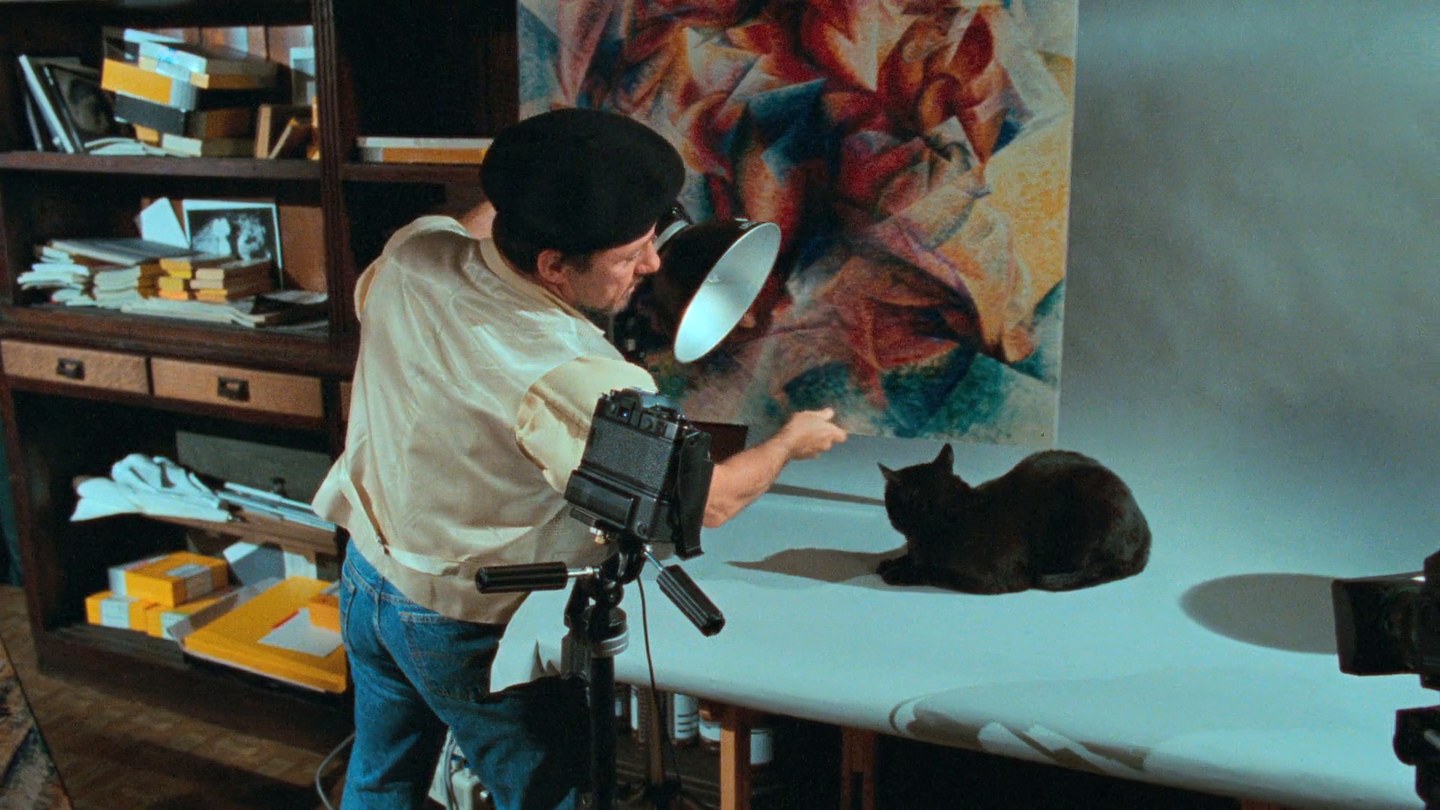
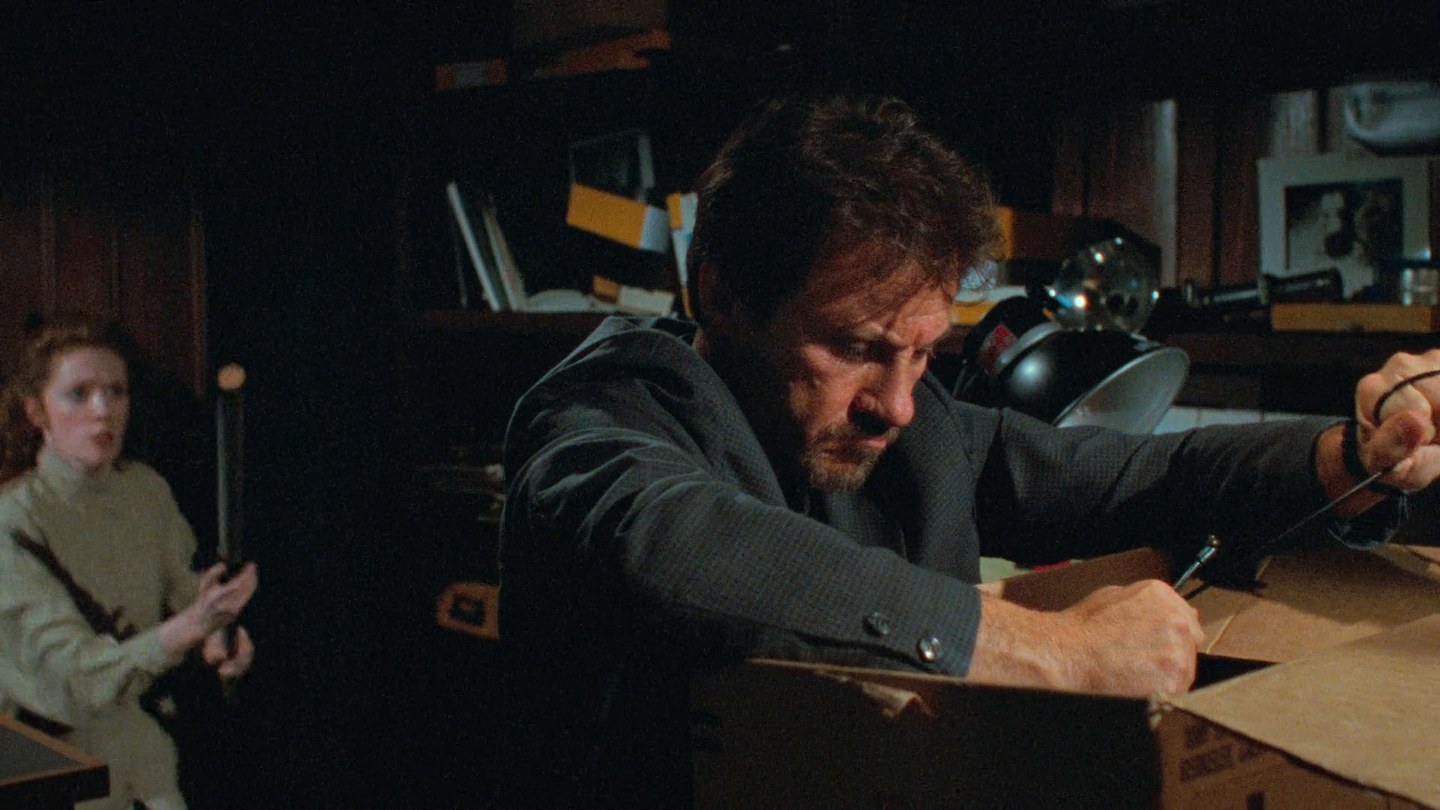
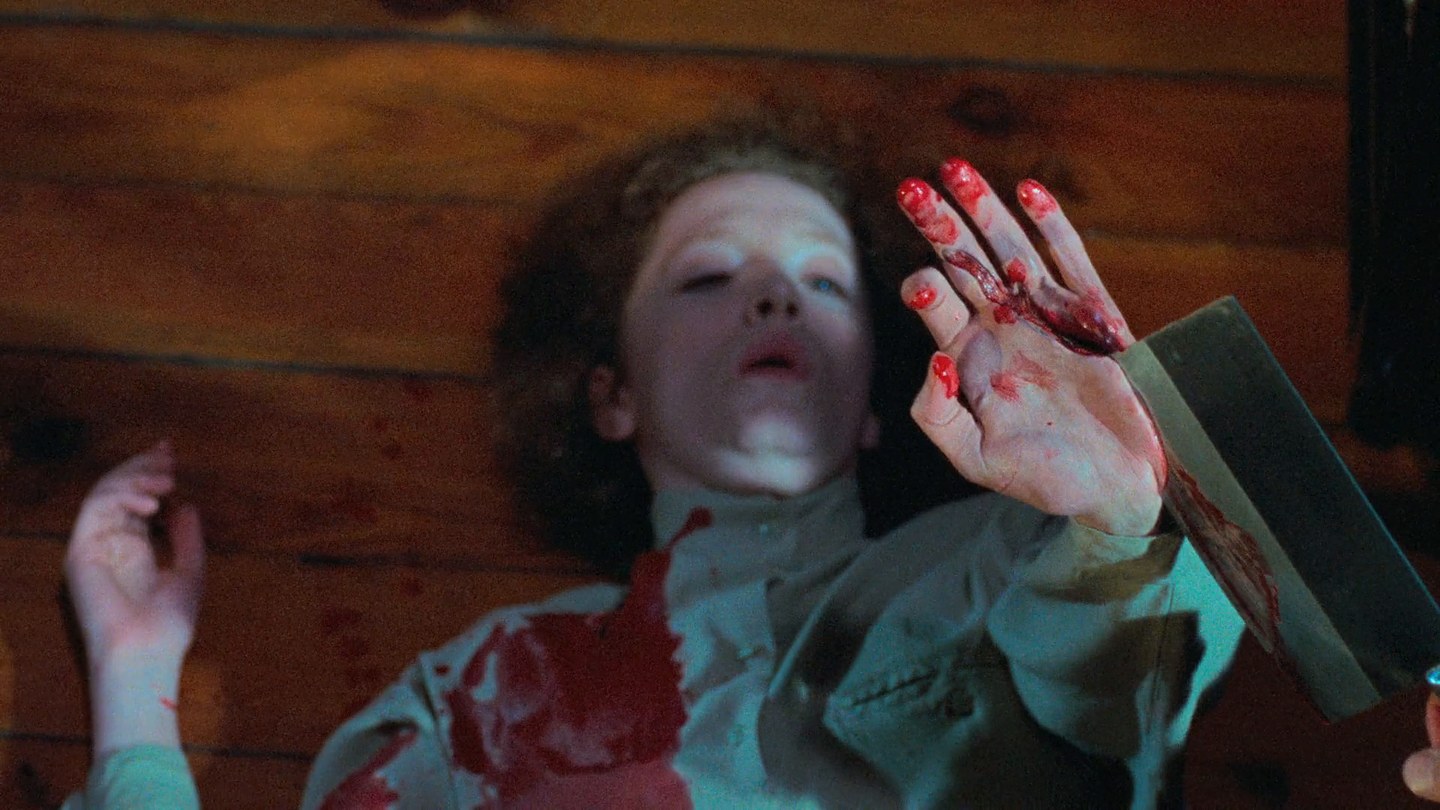
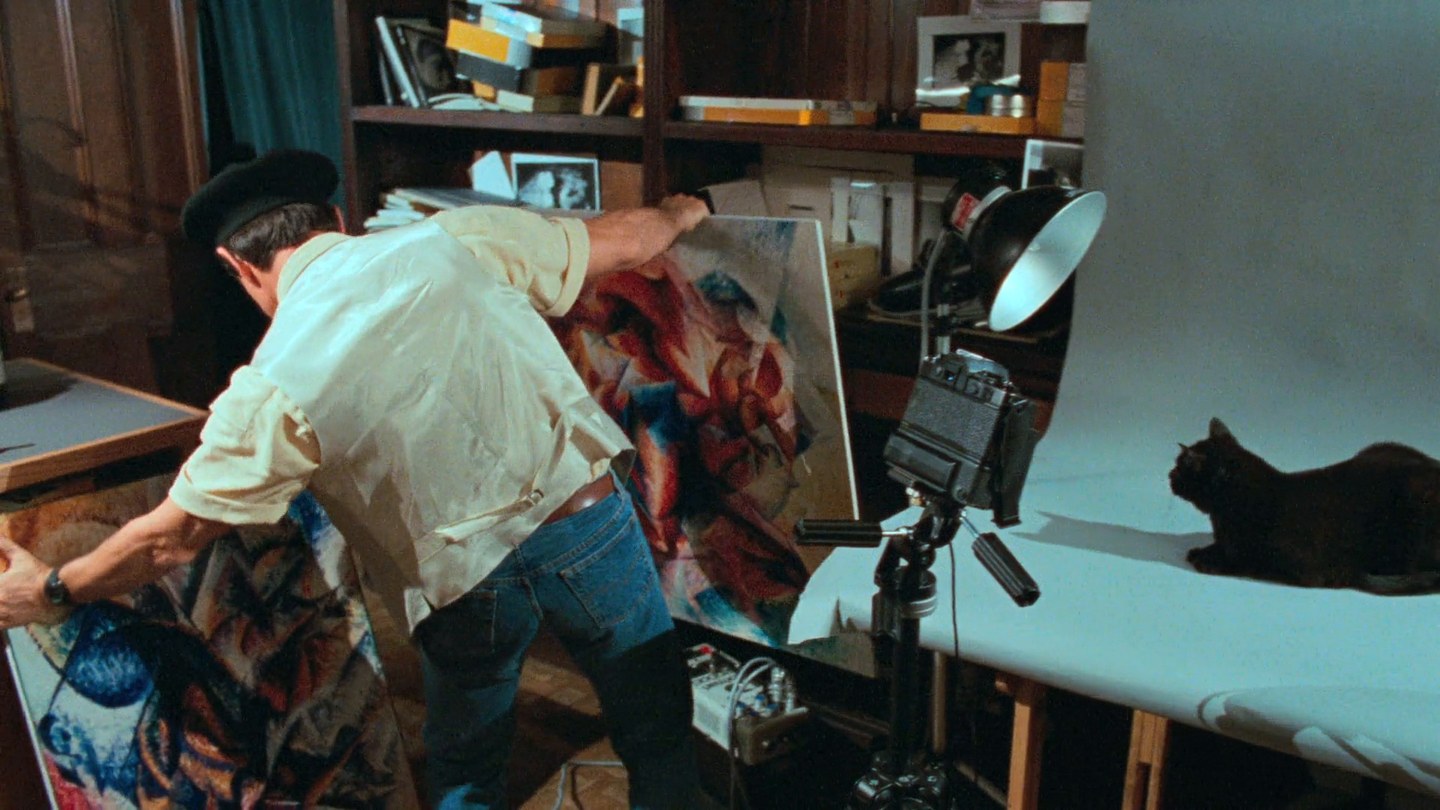
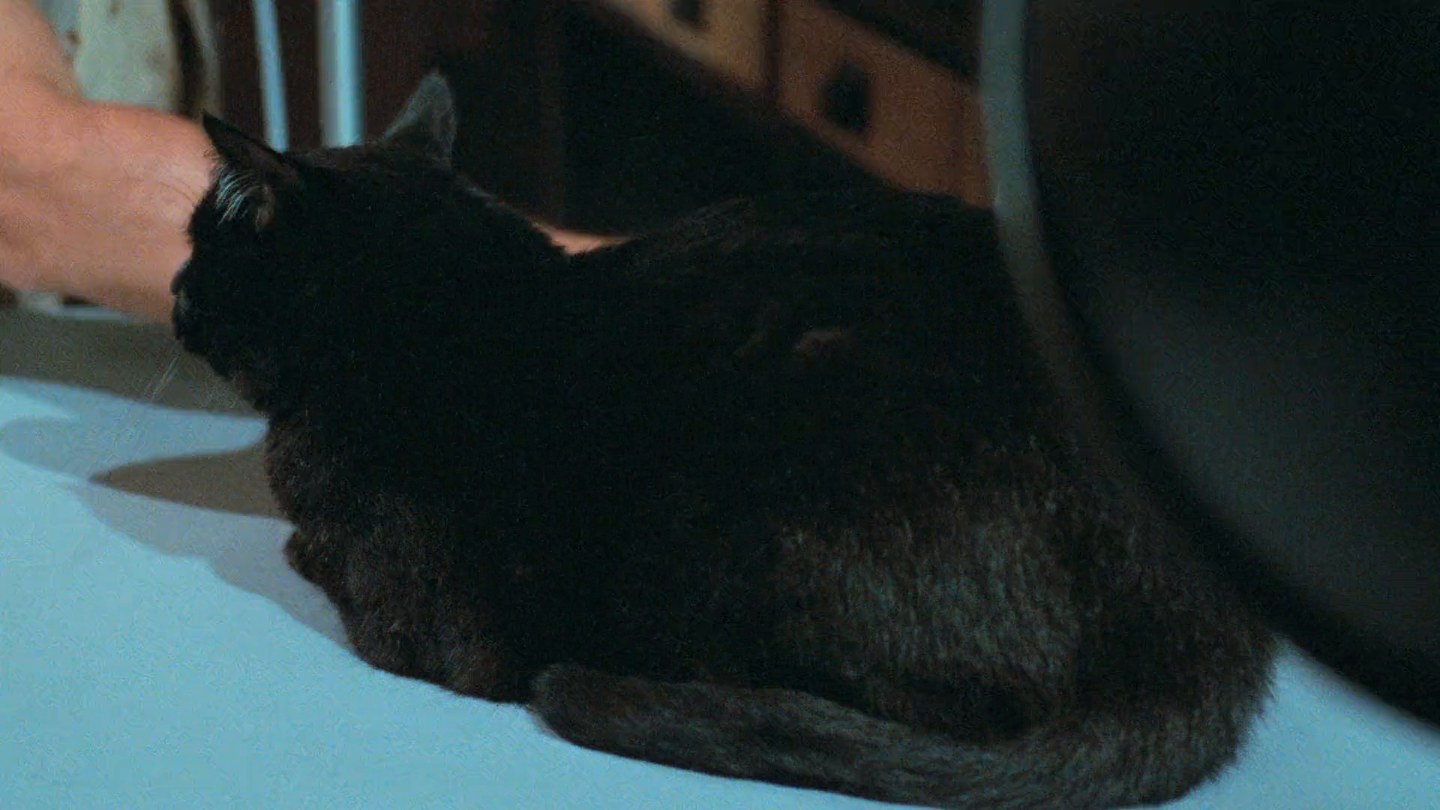
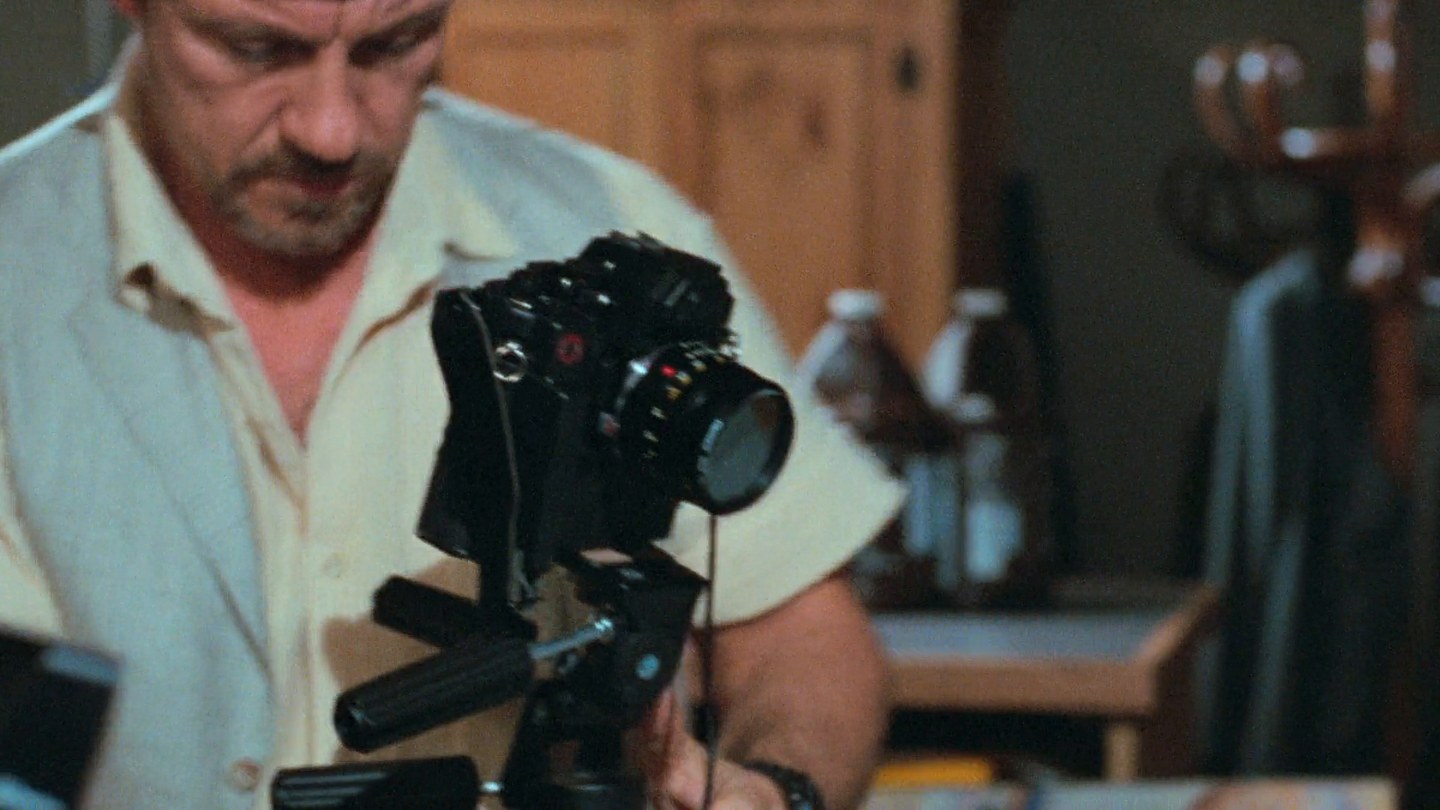
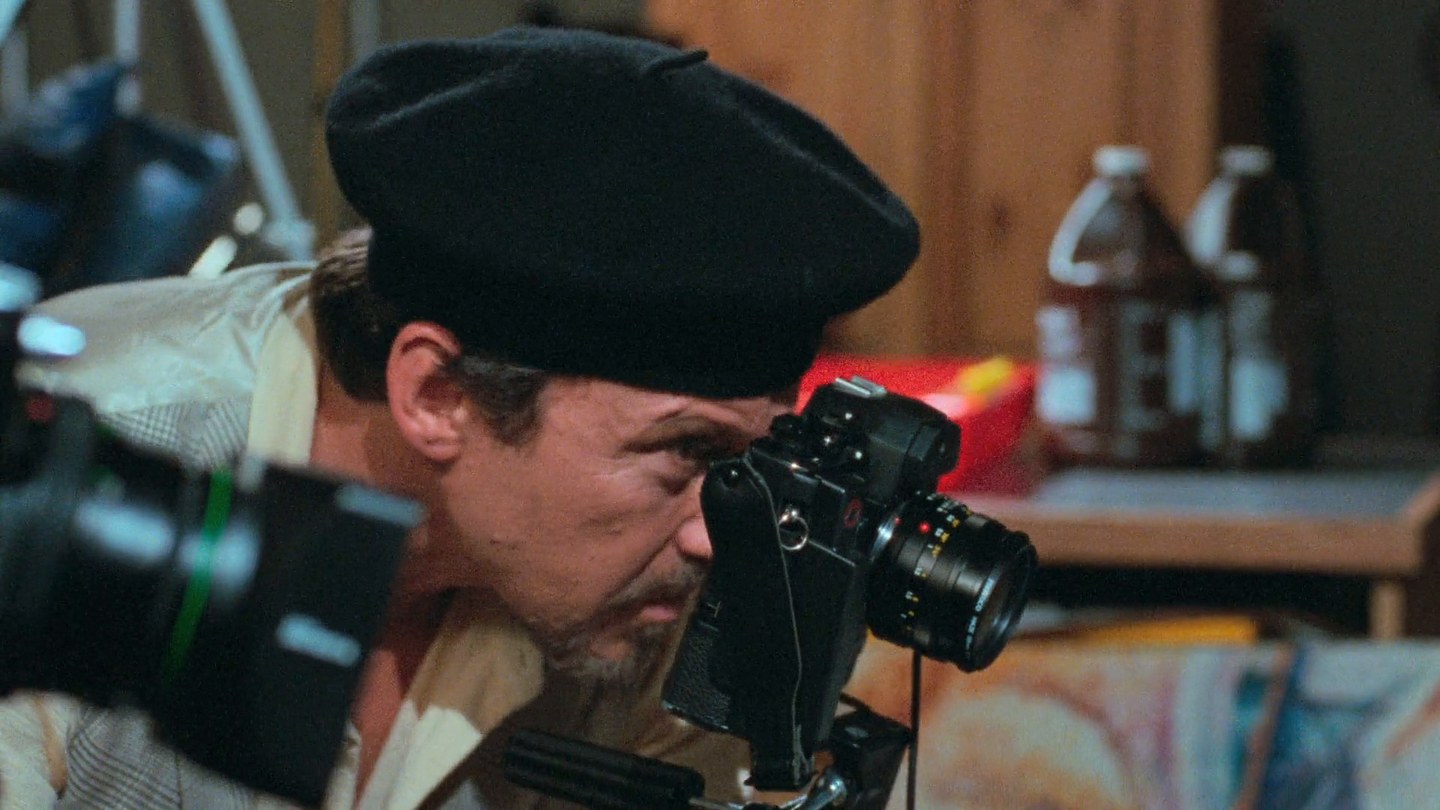
Noah Cowan’s 1990 Toronto programme account describes a crime photographer who kills the cat before his camera to complete a book, then murders the woman who discovers what he has done. The contemporary programme account ↗ The profession gives Poe’s problem of narration a material counterpart. Rod does not only describe violence after it happens; he can produce an image by causing the event.
The distinction between witnessing and making matters. A disturbing photograph might expose suffering, exploit it or do both. Once the photographer creates the suffering for the photograph, any claim to detached observation collapses. A finished image can conceal that collapse by showing an object while withholding the circumstances of its manufacture.
Madeleine Potter’s Annabel is consequently more than an obstacle to Rod’s composure. Her discovery brings the photograph back into a relationship, where its production can be questioned. The domestic violence and the professional violence belong to the same effort to prevent another being from resisting his account.
The 2022 FLC programme presents Keitel’s role as an unusually concentrated actor’s showcase. It relays Argento’s account to Maitland McDonagh of a criminal who believes silence can protect him. FLC’s account of the performance ↗ This supplies a useful tension: a man whose work makes things visible wants his own conduct to remain inaccessible.
04 / THE INSPECTED IMAGE & THE ANIMAL’S PRESENCE
A face that will not stay in the background
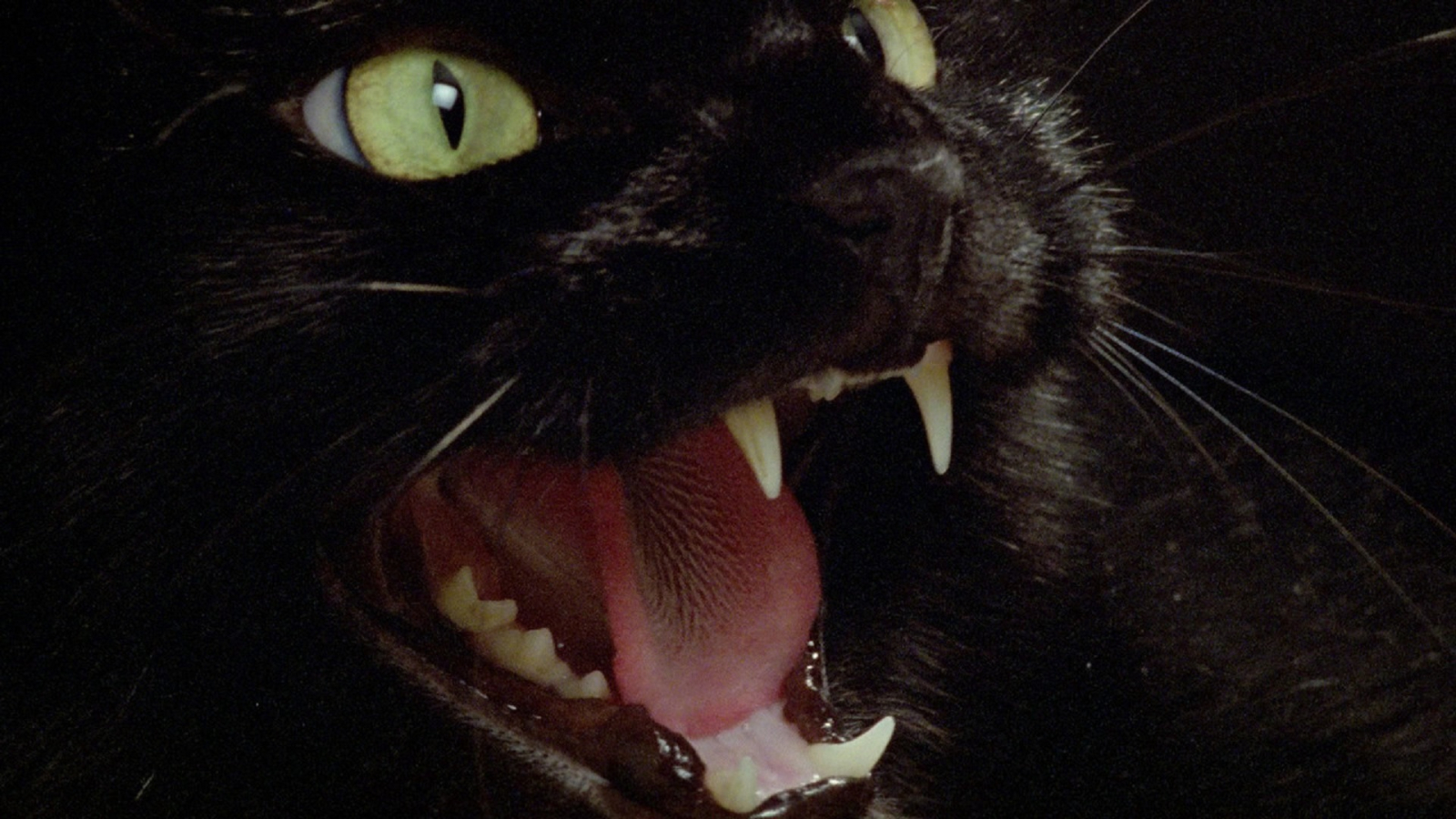
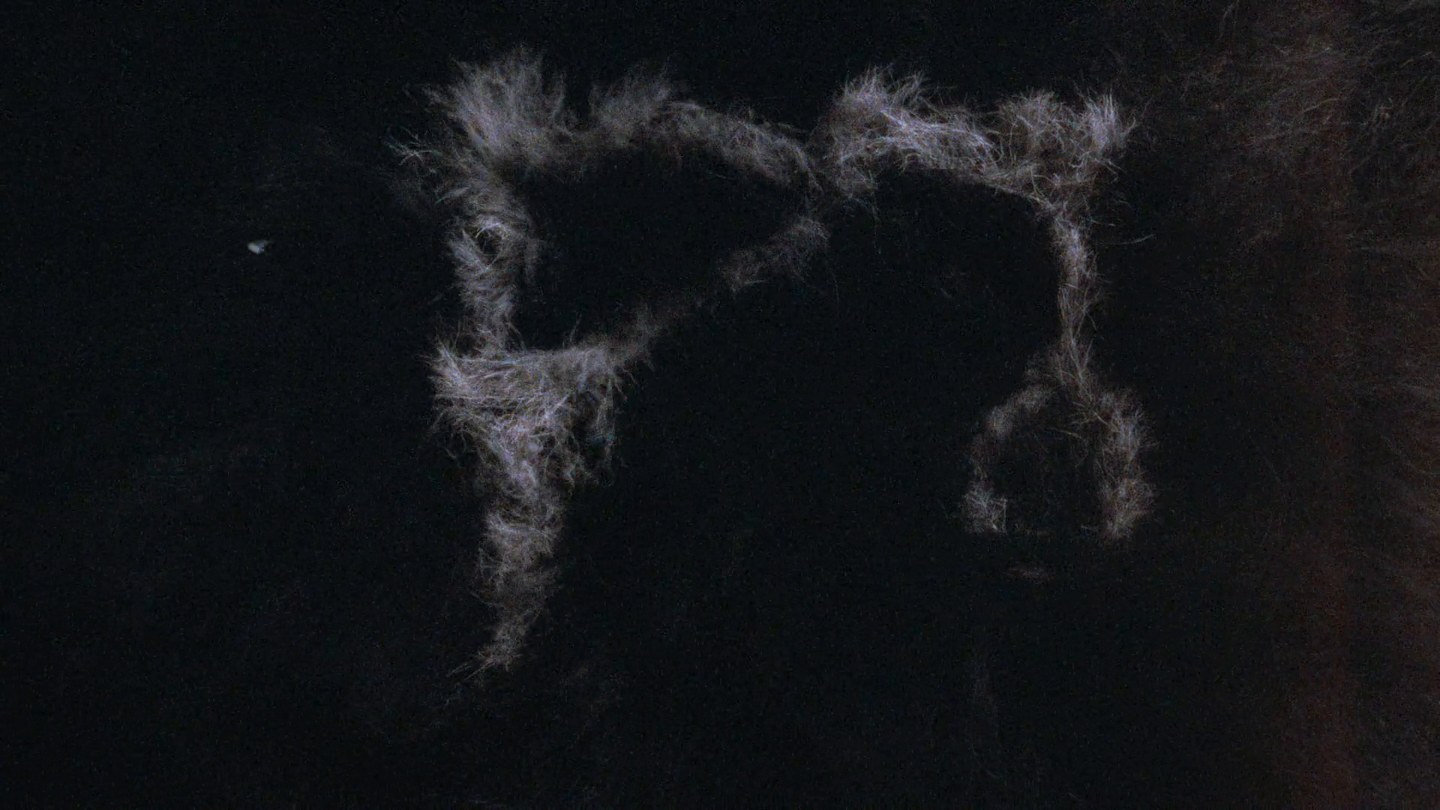
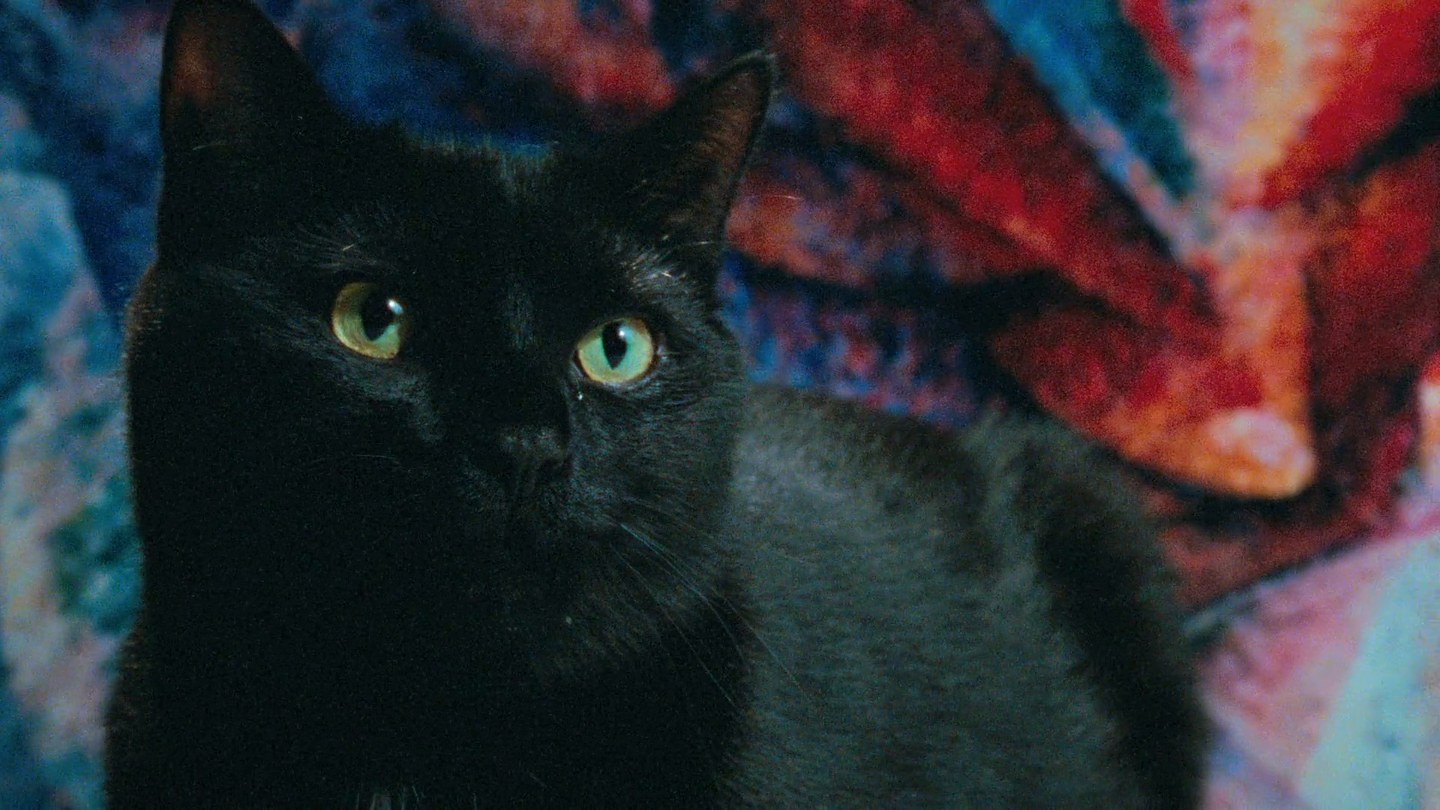
The supplied FLC image fills almost the entire rectangle with the cat’s face. A large yellow-green eye occupies the upper left; the second eye is partly caught at the top edge. White whiskers and exposed teeth break sharply through the black fur. The open mouth, pink tongue and dark interior give the lower half its own centre of attention.
Very little surrounding space survives. There is no comfortable view of the animal as a small decorative presence in a human room. The face confronts the viewer at a scale normally associated with a human close-up, while refusing the verbal explanation that a human character might supply.
That makes the image a productive counterweight to Rod’s profession. He wants to organise what other bodies mean; here, the body resists becoming background. Accusation, fear and aggression are possible readings of the expression, but the reproduction does not settle which is intended. Nor does an open mouth establish the accompanying sound.
The full supplied 1600 × 900 composition is retained above and served locally. This visual reading concerns the inspected image; it does not identify a lens, animal-training method, effect, camera movement or original colour standard.
05 / PITTSBURGH, SEPARATE CAMERAS & SHARED CRAFT
A collaboration made by more than two men
Torino’s credit list assigns photography to Peter Reniers for Romero’s episode and Giuseppe Maccari for Argento’s. It credits Franco Ferrini alongside Argento on the second screenplay, with Pasquale Buba editing, Cletus Anderson designing the settings and Barbara Anderson designing costumes. Department and segment credits ↗ The joint title should not flatten that division of labour.
Adam Tyner’s 2019 account places the production in Pittsburgh and describes a larger anthology conception that contracted into the finished pairing. He also reports Argento’s Baltimore footage about Poe’s life. Tyner’s production account ↗
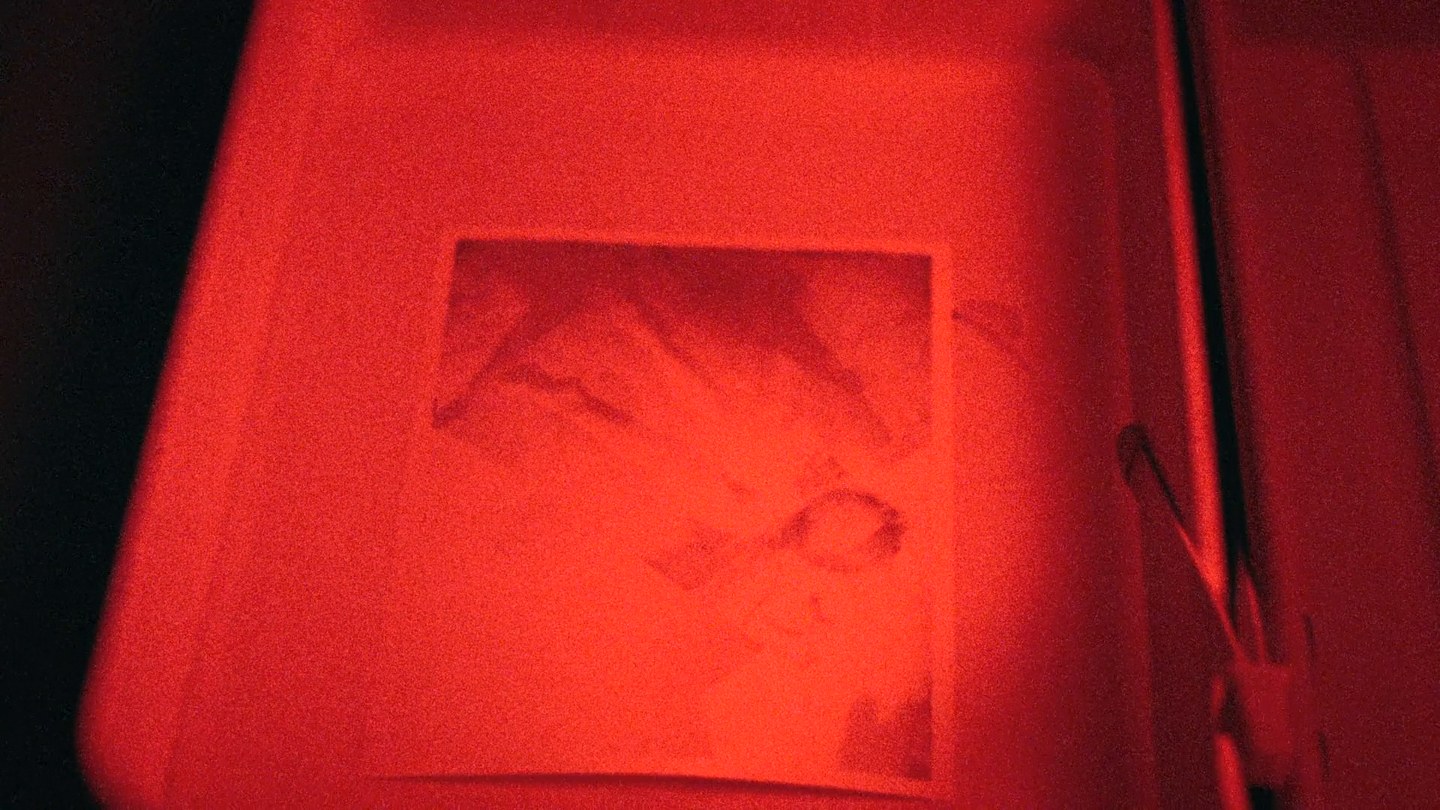
Tom Savini’s effects work occupies an especially revealing position in a film about photographed injury. The image may be fictional within the story, fabricated for the camera, and then sold to an audience as a convincing spectacle. Keeping those levels distinct allows us to discuss the attraction of the effects without confusing staged harm with an undocumented account of what happened on set.
The Blue Underground edition listing offers concrete routes into that collective work: Ferrini on rewriting Poe, Luigi Cozzi on the production, Everett Burrell on makeup assistance, and Savini’s effects feature. Listed production supplements ↗ They should help identify who made particular photographs, prosthetics and props before individual effects are assigned to a single name.
06 / DONAGGIO, MASSARA & THE RECORDED OBJECT
One composer credit contains several kinds of music
Rustblade’s 2024 soundtrack credits distinguish Donaggio’s composition from orchestration shared with Natale Massara, Massara’s conducting, Paolo Steffan’s programming, and Sergio Marcotulli’s recording and mixing at Forum Music Village in Rome. The same record identifies “Adest Sponsus” as anonymous music performed by the Boston Camerata under Joel Cohen. Album credits and track listing ↗ Treating every musical sound as an original Donaggio composition would lose that distinction.
The album connects both sides of the feature through titles including “The Photographer,” “The Black Cat,” “The Signature” and “Hypnosis.”
Mixing is another layer. Tyner reported dialogue-balance problems in the 2019 release’s 7.1 track and preferred its stereo option. That is his listening report, not a result reproduced here. The edition-specific audio report ↗ It makes identification of the actual mix essential before drawing conclusions about the balance of voice, music and effects.
The voice and dialogue studies follow those acts of interpretation across both stories, while the sound record separates the credited crafts. The presentation guide keeps the soundtrack formats and edition-specific listening reports distinct.
07 / KEITEL, PASTICHE & CHANGING EXPECTATIONS
The same excess can be a strength or a failure
Cowan’s 1990 festival note welcomes the pairing and praises Keitel’s controlled unpleasantness. Walter Chaw’s 2009 review reaches the opposite judgment: the Poe references strike him as decorative, and the performance and narrative energy disappoint him. Cowan’s festival judgment ↗ Chaw’s critical response ↗
Tyner’s 2019 reassessment complicates a simple preference for Argento. He describes moving toward Romero’s episode over successive viewings, finding more in Barbeau’s conflicted Jessica while becoming less persuaded by Keitel’s extremity. A critic revises his preference ↗ The question is partly one of dramatic development: does an immediately excessive performance make obsession tangible, or leave it too little distance to travel?
Pastiche creates a related test. A borrowed name or murder device can invite recognition without becoming dramatically necessary. Yet recognition can also be part of a film’s pleasure, letting a familiar literary world appear in unfamiliar arrangements. Neither the number of references nor fidelity to a single tale settles the achievement.
In his 2013 conversation with L. Andrew Cooper, Argento rejects the proposed stylistic rupture between Opera and Trauma, the period that includes Two Evil Eyes. He describes continuity in his work despite different stories. Argento’s retrospective account ↗ That answer belongs beside the reviews, not above them. The filmmaker’s sense of continuity and a spectator’s experience of change can remain in disagreement.
08 / FESTIVAL RECORDS, RESTORATIONS & DIFFERENT UNITS
A segment is not the whole feature
The original Toronto programme page is a particularly useful object. The scan, printed page 298, lists 105 minutes and 35mm. Torino later lists the feature at 117 minutes; its header says 1989 while its filmography says 1990. Neither record has been silently converted into a verified edition length. Original Toronto page ↗ Torino’s record ↗
FLC’s 66-minute entry describes a different unit from a complete double bill. The Blue Underground specifications reproduced by Cinematic Vault describe another release lineage. FLC presentation ↗ Home-video specification ↗
The indexed text of Italian approval file 85361 records 22 January 1990, 3,200 metres and an under-14 restriction. Approval-file access note ↗
The listing’s separate format panels matter: Blu-ray is described at 1.78:1 with English 7.1 and 2.0 DTS-HD tracks; UHD is described at 1.85:1 with Atmos and 2.0 DTS-HD. The presentation used for the new visual studies has a 2019 restoration card and a 16:9 image.
For further production testimony, the listed supplements provide four distinct routes: Savini’s EFX and Everett Burrell’s Two Evil Brothers for effects work; Franco Ferrini’s Rewriting Poe for adaptation; Madeleine Potter’s Behind the Wall for performance; and Donaggio’s One Maestro and Two Masters for the score. These are the edition’s advertised interviews and features, not newly transcribed testimony. Edition and supplement listing ↗
09 / ADAPTATION & ARGENTO’S AMERICAN WORK
A useful hinge, without a verdict of decline
Asked about literary adaptation by Cooper, Argento links “The Black Cat” with his Phantom of the Opera and Dracula while emphasising his wish to transform inherited material. The director on changing an adaptation ↗ This is a productive connection for the archive: what matters is not only what survives from a source, but the new pressure exerted on it.
Here, the pressure comes from turning a self-justifying speaker into a maker of photographs. The adaptation asks how an image can appear to report the world while participating in violence. It belongs beside The Cat o’ Nine Tails as an inquiry into photographic evidence, and beside Trauma as part of the investigation of Argento’s American production work.
The pairing with Romero also makes collaboration visible as a structure of difference. Shared literary material, a shared feature and some shared craftspeople do not produce interchangeable films. A useful assessment can hold that unevenness in view without treating the work solely as a prelude to later disappointments or as an obligation to defend a favourite director.
The enduring question is more concrete: what happens when a person who claims the right to represent other people’s suffering loses control of the evidence? Poe’s narrator, Rod’s photographs and the double bill’s recalcitrant bodies provide different ways into it.
 ENLARGE ↗
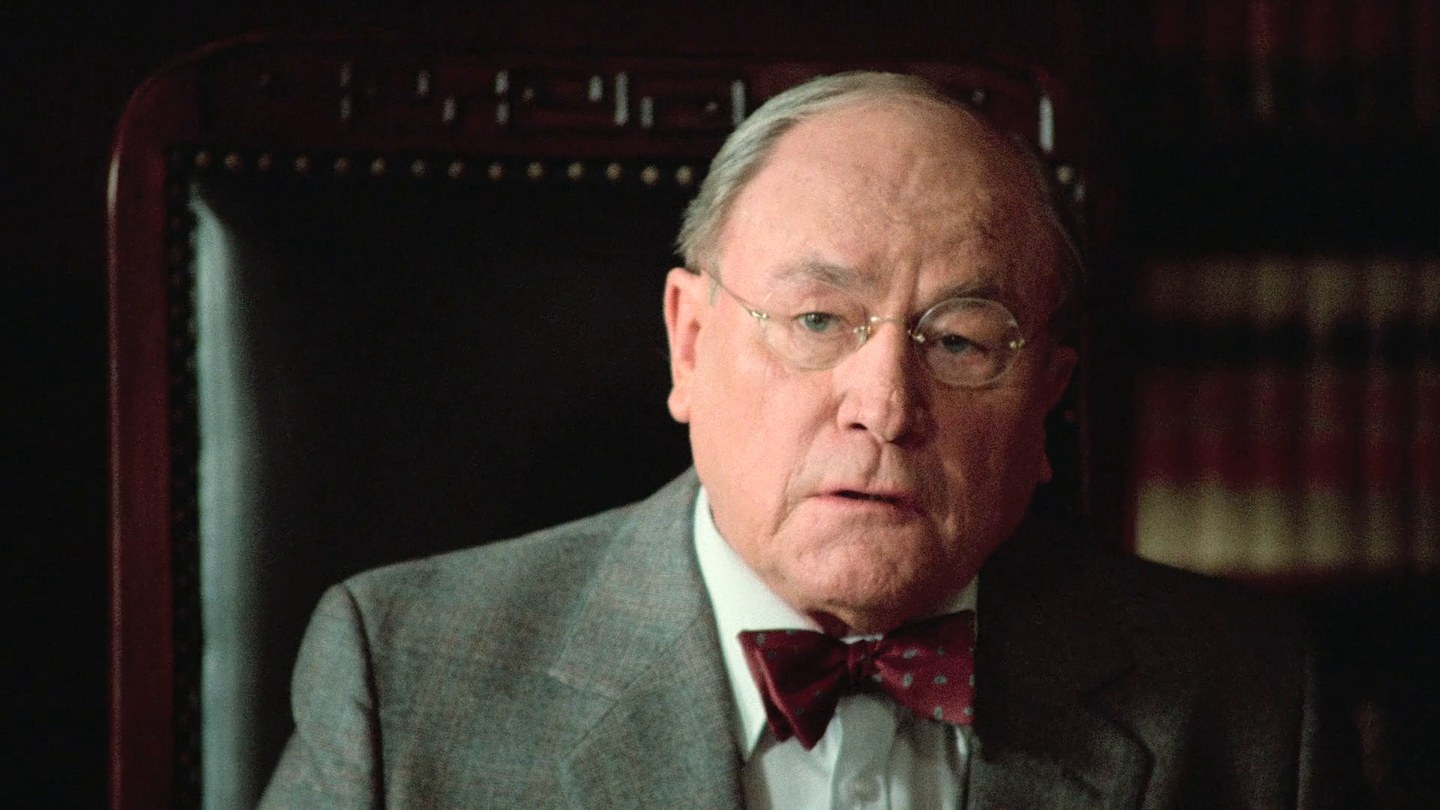
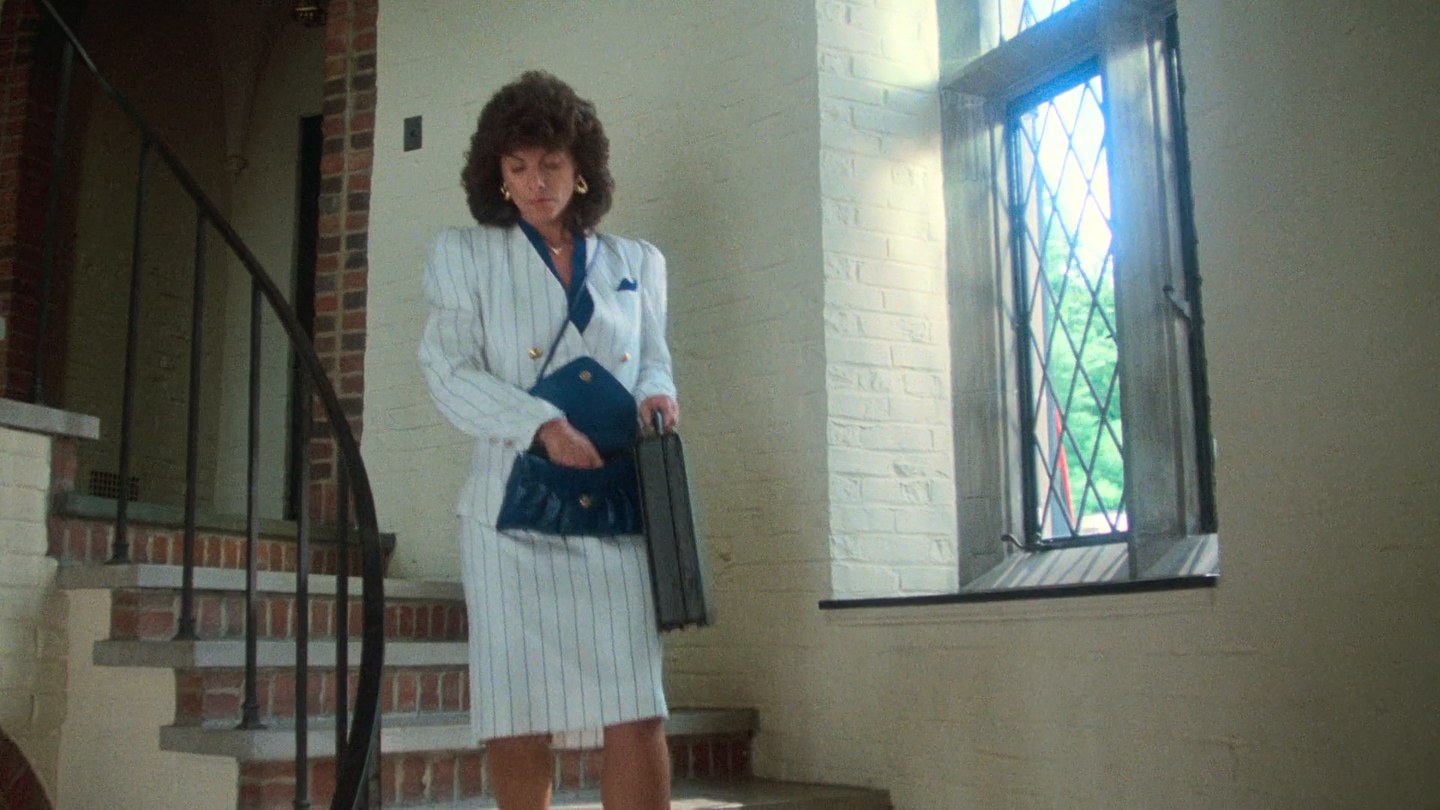
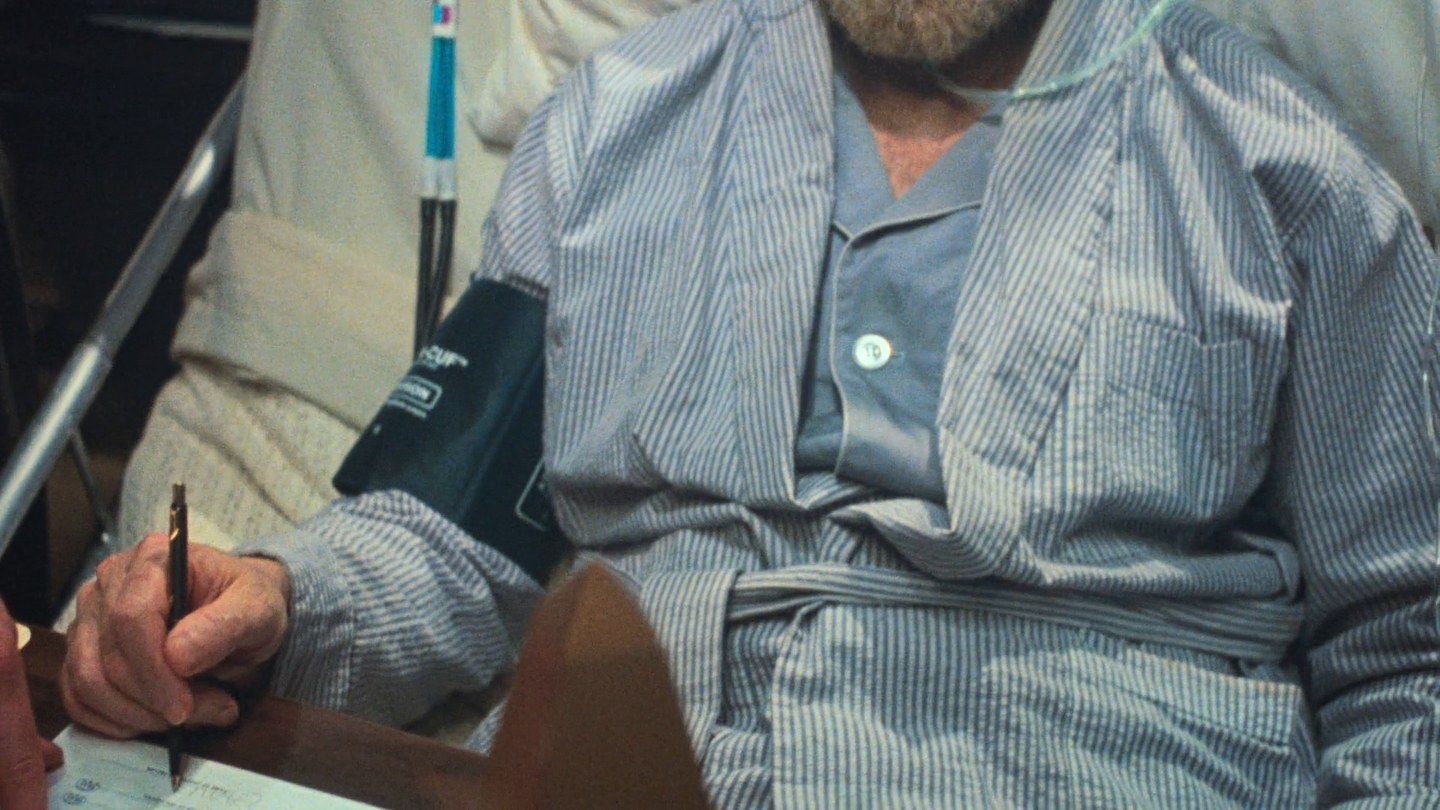
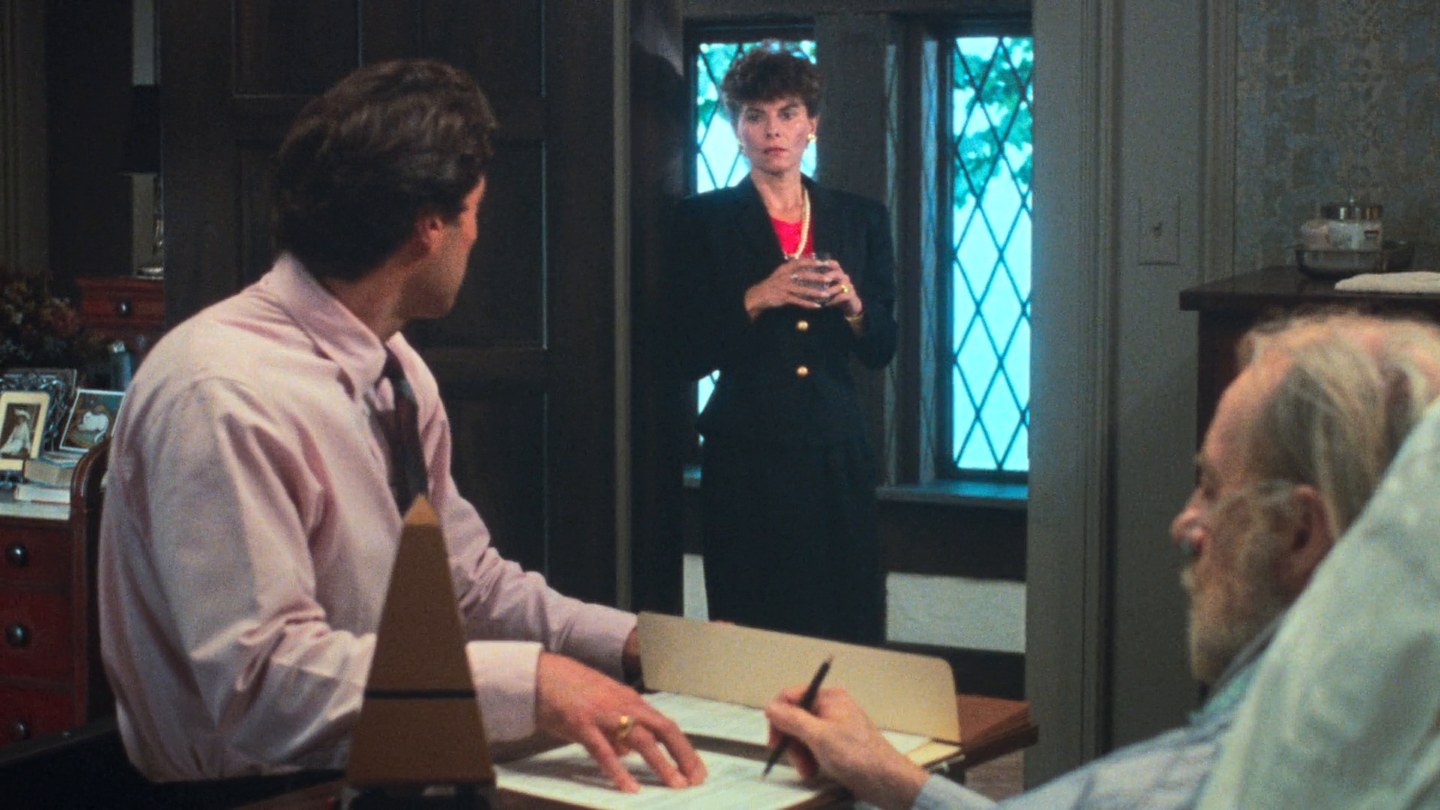
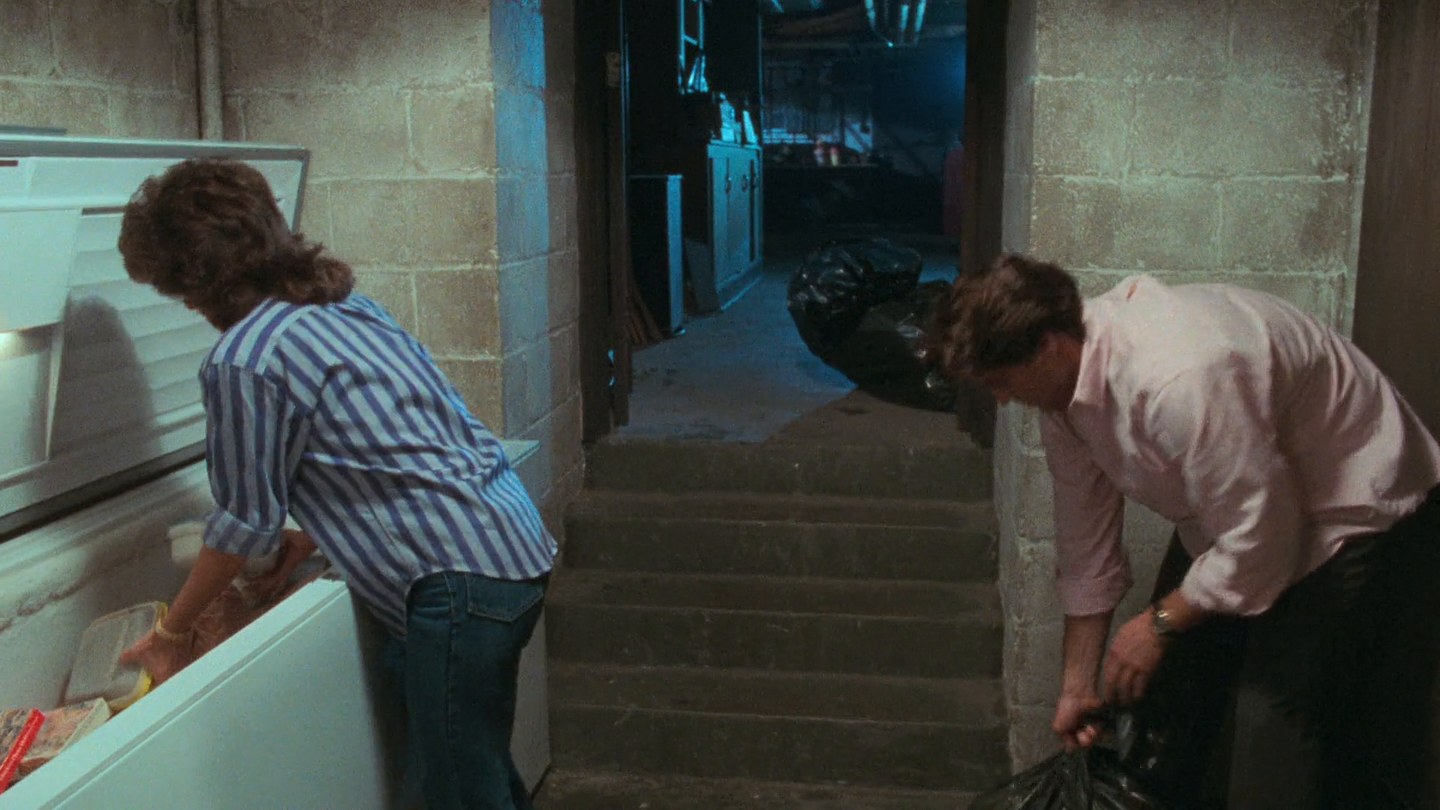
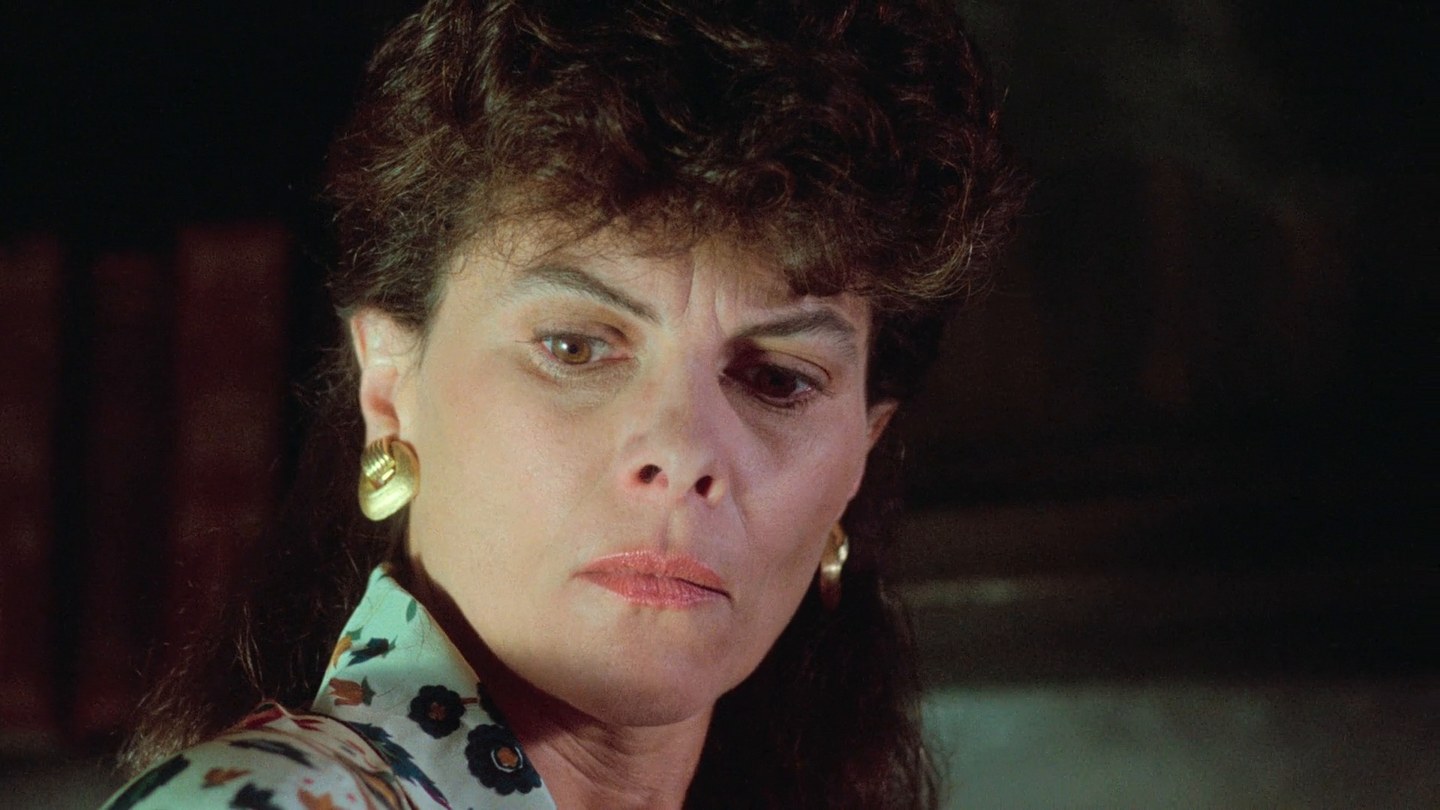
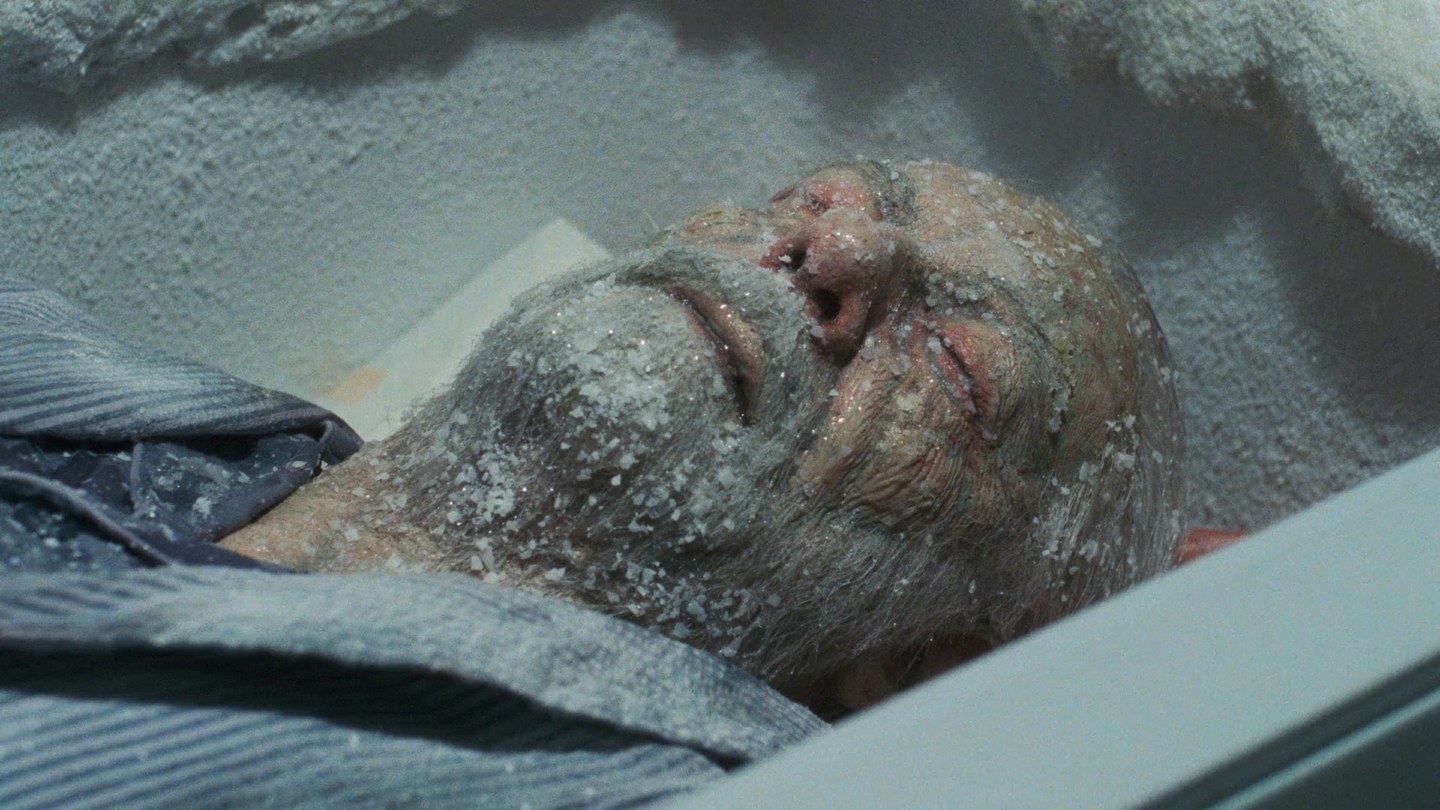
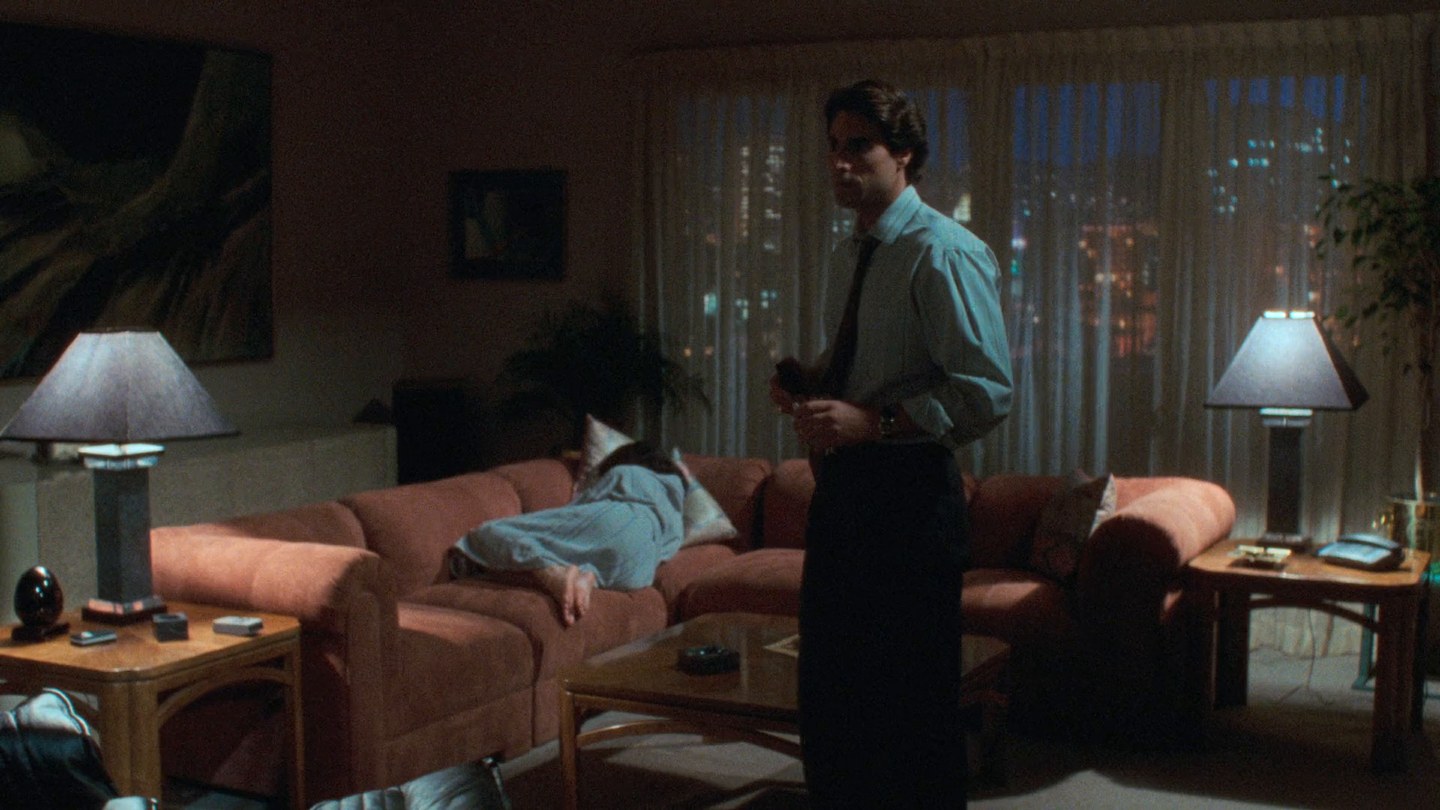
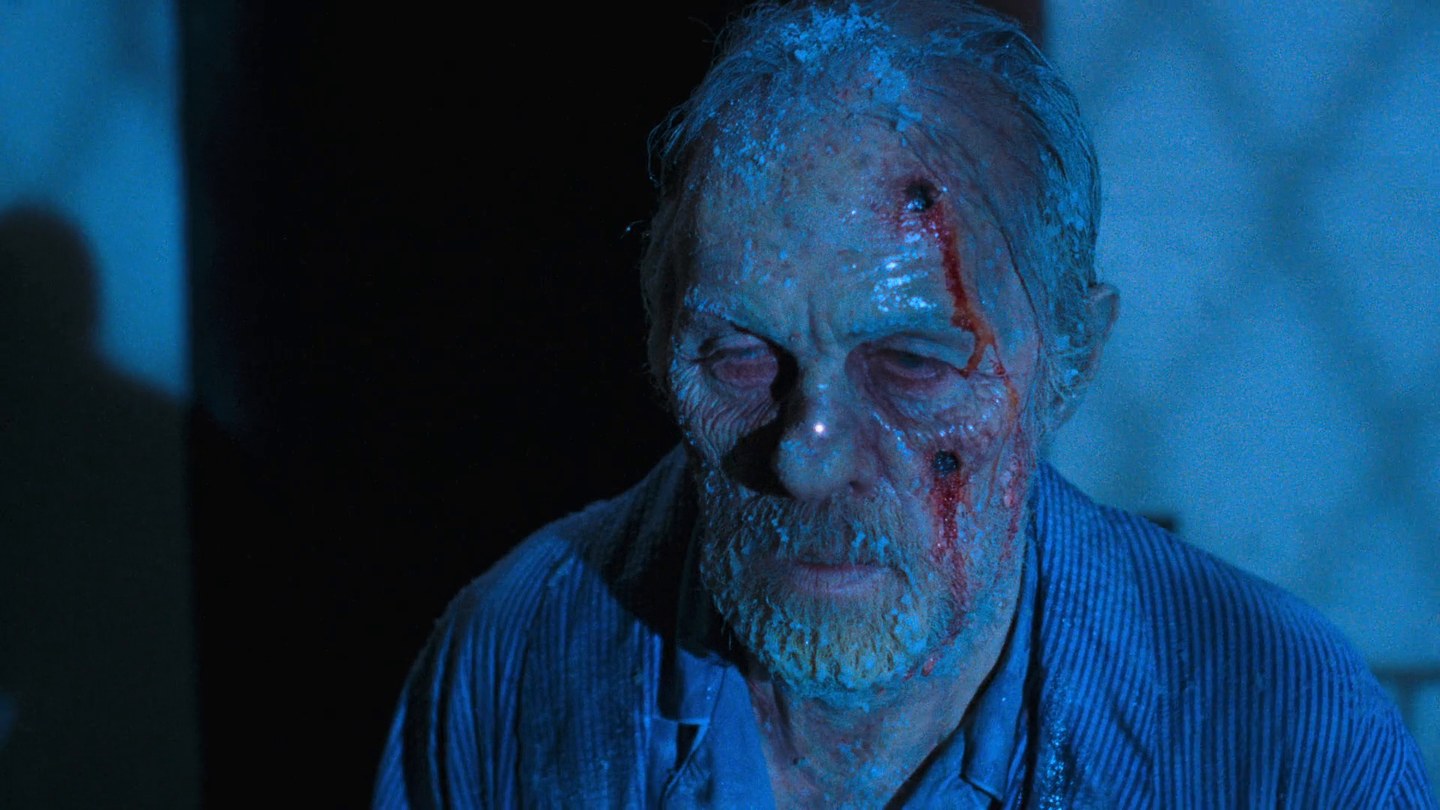
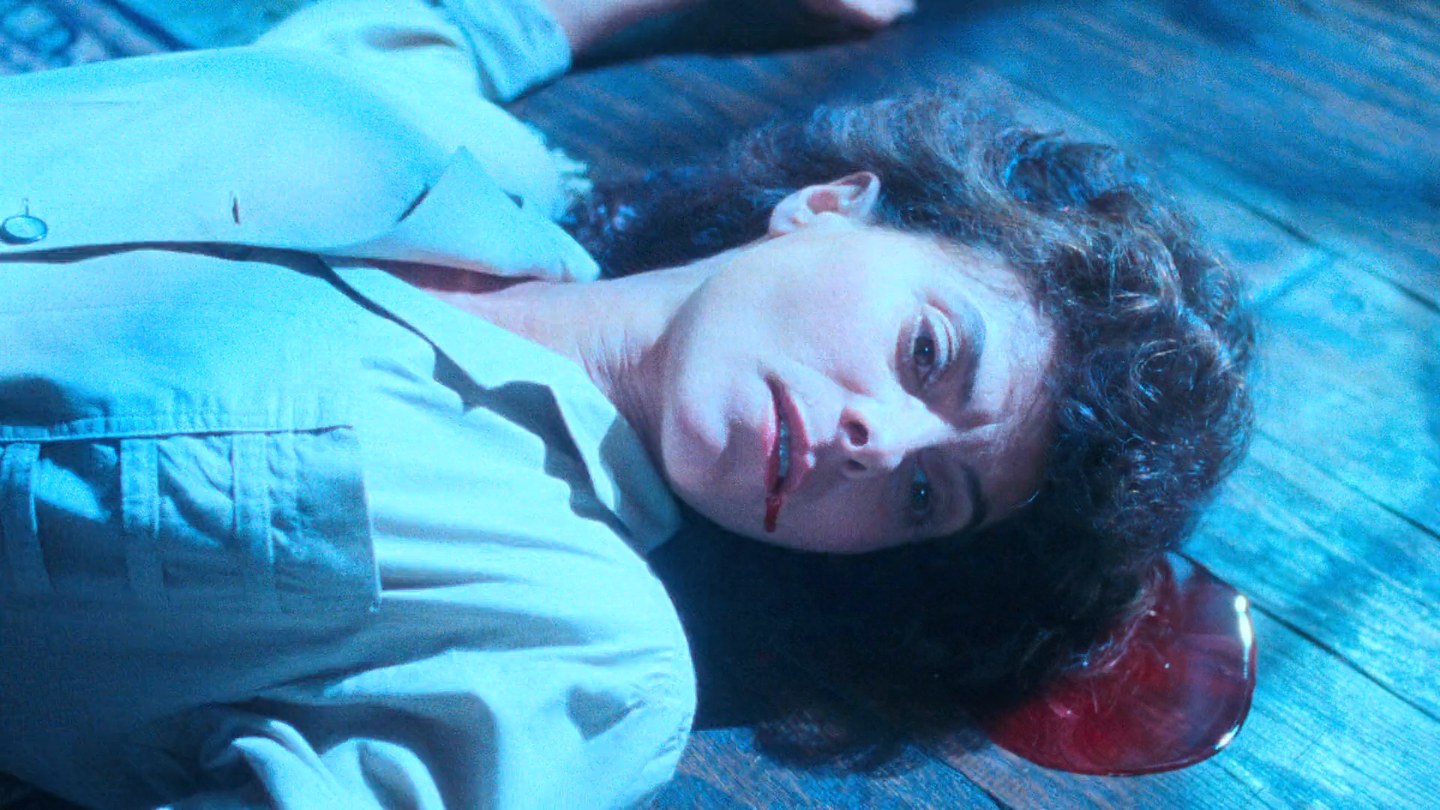
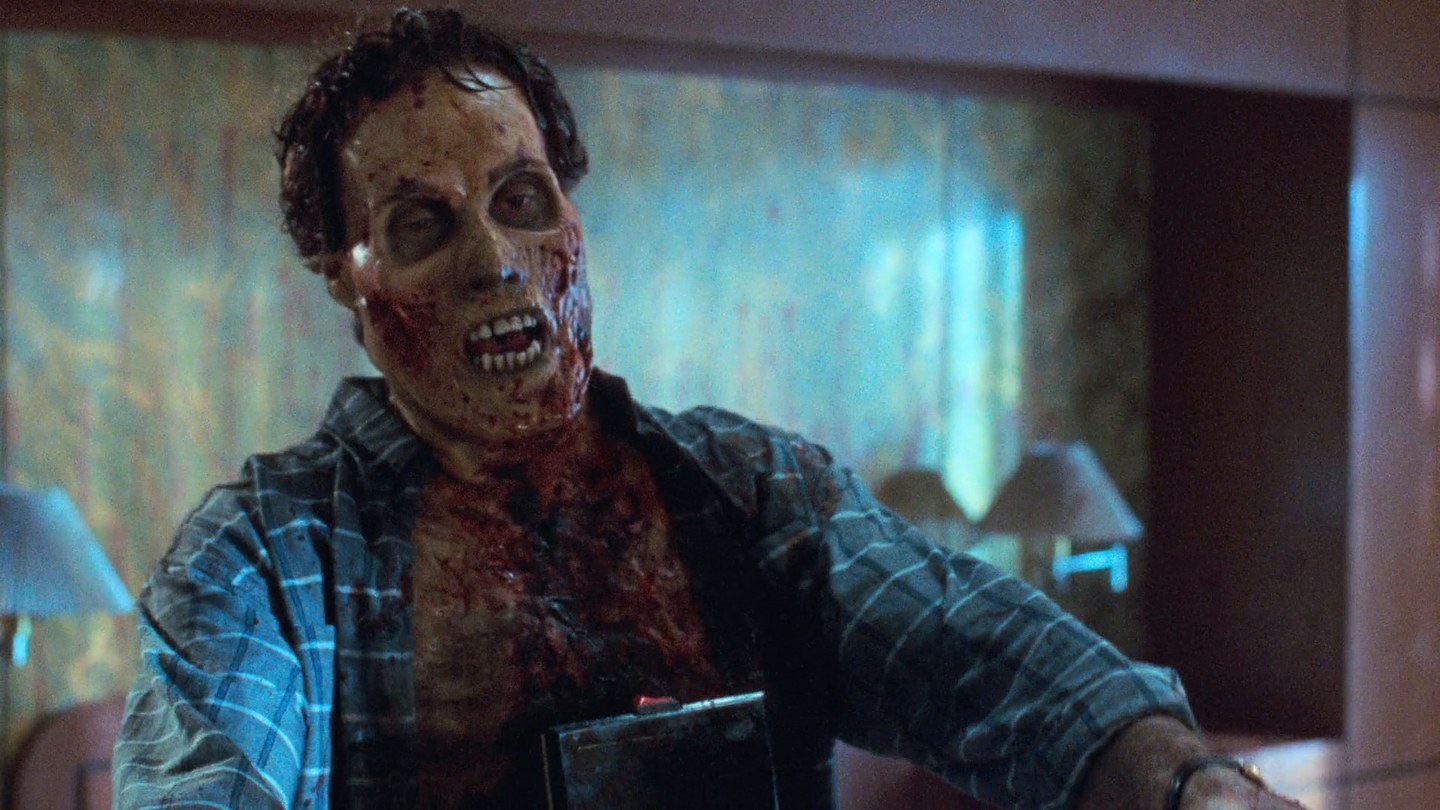
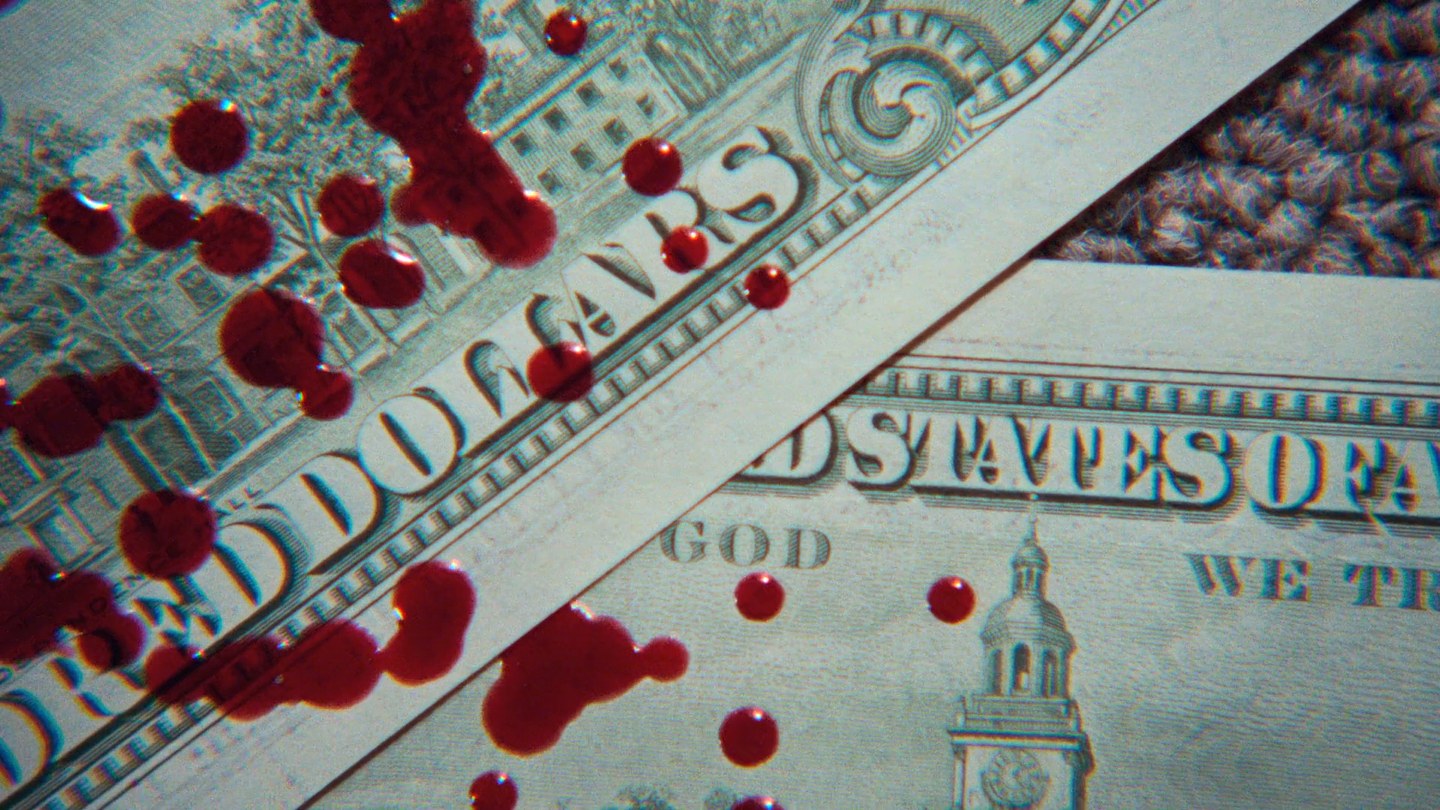
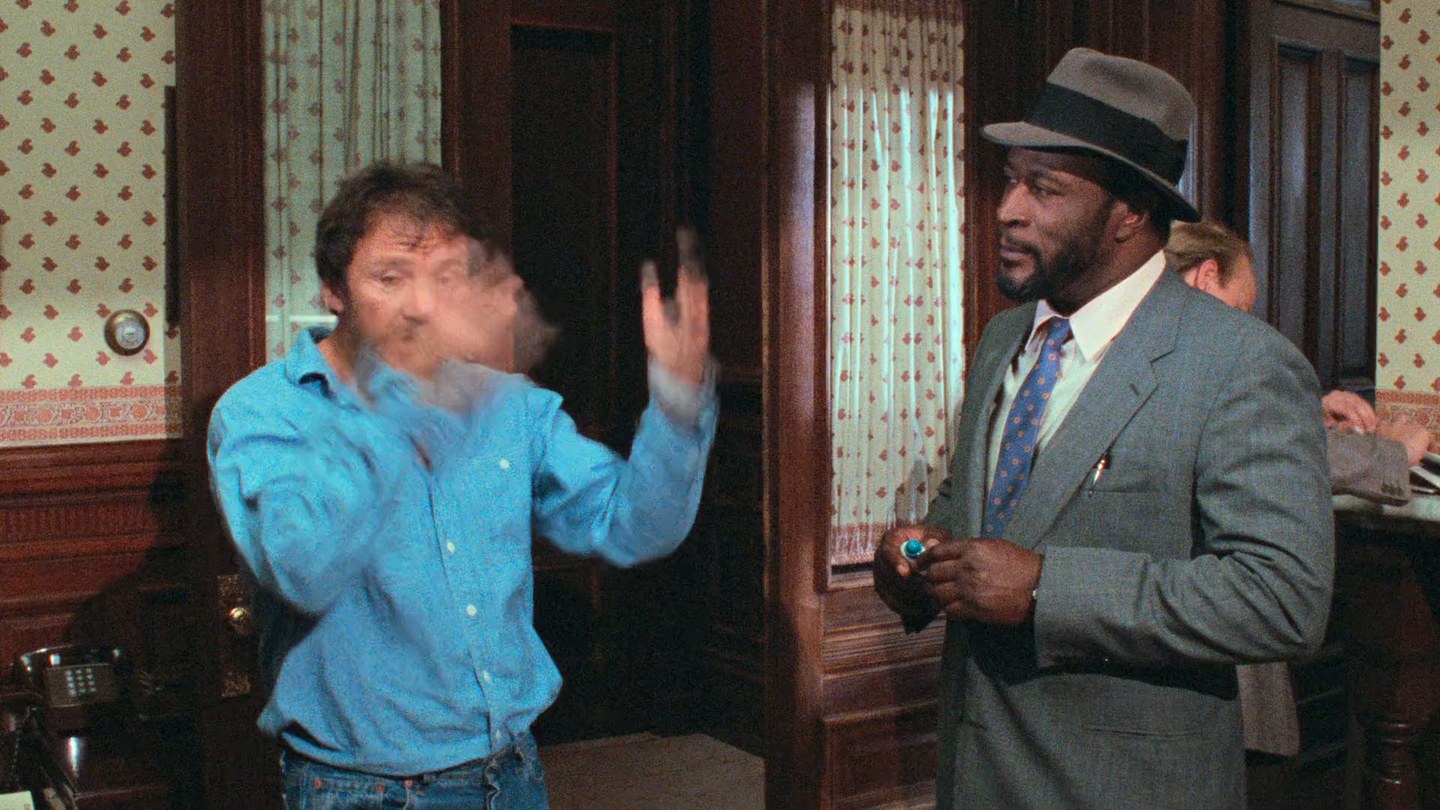
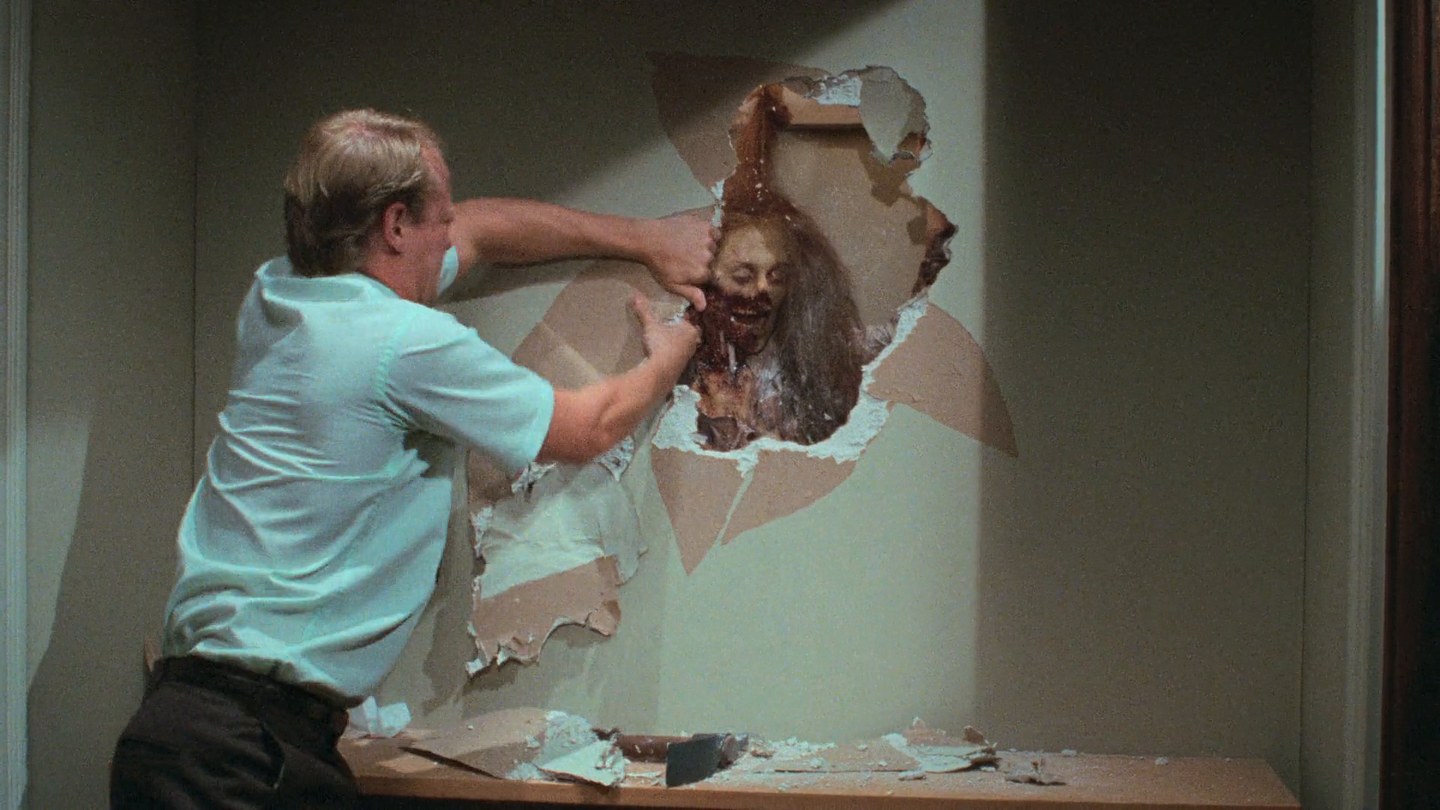
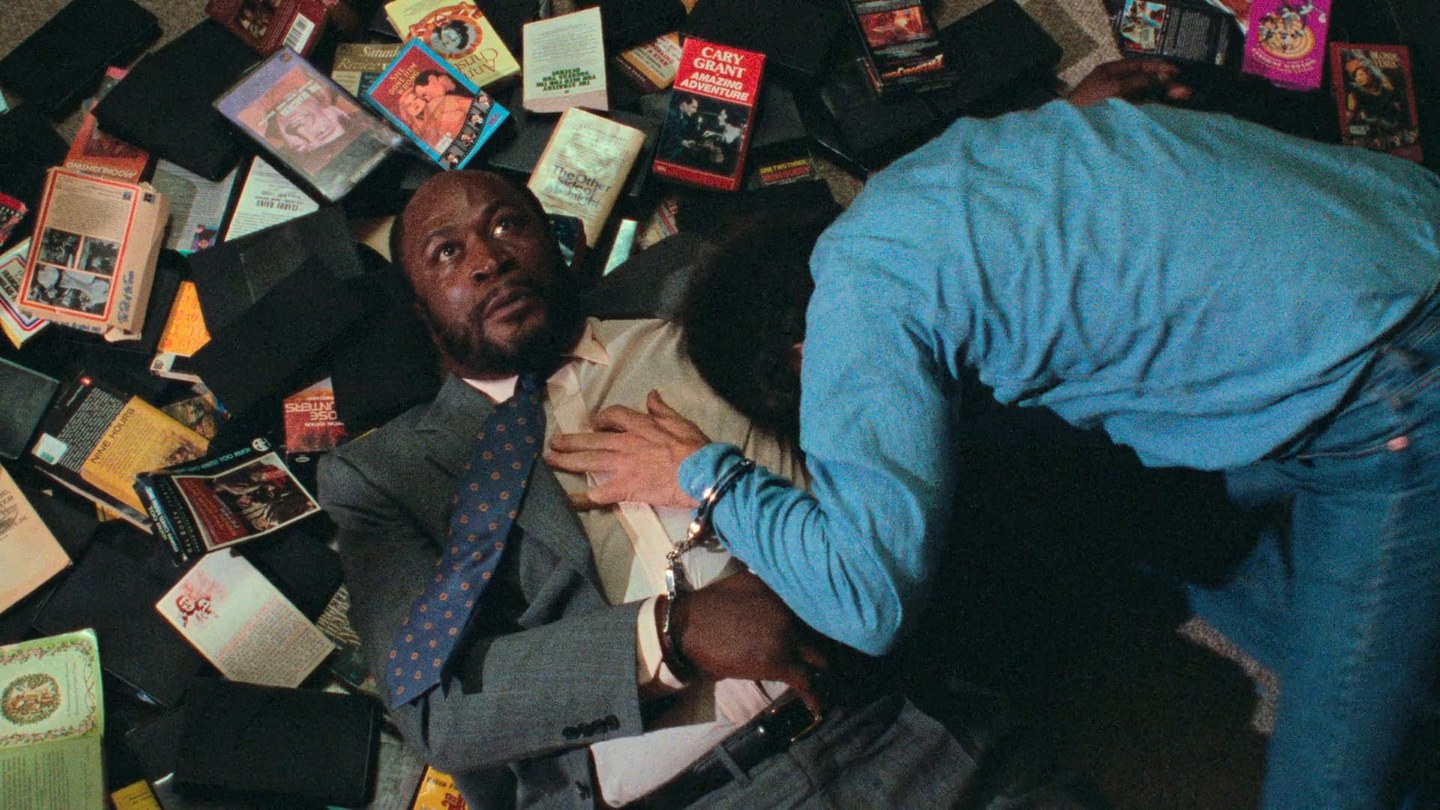
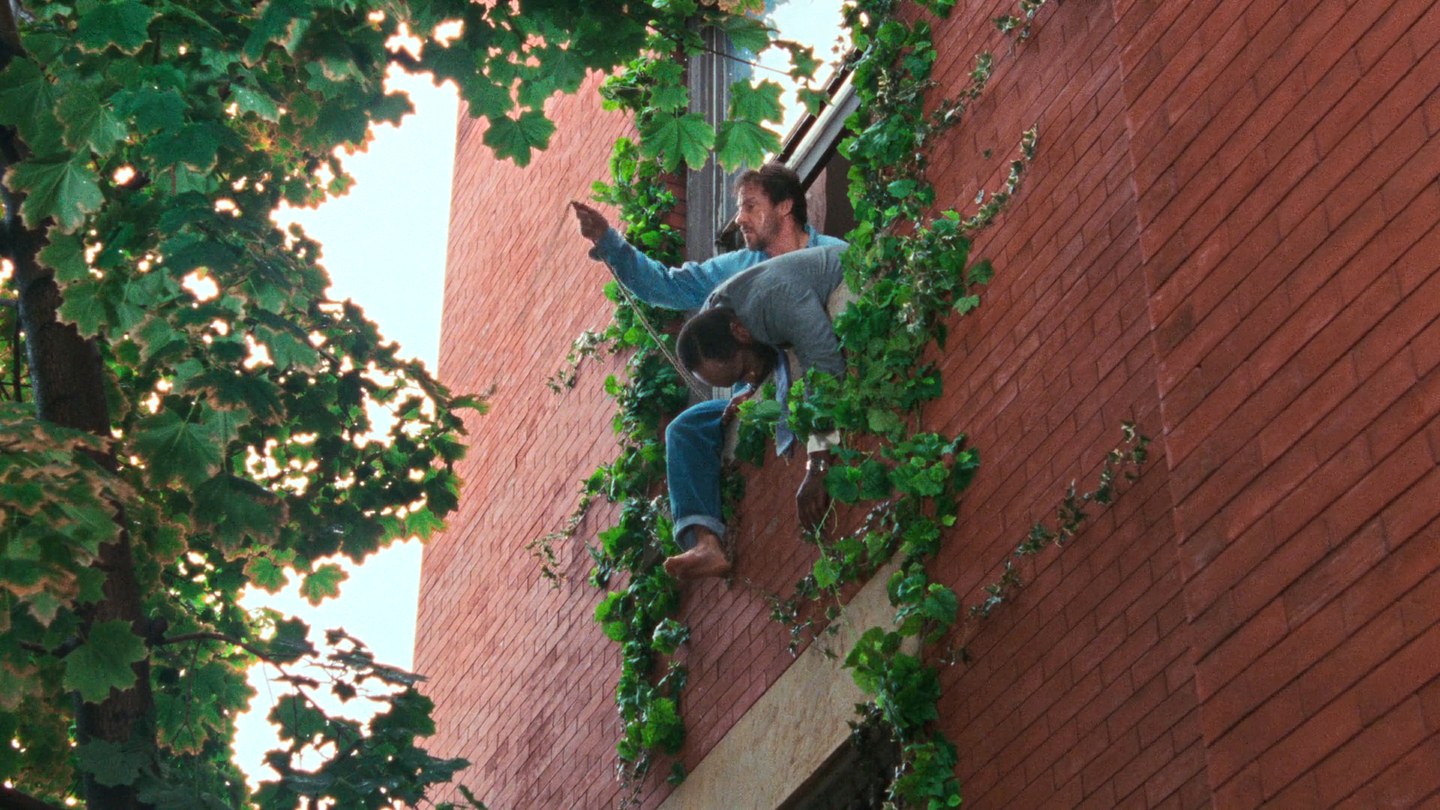
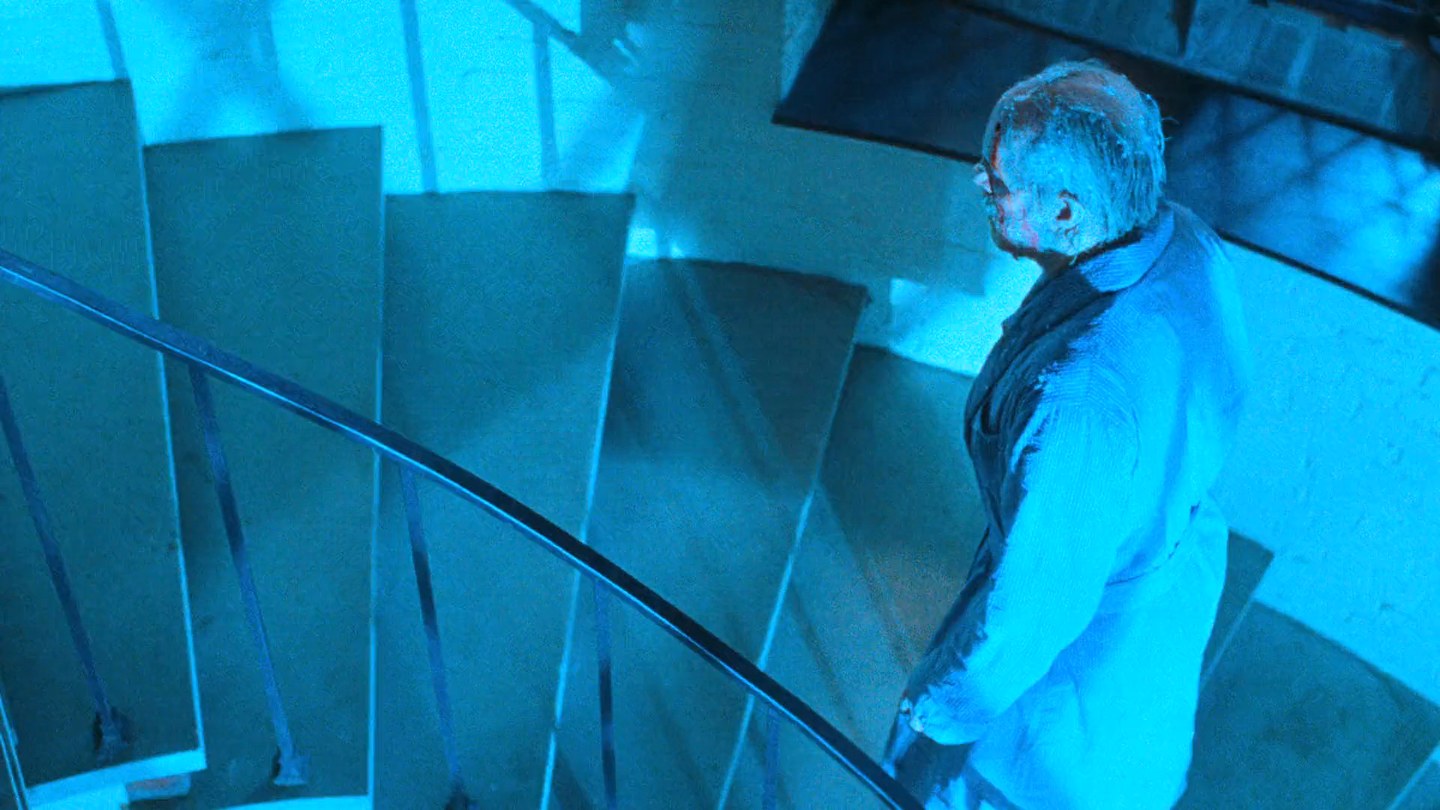
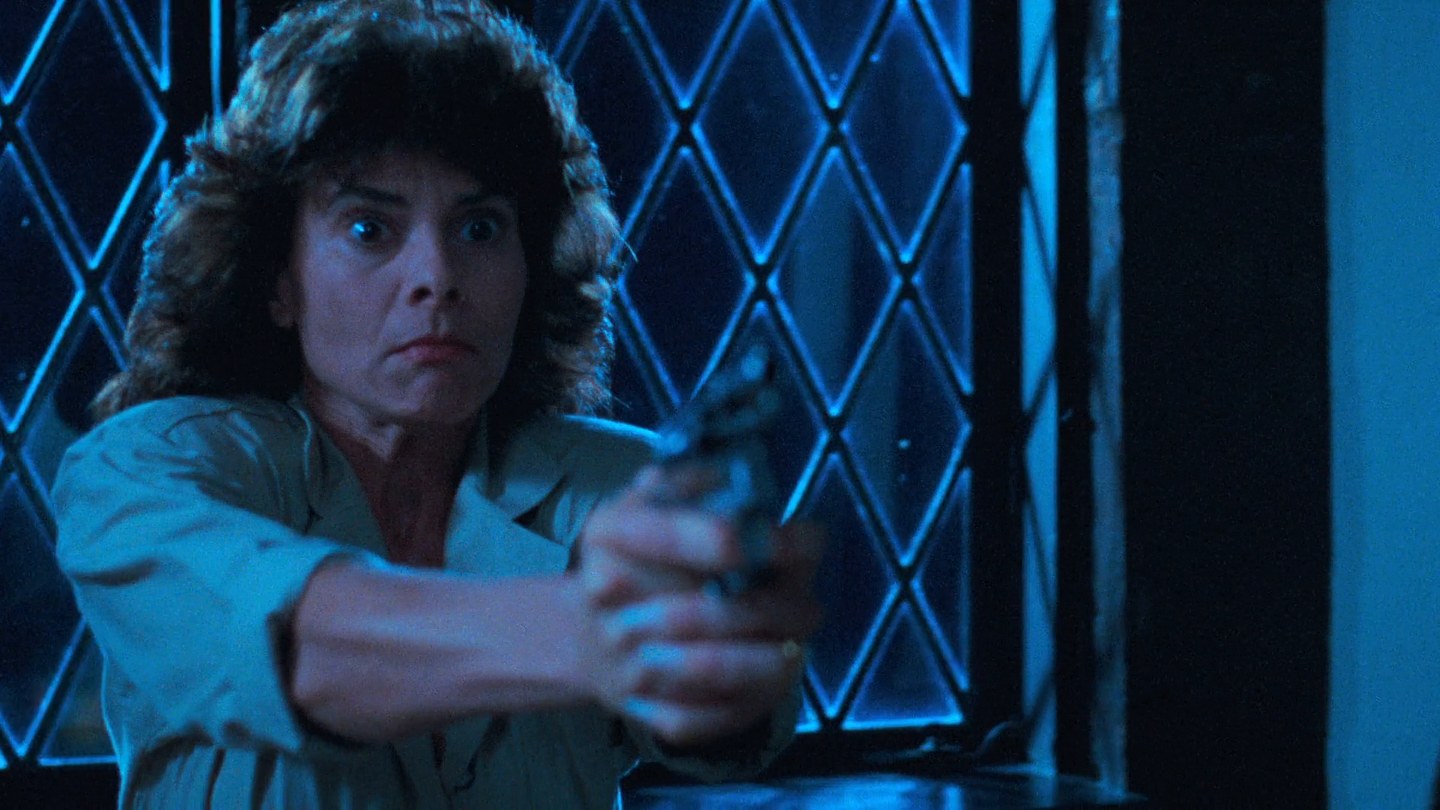
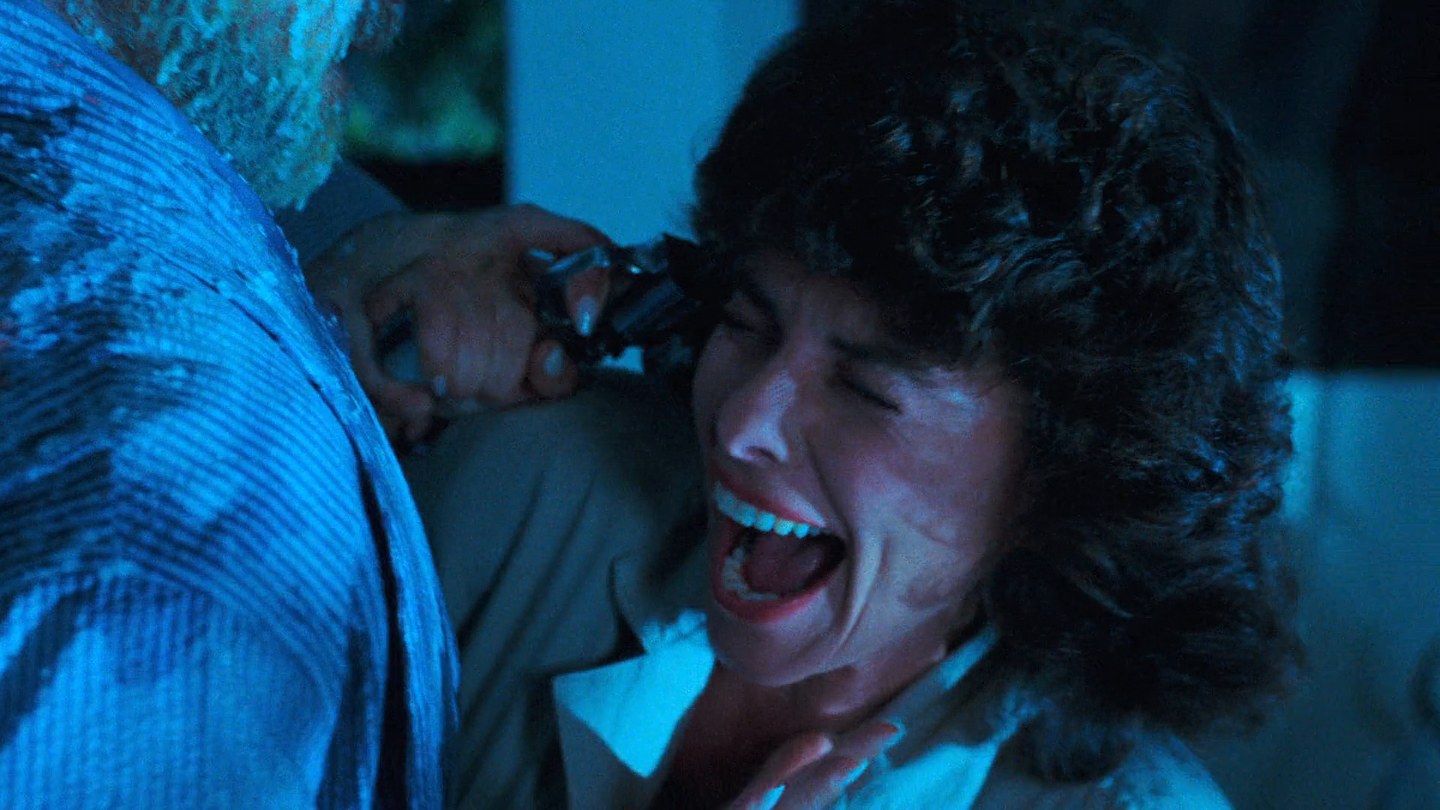
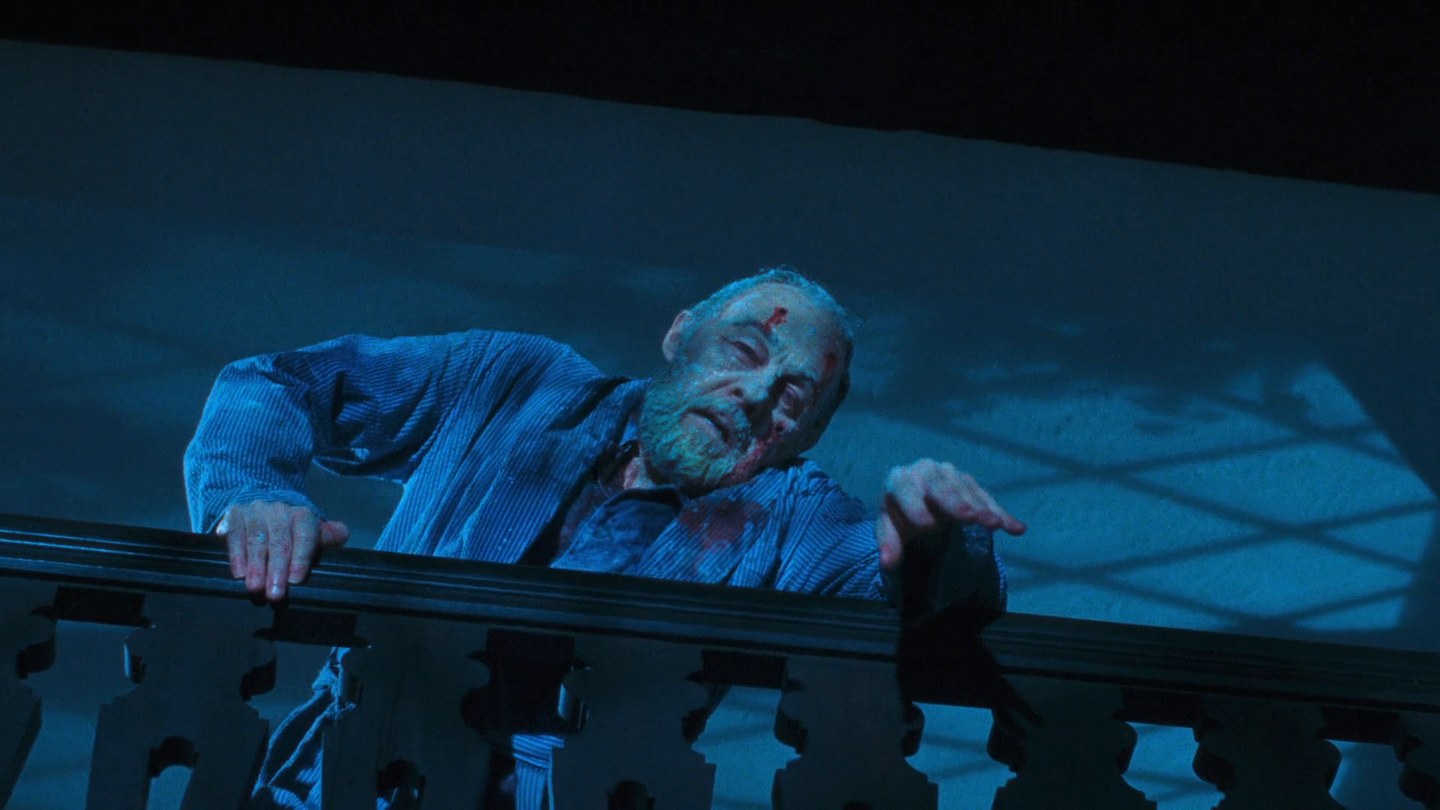
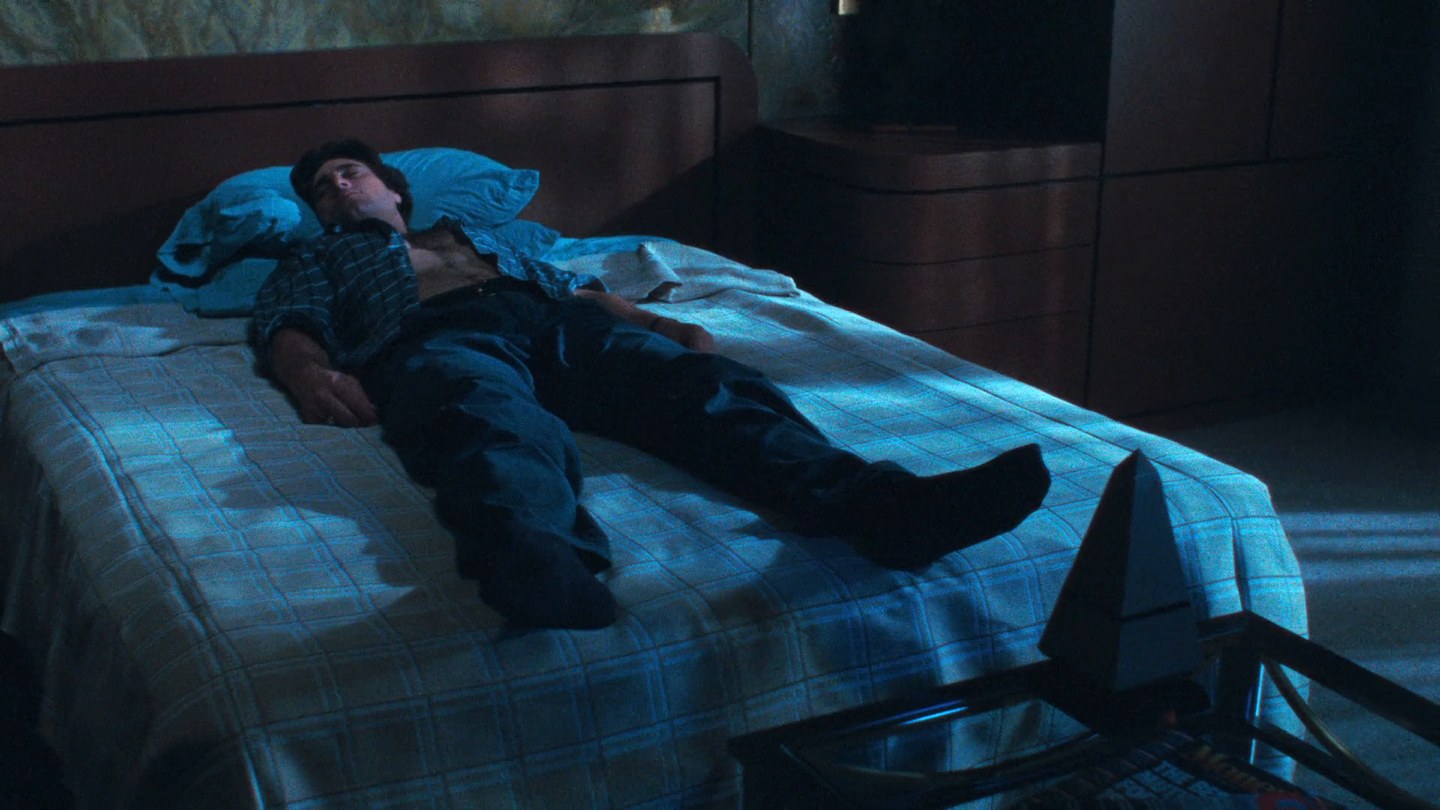
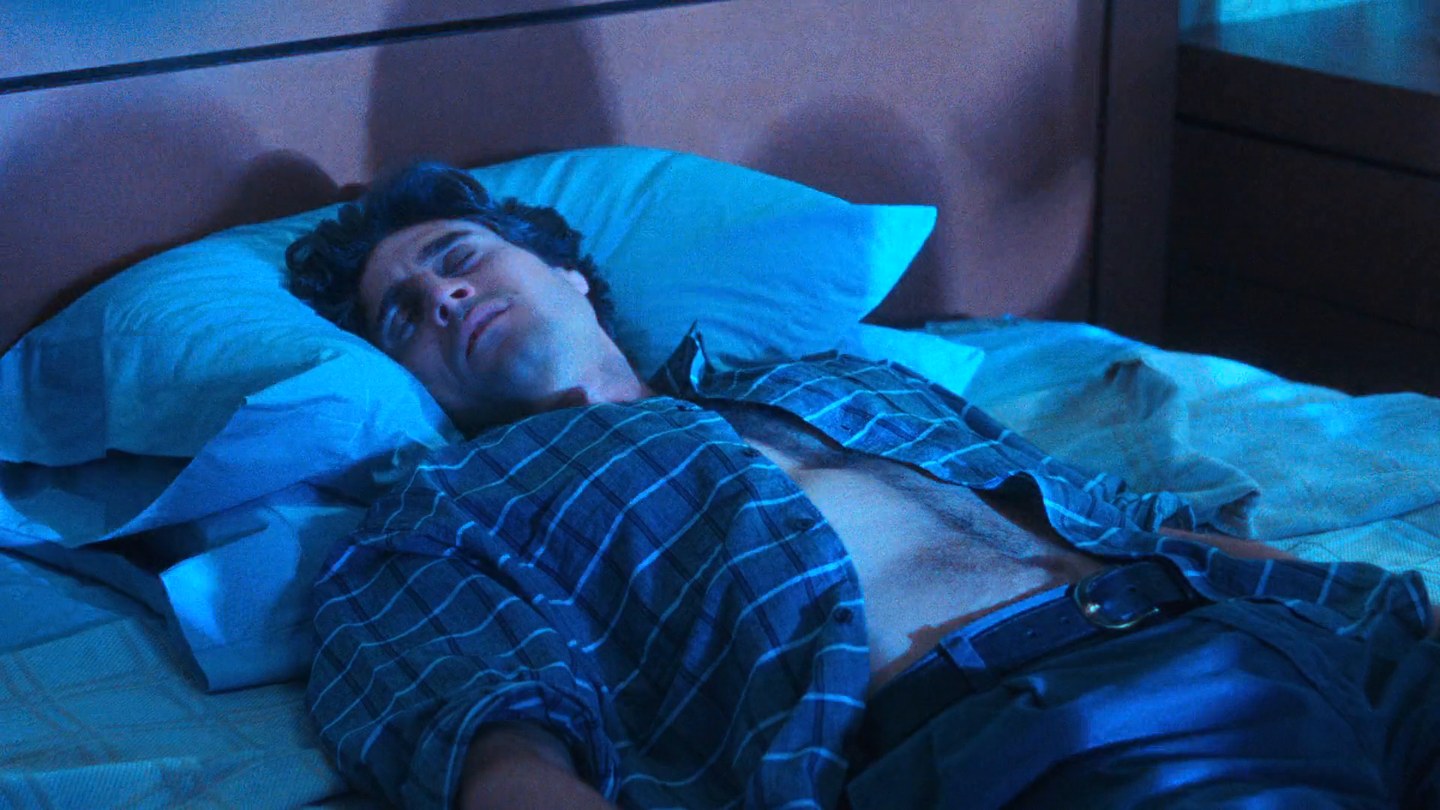
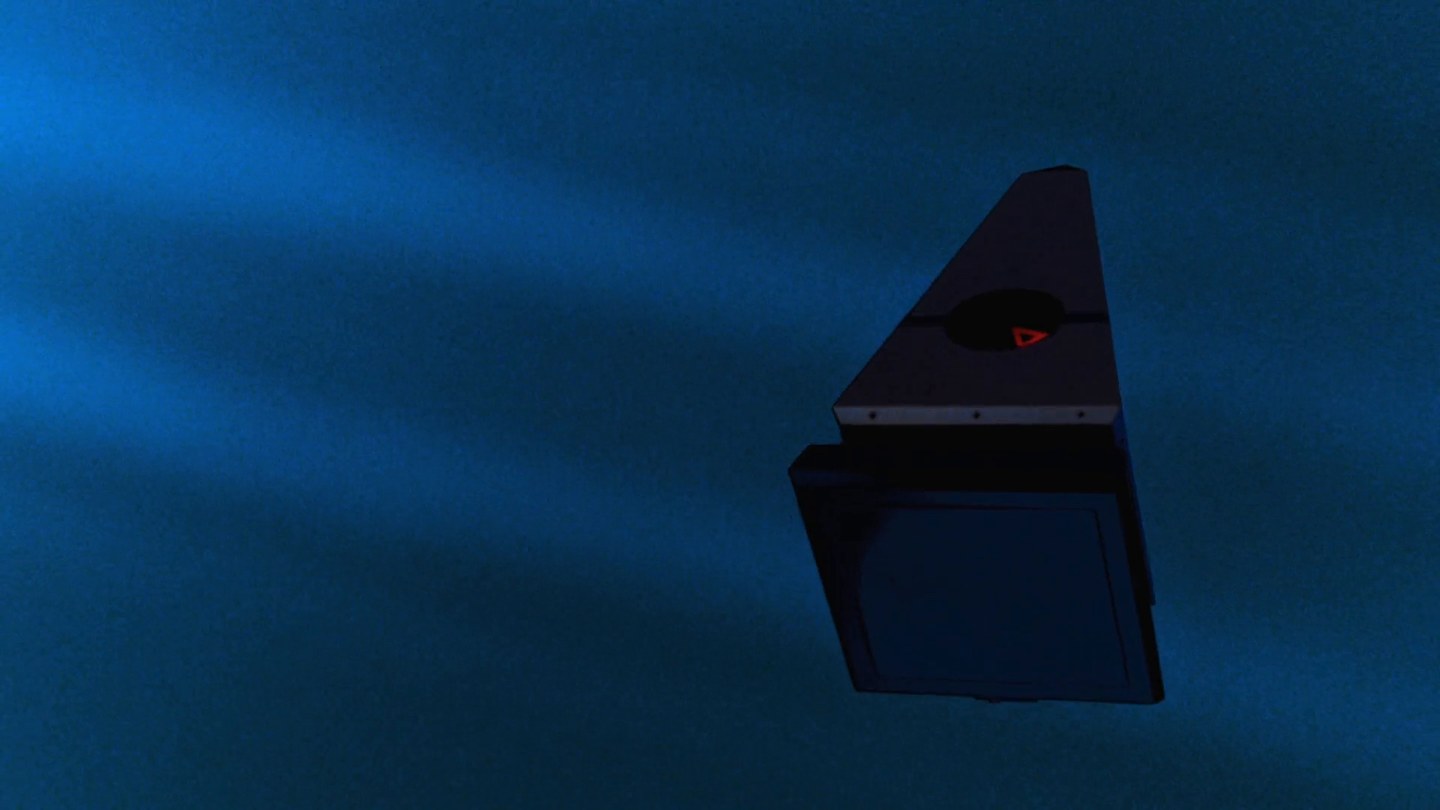
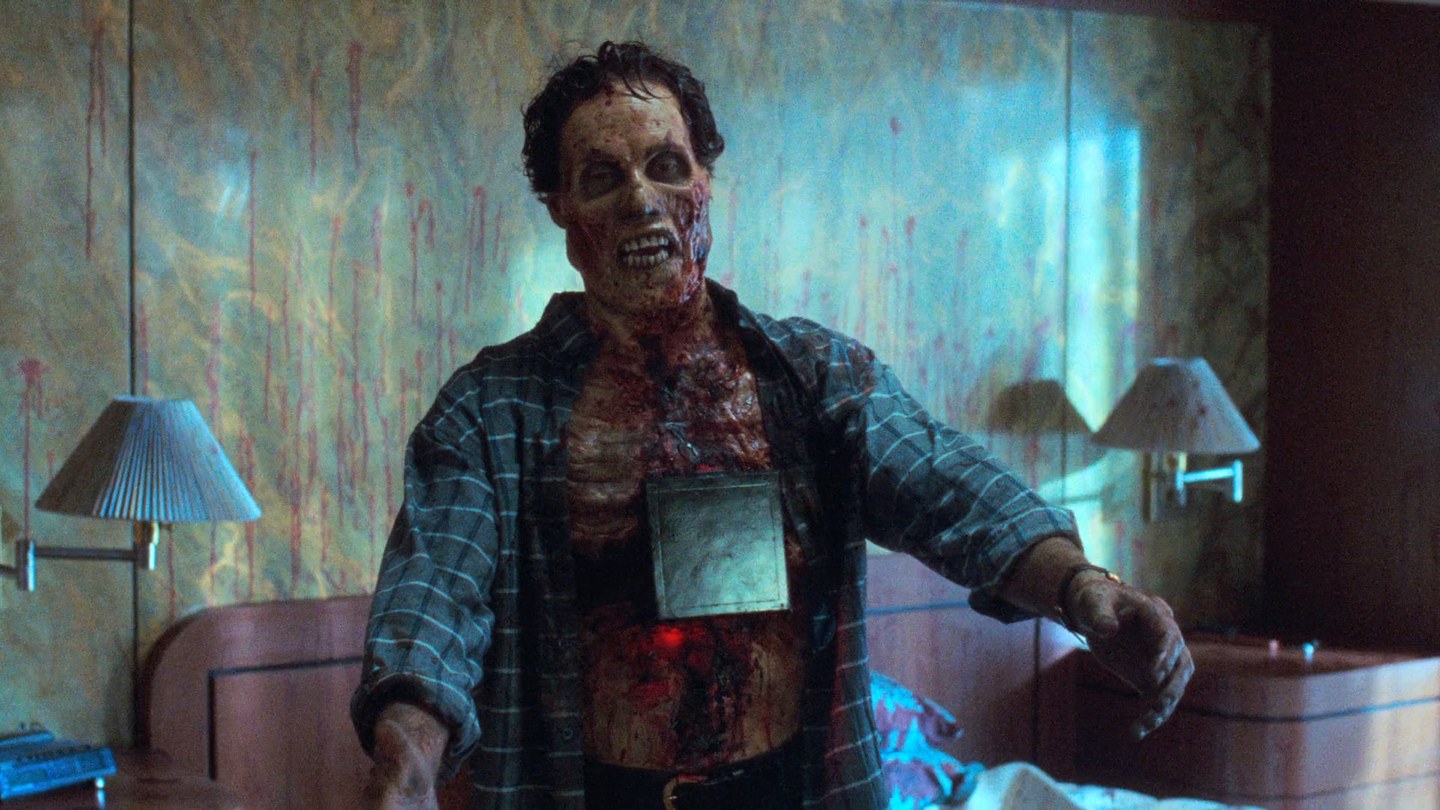
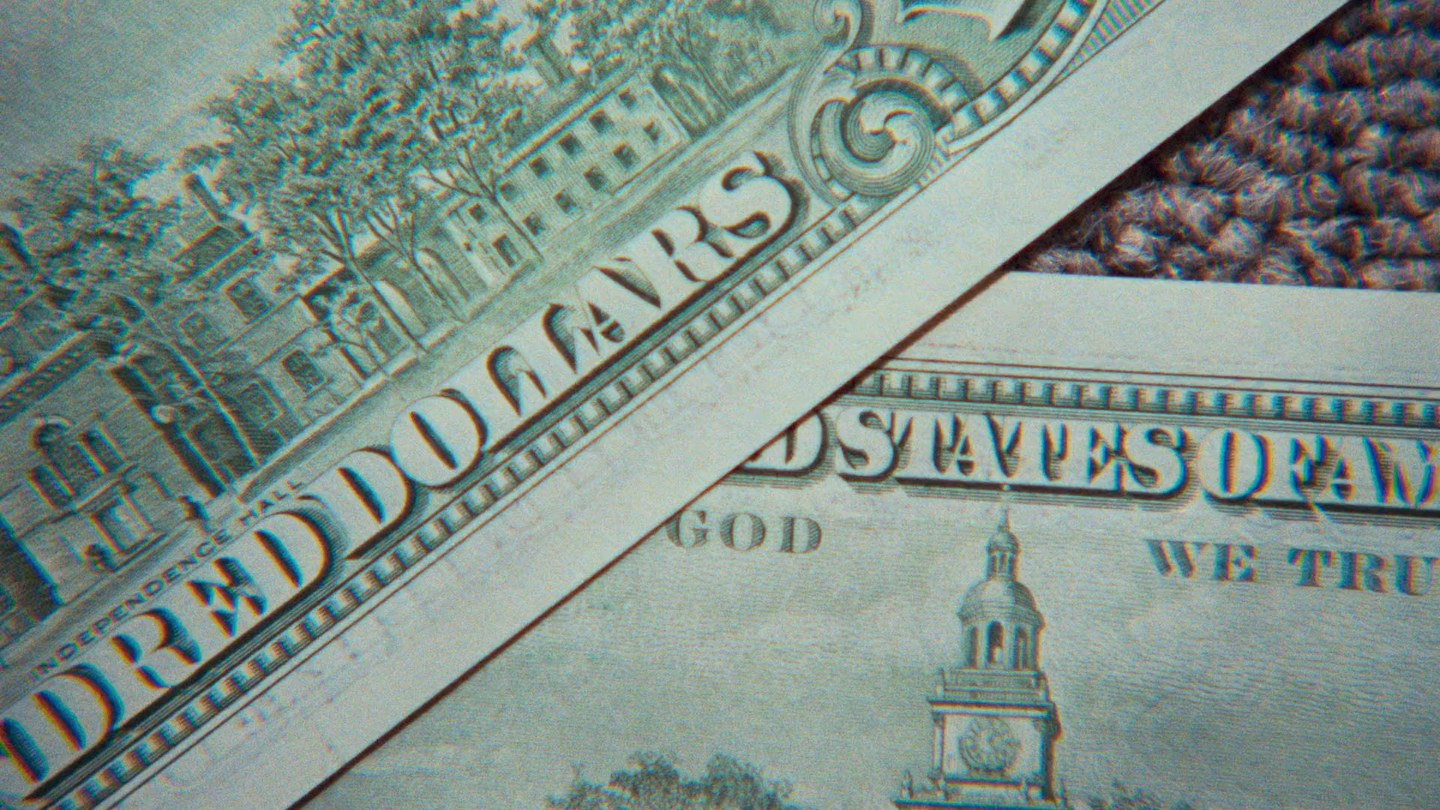
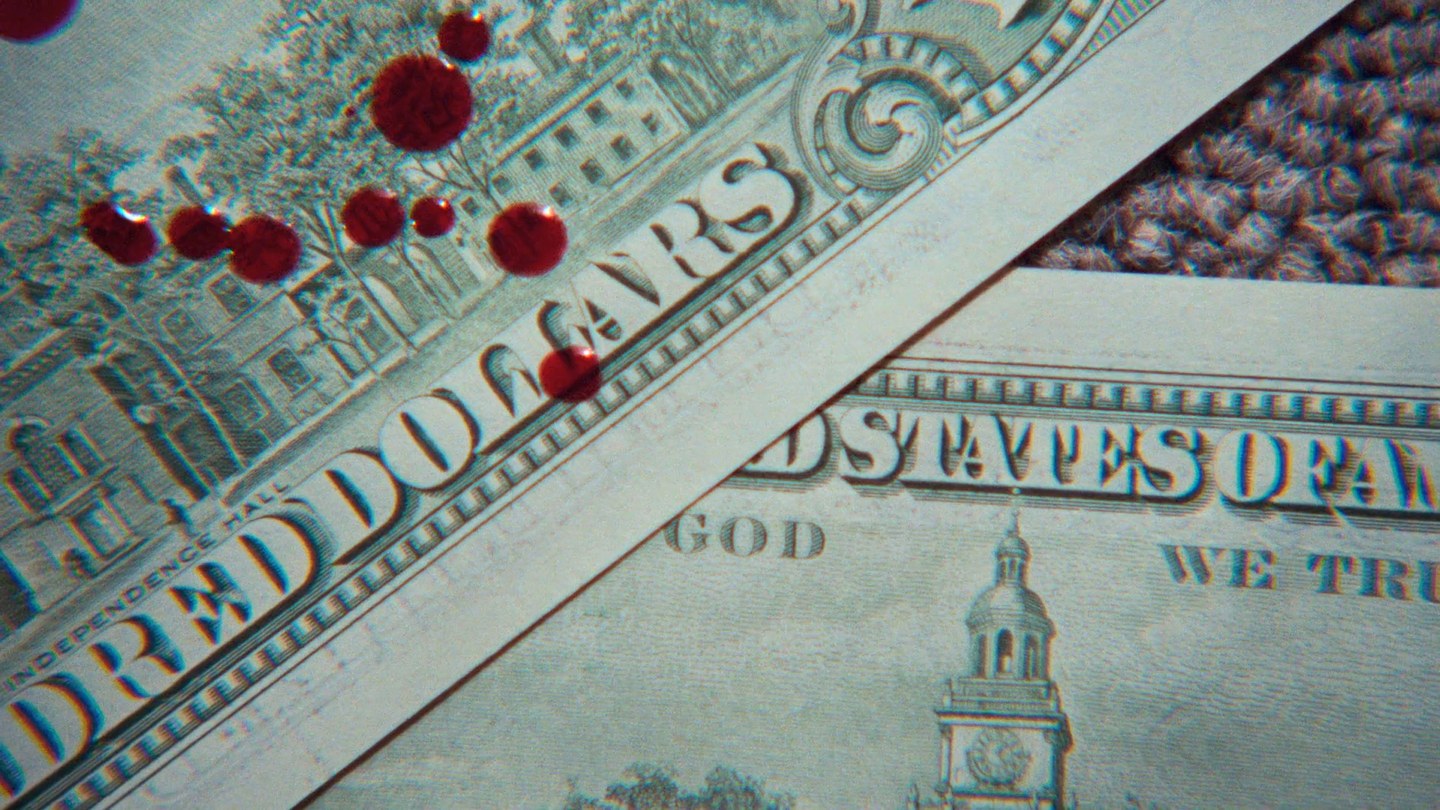
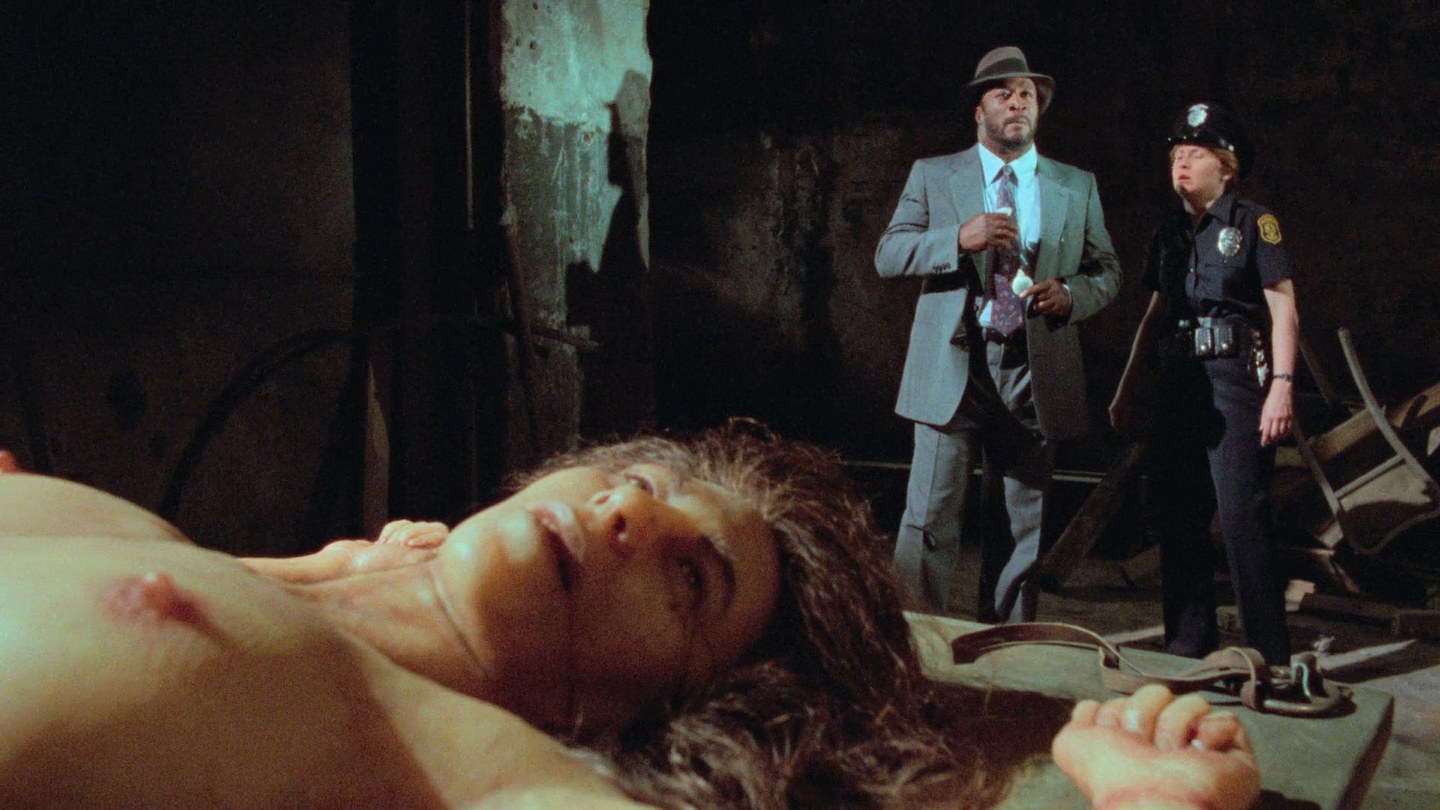
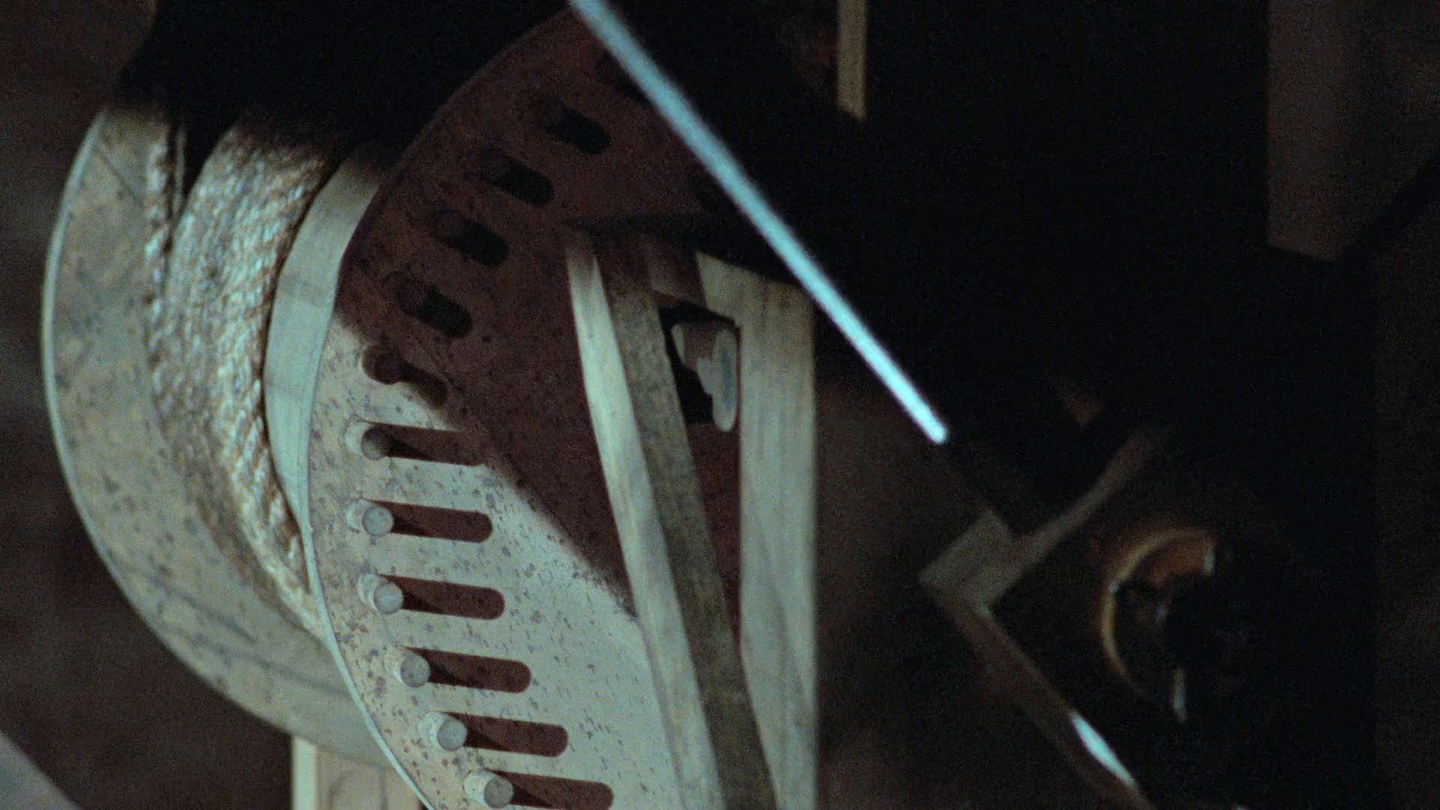
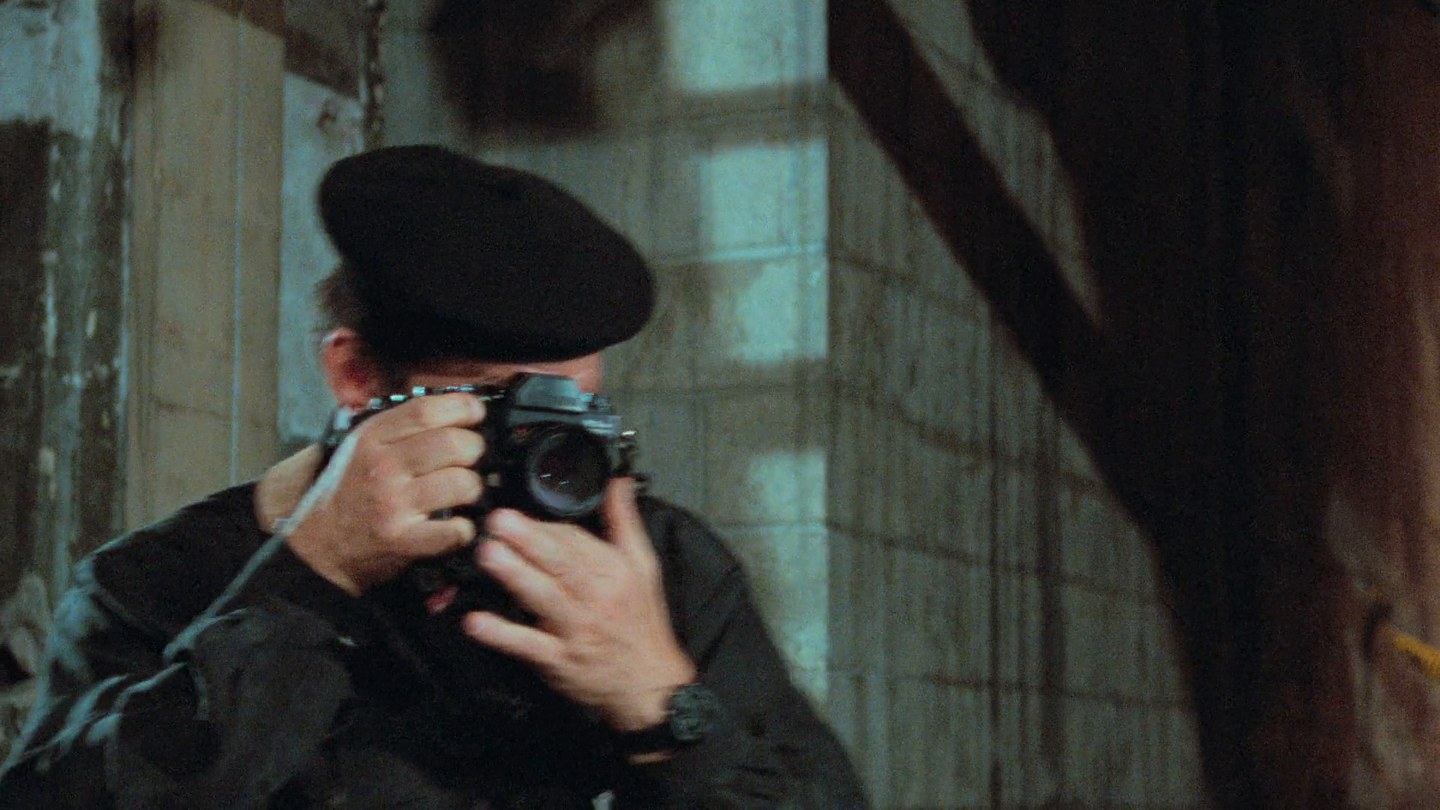
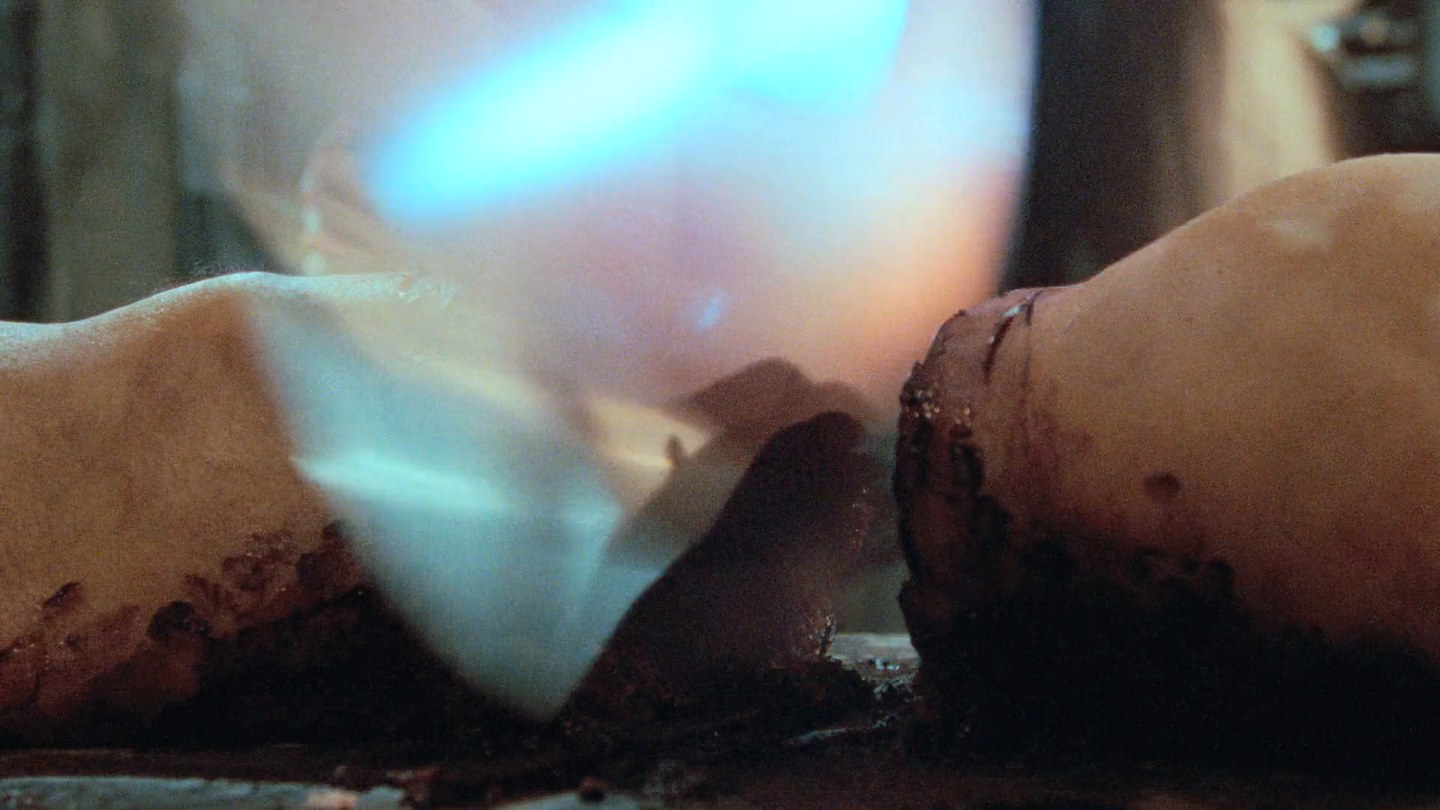
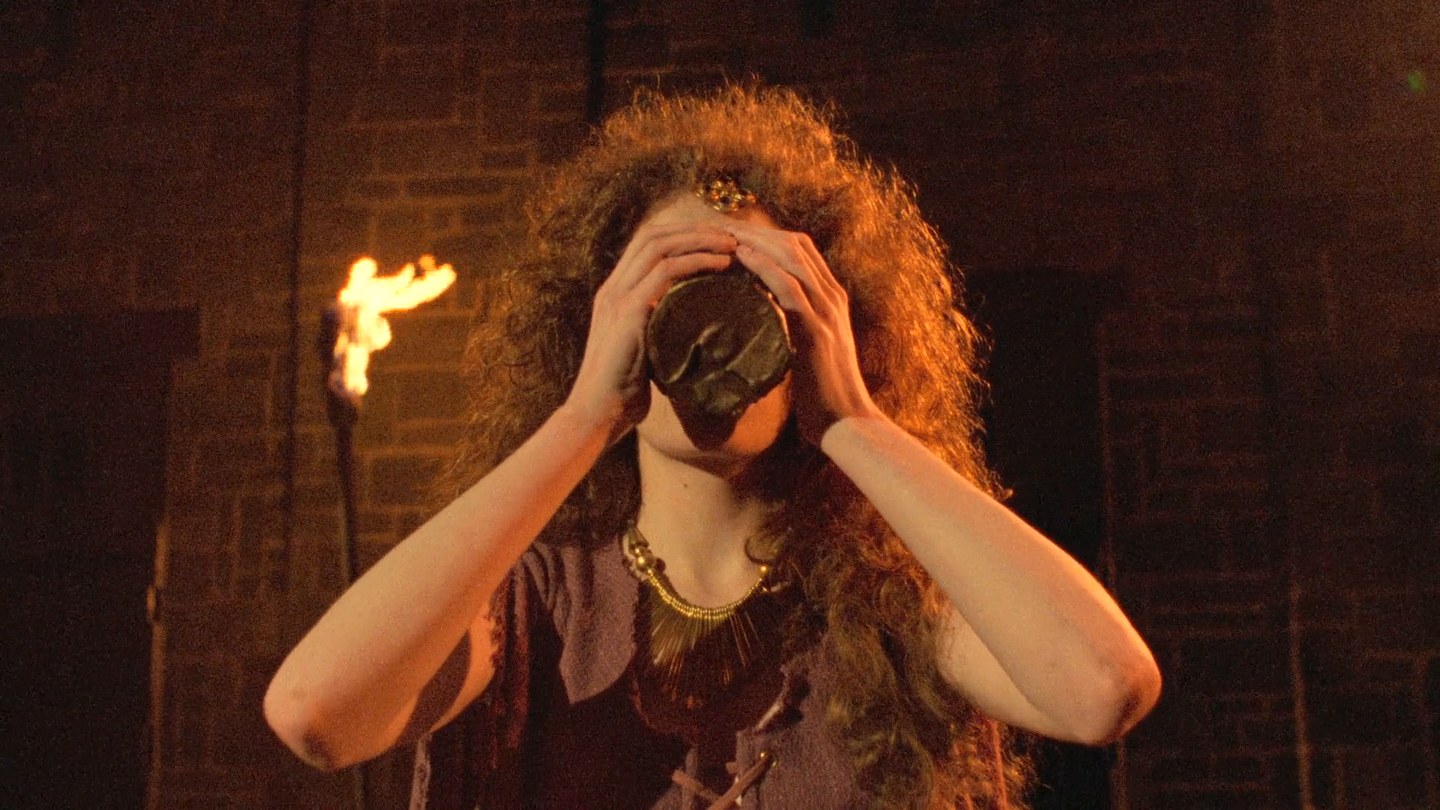
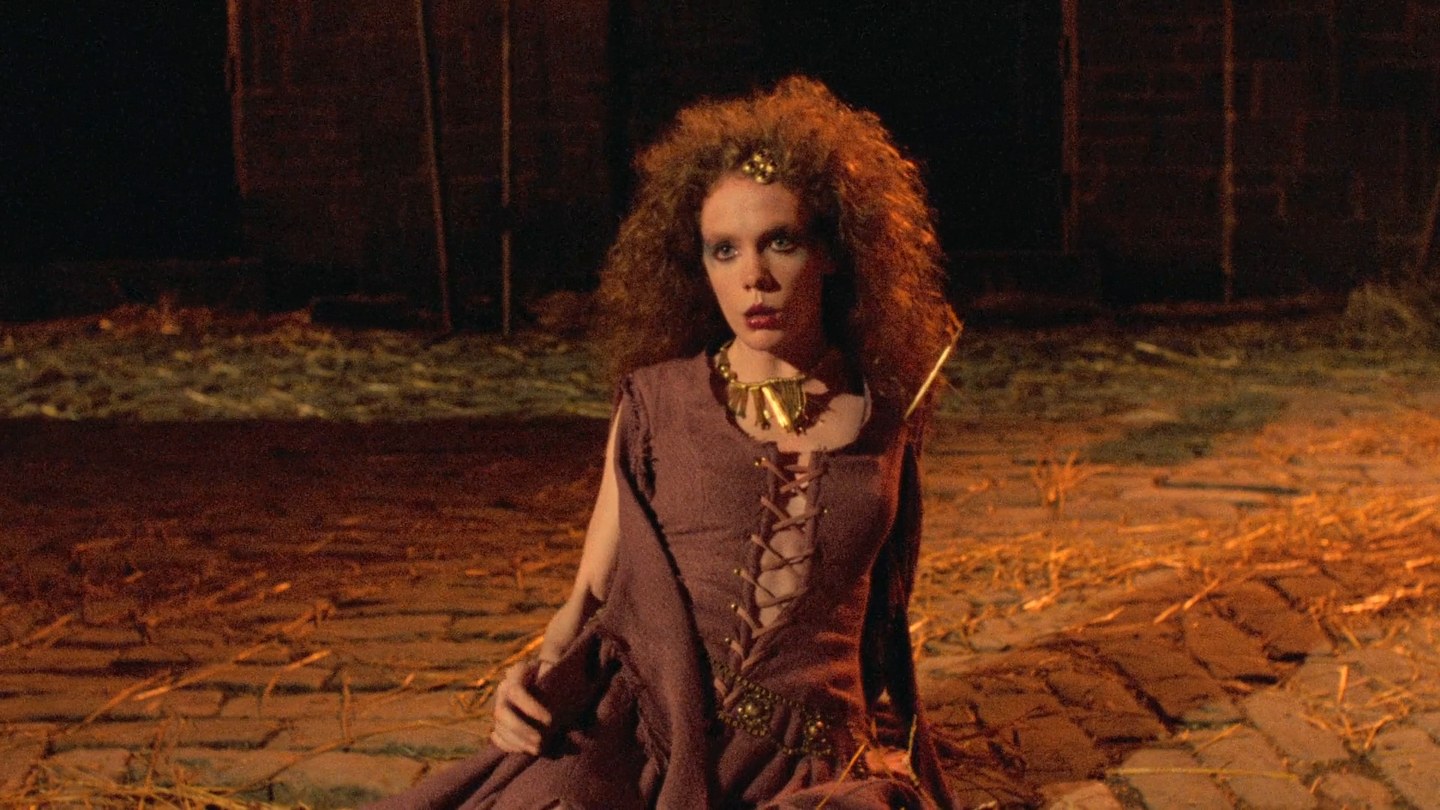
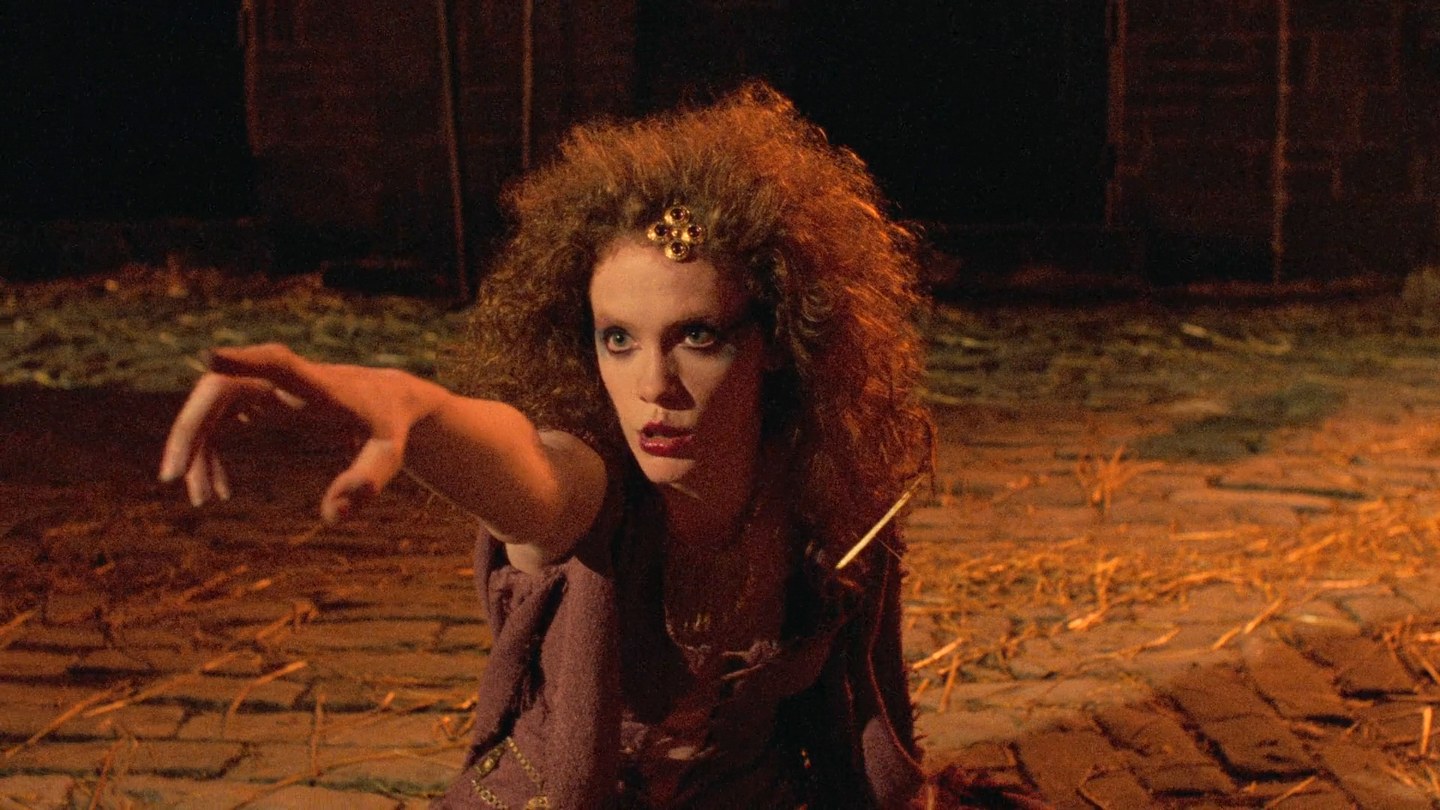
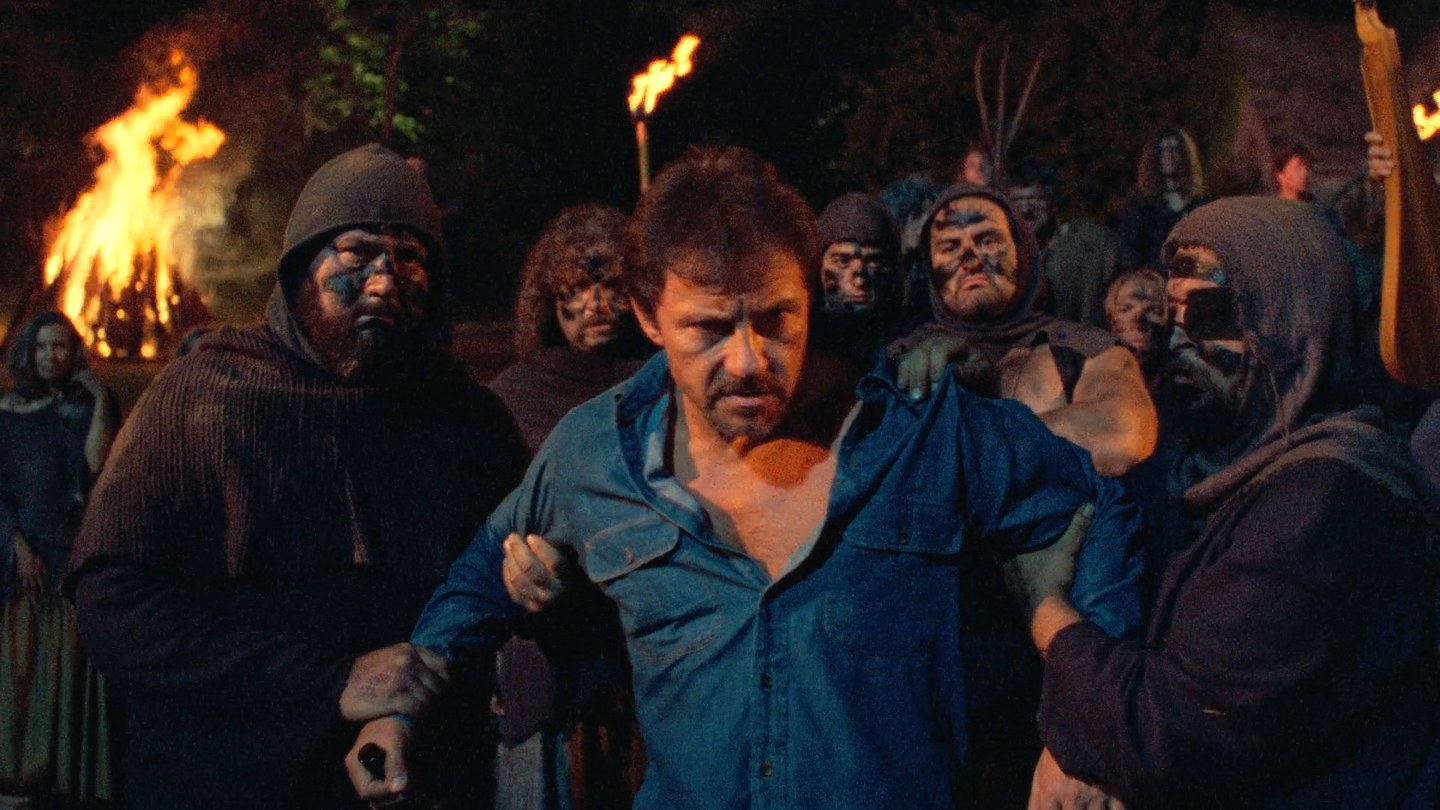
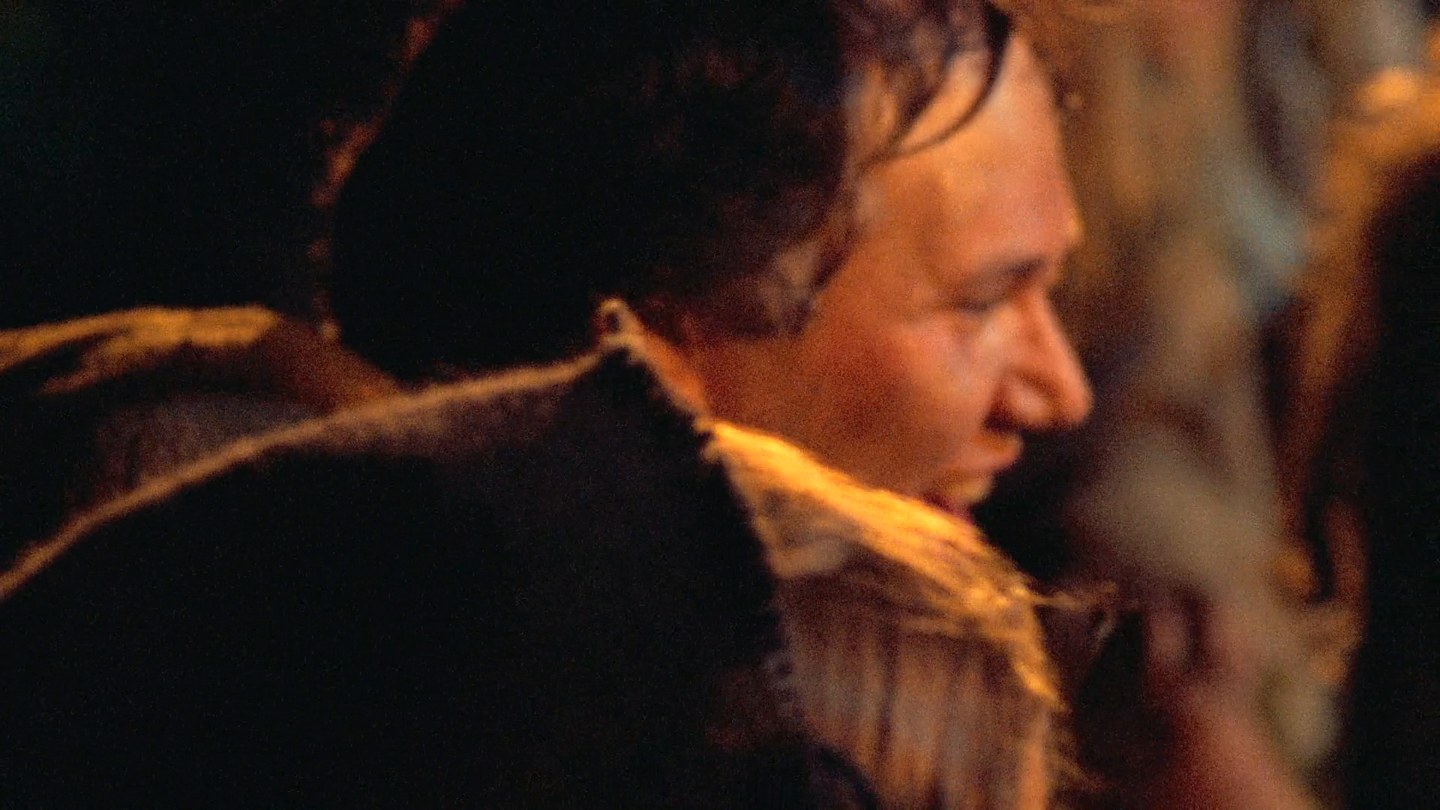
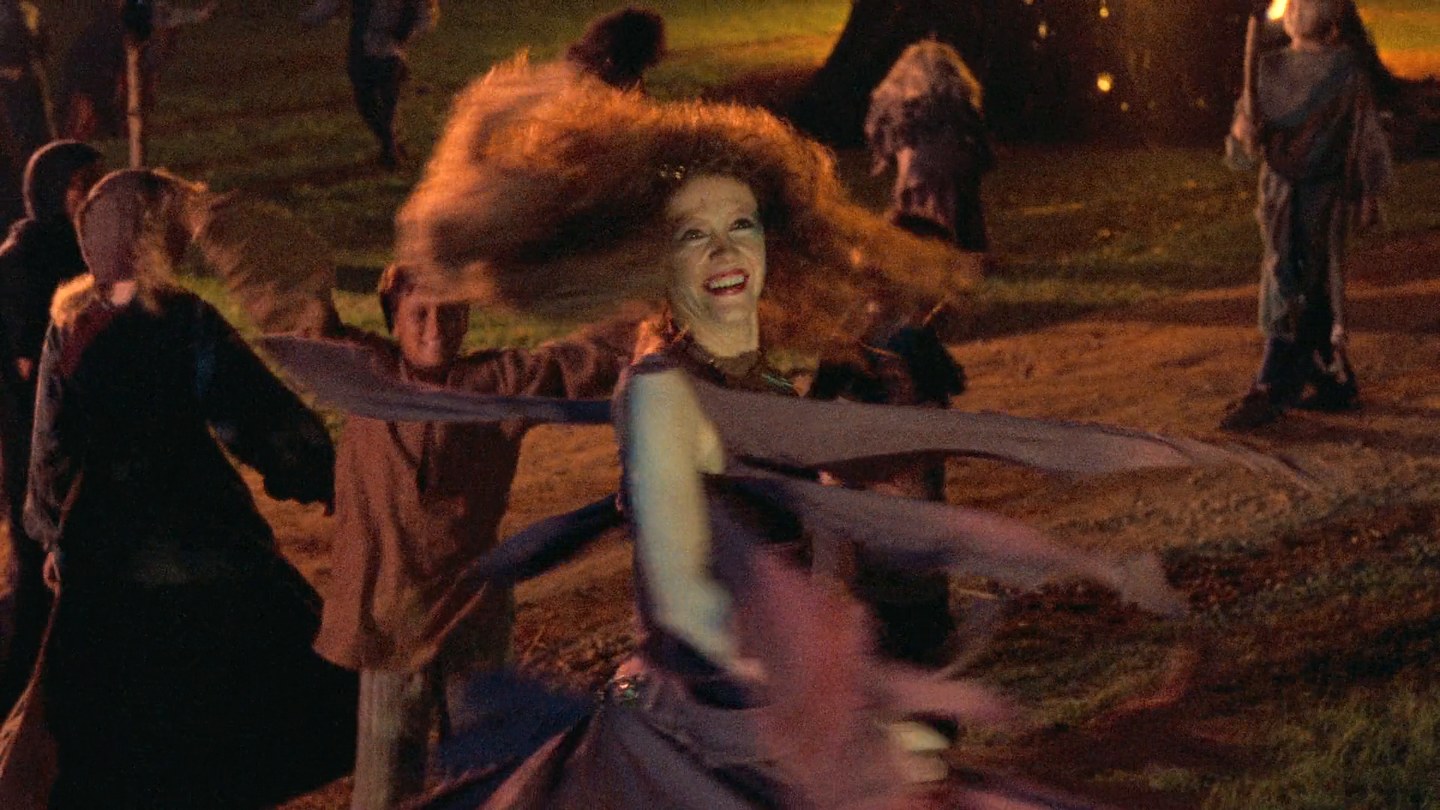
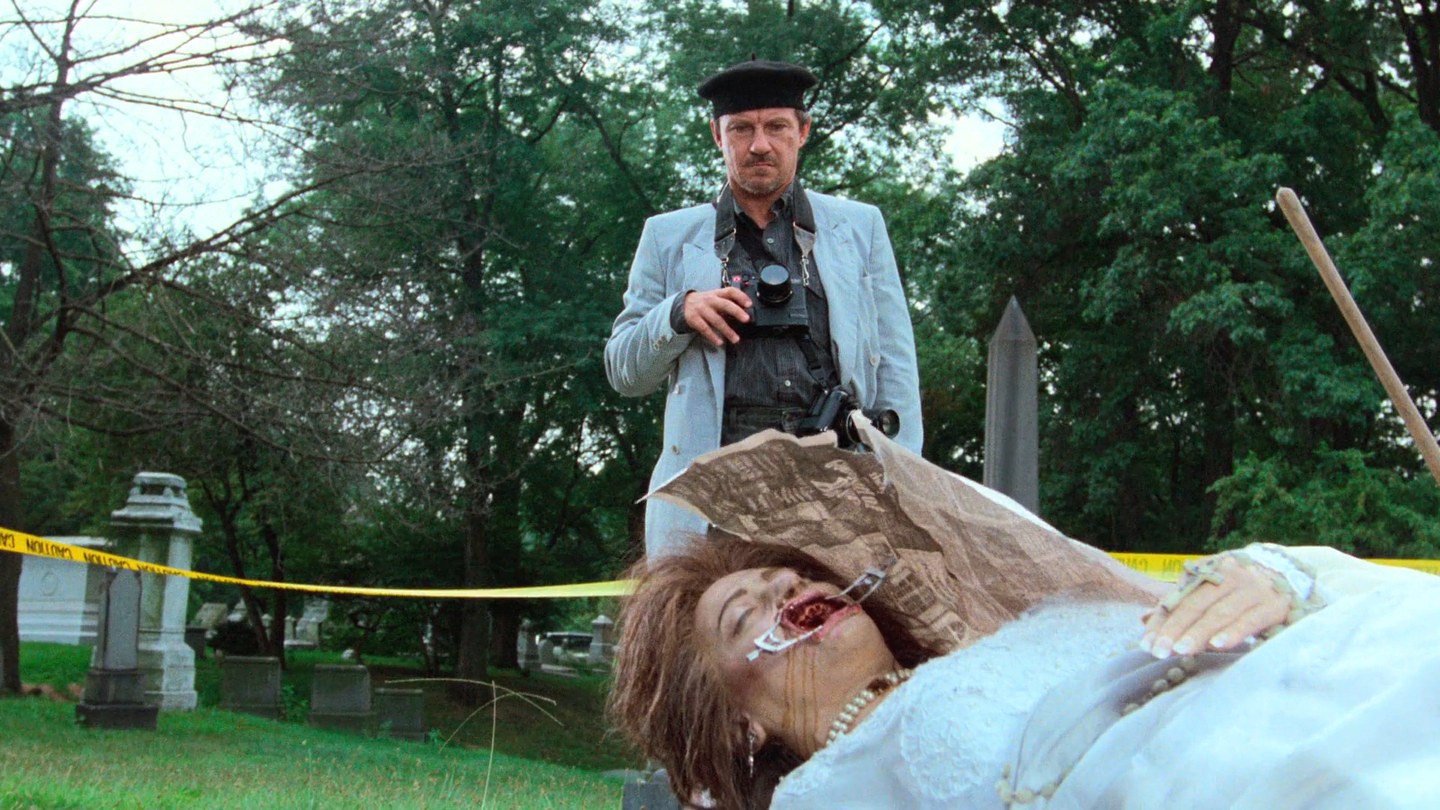
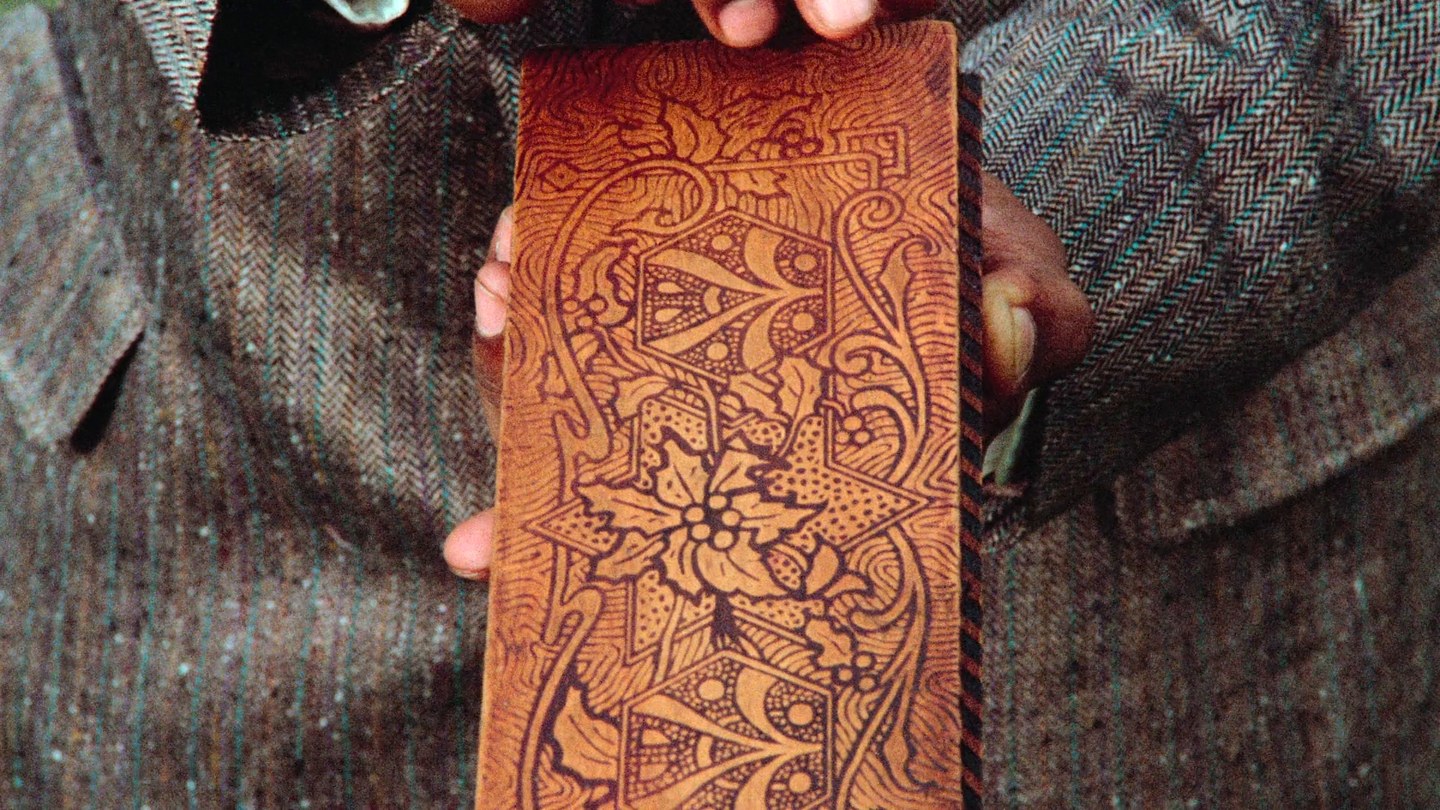
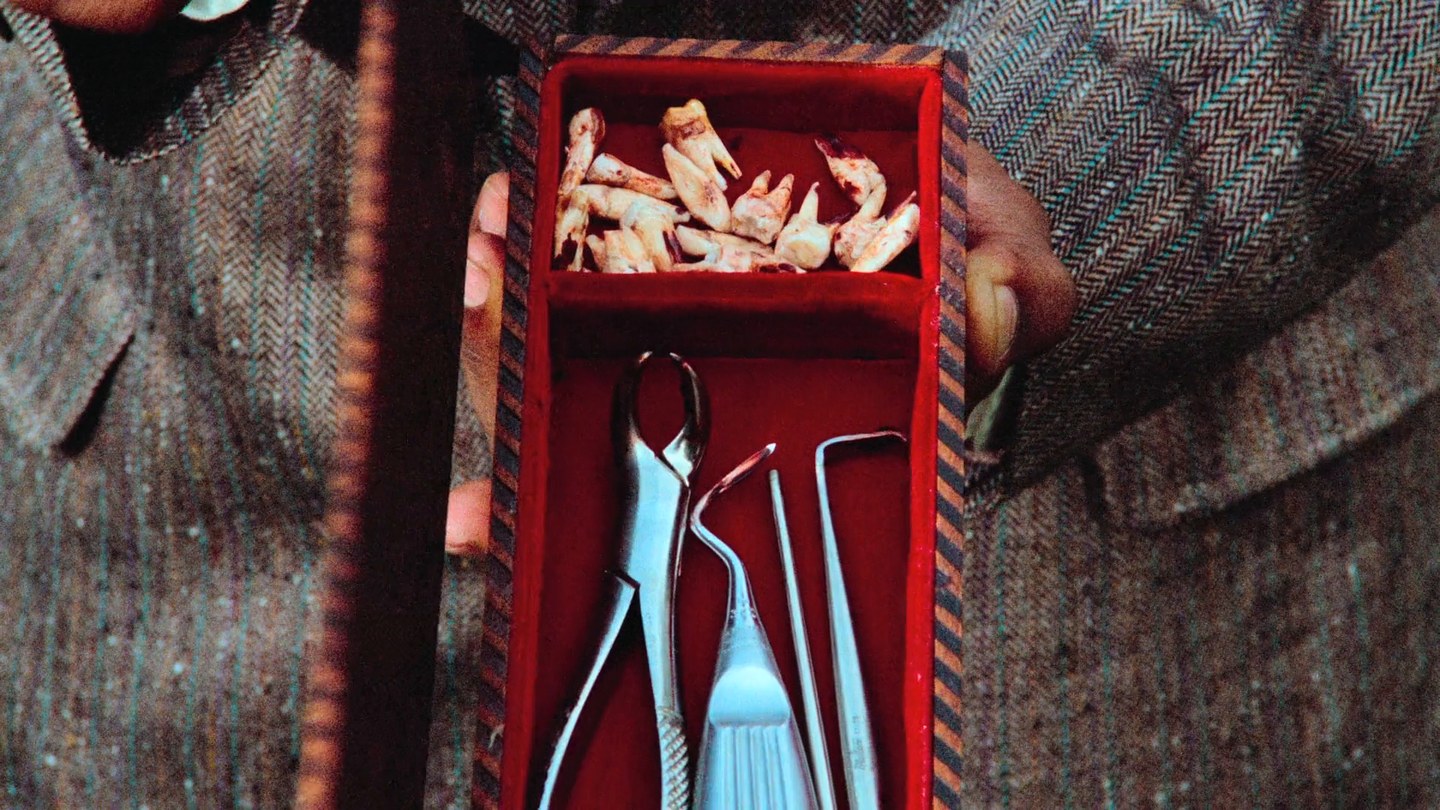
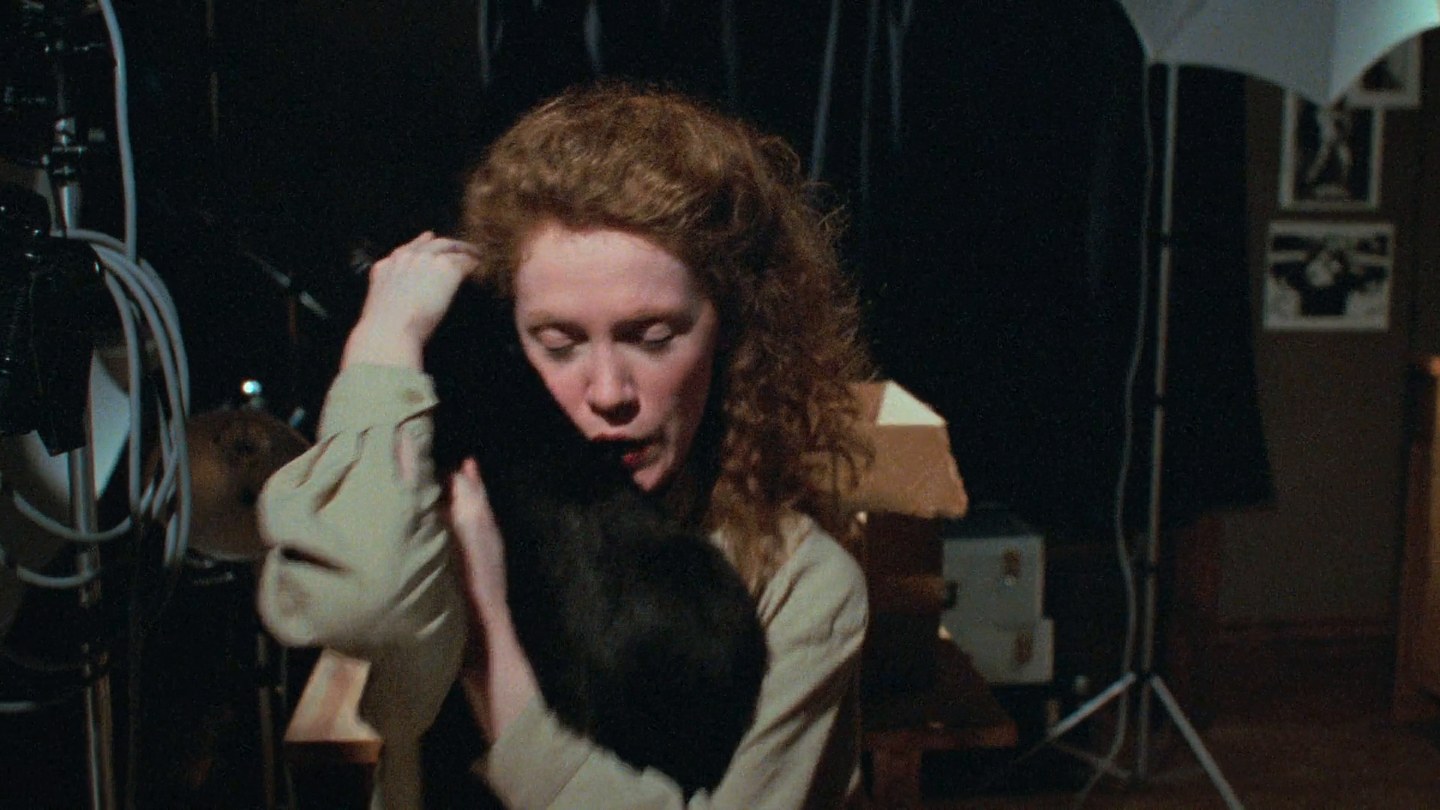
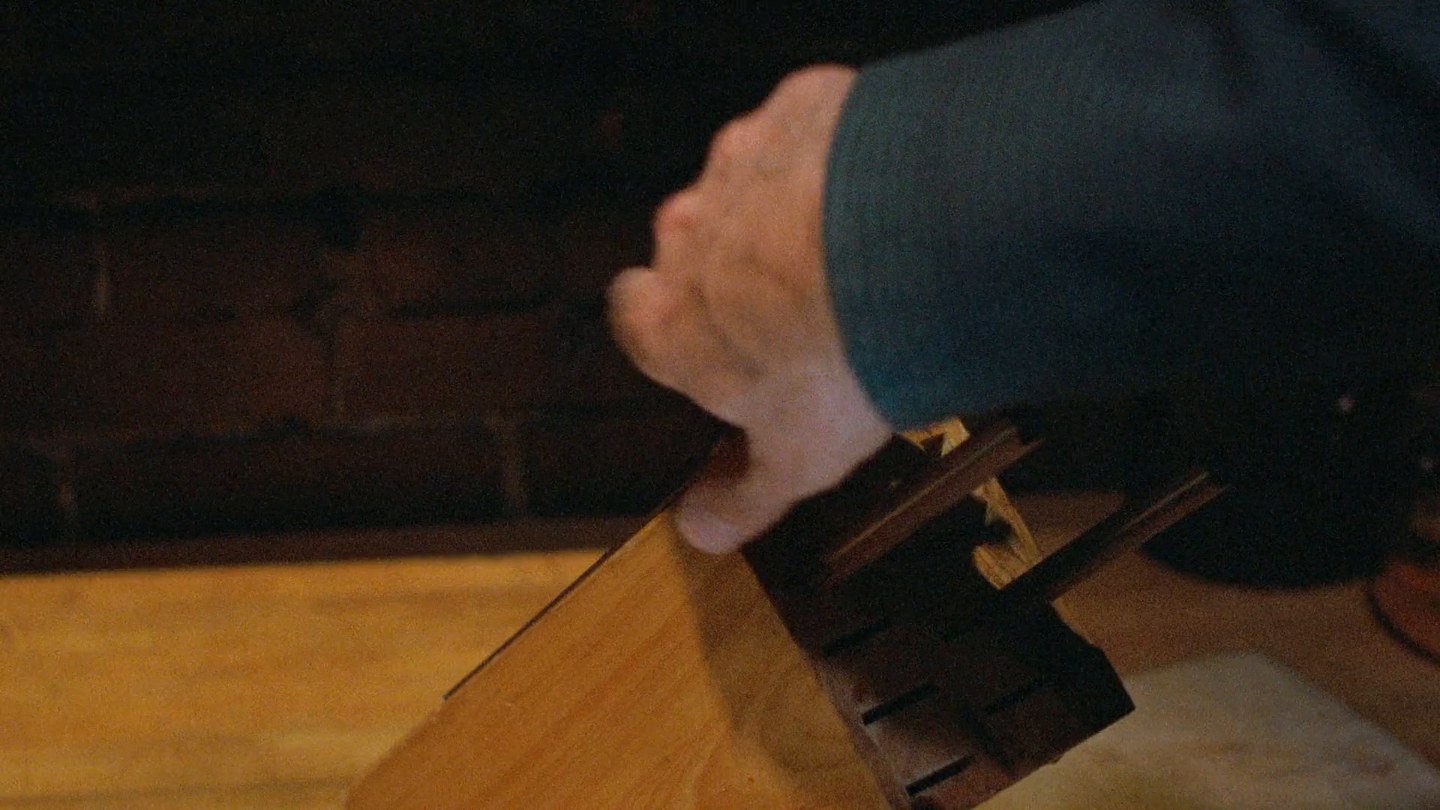
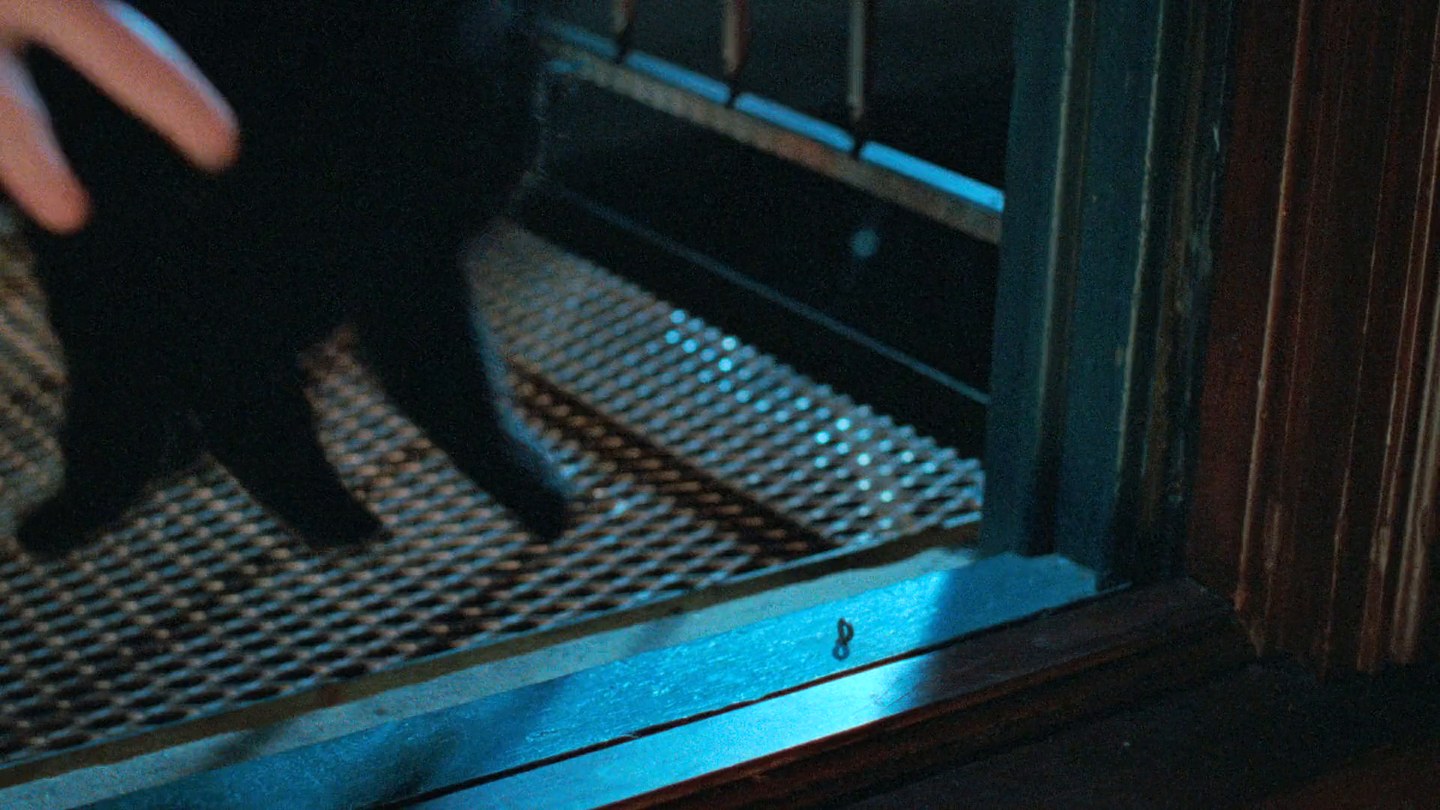
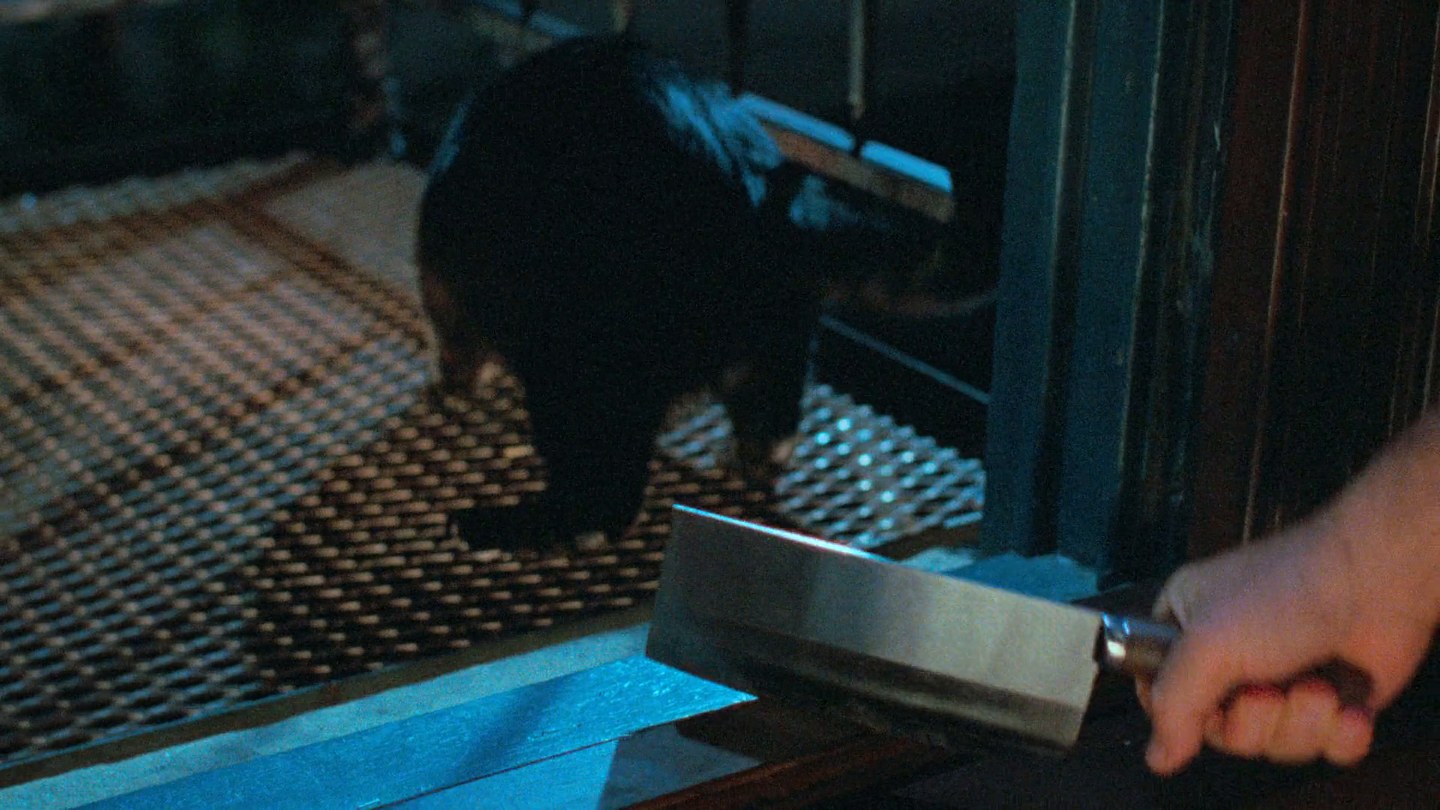
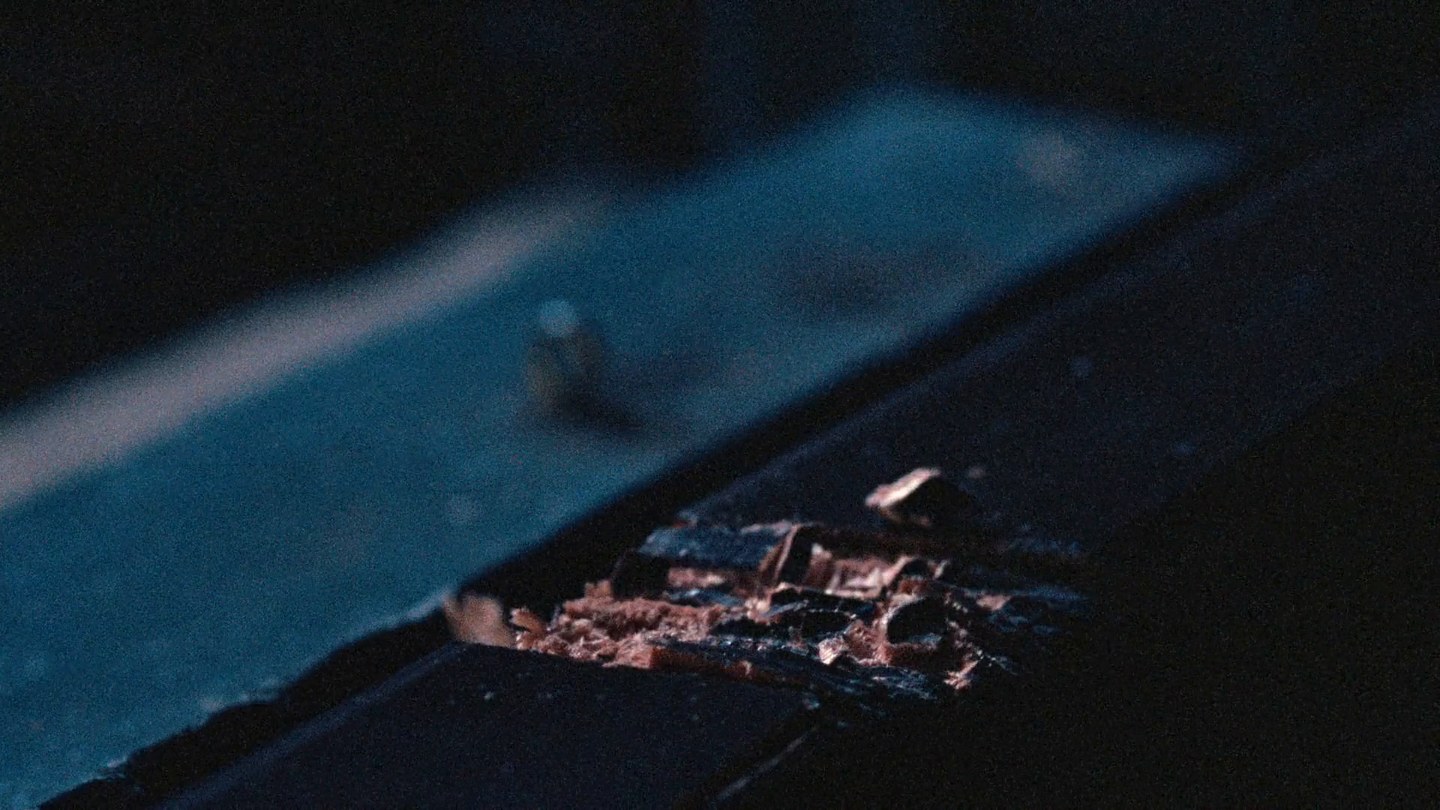
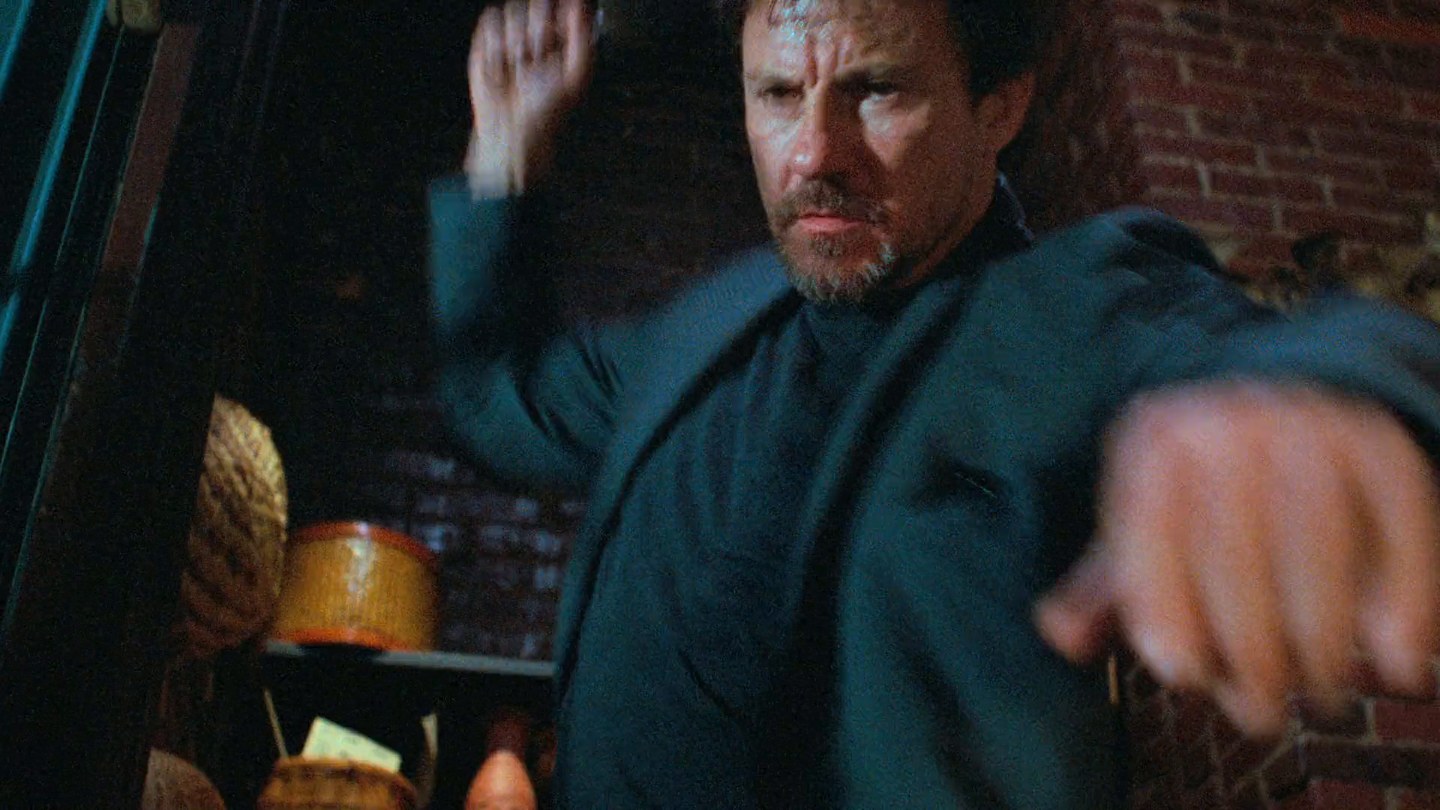
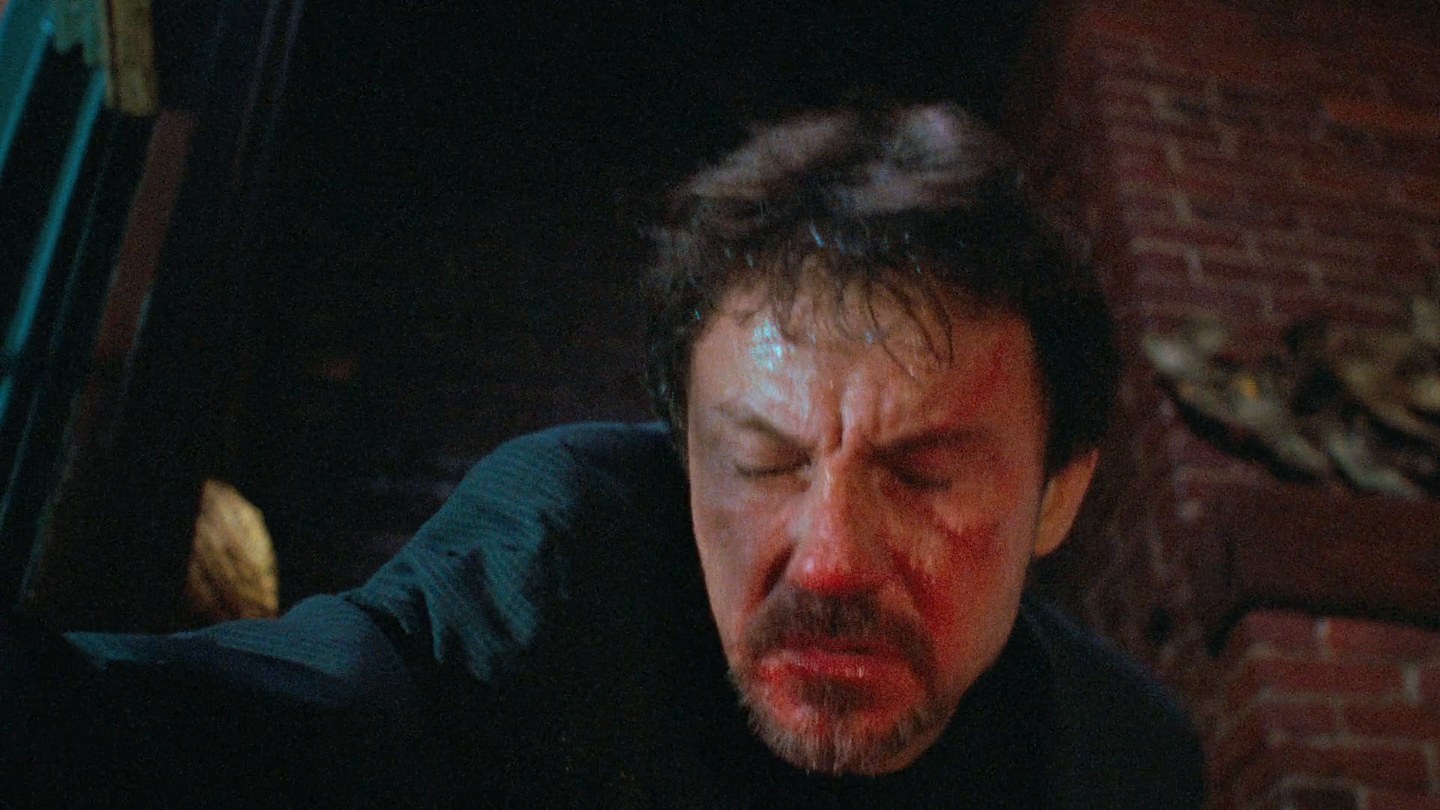
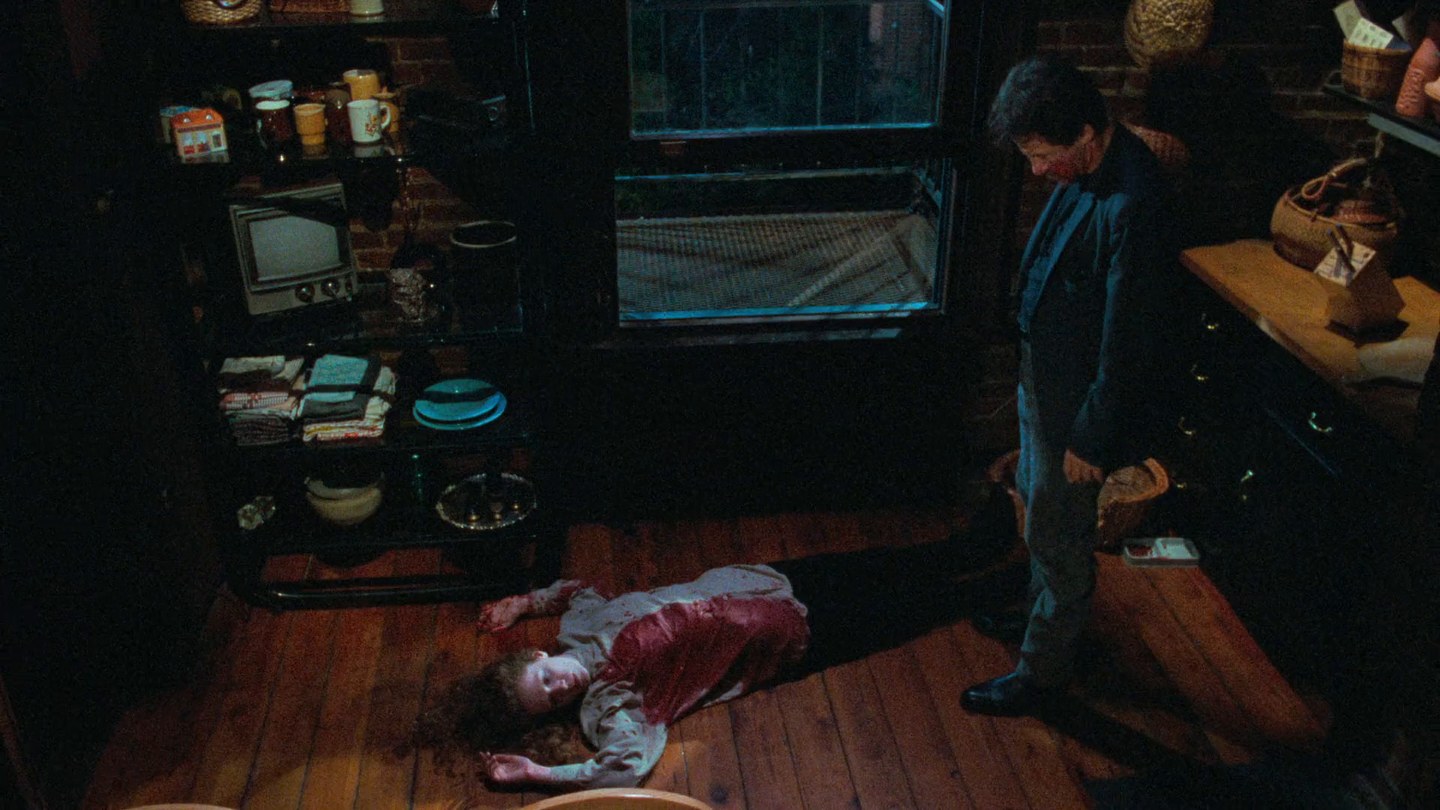
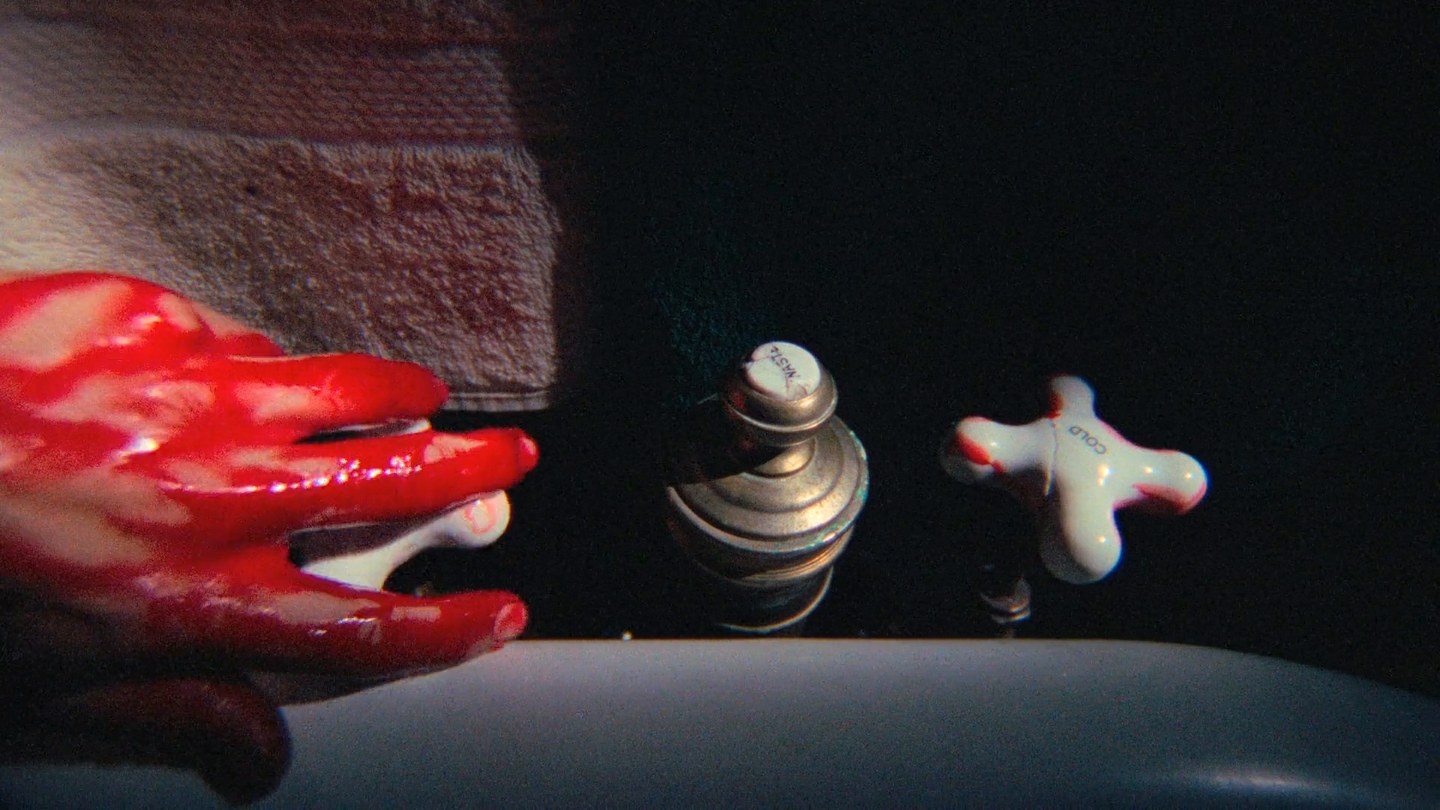
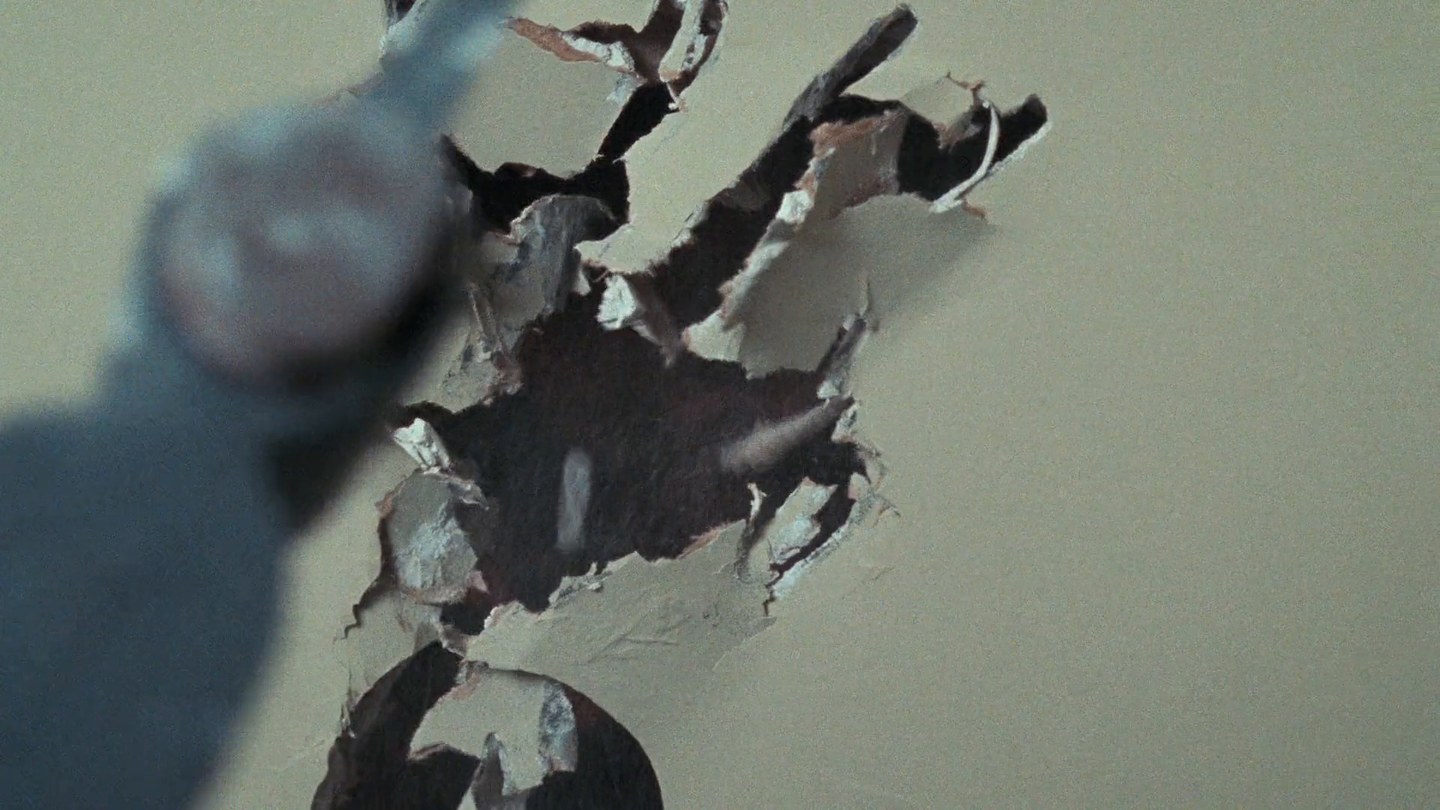
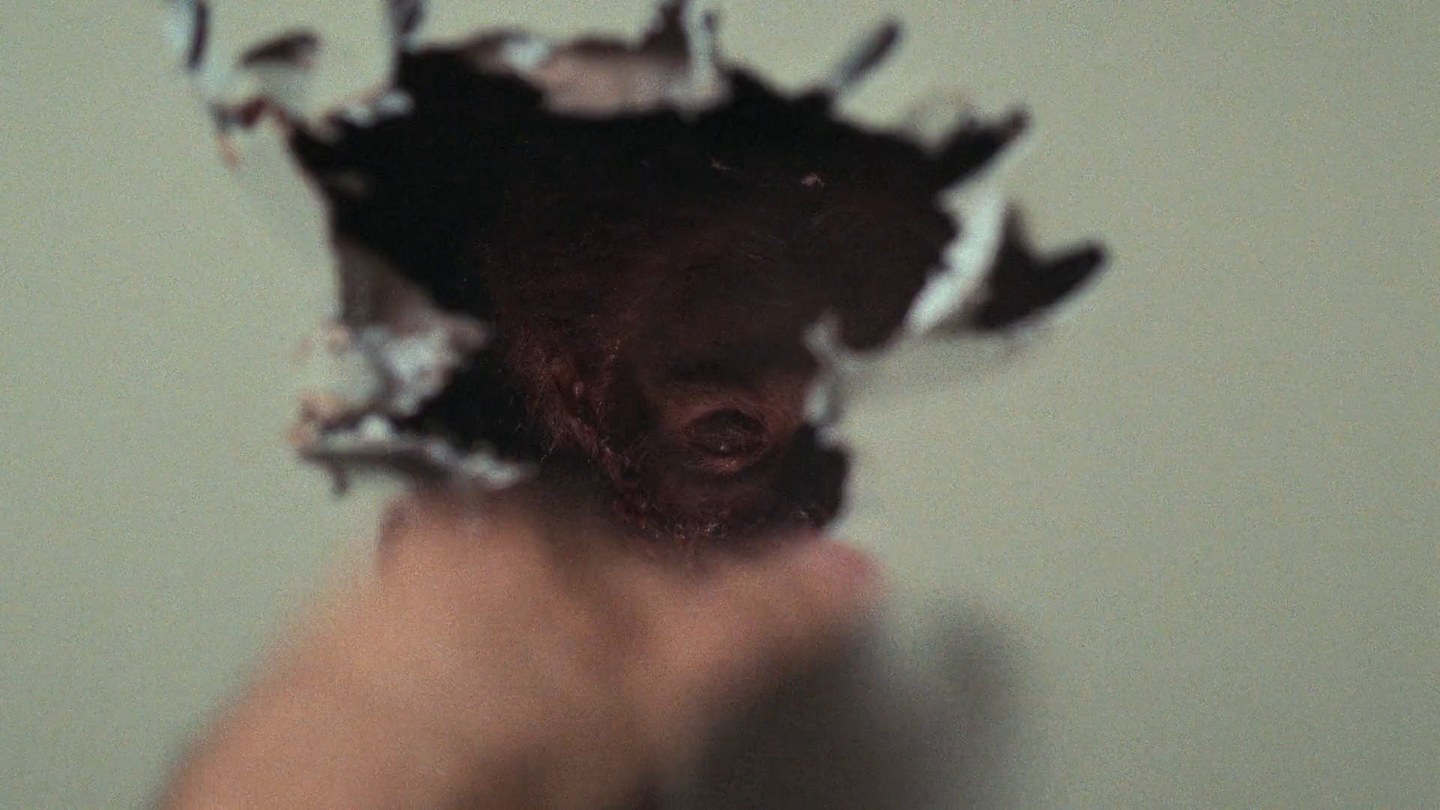
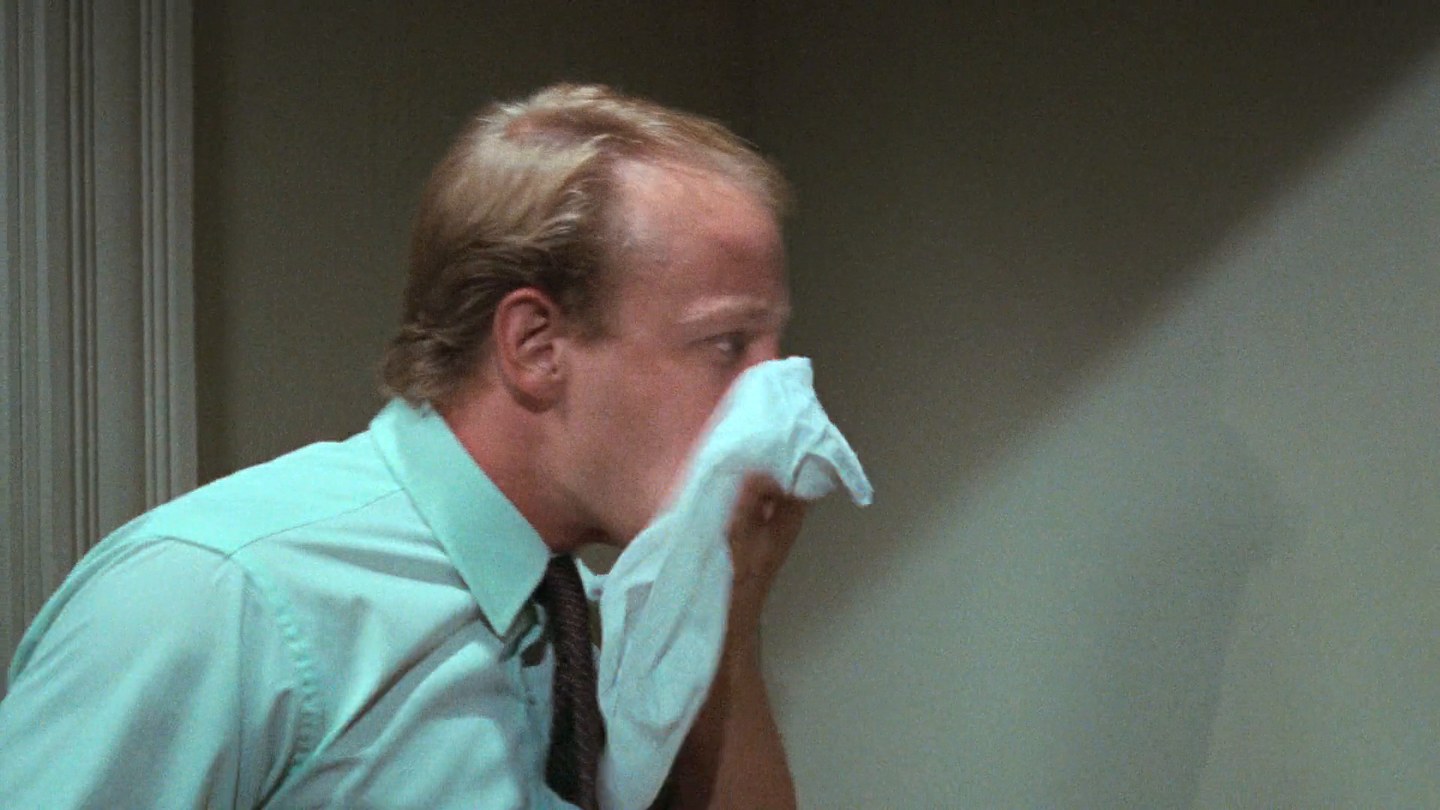
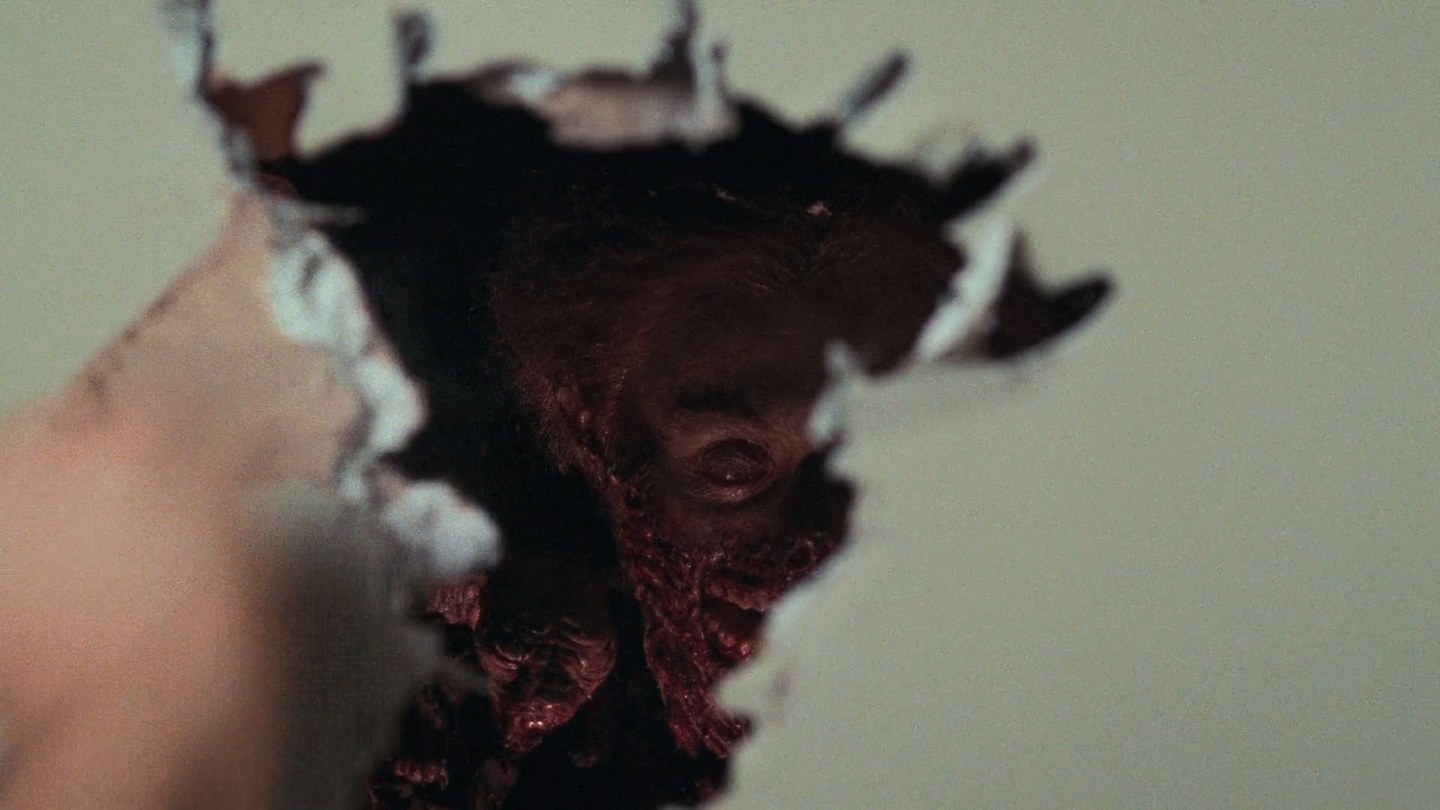

43:40–44:18
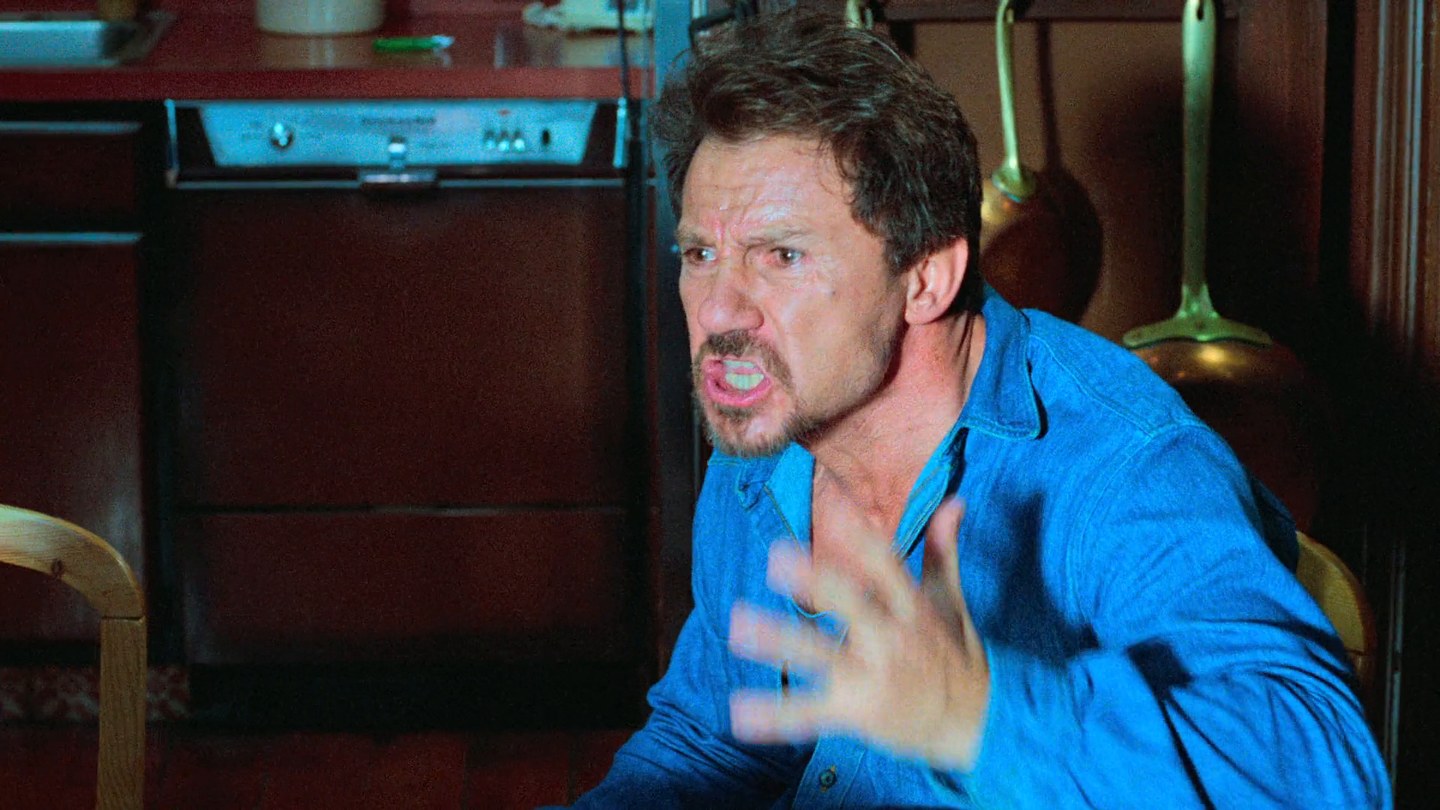
The conspiracy changes its balance
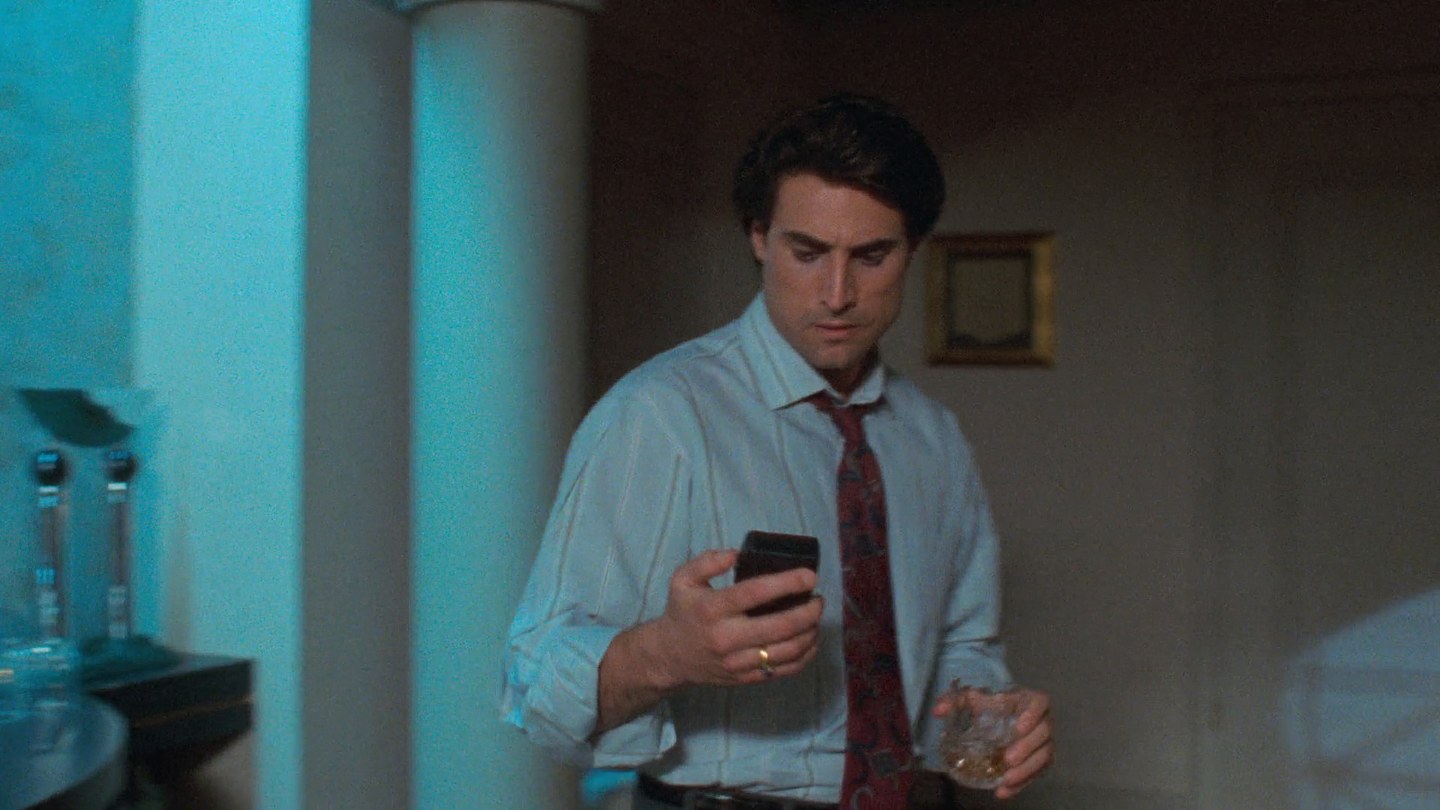
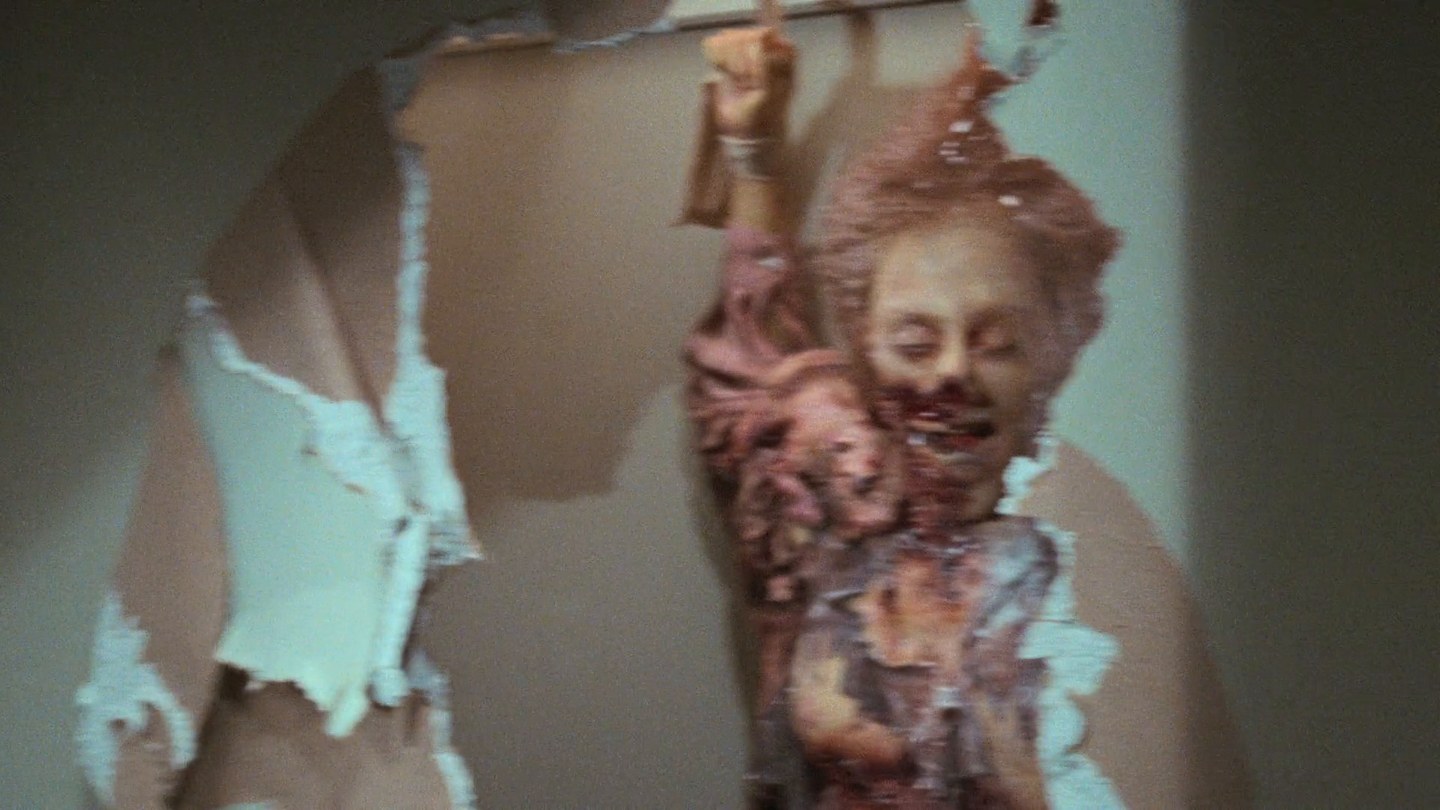
Howarth follows a reversal after the shooting: Jessica becomes harder and more decisive as Robert grows less able to sustain the scheme. His observation directs attention back to the exchange of orders and reassurances, rather than treating the couple as a single unit of greed.
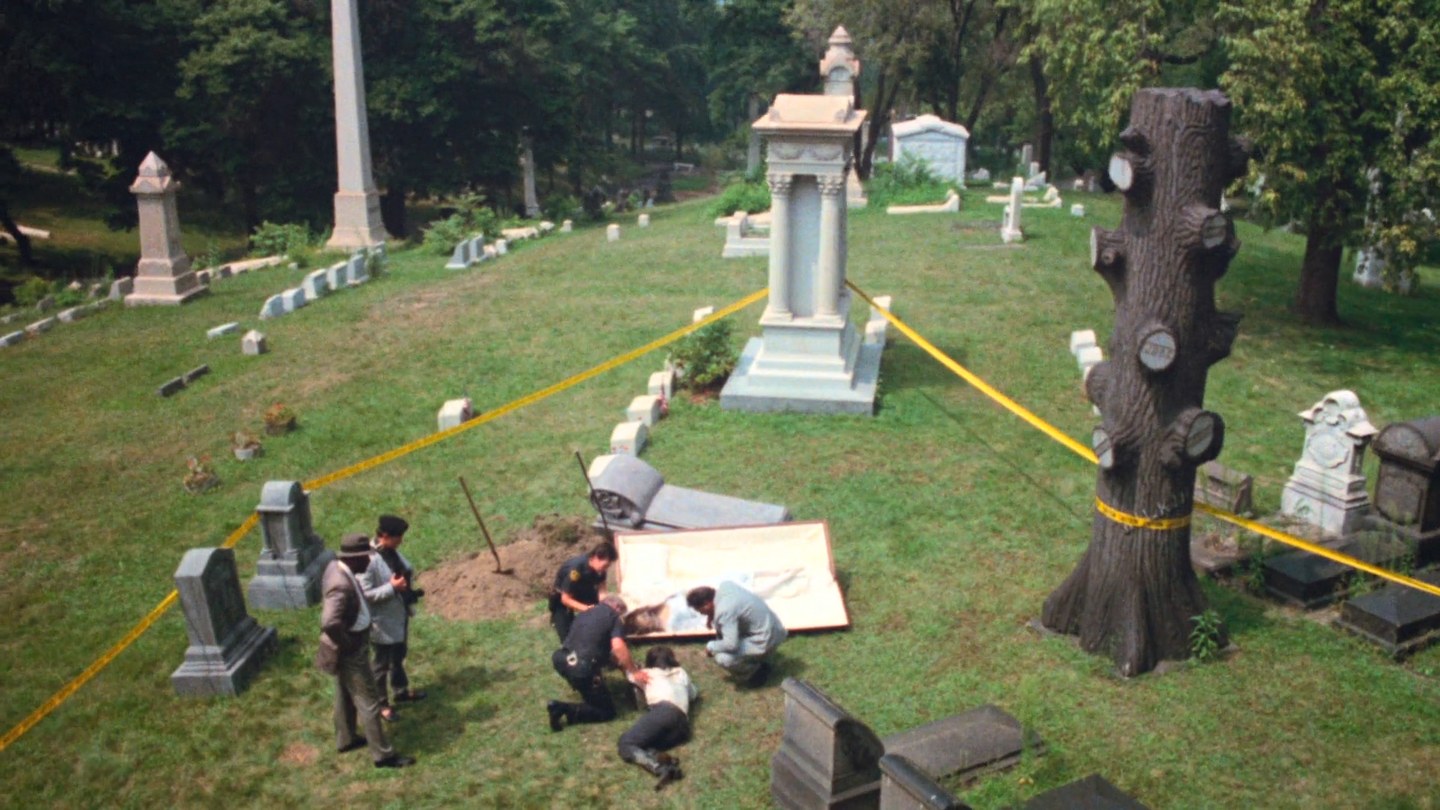
The body and its explanation →50:28–50:46
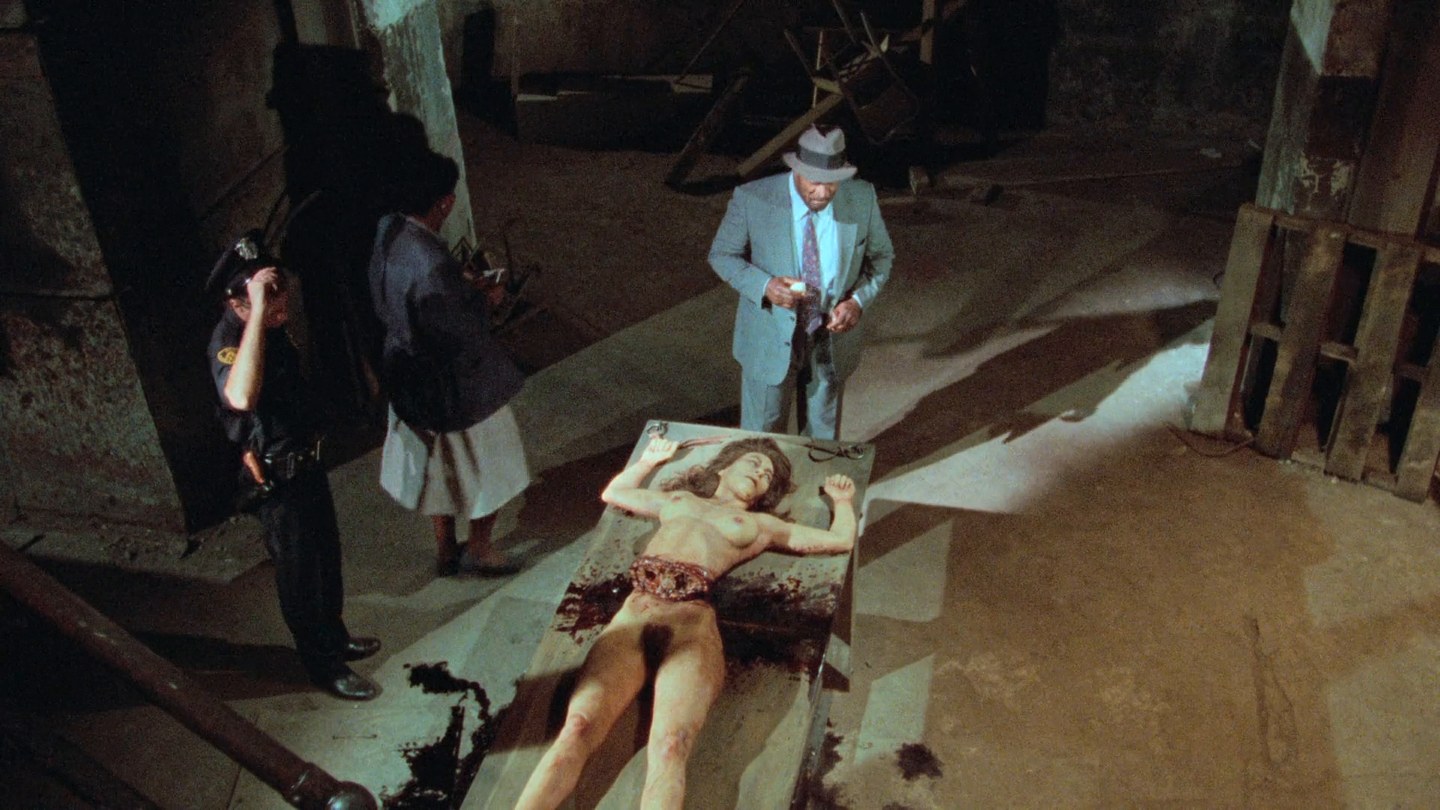
The police bring class into the room
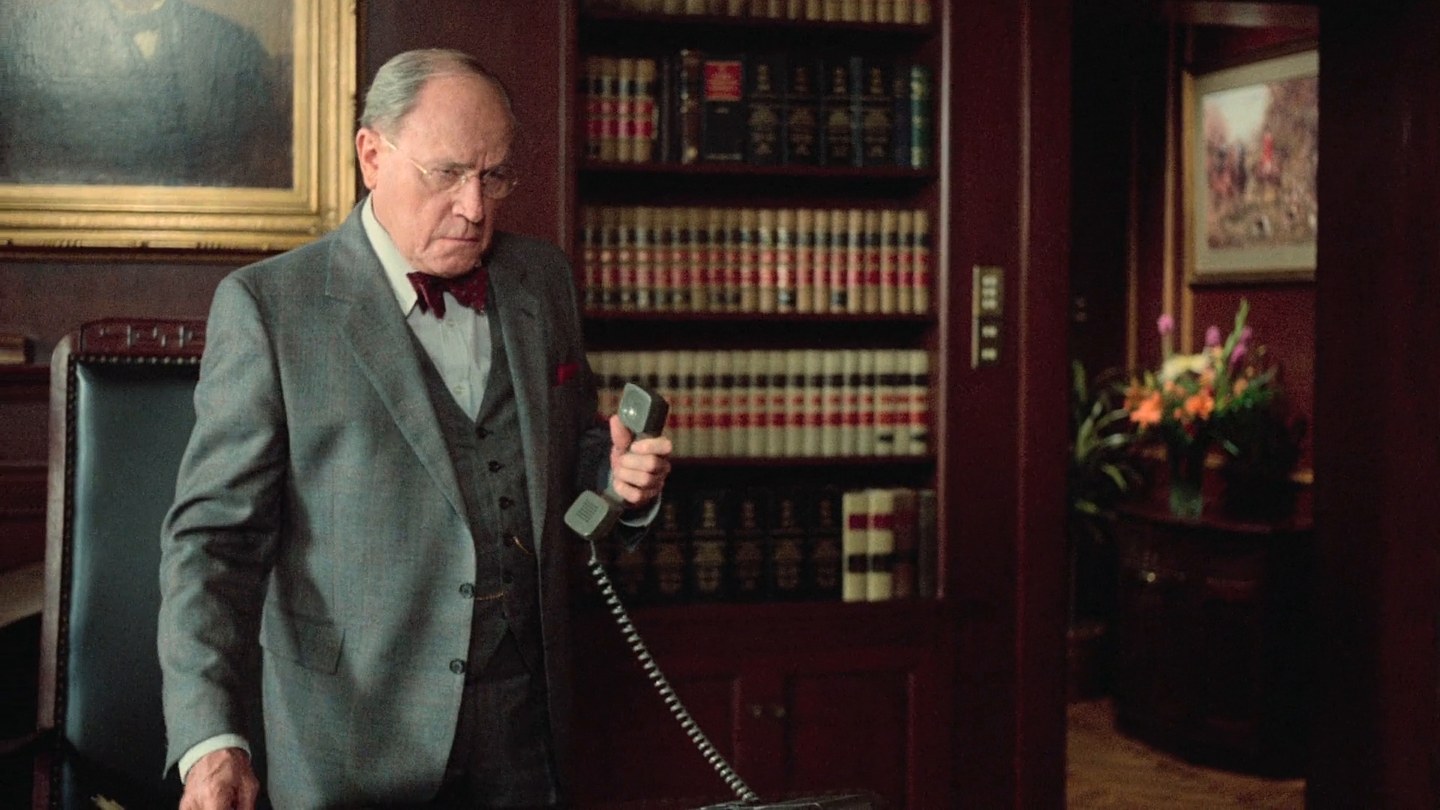
Howarth reads the police exchange as part of Romero’s social criticism. The officers’ contempt for the wealthy connects the supernatural aftermath with the sale, signatures and money that organized the opening.
The original transaction →61:44–61:53 · 87:17–87:43
Working in English
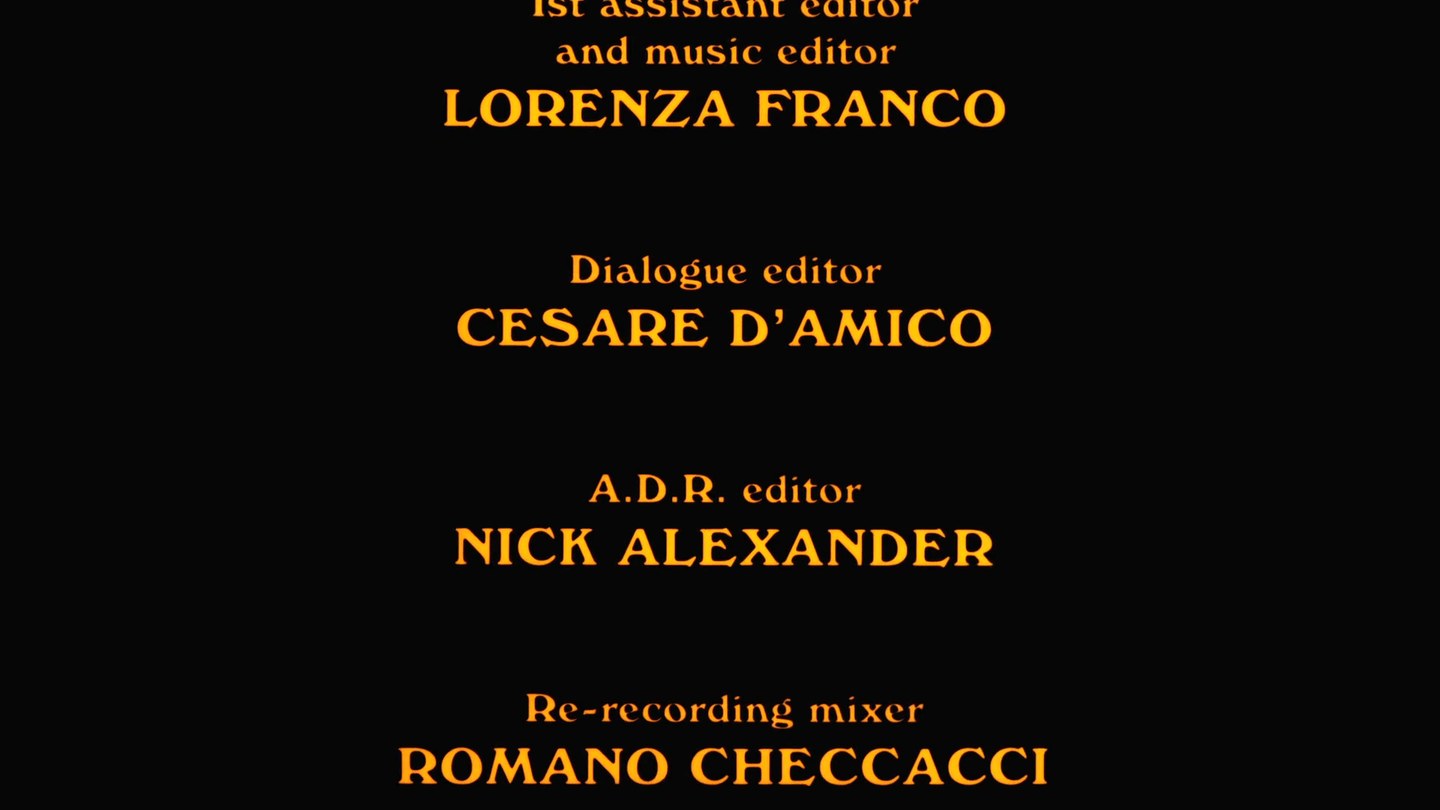
Howarth describes English-language shooting with direct sound and identifies Ken Gargaro as a go-between for Argento and the actors. This is his production account. The film’s separate dialogue-editing and ADR credits show why direct recording should not be taken to mean an absence of later voice work.
The credited sound team →69:15–70:10 · 88:57–89:18
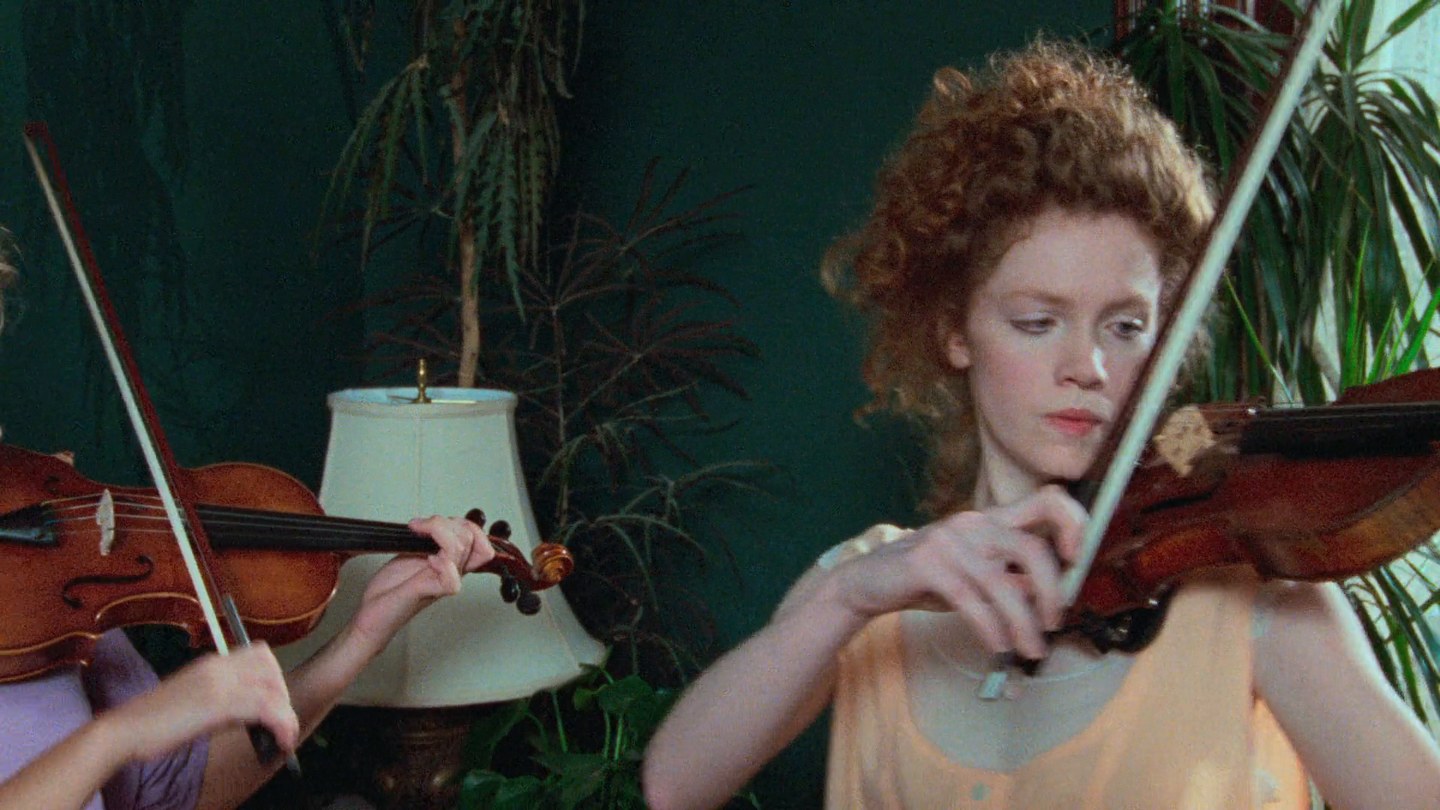
Annabel is more than a victim
Howarth praises Madeleine Potter’s ability to hold her own opposite Harvey Keitel and stresses the sympathy Annabel earns before the attack. Her teaching, friendships and preparations to leave give that judgment concrete dramatic support.
Annabel’s independent life →76:46–77:25
A further Poe story inside the crime scene
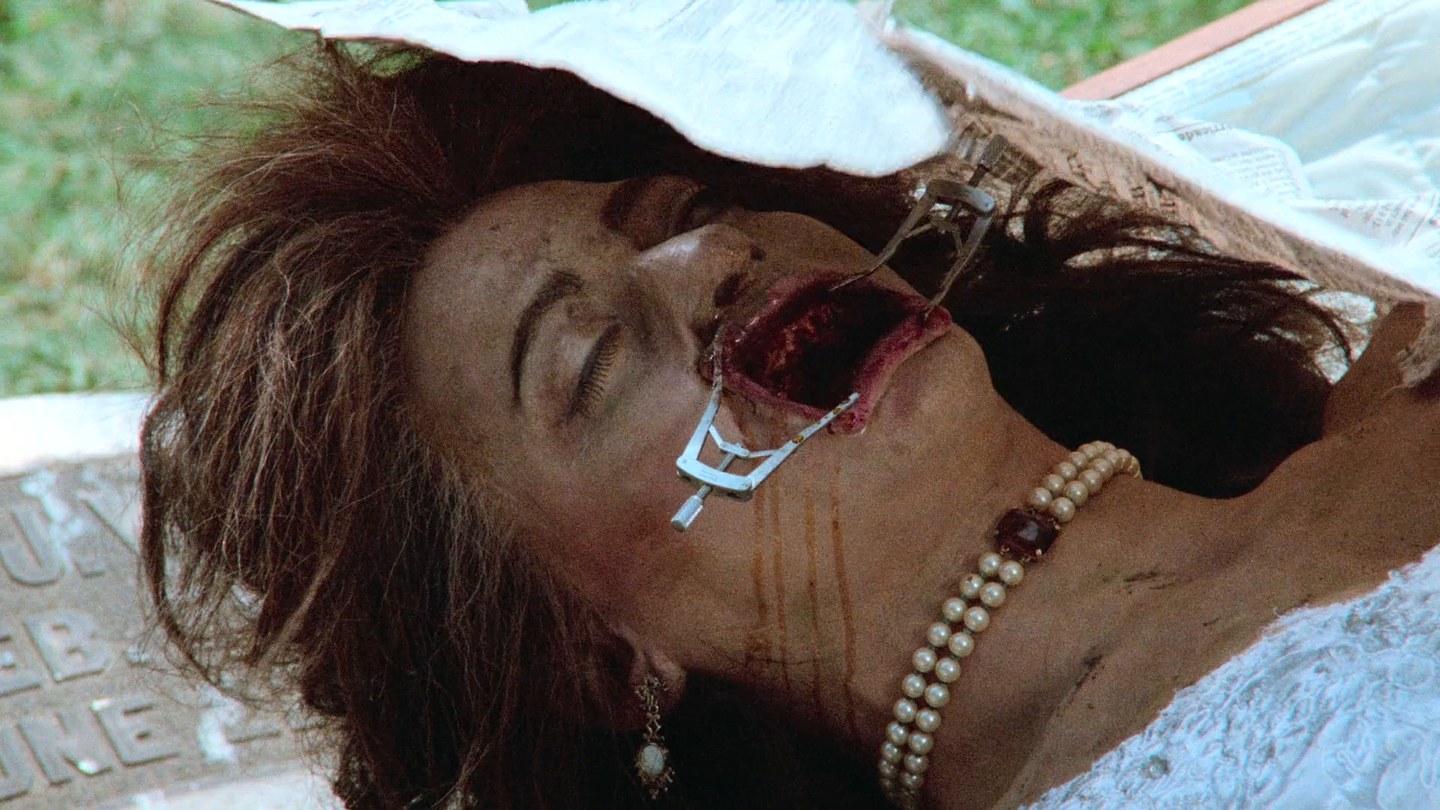
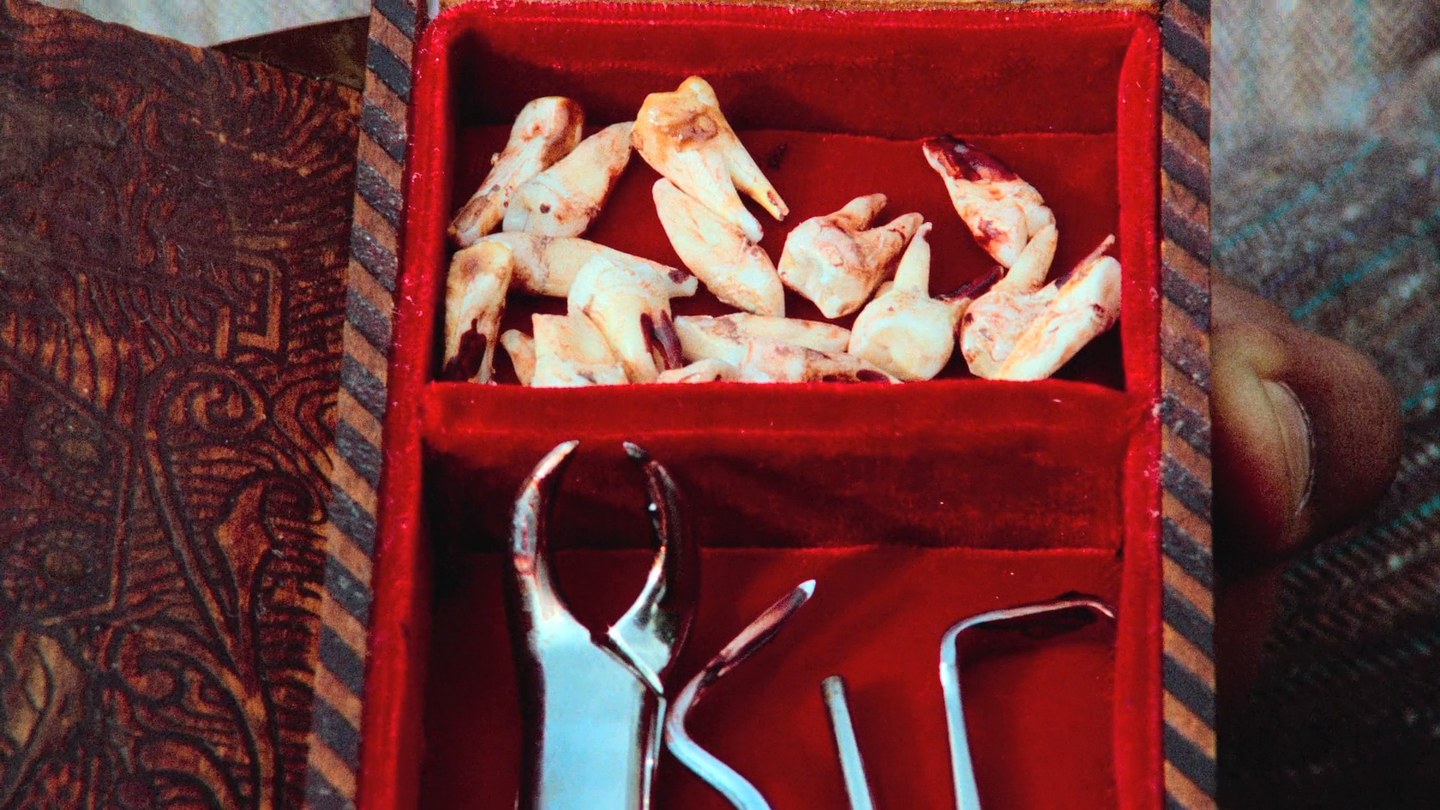
Howarth connects the extracted-teeth episode to Berenice. His reference extends the film’s network of Poe allusions beyond the two stories named by the double bill, while the scene itself makes the photographer’s appetite for troubling images newly explicit.
The teeth and the camera →89:21–90:09
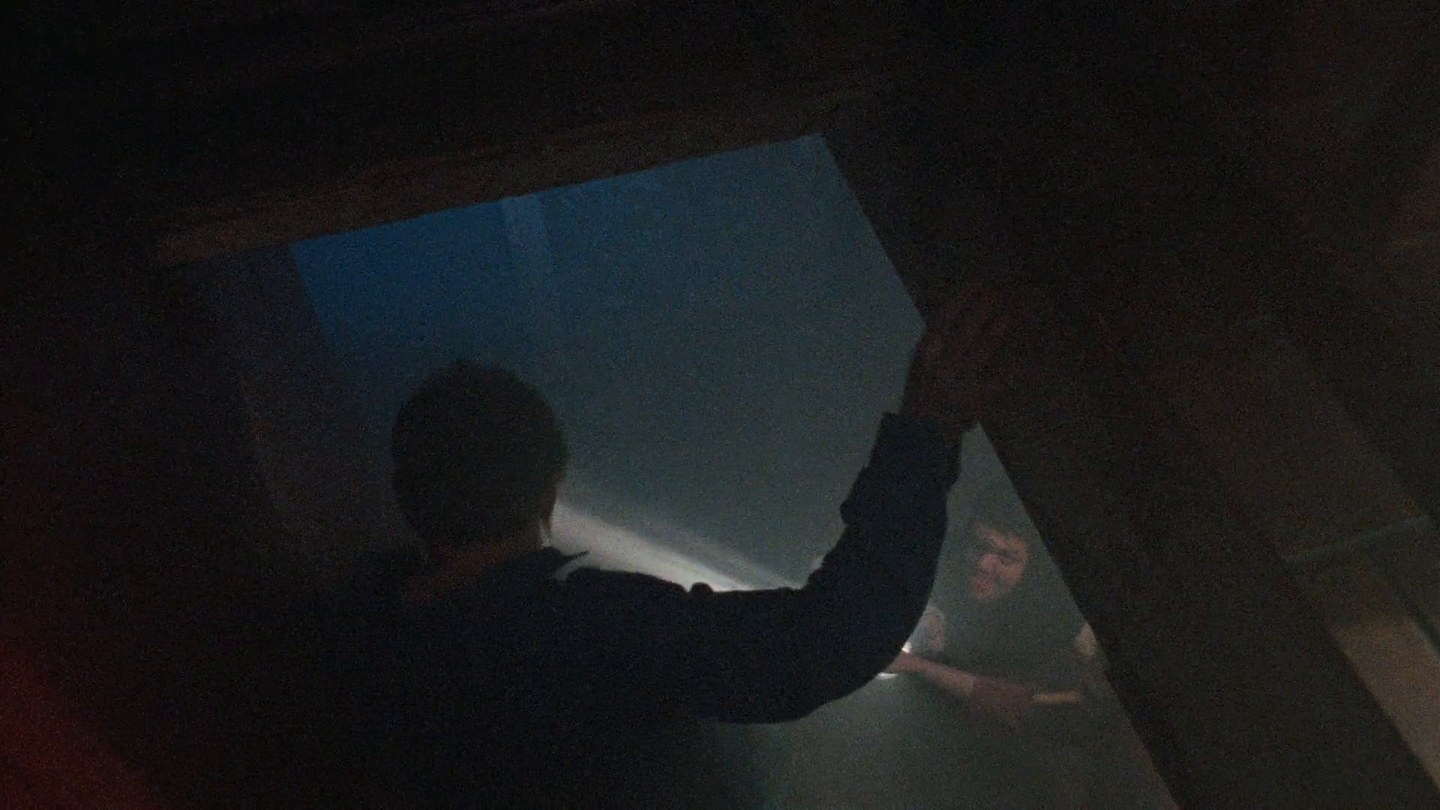
The staircase borrows a memory
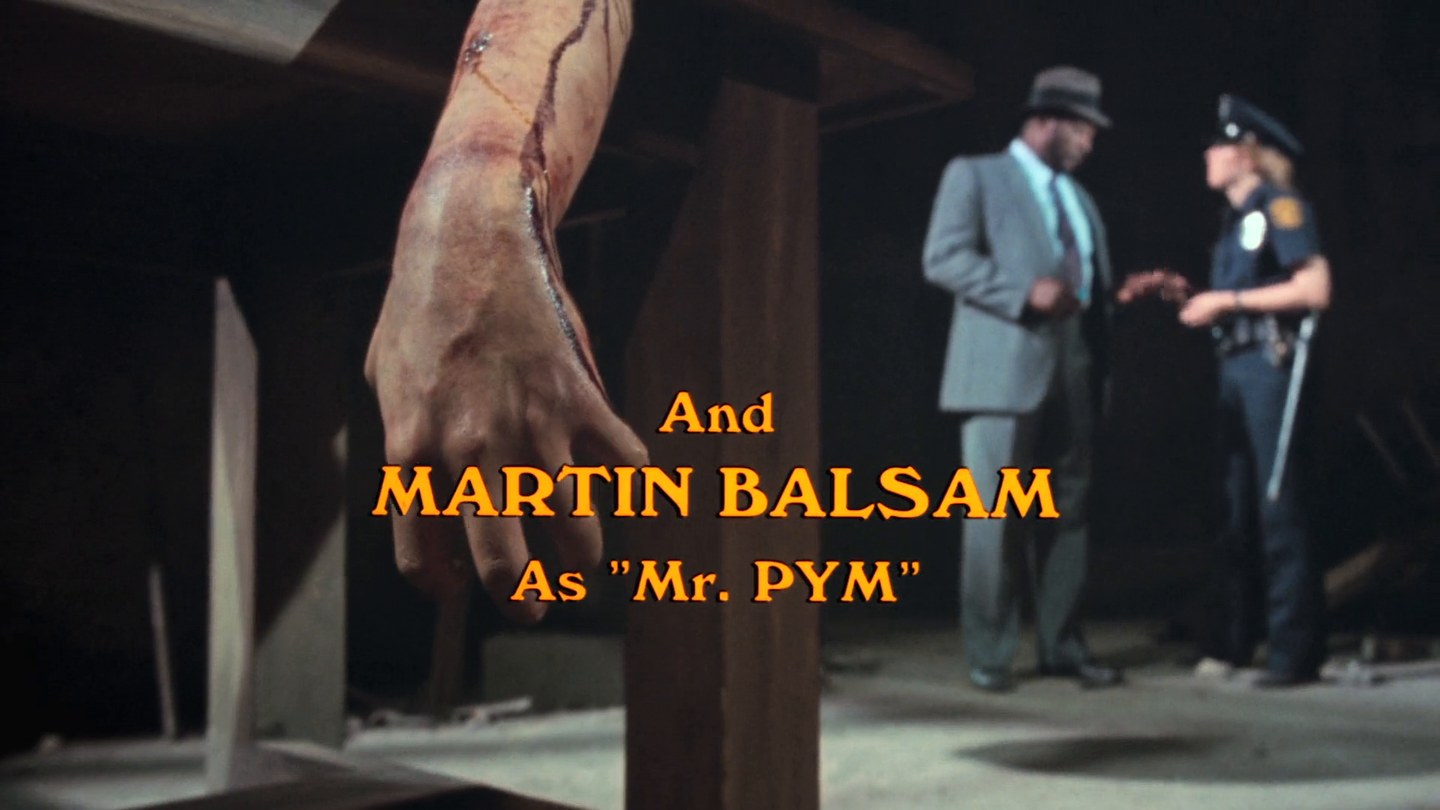
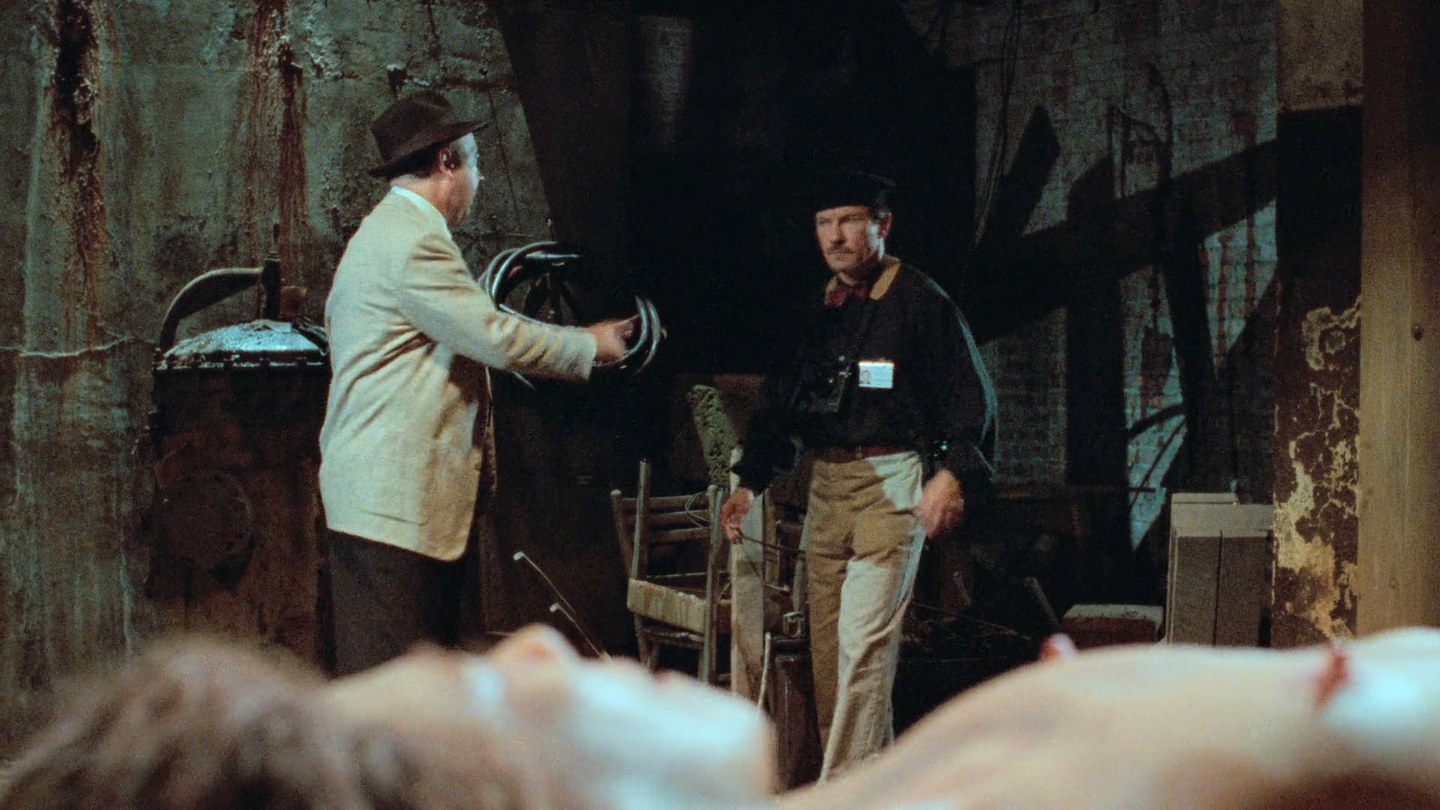
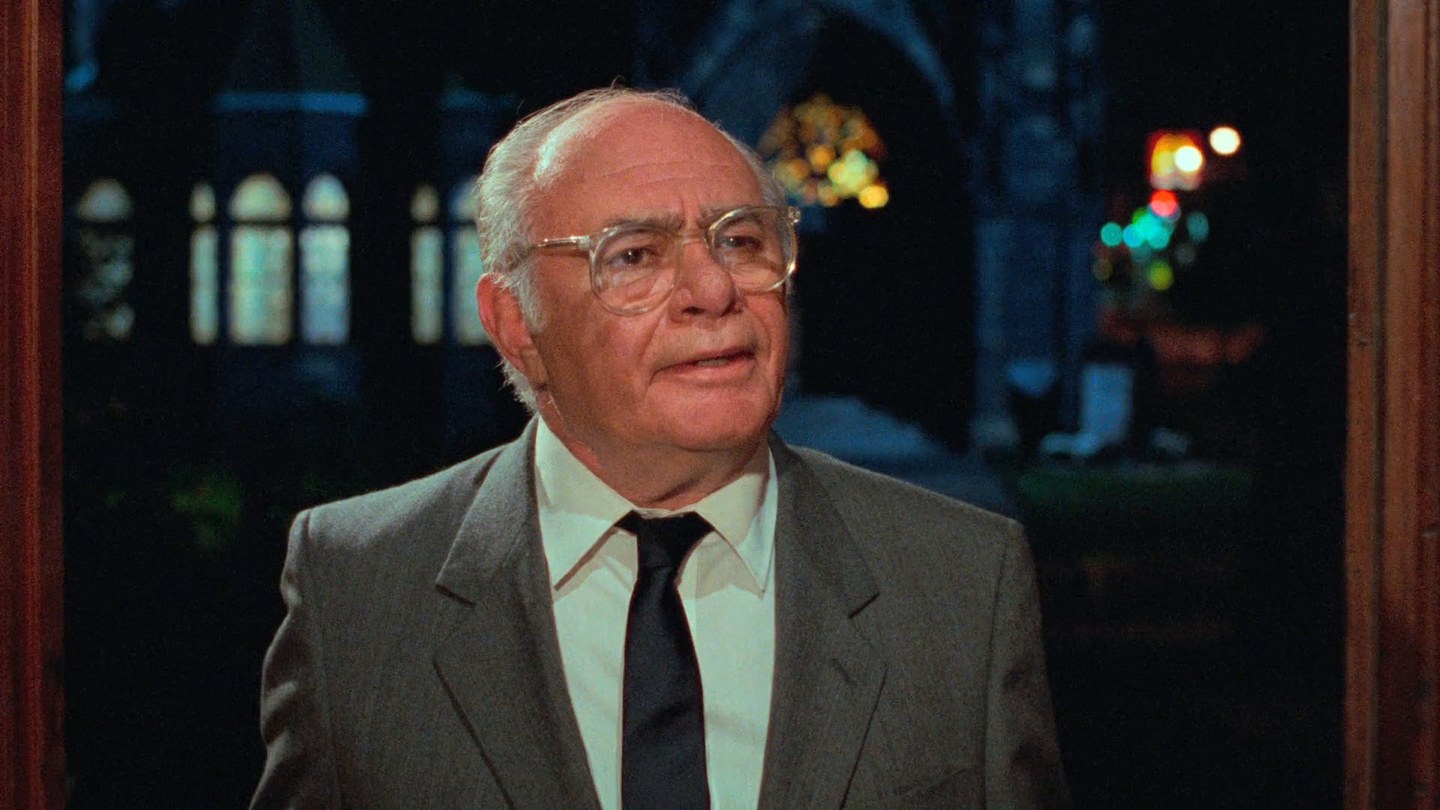
Howarth points to Martin Balsam’s casting and the memory of his staircase death in Psycho. He reads Pym’s visit as a reversal of that expectation: the neighbour comes dangerously close to the concealed crime and survives the encounter.
Pym’s visit and Rod’s explanations →1:53:53–1:56:32
Legrand’s unassuming manner
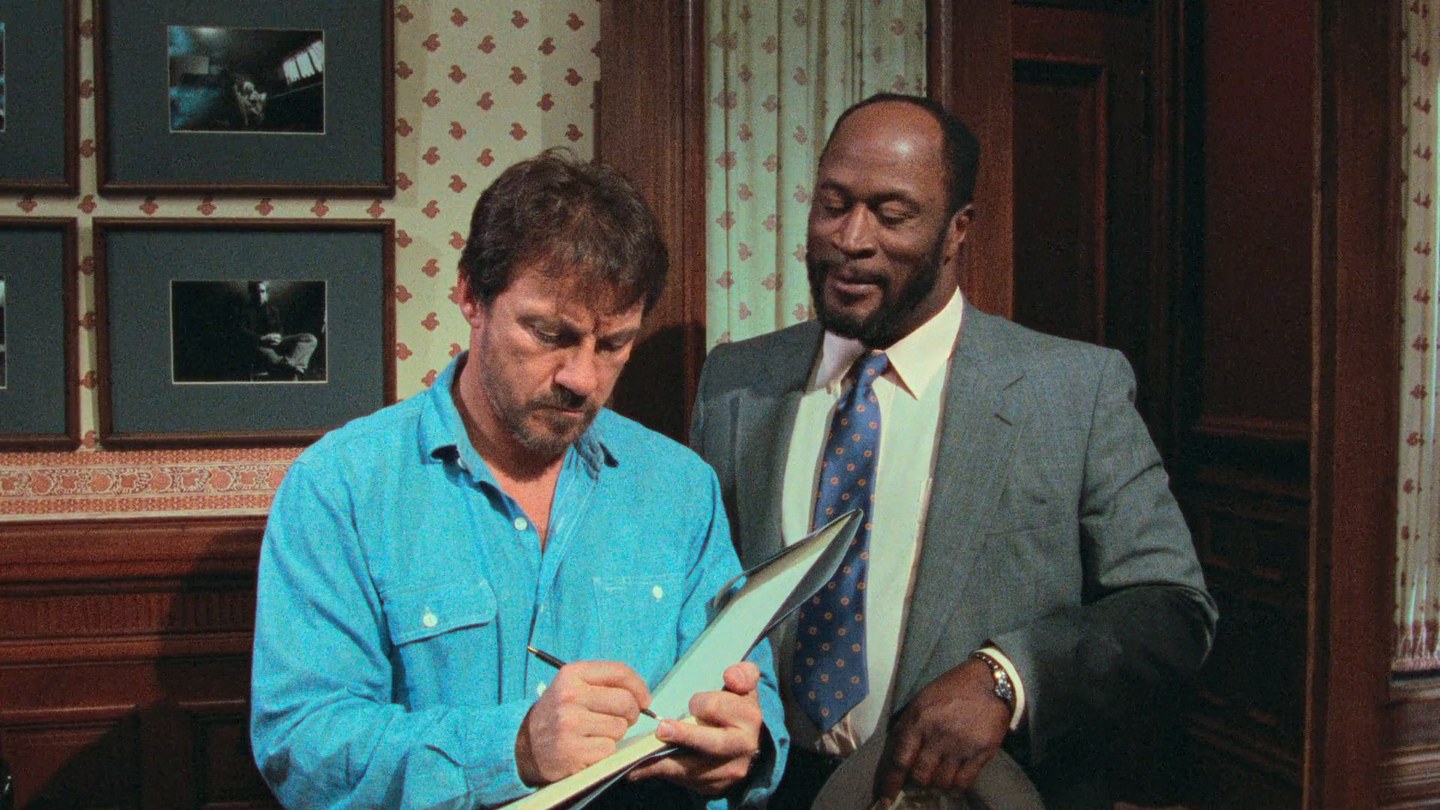
Howarth places John Amos’s Legrand among Argento’s capable investigators and compares his apparently casual approach to Columbo. The request for a book inscription makes a useful companion to that reading: a friendly social gesture keeps the investigator inside the house.
The inscription and the wall →